
Why Older Clarksville Homes Often Experience Foundation Related Plumbing Breaks
Clarksville’s historic charm comes with a hidden plumbing risk that many homeowners don’t discover until it’s too late. The combination of Austin’s expansive clay soil and the aging infrastructure in homes built before 1960 creates a perfect storm for foundation-related plumbing breaks. These breaks don’t just cause water damage—they can compromise your home’s structural integrity and cost thousands in emergency repairs. Finding an Emergency Plumber in Austin Who Actually Answers the Phone at 3 AM.
Expansive clay soil beneath Clarksville expands when wet and contracts when dry, creating constant movement that puts stress on buried plumbing lines. When you add in galvanized steel pipes that have corroded over 60+ years, the result is a ticking time bomb beneath your floors. Understanding these risks is the first step to protecting your home. Plumbing San Marcos.
Warning Signs Your Clarksville Home May Have Foundation Plumbing Issues
Foundation-related plumbing breaks rarely announce themselves before causing major damage. Here’s what to watch for in your Clarksville home: Plumbing Pflugerville.
- Warm spots on concrete floors that indicate hot water line leaks beneath the slab
- Unexplained increases in water bills despite normal usage patterns
- Cracks appearing in walls, especially near door frames and windows
- Doors and windows that suddenly stick or won’t close properly
- Damp spots on carpets or hardwood floors without an obvious source
- Sound of running water when all fixtures are turned off
These symptoms often appear gradually, making them easy to dismiss. However, in Clarksville’s older homes, they frequently indicate serious issues with pipes that have shifted due to soil movement. The 78703 zip code area, with its concentration of historic homes, sees these problems more frequently than newer developments.. Read more about How to Identify and Replace Lead Pipes in Your Historic Pemberton Heights Home.
How Austin’s Expansive Clay Soil Damages Plumbing
Central Texas sits on what geologists call the Blackland Prairie formation—a layer of clay soil with extreme shrink-swell capacity. This soil can expand up to 10% when absorbing water and contract just as dramatically during dry periods. The Texas Water Development Board reports that expansive soils cause over $300 million in property damage annually across the state. Texas Commission on Environmental Quality.
In Clarksville, this geological reality meets aging infrastructure. Homes built before 1970 often contain galvanized steel pipes that corrode from the inside out. As the clay soil moves beneath your foundation, it creates stress points at every joint and bend in your plumbing system. The result is a network of pipes that are simultaneously weakened by corrosion and stressed by soil movement.. Read more about How to Spot a Sewer Line Belly Before It Causes a Massive Backup in Great Hills.
The seasonal nature of this problem makes it particularly deceptive. During Austin’s wet spring months, soil expansion can cause pipes to crack. During the hot, dry summers, soil contraction creates gaps that allow pipes to shift further. This cycle repeats annually, gradually worsening the damage until a complete break occurs.. Read more about Why Your Old West Austin Shower Pan Is Leaking and What it Costs to Fix.
Diagnostic Process: Finding Hidden Foundation Leaks
Professional plumbers use several diagnostic tools to locate foundation-related plumbing breaks without unnecessary demolition. The process typically begins with a pressure test of your entire plumbing system. This test isolates whether the leak is in the pressurized water supply lines or the drain-waste-vent system. Professional Drain Cleaning Services to Clear Stubborn Clogs in South Congress Apartments.
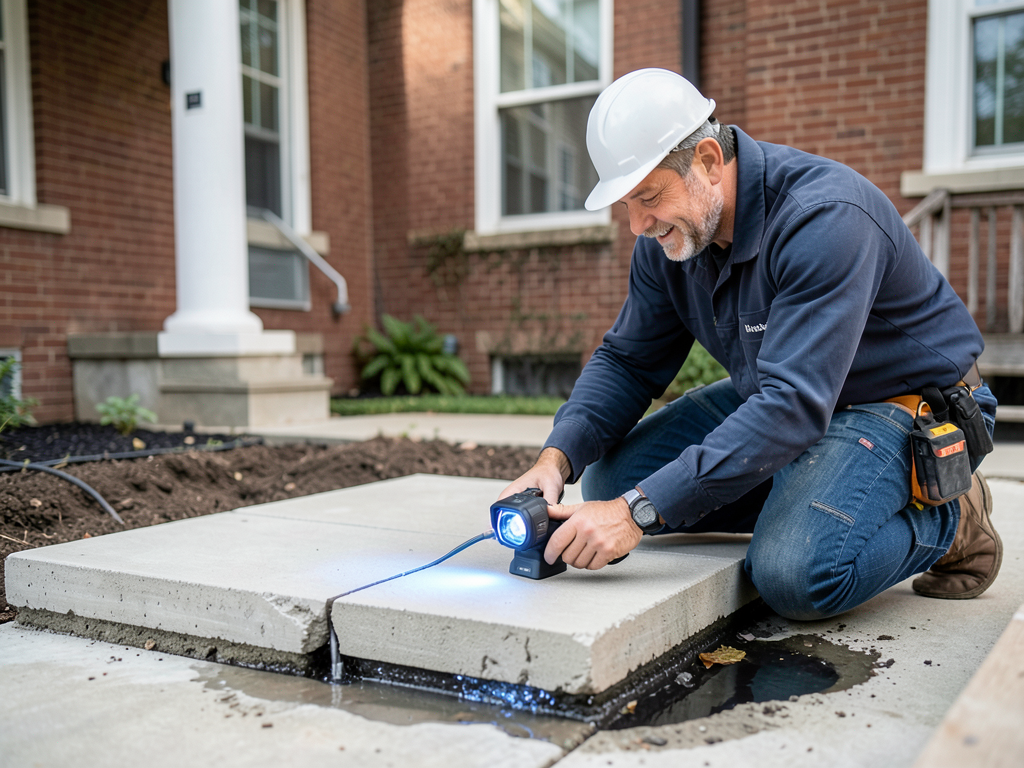
Next, technicians employ acoustic listening devices to detect the sound of water escaping from pressurized pipes. These ultra-sensitive microphones can pinpoint leaks through concrete slabs. For more precise location, plumbers use electronic leak detection equipment that sends signals through the ground to identify the exact position of damaged pipes. Water Heater Maintenance Tips.
Hydrostatic testing represents another critical diagnostic tool. This process involves isolating sections of your plumbing and pressurizing them with water or air to identify pressure drops that indicate leaks. The City of Austin Plumbing Code (Section 604.5) requires hydrostatic testing for all new installations and major repairs, ensuring repairs meet current safety standards.. Read more about How to Locate and Test Your Main Water Shutoff Valve Before a Pipe Bursts.
Thermal imaging cameras round out the diagnostic toolkit. These devices detect temperature variations caused by leaking hot water lines beneath concrete slabs. In Clarksville homes, where many have radiant heating systems or hot water recirculation, thermal imaging can quickly identify problem areas without invasive exploration.
Repair Methods: Tunnelling vs. Slab Penetration
When foundation-related plumbing breaks occur, homeowners face a critical decision: tunnel under the slab or penetrate through it. Each method has distinct advantages depending on your specific situation.. Read more about Plumbing Tips for Building a Multi Unit Lot Under the New Austin Home Rules.
Tunnelling involves digging a pathway beneath your home’s foundation to access and repair damaged pipes. This method preserves your interior flooring and avoids the dust and disruption of breaking through concrete. For Clarksville’s historic homes with original hardwood floors or custom tile work, tunnelling often represents the best option for preserving architectural integrity.
Slab penetration involves breaking through the concrete foundation to access pipes directly. While more invasive, this method can be faster and less expensive for accessible locations. The Texas State Board of Plumbing Examiners requires that any slab penetration be performed by licensed professionals who understand structural implications and proper re-pouring techniques.. Read more about Fixing Common Plumbing Problems in Older Zilker Area Pier and Beam Homes.
Modern repair methods increasingly favor pipe replacement over patching. PEX (cross-linked polyethylene) piping has become the standard for re-piping jobs in Austin. This flexible material resists corrosion, handles soil movement better than rigid pipes, and comes with warranties of 25+ years. The International Association of Plumbing and Mechanical Officials (IAPMO) has certified PEX for use in all residential applications. International Association of Plumbing and Mechanical Officials.
Cost considerations vary significantly between methods. Tunnelling typically ranges from $150-200 per linear foot of pipe replaced, while slab penetration can cost $75-125 per linear foot. However, tunnelling avoids the cost of replacing flooring, which in Clarksville’s older homes can exceed $10-15 per square foot for authentic materials.
Working with Foundation Repair Companies
Foundation plumbing breaks often require coordination between plumbers and foundation specialists. When soil movement has caused significant foundation shifting, addressing only the plumbing without stabilizing the foundation leads to repeated failures.
Foundation repair companies use hydraulic jacks to lift and level concrete slabs, then install steel piers or drilled concrete piers to support the structure. The Plumbing Foundation Repair Association recommends completing plumbing repairs after foundation work but before final grading and landscaping. This sequence prevents new pipes from being damaged during foundation stabilization.
In Clarksville, where many homes sit on crawl spaces or pier-and-beam foundations rather than full slabs, the repair approach differs. These structures allow easier access to plumbing but may require additional support during repairs. The Austin Building Inspection Division requires permits for any work that affects structural elements, including foundation repairs that involve plumbing modifications.
Insurance considerations also come into play. Most homeowner policies cover sudden plumbing breaks but exclude damage from soil movement or foundation settling. However, if a plumbing break causes subsequent foundation damage, coverage may apply to the foundation repairs. Always document the sequence of damage with photos and professional assessments.
Preventing Future Foundation Plumbing Issues
Prevention starts with understanding your home’s specific vulnerabilities. Clarksville homes built between 1940-1970 face the highest risk due to their combination of age, original materials, and soil conditions. Homes in the area around Mary Street and West Lynn have shown particularly high failure rates in recent years.
Regular plumbing inspections can identify developing problems before they cause major damage. A comprehensive inspection includes checking water pressure (which should remain between 40-80 PSI according to the Uniform Plumbing Code), examining exposed pipes for corrosion, and testing for slow leaks using moisture meters.
Soil moisture management plays a crucial role in prevention. The Austin Area Garden Council recommends maintaining consistent soil moisture levels within 5-10 feet of your foundation. This means watering during drought periods and ensuring proper drainage during rainy seasons. French drains or surface grading can redirect water away from your foundation, reducing soil expansion and contraction cycles.
Water softener installation can extend the life of your plumbing system, especially in areas with hard water like Austin. The Edwards Aquifer, which supplies much of Austin’s water, contains high levels of calcium and magnesium that accelerate pipe corrosion. Softened water reduces mineral buildup and corrosion, potentially adding years to your plumbing system’s lifespan.
Consider upgrading vulnerable sections of your plumbing system before failures occur. Many Clarksville homeowners are proactively replacing the first 10-15 feet of supply lines where they enter the foundation, as this area experiences the most stress from soil movement and temperature changes.
The Cost of Inaction: Why Timing Matters
Delaying repairs on foundation-related plumbing breaks almost always increases the total cost. A small leak that might cost $1,500-2,500 to repair can cause $10,000-15,000 in water damage if left unaddressed for months. The longer water flows beneath your slab, the more it undermines soil stability and creates conditions for mold growth.
Mold represents a particularly serious concern in Austin’s humid climate. The EPA reports that mold can begin growing within 24-48 hours of water exposure. In crawl spaces and wall cavities, mold often goes undetected until it causes health problems or becomes visible on interior surfaces. Professional mold remediation can cost $5-10 per square foot, making prevention far more economical.
Foundation damage compounds over time as water erodes soil beneath concrete slabs. What begins as a minor void can develop into a sinkhole that threatens the structural integrity of your entire home. Foundation stabilization, if needed, can cost $5,000-15,000 or more, depending on the extent of damage and repair method required.
Property values also suffer when foundation and plumbing issues go unaddressed. Real estate professionals estimate that visible foundation problems can reduce a home’s value by 10-15%, while hidden issues discovered during inspections can derail sales entirely. In Clarksville’s competitive market, where historic character commands premium prices, maintaining structural integrity protects your investment.
Choosing the Right Plumbing Professional
Not all plumbers have experience with foundation-related repairs in historic Austin homes. Look for professionals who hold current Texas State Board of Plumbing Examiners licenses and carry liability insurance specifically covering foundation work. Ask about their experience with homes in the 78703 area and request references from similar projects.
Modern diagnostic equipment makes a significant difference in both accuracy and cost. Plumbers using acoustic listening devices, electronic leak detectors, and thermal imaging can often locate problems within inches, reducing exploratory demolition. This precision becomes especially valuable in Clarksville’s older homes where matching original materials for repairs can be challenging and expensive.
Permitting requirements vary by project scope. The City of Austin requires permits for most plumbing work that affects the main water supply or involves new installations. A reputable plumber will handle permitting and ensure all work meets current code requirements, which have evolved significantly since many Clarksville homes were built.
Emergency response capability matters when foundation plumbing breaks occur. Since these issues often happen at night or on weekends, choose a plumber who offers 24/7 emergency service. Quick response can mean the difference between a simple repair and extensive water damage, especially in Austin’s warm climate where mold develops rapidly.
Finally, consider plumbers who offer comprehensive warranties on their work. Quality repairs of foundation-related plumbing breaks should include warranties of at least one year on labor and matching manufacturer warranties on materials. This protection ensures you won’t face additional costs if problems recur due to installation issues.
Frequently Asked Questions
How can I tell if my Clarksville home has foundation plumbing issues?
Look for warm spots on floors, unexpected increases in water bills, cracks in walls near doors or windows, and doors that suddenly stick. These symptoms often indicate plumbing breaks beneath the slab that require professional diagnosis.
Are foundation plumbing repairs covered by insurance?
Most homeowner policies cover sudden, accidental plumbing breaks but exclude damage from soil movement or foundation settling. However, if a plumbing break causes subsequent foundation damage, that portion may be covered. Always check with your insurance provider about specific coverage details.
How long does a typical foundation plumbing repair take?
Simple repairs might take 1-2 days, while complex tunnel repairs or full re-piping projects can require 3-5 days. Your plumber should provide a detailed timeline after completing diagnostic work and before beginning repairs.
Protect Your Clarksville Home Before Disaster Strikes
Foundation-related plumbing breaks in older Clarksville homes represent a serious threat to both your property and your peace of mind. The combination of Austin’s expansive clay soil and aging infrastructure means these issues will only become more common as our historic homes continue to age.
Don’t wait for water to flood your floors or for mold to appear on your walls. If you’ve noticed any warning signs or if your home is over 40 years old, schedule a comprehensive plumbing inspection today. Early detection can save you thousands in emergency repairs and protect your home’s value.
Call (737) 316-0588 to schedule your inspection with experienced professionals who understand the unique challenges of Clarksville’s historic homes. Our team uses advanced diagnostic equipment to locate problems quickly and provides clear, upfront pricing for all repairs. We’re available 24/7 for emergencies because we know that plumbing breaks don’t wait for business hours.
Pick up the phone and call (737) 316-0588 before the next soil expansion cycle puts your home at risk. Your Clarksville home deserves protection from professionals who understand both its history and its vulnerabilities.
You may also find this helpful. Preparing Your Pflugerville Home for the Next Central Texas Ice Storm (Beyond Just Wrapping Faucets).