Menu

Industrial Pipe Repair in Austin – Minimize Downtime and Protect Your Facility's Operations

All Pro Plumbing Austin delivers rapid industrial pipe repair for manufacturing plants, processing facilities, and commercial operations across the Austin metro, restoring system integrity while keeping your business running.

Slider Image 1
Slider Image 2
Slider Image 3
Slider Image 4
Slider Image 5
Slider Image 7
Slider Image 8
Slider Image 9
Slider Image 10
Slider Image 11

Why Austin's Industrial Facilities Face Unique Piping Challenges

Austin's rapid industrial growth and aggressive water chemistry create specific vulnerabilities in process piping systems. The Edwards Aquifer supplies highly mineralized water that accelerates corrosion in carbon steel and cast iron lines. This mineral load, combined with the region's dramatic temperature swings between 100-degree summers and occasional hard freezes, stresses pipe joints and creates microfractures in older systems.

Manufacturing facilities in areas like the Austin Business Park and Tesla's Giga Texas complex rely on continuous operation. A single pipeline failure in a cooling loop, wastewater system, or chemical transfer line translates to immediate production loss. The local clay soil also shifts during drought-to-flood cycles, placing shear stress on underground utility lines and causing premature joint failure.

Industrial pipe restoration requires understanding these regional factors. Generic repairs fail because they do not account for Austin's specific water composition or soil movement patterns. Proper industrial pipeline repair addresses both the immediate failure and the underlying cause, whether that involves material selection for corrosive environments, expansion compensation for temperature cycling, or joint reinforcement in shifting substrates.

Process piping repair in this market demands rapid response capability and minimal disruption to operations. Most facilities cannot afford extended shutdowns. The solution requires technicians who understand industrial piping repair services within the context of Austin's unique environmental stressors and can execute repairs during limited maintenance windows.

Why Austin's Industrial Facilities Face Unique Piping Challenges
How Professional Industrial Pipeline Repair Restores System Integrity

How Professional Industrial Pipeline Repair Restores System Integrity

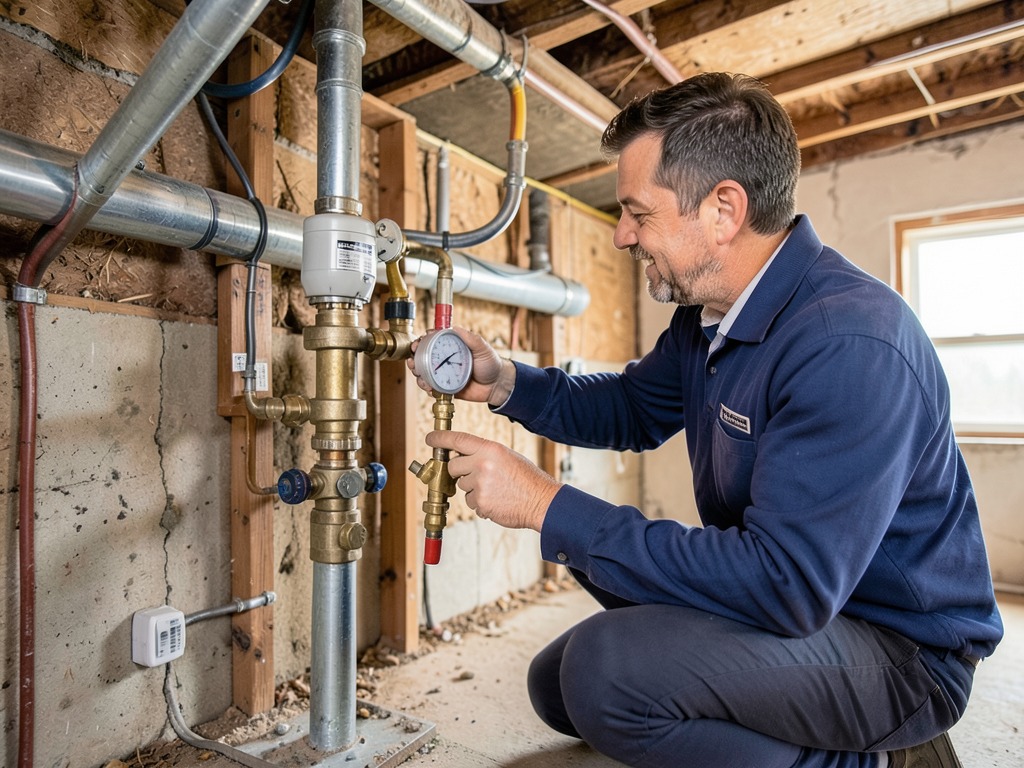
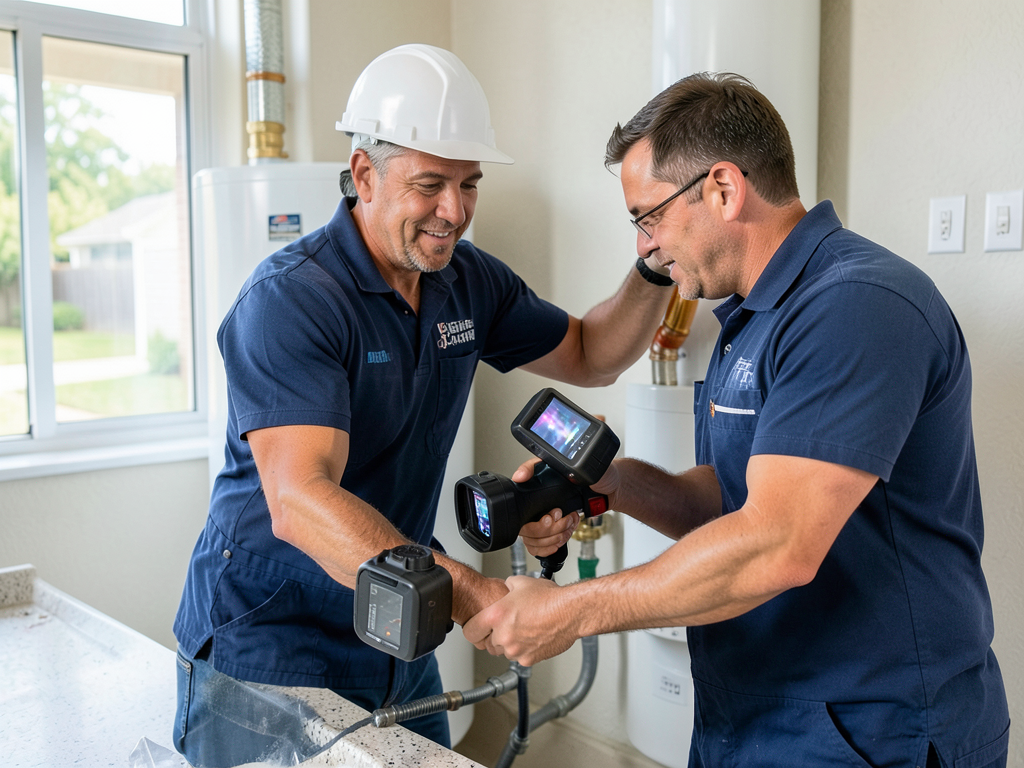
Industrial pipe rehabilitation starts with system diagnostics that identify failure modes, not just symptoms. We use ultrasonic thickness testing to map corrosion patterns, pressure testing to locate compromised joints, and flow analysis to detect restriction points. This data determines whether the failure stems from material degradation, installation defects, or operational stress.

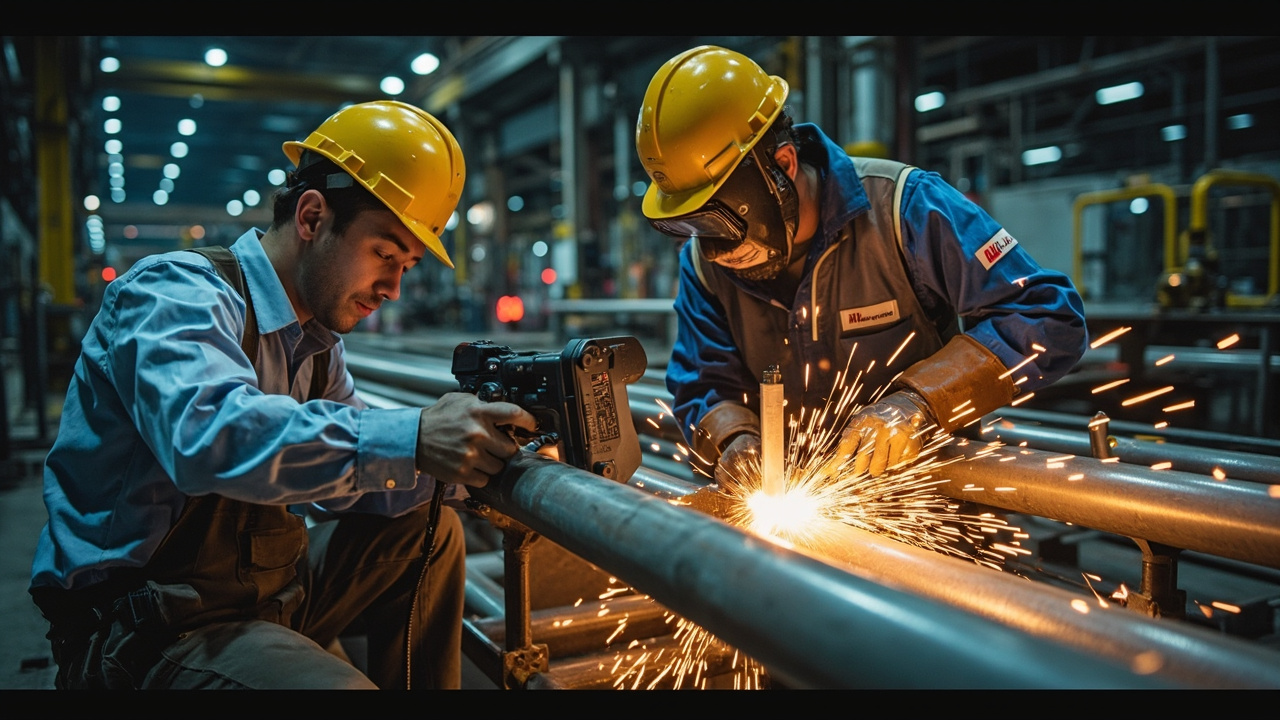
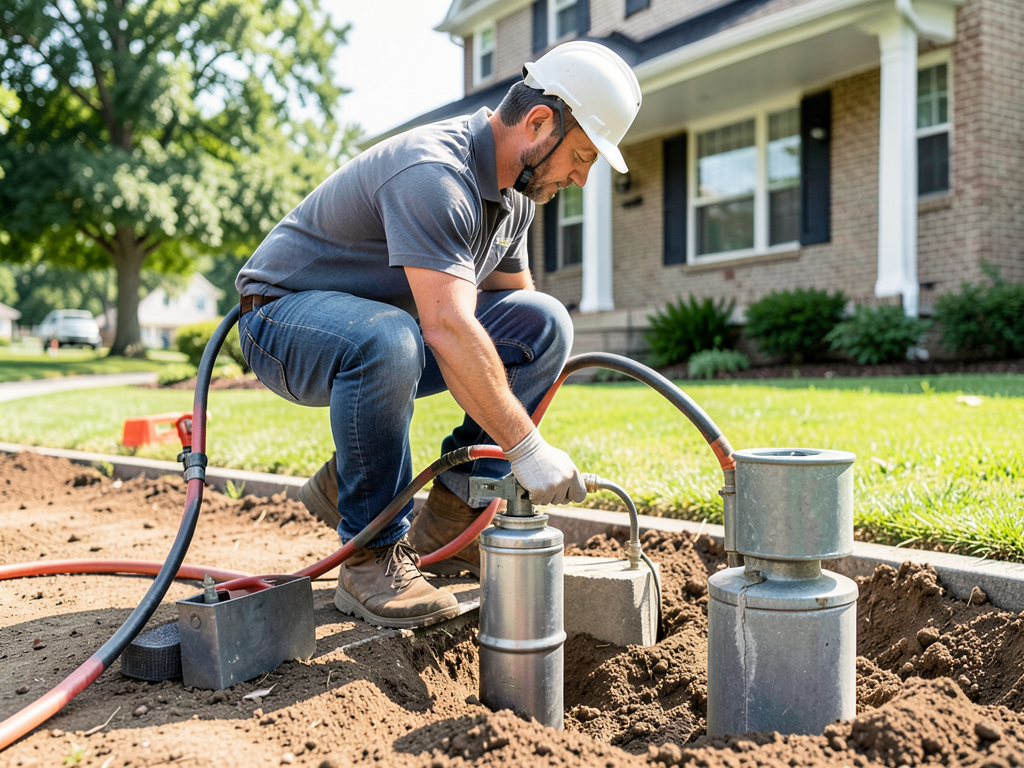
The repair methodology depends on pipe function and accessibility. For pressurized process lines, we often employ in-service welding techniques that allow repairs without complete system depressurization. This approach uses specialized welding procedures that prevent burn-through on active lines. For underground utility piping, we use trenchless repair methods that minimize excavation and restore service faster than traditional dig-and-replace approaches.

Material selection matters significantly in this climate. We specify corrosion-resistant alloys for chemical transfer lines, high-density polyethylene for aggressive soil conditions, and proper flange isolation systems to prevent galvanic corrosion in dissimilar metal joints. Each material choice addresses a specific failure mechanism common to Austin industrial facilities.

Industrial piping repair services also include system modifications that prevent recurrence. This might involve installing cathodic protection on buried steel lines, adding expansion loops to accommodate thermal cycling, or upgrading to lined pipe in corrosive applications. The goal extends beyond fixing the immediate problem to improving long-term reliability.

All Pro Plumbing Austin maintains relationships with local suppliers who stock industrial-grade materials, enabling same-day procurement of specialty fittings, flanges, and pipe sections. This supply chain advantage cuts repair timelines from days to hours in critical situations.

Our Industrial Pipe Repair Workflow for Austin Facilities

Industrial Pipe Repair in Austin – Minimize Downtime and Protect Your Facility's Operations
01

Emergency Assessment and Containment

We dispatch technicians within two hours of your call to assess the failure and implement temporary containment measures. This includes isolating the affected section, stopping active leaks with emergency clamps or plugs, and establishing bypass lines if required to maintain partial operations. Our team documents the failure mode, surrounding system conditions, and environmental factors that contributed to the breakdown.
02

Repair Execution and Testing

We execute repairs using industry-standard procedures that meet ASME B31.3 process piping codes. This includes proper joint preparation, qualified welding procedures, and material traceability documentation. For facilities with quality management systems, we provide complete weld maps, radiographic testing results, and material certifications. Each repair undergoes hydrostatic or pneumatic testing before returning to service, confirming the system can handle design pressures.
03

System Restoration and Documentation

We provide comprehensive documentation including repair procedures, test results, and recommendations for preventing similar failures. This documentation supports your facility's maintenance records and regulatory compliance requirements. For insurance claims or liability documentation, we include photographic evidence of the failure mechanism and repair process. We also schedule follow-up inspections at 30 and 90 days to verify repair integrity under normal operating conditions.

Why Austin Industrial Facilities Trust All Pro Plumbing Austin

Industrial pipe repair requires more than plumbing skills. It requires understanding the specific demands of manufacturing operations, regulatory compliance, and business continuity. All Pro Plumbing Austin brings this expertise to facilities across Travis and Williamson counties.

We understand Austin's industrial landscape. We have worked in semiconductor fabrication plants where ultrapure water systems demand contamination-free repairs, food processing facilities where sanitary welding procedures prevent product contamination, and chemical plants where material compatibility determines system longevity. This experience translates to faster problem diagnosis and more reliable solutions.

Our technicians hold certifications in specialized welding procedures, including TIG welding of stainless steel process piping and approved repair procedures for pressure vessels. This qualification level matters when repairs must meet inspector approval or insurance requirements. We maintain relationships with local third-party inspection firms, expediting the approval process for repairs that require certification.

Response time drives our operational model. We maintain a mobile inventory of common industrial fittings, flanges, gaskets, and repair materials. This eliminates the delays that occur when specialized components must be ordered. For facilities operating under just-in-time production schedules, these hours matter significantly.

We also understand the regulatory environment. Austin facilities must comply with TCEQ environmental regulations, particularly regarding wastewater discharge and stormwater management. Our repairs include proper containment of process fluids and documentation of any releases, helping you maintain compliance during emergency situations.

Local knowledge extends to understanding which suppliers stock specialty materials and which fabrication shops can produce custom components on short notice. These relationships become critical during complex repairs that require non-standard solutions.

What Your Facility Can Expect from Our Industrial Pipe Repair Service

Rapid Mobilization and Minimal Production Loss

We dispatch repair crews within two hours of your initial call. Our technicians arrive with diagnostic equipment and common repair materials to begin work immediately. For facilities requiring extended repairs, we establish temporary bypass systems or implement phased repair schedules that maintain partial production capability. Most single-point failures can be repaired within an eight-hour window, allowing you to resume operations the same day. For complex system rehabilitations requiring extended downtime, we coordinate with your production schedule to execute repairs during planned maintenance windows or slower production periods.

Comprehensive System Evaluation and Root Cause Analysis

Our assessment goes beyond the visible failure point. We inspect adjacent piping, test system pressures, analyze water chemistry if relevant, and review maintenance records to identify underlying causes. This analysis often reveals systemic issues like inadequate corrosion protection, improper support spacing, or thermal stress concentration. We provide a written report detailing our findings and recommendations for preventing future failures. This documentation helps you make informed decisions about whether to repair or replace aging systems. For facilities with capital planning requirements, we can provide cost-benefit analysis comparing repair options to full system replacement.

Quality Repairs That Meet Industrial Standards

Every repair meets or exceeds ASME B31.3 process piping standards. We use qualified welding procedures, maintain proper heat treatment protocols for stress relief, and provide complete material traceability. For pressure-retaining repairs, we conduct hydrostatic testing to 150 percent of design pressure. All work includes photographic documentation and detailed repair records suitable for regulatory inspections or insurance requirements. Our technicians understand the difference between utility piping and process piping, applying the appropriate codes and procedures to each application. You receive repairs that will pass third-party inspection without requiring rework.

Ongoing Support and Preventive Maintenance Planning

We schedule follow-up inspections at 30 and 90 days after major repairs to verify system performance under normal operating conditions. These inspections catch any secondary issues before they cause additional failures. For facilities managing aging infrastructure, we offer condition assessment services that prioritize repairs based on failure risk and operational impact. This allows you to budget maintenance expenditures strategically rather than reacting to emergency failures. We also provide training for your maintenance staff on early warning signs of pipe degradation, helping you catch problems before they cause production disruptions.

Frequently Asked Questions

You Have Questions,
We Have Answers

How much does it typically cost to fix a broken pipe? +

Industrial pipe repair costs depend on pipe material, diameter, access difficulty, and failure type. A minor leak on accessible carbon steel may cost less than repairing cast iron mains under concrete slabs. Austin's expansive clay soil increases repair complexity when ground shifting damages buried lines. Expect higher costs for emergency shutdowns that halt production or require confined space entry. Epoxy lining or CIPP offers cost-effective trenchless alternatives to full replacement. Code compliance and permit fees add to totals. Request a site assessment to evaluate pressure ratings, corrosion extent, and operational downtime before budgeting.

What is the best way to fix a leaking pipe? +

The best fix depends on pipe material, pressure rating, and leak severity. For industrial systems in Austin, temporary measures like pipe clamps or wrap kits stabilize the situation until proper repairs occur. Permanent solutions include welded patches for steel lines, epoxy composite wraps for non-critical applications, or sectional replacement. High-pressure steam or chemical lines require certified welding and metallurgical compatibility. Do not use hardware store sealants on process piping. Schedule inspections to identify root causes like corrosion, water hammer, or thermal expansion before leaks escalate into catastrophic failures that shut down operations.

How long does epoxy pipe repair last? +

Epoxy pipe linings typically last 20 to 50 years when properly installed in suitable conditions. Performance depends on pipe material, operating temperature, chemical exposure, and flow velocity. Austin's hard water reduces coating longevity in potable systems compared to process water lines. High-temperature steam lines or corrosive chemical transport shorten epoxy lifespan. Proper surface preparation and curing are critical. Epoxy works best for low-pressure water distribution and drain lines. For high-pressure industrial applications, consider metallurgically bonded liners or full pipe replacement. Regular ultrasonic testing monitors coating integrity and prevents unexpected failures.

How to fix a broken pipe without replacing it? +

Trenchless methods repair broken pipes without excavation. Cured-in-place pipe lining installs a resin-saturated liner inside damaged pipes, then cures to form a new structural pipe. Pipe bursting splits old pipe while pulling in replacement. Epoxy composite wraps bond to exterior surfaces, reinforcing cracked sections. Slip lining inserts smaller-diameter pipe inside existing lines. Austin's rocky caliche soil makes trenchless methods cost-effective compared to open-cut replacement. These techniques minimize downtime, preserve landscaping, and avoid costly concrete removal. Evaluate pipe condition with camera inspections to determine if trenchless repair provides adequate structural integrity for your operating pressures.

Is it cheaper to replace or repair pipes? +

Repair costs less for localized damage on accessible pipes in good overall condition. Replacement makes financial sense when corrosion is widespread, pipes exceed service life, or recurring failures disrupt operations. Austin's aggressive soil chemistry accelerates corrosion in buried steel and cast iron, often justifying proactive replacement. Calculate total cost of ownership including downtime, emergency callouts, and incremental repairs. If your system requires repairs more than twice yearly, replacement delivers better ROI. Modern materials like HDPE or stainless steel reduce maintenance costs long-term. Conduct a condition assessment to compare repair viability against replacement benefits for your specific facility.

Can a handyman fix a broken pipe? +

No. Industrial pipe repair requires licensed plumbers with specific trade certifications. Handymen lack training in pressure testing, code compliance, and metallurgical compatibility. Austin enforces strict plumbing codes for commercial and industrial facilities. Improper repairs create liability exposure, void insurance coverage, and risk catastrophic failures. Industrial systems involve high pressures, hazardous materials, and complex piping networks that demand expertise in welding qualifications, backflow prevention, and confined space protocols. Using unqualified contractors jeopardizes worker safety and regulatory compliance. Hire licensed commercial plumbers who understand industrial system requirements and carry adequate liability coverage for your facility.

What is the best sealant for pipe leaks? +

No universal sealant exists for all pipe leaks. Thread sealants like PTFE tape or pipe dope work for threaded connections under 150 psi. Epoxy putties provide temporary fixes on non-pressurized drain lines. Industrial applications require engineered solutions matched to operating conditions. High-pressure steam demands gasket materials rated for temperature and pressure. Chemical lines need chemically resistant elastomers. Austin's commercial facilities must meet code requirements that prohibit most retail sealants on potable water or process piping. Consult material compatibility charts and pressure ratings before applying any sealant. Professional assessment identifies appropriate repair methods that maintain system integrity and compliance.

Does flex seal really stop water leaks? +

Flex Seal and similar rubber coatings are not code-approved for industrial plumbing systems. These products lack pressure ratings, temperature tolerance, and chemical resistance required for commercial facilities. Austin building codes prohibit unapproved sealants on potable water, process piping, and pressurized systems. Flex Seal may temporarily stop minor weeps on non-critical applications like condensate drains, but fails under pressure cycling, thermal expansion, and chemical exposure. Using non-compliant materials creates liability issues and voids warranties. Industrial pipe repairs require engineered solutions with documented performance specifications. Temporary fixes delay proper repairs and increase total failure costs when makeshift patches fail during production runs.

What can I put around a pipe to stop it from leaking? +

Pipe repair clamps, epoxy composite wraps, or rubber coupling sleeves provide temporary leak control. Select products rated for your pipe diameter, material, and operating pressure. Stainless steel repair clamps with rubber gaskets stop leaks on water lines up to 150 psi. Epoxy-impregnated fiberglass wraps bond to clean, dry surfaces and cure to structural strength. Fernco couplings join dissimilar pipe materials or repair cracked sections. Austin facilities must ensure temporary fixes do not violate code or create safety hazards. Document all temporary repairs and schedule permanent fixes promptly. Leaking pipes indicate underlying problems like corrosion or water hammer that temporary patches do not address.

What is 20 times stronger than epoxy? +

This claim references specific adhesive products marketed as superior to standard epoxy formulations. Strength comparisons are meaningless without context. Tensile strength, shear strength, and bond strength differ across applications. Industrial pipe repair demands materials engineered for specific conditions, not generic strength claims. Metallurgically bonded composite wraps, structural acrylics, or certified weld procedures outperform retail adhesives. Austin's commercial facilities require code-compliant repairs with documented specifications and pressure ratings. Focus on application-appropriate solutions rather than marketing hyperbole. Consult engineering specifications and manufacturer technical data sheets to select repair materials that meet your system requirements and provide verifiable long-term performance under operating conditions.

How Austin's Water Chemistry Accelerates Industrial Pipe Degradation

Water from the Edwards Aquifer contains elevated levels of calcium carbonate, sulfates, and chlorides that accelerate corrosion in carbon steel piping. This mineral load creates scale buildup in heat exchangers and cooling systems while simultaneously promoting pitting corrosion in ferrous metals. Industrial facilities processing this water in boilers, cooling towers, or wash systems see accelerated pipe wall thinning compared to facilities in soft water regions. The same chemistry that makes Austin water hard also makes it aggressive toward unprotected metal surfaces. Industrial pipe rehabilitation in this environment requires addressing both the mechanical failure and the water chemistry that caused it.

All Pro Plumbing Austin understands how local conditions affect industrial piping systems. We work with facilities throughout the Austin metro area and have seen how regional factors create specific failure patterns. This local expertise translates to faster diagnosis and more effective repairs. We know which pipe materials perform well in Austin conditions and which fail prematurely. We understand local building codes, inspection requirements, and supplier networks. When you call us for process piping repair, you get technicians who have solved similar problems in similar facilities under similar conditions. That familiarity reduces your downtime and improves repair longevity.
Plumbing Services in The Austin Area

While we proudly serve the entire Austin area, you can easily locate our central operations or explore our service coverage on the map below. We are committed to reaching you promptly, wherever you are within our service region, ensuring timely and efficient plumbing solutions for both residential and commercial clients. Feel free to zoom in and out to visualize our extensive service areas and discover how close professional plumbing assistance truly is.

Address:
All Pro Plumbing Austin, 3800 North Lamar Boulevard Lamar Central, Austin, TX, 78756

Additional Services We Offer

Our news updates

Latest Articles & News from The Blogs

Planning the Plumbing for a New Master Suite Addition in Govalle Adding a master suite to your Govalle home requires…

Planning the Plumbing for a New Master Suite Addition in Govalle

Planning the Plumbing for a New Master Suite Addition in Govalle Adding a master suite to your Govalle home requires…

How to Stop That Loud Thumping Noise in Your St Edwards Home (Water Hammer Explained)

How to Stop That Loud Thumping Noise in Your St Edwards Home (Water Hammer Explained) Does your plumbing sound like…

Why Your Copperfield Yard Smells Like Sewage and What to Do About It

Why Your Copperfield Yard Smells Like Sewage and What to Do About It Your Copperfield yard should smell like fresh…

Contact Us

Production delays cost money every minute. Call All Pro Plumbing Austin now at (737) 316-0588 for immediate dispatch. We provide emergency industrial pipe repair 24 hours a day, seven days a week, to facilities across the Austin metro area.