Menu

Understanding Backflow Testing in Austin – Comprehensive Resource Guide to Keep Your Water Safe and Compliant

Learn everything you need to know about backflow prevention assembly testing, certification requirements, and why proper backflow preventer inspection protects Austin's drinking water supply from contamination.

Slider Image 1
Slider Image 2
Slider Image 3
Slider Image 4
Slider Image 5
Slider Image 7
Slider Image 8
Slider Image 9
Slider Image 10
Slider Image 11

Why Backflow Testing Matters in Austin's Water System

Austin Water requires annual backflow certification for thousands of residential and commercial properties across the city. This is not bureaucratic red tape. Backflow occurs when water flows backward through your plumbing system, potentially pulling contaminated water back into the municipal supply. In a city where lawn irrigation systems, fire sprinkler systems, and commercial kitchen equipment are common, the risk is real.

Austin's water infrastructure serves over a million people who depend on Edwards Aquifer and Lake Travis for clean drinking water. One contaminated backflow event can compromise an entire neighborhood's water safety. Water backflow testing requirements exist because cross-connections between potable water and non-potable sources happen more often than most property owners realize.

You have a backflow prevention device installed somewhere on your property if you have an irrigation system, a boiler, or certain commercial equipment. These devices protect the public water supply by stopping reverse flow. But mechanical components wear out. Springs weaken. Seals degrade. Check valves stick.

That is why backflow device testing procedures require annual verification. The test confirms your backflow preventer still creates the necessary pressure differential to stop contaminated water from reversing course. Austin Water tracks compliance closely. Miss your annual backflow certification deadline, and you face service interruption notices and potential fines.

Understanding backflow testing starts with knowing what devices you have, when they need testing, and how the backflow prevention assembly testing process protects both your property and your community.

Why Backflow Testing Matters in Austin's Water System
How Backflow Prevention Assembly Testing Actually Works

How Backflow Prevention Assembly Testing Actually Works

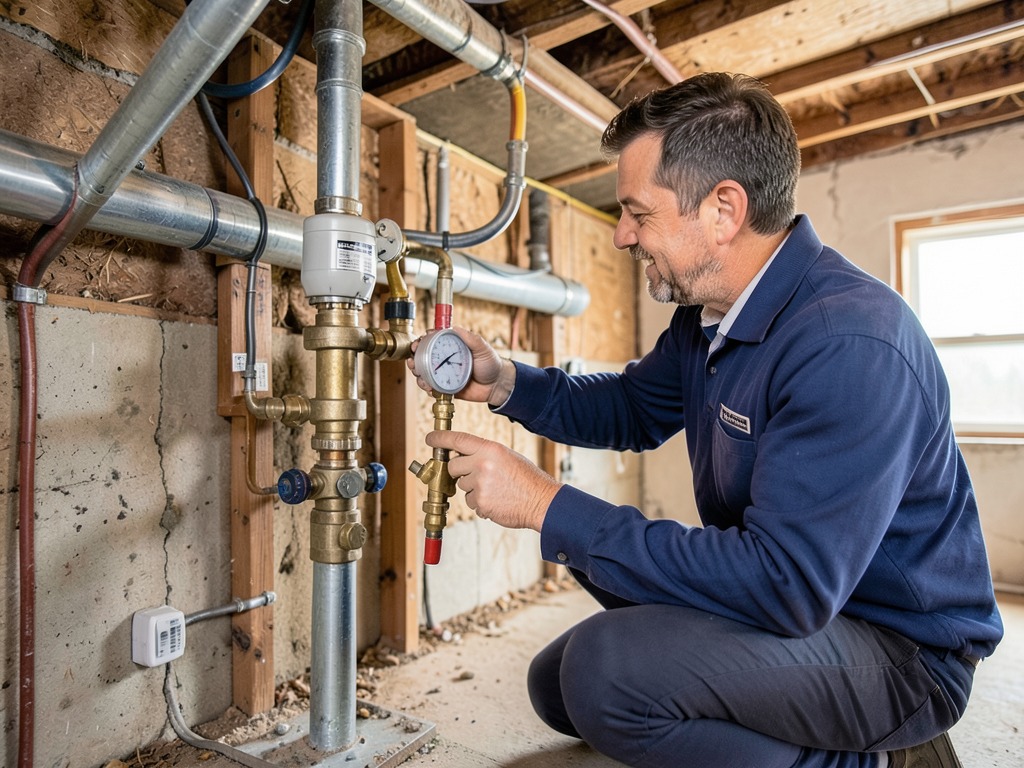
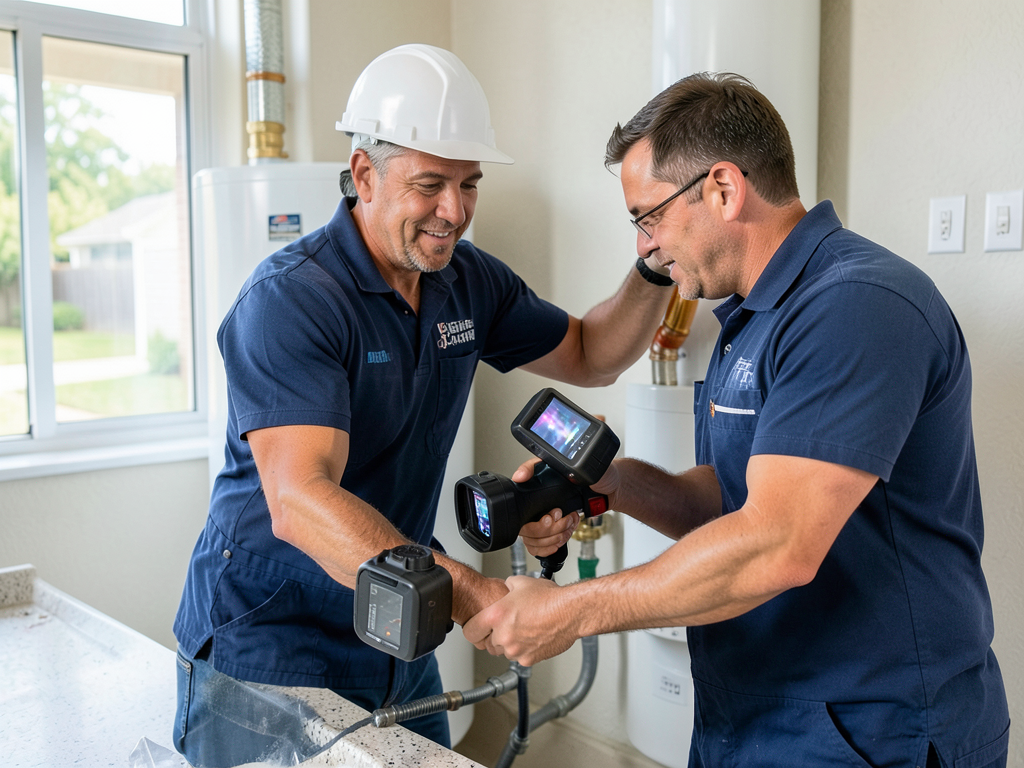
Backflow preventer inspection is not a visual check. It requires specialized test equipment and certification. The technician connects a differential pressure gauge assembly to your backflow device's test ports. This gauge measures pressure at specific points within the valve assembly to verify the device maintains the required pressure zones.

There are different backflow device types, and each requires specific testing procedures. Reduced pressure zone assemblies, the most common type for residential irrigation in Austin, must maintain at least a 2 psi differential between the first and second check valve. Double check valve assemblies have different tolerances. Pressure vacuum breakers require spring tension verification.

During backflow prevention assembly testing, the technician closes downstream shutoff valves and measures pressure drops across check valves, relief valve opening points, and air inlet valve operation. If any component fails to meet specifications listed in the University of Southern California Foundation for Cross-Connection Control and Hydraulic Research manual, the device requires repair or replacement before it passes.

The technician records all pressure readings on an official backflow test report form. This form includes your device's serial number, location, type, and whether it passed or failed. Passing results get submitted directly to Austin Water's cross-connection control program database. You receive a copy for your records.

Failed devices must be repaired and retested within a specified timeframe. The retesting uses the same backflow device testing procedures. All test kit gauges must carry current calibration certificates. This calibration requirement prevents false readings that could allow malfunctioning devices to remain in service.

What Happens During Your Backflow Testing Appointment

Understanding Backflow Testing in Austin – Comprehensive Resource Guide to Keep Your Water Safe and Compliant
01

Device Location and Preparation

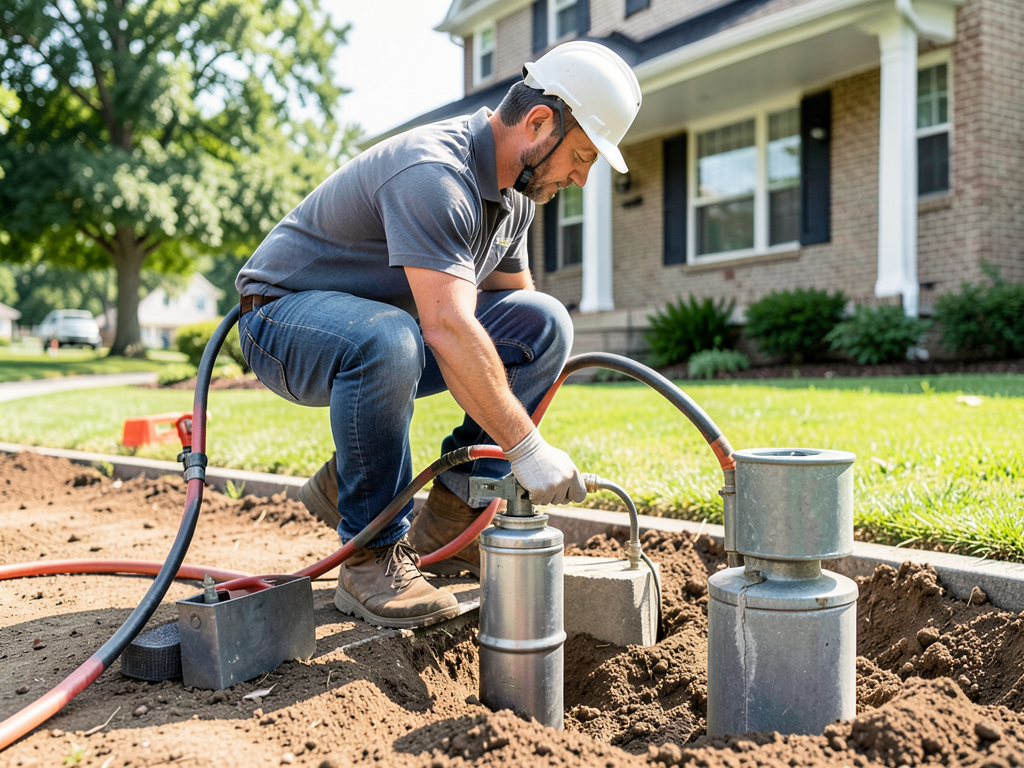
The certified tester locates your backflow prevention assembly, typically installed above ground near your water meter or irrigation system connection. They verify the device type matches Austin Water's records, check for visible damage or leaks, and ensure test ports are accessible. The tester confirms the device serial number and reviews previous test history before beginning the pressure differential measurements.
02

Pressure Differential Testing

Using calibrated test gauges, the technician measures pressure at multiple test ports while manipulating shutoff valves in a specific sequence. They record differential pressures across check valves, verify relief valve opening points, and test air inlet operation if applicable. Each measurement must fall within manufacturer specifications. The entire test takes 15 to 30 minutes depending on device complexity and whether repairs are needed.
03

Compliance Reporting and Documentation

The tester completes an official test report documenting all pressure readings and pass or fail status. Passing reports are electronically submitted to Austin Water within 10 days, updating your compliance status in the city database. You receive a copy of the completed form showing your next annual backflow certification due date. Failed devices receive repair recommendations and retesting scheduling to maintain water service continuity.

Why Local Expertise Matters for Austin Backflow Testing

Austin Water's cross-connection control program has specific requirements that differ from other Texas cities. The annual backflow certification window, notification procedures, and acceptable device types are unique to our jurisdiction. Choosing a tester who regularly works with Austin Water's database system prevents compliance gaps that could interrupt your water service.

All Pro Plumbing Austin maintains direct electronic filing access with Austin Water's backflow testing portal. We know which device models Austin Water accepts for new installations, how to navigate variance requests for unusual configurations, and the exact turnaround times for report processing. This local knowledge prevents administrative delays that out-of-area testing companies often create.

Our technicians carry Texas Commission on Environmental Quality backflow prevention assembly tester certification, the credential Austin Water requires. We maintain calibrated test equipment with current certification traceable to National Institute of Standards and Technology standards. Every gauge in our test kit undergoes annual calibration verification, and we keep calibration certificates on file for audit purposes.

The Austin area's hard water, which averages 184 parts per million total hardness from the Edwards Aquifer, accelerates mineral buildup inside backflow prevention devices. We see scale accumulation on check valve seats and relief valve springs that reduces device lifespan compared to softer water regions. Our testing includes visual inspection for these local water quality issues that affect device performance.

We also understand Austin's landscaping patterns. The prevalence of St. Augustine grass lawns requiring frequent irrigation means most residential properties have pressure vacuum breaker or reduced pressure zone devices. We know the common installation mistakes contractors make and can spot cross-connection hazards during routine backflow preventer inspection visits.

What to Expect from Your Backflow Testing Service

Scheduling Flexibility and Testing Timeline

Annual backflow certification deadlines in Austin are based on your device registration date, not a calendar year. Most residential properties receive testing notices 60 days before their due date. We schedule appointments within one to two weeks of your call, with same-week availability for properties facing imminent deadline pressure. The actual testing visit takes 20 to 45 minutes depending on how many devices you have and whether any require adjustment. Commercial properties with multiple backflow prevention assemblies may need extended appointment windows. We submit passing test reports to Austin Water within three business days, though the city allows up to 10 days for electronic filing.

Initial Assessment and Device Evaluation

Before beginning backflow device testing procedures, we verify your device type matches what Austin Water has on record. Discrepancies require correction before testing. We check for obvious problems like missing test port caps, visible corrosion, or improper installation height that could affect test accuracy. If your backflow preventer shows signs of freeze damage, a common issue during Austin's occasional hard freezes, we note this before testing. The pre-test evaluation identifies issues that might cause test failure, giving you advance notice of potential repair needs. We also confirm the device is the correct type for your application, because incorrect device selection is a violation even if the device tests properly.

Test Results and Compliance Status

You receive immediate notification whether your device passed or failed. Passing devices get a completed test form with all pressure readings documented and your next test due date clearly marked. We electronically file the results with Austin Water's database, and you can verify compliance status through the city's online portal within one week. Failed devices receive a detailed explanation of which component did not meet specifications and what repair or replacement is needed. We provide repair estimates on-site when possible. After repairs, we return for retesting at no additional testing fee, though repair parts and labor are separate charges. Your compliance clock stops once the initial test is filed, even if repairs are pending.

Ongoing Compliance and Maintenance Planning

We maintain testing records for all our clients and send annual reminders 45 days before your next backflow prevention assembly testing due date. This notification system prevents missed deadlines that trigger Austin Water's progressive enforcement process, which starts with warning letters and escalates to service interruption notices. Most backflow devices last 7 to 12 years before requiring replacement, depending on water quality and usage patterns. We track your device age and performance trends across annual tests to anticipate when replacement becomes more economical than repeated repairs. Commercial properties can establish service agreements for automatic annual scheduling, which guarantees priority appointment access and locks testing rates for multi-year terms.

Frequently Asked Questions

You Have Questions,
We Have Answers

How does backflow testing work? +

A certified backflow tester connects test gauges to designated test cocks on your backflow prevention device. The technician opens and closes specific valves in sequence, checking that water flows in only one direction. Pressure readings confirm that check valves and relief valves are functioning correctly. The test measures differential pressure to verify the device prevents contaminated water from reversing into Austin's public water supply. The entire process takes 15 to 30 minutes. You receive a written report documenting pass or fail status, which must be submitted to Austin Water for compliance.

Can I do backflow testing myself? +

No. Texas state law requires only certified backflow prevention assembly testers to conduct testing. You must complete specialized training and pass a state exam to earn certification. The test requires calibrated gauges and technical knowledge of hydraulic principles. Austin Water only accepts reports from licensed testers. Attempting DIY testing violates local ordinances and puts your property at risk of water shut-off. The annual test costs less than the potential fines or health risks from contaminated water. Always hire a certified professional to maintain compliance and protect Austin's water supply.

How to tell if a backflow is bad? +

Warning signs include visible leaks near the backflow device, water discoloration after irrigation cycles, or reduced water pressure. You might notice the relief valve constantly dripping or spraying water. Corrosion, rust, or mineral buildup on the brass body indicates internal damage. Unusual noises like hammering or whistling suggest valve failure. Austin's hard water accelerates wear on internal components. If your device is over ten years old, internal parts likely need replacement. Annual testing catches these issues before they cause complete failure. A failed test means immediate repair or replacement to restore protection.

Do all plumbers do backflow testing? +

No. Backflow testing requires state certification beyond standard plumbing licenses. Many plumbers focus on drain cleaning, water heaters, or fixture repairs without pursuing backflow certification. The specialized training covers hydraulics, cross-connection control, and device-specific testing procedures. Austin has strict requirements for certified testers who maintain calibrated equipment and carry liability insurance. When you need testing, verify the plumber holds current Texas backflow certification. Not all plumbing companies offer this service. Look for specialists who understand Austin Water's reporting requirements and can handle immediate repairs if your device fails testing.

How Austin's Water Source and Municipal Requirements Shape Backflow Testing Standards

Austin's drinking water comes primarily from surface water sources, the Colorado River system including Lake Travis and Lake Austin, with supplemental groundwater from the Edwards Aquifer during drought conditions. This dual-source system makes cross-connection control critical because contamination in one area can compromise multiple water sources. Austin Water operates one of Texas's most stringent backflow prevention programs, requiring annual backflow certification for any property with an irrigation system, fire suppression system, or commercial equipment that creates potential cross-connections. The city's rapid growth, adding roughly 150 people per day, increases the number of required backflow prevention assemblies annually. Understanding water backflow testing requirements specific to Austin prevents compliance problems that can result in mandatory water service disconnection until devices are tested and passing.

All Pro Plumbing Austin has worked exclusively in the greater Austin metro for years, building relationships with Austin Water's cross-connection control staff and staying current on local code amendments. We understand the city's enforcement priorities, which focus heavily on irrigation systems due to the high concentration of lawn care in residential neighborhoods from Zilker to Mueller. Our technicians know which backflow device models perform best in Austin's mineral-heavy water and which installation locations minimize freeze damage risk during the occasional winter cold snaps that drop temperatures below 20 degrees. This local knowledge translates to faster appointments, fewer compliance errors, and better long-term device performance compared to regional testing services unfamiliar with Austin's specific municipal requirements.
Plumbing Services in The Austin Area

While we proudly serve the entire Austin area, you can easily locate our central operations or explore our service coverage on the map below. We are committed to reaching you promptly, wherever you are within our service region, ensuring timely and efficient plumbing solutions for both residential and commercial clients. Feel free to zoom in and out to visualize our extensive service areas and discover how close professional plumbing assistance truly is.

Address:
All Pro Plumbing Austin, 3800 North Lamar Boulevard Lamar Central, Austin, TX, 78756

Additional Services We Offer

Our news updates

Latest Articles & News from The Blogs

Planning the Plumbing for a New Master Suite Addition in Govalle Adding a master suite to your Govalle home requires…

Planning the Plumbing for a New Master Suite Addition in Govalle

Planning the Plumbing for a New Master Suite Addition in Govalle Adding a master suite to your Govalle home requires…

How to Stop That Loud Thumping Noise in Your St Edwards Home (Water Hammer Explained)

How to Stop That Loud Thumping Noise in Your St Edwards Home (Water Hammer Explained) Does your plumbing sound like…

Why Your Copperfield Yard Smells Like Sewage and What to Do About It

Why Your Copperfield Yard Smells Like Sewage and What to Do About It Your Copperfield yard should smell like fresh…

Contact Us

Do not wait until Austin Water sends enforcement notices. Call All Pro Plumbing Austin at (737) 316-0588 to schedule your backflow prevention assembly testing. We file results electronically and keep you compliant with city requirements.