Menu

Gas Line Repair & Installation in Austin – Certified Technicians for Safe, Code-Compliant Natural Gas Systems

All Pro Plumbing Austin delivers professional gas pipe repair, new gas line installation, and leak detection services throughout the Austin metro, backed by licensed plumbers trained in Texas natural gas code compliance and safety protocols.

Slider Image 1
Slider Image 2
Slider Image 3
Slider Image 4
Slider Image 5
Slider Image 7
Slider Image 8
Slider Image 9
Slider Image 10
Slider Image 11

Why Austin Homes and Businesses Need Expert Gas Line Services

Natural gas powers water heaters, furnaces, ranges, and commercial equipment across Austin. When gas lines fail, the stakes are high. A damaged gas pipe can leak odorless combustible gas into your building, creating fire risk and health hazards.

Austin's expansive clay soil shifts with moisture changes. During drought cycles, the ground contracts. When rains return, it swells. This movement stresses rigid gas piping buried under slabs and in crawlspaces. Older galvanized steel pipes corrode from the inside out, especially in areas with high soil acidity. The result is pinhole leaks, fitting failures, and compromised joints that put your property at risk.

Many Austin properties built before 1990 still use outdated black iron pipe or galvanized steel for gas distribution. These materials degrade over time. Corrosion weakens connections at elbows and tees. Threads lose integrity. When you add new gas appliances or remodel, existing gas piping may not meet current load requirements or safety standards.

Commercial properties face additional challenges. Restaurants, laundromats, and manufacturing facilities rely on high-capacity gas lines. A gas leak in a commercial kitchen can shut down operations and trigger costly inspections. Gas line replacement and proper sizing ensure you meet Austin's commercial building codes and maintain continuous operation.

Whether you need gas leak repair, gas piping installation for a new outdoor grill, or complete gas line replacement for an aging system, the work demands precision. Poor installation or shortcuts create hazards that last for decades.

Why Austin Homes and Businesses Need Expert Gas Line Services
How We Handle Gas Pipe Repair and Installation

How We Handle Gas Pipe Repair and Installation

Gas work is not plumbing guesswork. We follow strict protocols that protect your property and comply with Texas Railroad Commission regulations and Austin Energy standards.

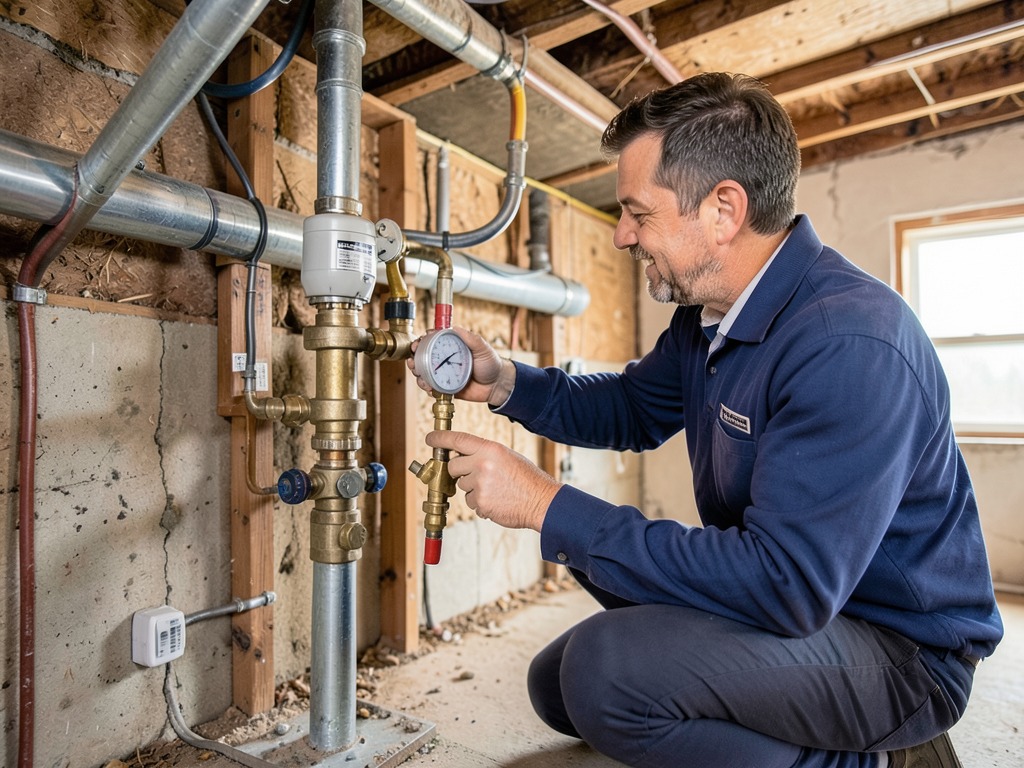
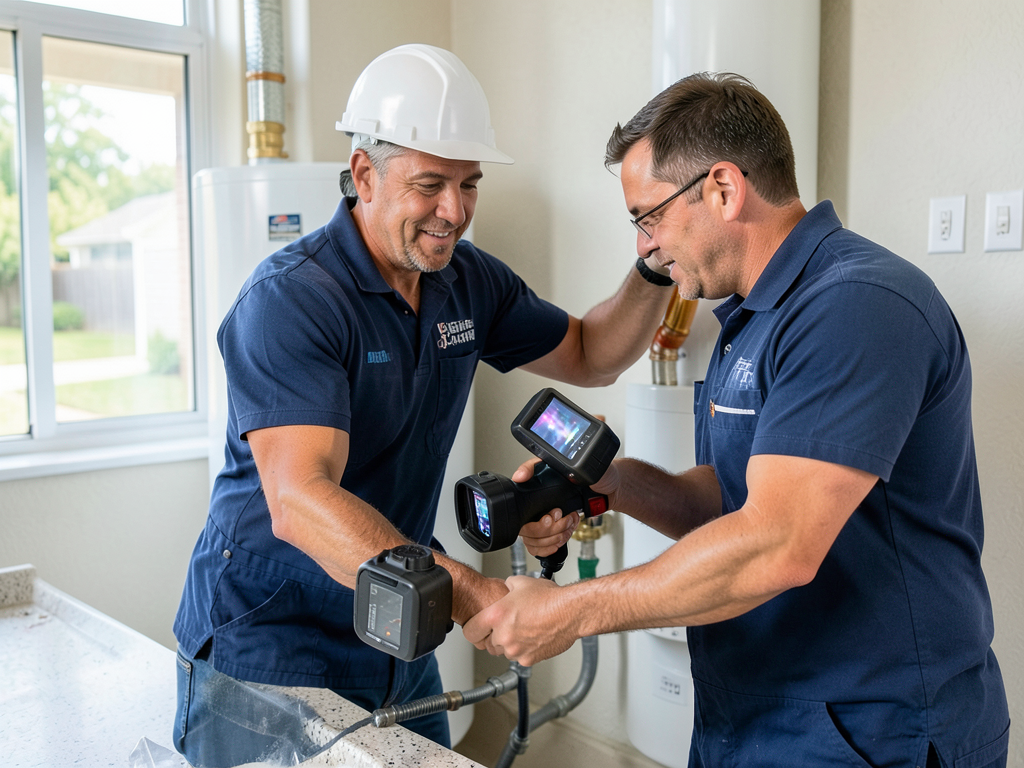
Every gas line service starts with a pressure test. We isolate sections of your gas piping system and pressurize them with air or nitrogen. A drop in pressure reveals leaks, even microscopic ones. We use electronic gas detectors and soap solution to pinpoint the exact location of escaping gas. This diagnostic step prevents misdiagnosis and unnecessary excavation.

For gas line replacement, we calculate your system's total BTU load. We measure the distance from the meter to each appliance. We account for the number of fittings and elbows, which create friction loss. This ensures the new gas pipe diameter delivers adequate pressure to every burner and pilot light, even when multiple appliances run simultaneously.

We use corrugated stainless steel tubing for most residential installations. CSST is flexible, corrosion-resistant, and faster to install than rigid black iron. It handles soil movement without joint failure. For commercial projects or exposed piping, we use schedule 40 black steel pipe with welded or threaded connections, depending on code requirements and system pressure.

All gas piping installations include proper bonding and grounding. CSST must be bonded to your electrical system to prevent arcing during lightning strikes. We install dielectric unions where gas pipe meets appliances to prevent galvanic corrosion. Every joint is tested. Every fitting is checked. Before we restore gas service, we verify zero leakage at all connections and perform a final combustion analysis on your appliances to confirm proper gas flow.

What Happens During Your Gas Line Service

Gas Line Repair & Installation in Austin – Certified Technicians for Safe, Code-Compliant Natural Gas Systems
01

System Inspection and Testing

We shut off your gas supply at the meter and conduct a full system pressure test to identify leaks or weak points. Using calibrated electronic detectors, we scan all accessible gas piping, fittings, and connections. This diagnostic phase reveals hidden problems in walls, attics, or buried lines before we begin any repair or installation work.
02

Repair or Installation Work

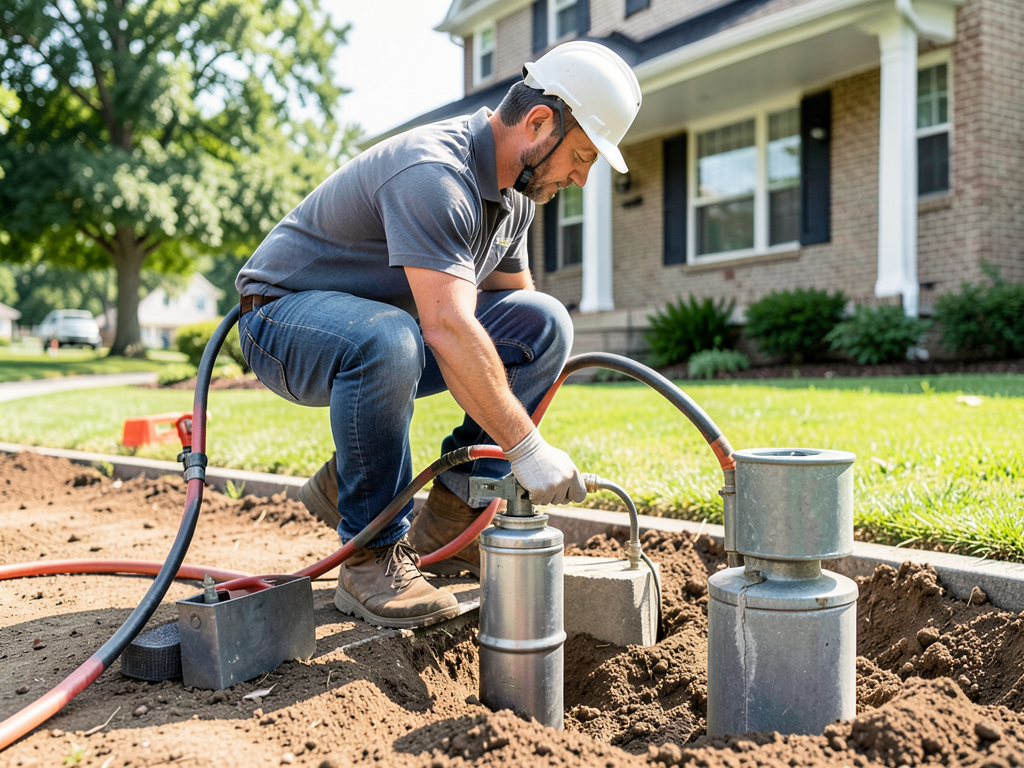
For repairs, we cut out damaged sections and install new gas pipe using approved materials and techniques. For new installations, we route CSST or black iron pipe according to your appliance layout, ensuring proper slope for condensate drainage and adequate support spacing. All connections are tightened to manufacturer torque specifications. We bond CSST to your electrical panel and label all shutoff valves clearly.
03

Final Testing and Documentation

Before restoring gas flow, we perform a final leak test on all new and existing connections. We light pilots, check burner flames for proper color and shape, and verify gas pressure at each appliance. You receive documentation of all work performed, including pressure test results and any code compliance certificates required by the City of Austin or your homeowner's insurance.

Why Austin Property Owners Trust All Pro Plumbing Austin

Gas line work in Austin requires more than basic plumbing knowledge. It demands familiarity with local building codes, soil conditions, and the specific challenges of Texas clay foundation movement.

Our plumbers understand Austin's regulatory environment. We pull permits when required, coordinate inspections with the City of Austin Building Inspection Department, and maintain documentation that satisfies insurance underwriters. For commercial projects, we navigate the additional layers of fire marshal review and health department standards that apply to restaurants, salons, and industrial facilities.

We know the neighborhoods where cast iron gas mains feed older distribution systems. We recognize the signs of soil subsidence in areas near Onion Creek and Williamson Creek, where expansive clay creates ongoing foundation stress. This local knowledge helps us recommend the right materials and installation methods for your specific location.

You will not get a one-size-fits-all solution from All Pro Plumbing Austin. A gas line replacement in a 1960s South Austin bungalow on a pier and beam foundation requires different planning than a new gas piping installation in a Northwest Austin commercial space with a concrete slab. We assess your building's unique characteristics and design systems that last.

Gas leaks do not wait for business hours. We respond quickly when you smell gas or your detector alarms. Our plumbers carry the diagnostic tools and materials needed to make safe, permanent repairs on the first visit. We do not patch problems temporarily. We fix them correctly so you do not face repeat failures six months later.

Choosing a qualified gas line plumber protects your investment and your safety. Improper gas piping installation voids appliance warranties, creates insurance liability, and puts occupants at risk. We do the work right the first time.

What to Expect From Our Gas Line Services

Response Time and Scheduling

Gas emergencies get priority response. If you have an active gas leak, we dispatch a technician immediately. For non-emergency gas piping installation or planned gas line replacement projects, we schedule at your convenience and provide accurate arrival windows. Most residential gas line repairs are completed in a single visit. Larger installations may require partial shutoff of gas service, which we coordinate to minimize disruption to your household or business operations.

Diagnostic Process and Transparency

Before we start work, you get a clear explanation of the problem and the recommended solution. We walk you through pressure test results and show you exactly where leaks or corrosion exist. For new installations, we discuss routing options, material choices, and any structural considerations that affect the project scope. You receive an upfront price quote that covers labor, materials, permits, and testing. No surprise charges appear later.

Quality of Completed Work

Every gas pipe repair and installation meets or exceeds code requirements. We use premium materials from manufacturers approved by the International Fuel Gas Code. Connections are clean, properly supported, and visually inspected before concealment. You receive gas piping that performs safely for decades, not temporary fixes that fail under pressure. All work passes final inspection on the first attempt because we follow the standards that inspectors enforce.

Ongoing Support and Service

After installation, we provide documentation of all work performed, including material specifications and test results. If questions arise about your new gas line or existing system, we are available to answer them. We recommend annual leak checks for older systems and can add your property to a preventive maintenance schedule. For commercial clients, we offer service agreements that include routine inspections and priority emergency response.

Frequently Asked Questions

You Have Questions,
We Have Answers

How much does it cost to have a gas line repaired? +

Gas line repair costs depend on the problem. A small leak fix might run less than a full line replacement. Factors include pipe material (black iron or CSST), accessibility, and whether you need permits. Austin's rocky soil and expansive clay can shift lines, causing leaks. Labor rates vary based on complexity and emergency timing. Always get a licensed plumber to assess the damage before starting work. Skipping inspection risks gas leaks or code violations. Repair costs less than replacement, but safety comes first.

Do plumbers or HVAC run gas lines? +

Both plumbers and HVAC techs can run gas lines in Austin, but plumbers typically handle most installations. Licensed plumbers have the training and permits to install, repair, and test gas piping systems. HVAC contractors often run gas lines specifically for furnaces, water heaters, or dryers when installing equipment. Texas requires specific certification for gas work. Always verify your contractor holds a Master Plumber license or appropriate gas fitter certification. Austin building codes require permits and inspections for new gas line installations, regardless of who does the work.

How much does it cost for gas installation? +

Gas installation costs vary based on distance, pipe material, and appliance type. Running a line from your meter to a new outdoor kitchen or pool heater costs more than connecting a dryer in the garage. Black iron pipe is durable but labor-intensive. CSST flexible pipe installs faster but has material costs. Austin's rocky terrain can increase trenching expenses. Permit fees add to the total. Licensed contractors quote based on linear footage, fittings, and testing requirements. Always factor in inspection fees before starting.

Can I install a gas line myself? +

No. Installing gas lines yourself is dangerous and illegal in Austin without proper licensing. Texas law requires a Master Plumber license or registered apprentice supervision for all gas pipe work. DIY gas installations risk leaks, explosions, fire, and carbon monoxide poisoning. You also void your homeowner's insurance if an unlicensed person installs gas piping. Austin building codes require permits and pressure testing by certified professionals. Even minor mistakes can have fatal consequences. Hire a licensed plumber who knows local code requirements.

Can a plumber fix a gas line? +

Yes. Licensed plumbers fix gas lines regularly in Austin. They locate leaks using pressure testing and electronic detectors, then repair or replace damaged sections. Plumbers handle everything from corroded black iron pipes to punctured CSST lines. Austin's shifting clay soil often causes pipe stress and joint failures. A Master Plumber will assess the damage, secure permits if needed, make repairs, and pressure test the system before restoring gas service. Never attempt gas line repairs yourself. Even small leaks are life-threatening.

Why is the gas line so expensive? +

Gas line installation costs reflect safety requirements and skilled labor. Licensed plumbers carry insurance, bonding, and certifications that protect you. Materials like black iron pipe and brass fittings are expensive but necessary for code compliance. Austin requires permits, inspections, and pressure testing for every gas line job. Trenching through rocky Central Texas soil adds labor costs. Gas work demands precision. One bad joint or fitting can cause leaks or explosions. You pay for expertise that keeps your family safe.

How much to charge to install a gas line? +

Licensed contractors charge based on pipe length, material type, and job complexity. Most quote per linear foot plus fittings, permits, and testing. Outdoor installations through Austin's rocky soil cost more than indoor runs through open walls. CSST flexible pipe installs faster but has higher material costs than black iron. Emergency work or weekend scheduling increases rates. Always get written estimates detailing materials, labor, permit fees, and inspection costs. Cheap quotes often mean unlicensed work or code shortcuts that endanger your home.

How long does it take to install a gas line? +

Installation time depends on distance and accessibility. Running a gas line 20 feet through an open basement takes a few hours. Trenching 50 feet through Austin's limestone caliche for an outdoor kitchen can take a full day. CSST flexible pipe installs faster than threading black iron. Permit approval and inspection scheduling add time. Most residential gas line jobs finish in one to two days. Complex commercial installations take longer. Weather delays can extend outdoor trenching projects. Your plumber will provide a timeline during the estimate.

What paperwork is needed for gas connection? +

Austin requires a building permit for new gas line installations or major modifications. Your licensed plumber typically pulls this permit. You need proof of homeownership and a site plan showing pipe routing. The City of Austin inspects rough-in work before covering pipes and performs final pressure testing. For new construction or meter relocations, Texas Gas Service requires a separate gas service application. Your contractor coordinates inspections and provides test reports. Keep all permit documentation for insurance purposes and future home sales.

Is it legal to run your own gas line? +

No. Texas law prohibits unlicensed individuals from installing gas lines. You must hold a Master Plumber license or work under direct supervision as a registered apprentice. Austin building codes require permits and inspections for all gas pipe work. Running your own gas line voids homeowner's insurance and creates liability if someone gets hurt. DIY gas work risks explosions, fire, and carbon monoxide poisoning. Penalties include fines and forced removal of illegal installations. Always hire a licensed professional who understands local codes and safety protocols.

How Austin's Expansive Clay Soil Impacts Gas Line Integrity

Austin sits on top of the Blackland Prairie and Edwards Plateau geological zones, both characterized by expansive clay soils. These soils contain smectite minerals that swell dramatically when wet and shrink during drought. This cycle creates vertical and lateral soil movement that stresses underground utilities. Rigid gas piping, especially older galvanized steel and cast iron, cannot flex with this movement. Joints separate. Fittings crack. Corrosion accelerates where protective coatings fail. Properties in East Austin, parts of South Austin near Manchaca, and areas around the Colorado River floodplain experience the most pronounced soil movement. Gas line replacement with flexible CSST or properly supported black iron pipe solves these problems permanently.

The City of Austin and Travis County enforce specific amendments to the International Fuel Gas Code that address local conditions. Gas line plumbers working in Austin must understand these local requirements, including setback distances from property lines, depth requirements for buried gas pipe, and bonding specifications for CSST installations. All Pro Plumbing Austin maintains up-to-date knowledge of these regulations and has established relationships with local inspectors. This ensures your gas piping installation or gas leak repair passes inspection without delays, protecting your project timeline and your investment.
Plumbing Services in The Austin Area

While we proudly serve the entire Austin area, you can easily locate our central operations or explore our service coverage on the map below. We are committed to reaching you promptly, wherever you are within our service region, ensuring timely and efficient plumbing solutions for both residential and commercial clients. Feel free to zoom in and out to visualize our extensive service areas and discover how close professional plumbing assistance truly is.

Address:
All Pro Plumbing Austin, 3800 North Lamar Boulevard Lamar Central, Austin, TX, 78756

Additional Services We Offer

Our news updates

Latest Articles & News from The Blogs

Planning the Plumbing for a New Master Suite Addition in Govalle Adding a master suite to your Govalle home requires…

Planning the Plumbing for a New Master Suite Addition in Govalle

Planning the Plumbing for a New Master Suite Addition in Govalle Adding a master suite to your Govalle home requires…

How to Stop That Loud Thumping Noise in Your St Edwards Home (Water Hammer Explained)

How to Stop That Loud Thumping Noise in Your St Edwards Home (Water Hammer Explained) Does your plumbing sound like…

Why Your Copperfield Yard Smells Like Sewage and What to Do About It

Why Your Copperfield Yard Smells Like Sewage and What to Do About It Your Copperfield yard should smell like fresh…

Contact Us

Do not risk your safety with unqualified gas line work. Call All Pro Plumbing Austin at (737) 316-0588 for professional gas pipe repair, gas leak detection, or new gas piping installation. Licensed plumbers ready to solve your gas line problems today.