Menu

Grease Trap Cleaning & Pumping in Austin | Minimize Downtime and Stay Code-Compliant

Professional commercial grease trap pumping and grease interceptor cleaning that keeps your Austin restaurant or food service facility operating without interruption while meeting health department requirements.

Slider Image 1
Slider Image 2
Slider Image 3
Slider Image 4
Slider Image 5
Slider Image 7
Slider Image 8
Slider Image 9
Slider Image 10
Slider Image 11

Why Austin Food Service Operations Cannot Afford Grease Trap Failures

Austin's explosive restaurant growth along Rainey Street, South Congress, and the Domain means the city's aging municipal sewer infrastructure handles more FOG (fats, oils, and grease) than ever. The City of Austin Watershed Protection Department enforces strict grease trap regulations under the Fats, Oils, and Grease Program, and violations trigger immediate operational shutdowns.

When your grease interceptor reaches capacity, wastewater backs up into your kitchen. Your line stops. Your health inspector shows up. You lose revenue by the hour. Restaurant grease trap service is not optional in Travis County, it is a legal requirement for any facility producing FOG-laden wastewater.

Most commercial kitchens in Austin require grease trap cleanout every 30 to 90 days depending on volume, but high-output operations need more frequent service. The city requires you to keep your interceptor below 25 percent solid accumulation. Exceed that threshold and you face citations, fines, and potential closure.

Austin's clay soil adds another complication. When grease solidifies in your lateral lines due to infrequent pumping, the ground shifts and cracks your underground piping. What starts as a missed pump-out becomes a costly excavation and line replacement. Commercial grease trap pumping prevents this cascade of problems.

Your business depends on consistent grease trap waste removal. You cannot afford to wait until you smell a problem or see standing water. By then, you are already in violation and at risk of losing your food service permit.

Why Austin Food Service Operations Cannot Afford Grease Trap Failures
How Professional Grease Interceptor Cleaning Protects Your Operation

How Professional Grease Interceptor Cleaning Protects Your Operation

All Pro Plumbing Austin uses vacuum truck technology designed for high-volume commercial grease trap pumping. We extract all three layers: the floating grease cap, the middle effluent zone, and the settled solids at the bottom. Partial pump-outs do not work. They leave sludge that accelerates FOG buildup and creates hydrogen sulfide gas that corrodes your concrete interceptor walls.

We measure your interceptor dimensions and calculate the exact pump frequency your operation needs based on your daily grease load. A food truck park on East Sixth Street has different requirements than a hotel kitchen downtown. We adjust service intervals to keep you below the 25 percent rule without over-servicing.

During each grease trap cleanout, we inspect your baffles, inlet and outlet tees, and gaskets. These components fail over time, allowing untreated grease to bypass your trap and enter the city sewer. We catch these issues before the city does. We also check for signs of structural deterioration from grease-eating bacteria that produce sulfuric acid.

After pumping, we pressure-wash your interceptor walls and remove hardened grease deposits. We verify your trap is functioning by checking flow rates and confirming proper separation. You receive a service ticket with the date, gallons removed, and next service due date. Keep these records. The city will ask for them during inspections.

We haul your grease waste to approved rendering facilities, not random disposal sites. This matters because illegal dumping traces back to your facility and results in fines. Our manifests prove compliant disposal and protect your operating permit.

What Happens During Your Scheduled Service

Grease Trap Cleaning & Pumping in Austin | Minimize Downtime and Stay Code-Compliant
01

Access and Assessment

We arrive during your specified low-traffic window to minimize disruption. Our technician locates your interceptor (interior or exterior), removes the lid, and measures the current grease and solids accumulation. We document the trap condition with photos and note any structural concerns like cracks, corrosion, or baffle damage that could lead to compliance failures.
02

Complete Extraction

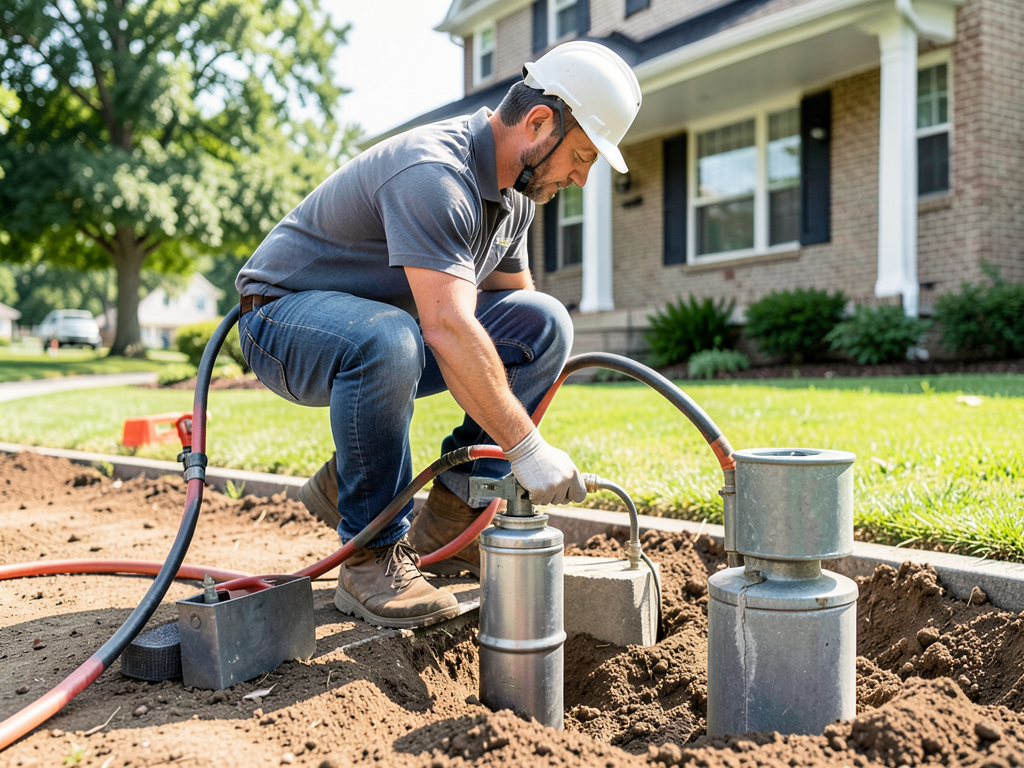
We insert our vacuum hose to the interceptor bottom and extract all contents, from the grease cap through the effluent layer to the sludge bed. We pressure-wash the interior walls to remove adhered grease and check that your inlet and outlet piping flows freely. This full cleanout resets your trap to optimal function and maximizes time until your next required service.
03

Documentation and Scheduling

You receive a service record showing the date, gallons pumped, and disposal facility. We calculate your next service date based on accumulation rate and schedule it automatically so you never miss a required pump-out. This documentation satisfies city inspection requirements and proves you maintain your interceptor within legal limits, protecting your business license.

Why Austin Commercial Kitchens Trust All Pro Plumbing Austin

We operate under the same Austin Watershed Protection Department regulations you do. We know the inspection protocols, the enforcement thresholds, and the citation process. When you work with All Pro Plumbing Austin, you work with a team that understands what Travis County inspectors look for and how to keep your facility compliant.

Austin's food service industry operates on tight margins. You cannot afford unexpected closures or emergency cleanouts at triple the cost. We offer scheduled service agreements that lock in your rate and guarantee availability. Your interceptor gets serviced on time, every time, regardless of our call volume.

We service facilities across Central Texas, from downtown high-rises with basement interceptors to food trailers in Mueller with small exterior traps. We have the equipment range to handle 500-gallon traps and 5,000-gallon interceptors. Our vacuum trucks navigate tight Austin alleys and congested loading zones without blocking your operation.

Most grease trap companies subcontract their pumping, which means you get inconsistent technicians who do not know your system. We use our own crews and our own trucks. The same technician services your trap every time, which means faster service and early detection of developing problems.

We also provide emergency grease trap cleanout when you have a backup or failed inspection. We can mobilize within hours to get you back in compliance. But our goal is to keep you on a preventive schedule so you never need emergency service. Reactive grease management costs more and puts your operating permit at risk.

What to Expect From Your Grease Trap Service

Service Speed and Scheduling Flexibility

Most restaurant grease trap service takes 30 to 90 minutes depending on interceptor size and access. We schedule during your low-volume hours, early morning, or late night to avoid interfering with peak service. For facilities that cannot shut down, we can often pump without interrupting your operation. We offer same-week scheduling for new clients and can add you to a recurring service calendar that aligns with your city-mandated pump frequency.

Interceptor Inspection and Reporting

Every pump-out includes a visual inspection of your trap's structural integrity, baffles, and piping connections. We measure the depth of your grease layer and solids accumulation to calculate your actual fill rate. You receive a detailed service ticket with photos, measurements, and our recommendation for your next service interval. This documentation is critical during health department audits and proves you are actively managing your FOG waste.

Clean Interceptor and Restored Flow

After we finish, your interceptor is empty and clean. Your wastewater flows freely without backups or slow drains. You eliminate foul odors caused by decomposing grease and reduce the risk of drain flies and other pests attracted to accumulated FOG. More important, you reset your compliance clock and buy yourself weeks or months of uninterrupted operation before your next required service.

Ongoing Compliance Support

We track your service history and send reminders before your next pump is due. If the city requests your maintenance records during an inspection, you have everything documented. We also provide guidance on best practices for minimizing FOG entering your interceptor, which can extend your service intervals and reduce costs. Our goal is to keep you compliant without over-servicing or creating unnecessary expenses.

Frequently Asked Questions

You Have Questions,
We Have Answers

How much does it cost to get your grease trap cleaned? +

Grease trap cleaning costs vary based on trap size, accessibility, and waste volume. Small traps (15-50 gallons) typically run lower than large commercial units (500-1,500 gallons). Frequency impacts pricing. Monthly service contracts reduce per-visit costs compared to one-time cleanings. Austin's strict FOG (Fats, Oils, Grease) compliance requirements mean you need licensed pumpers who handle manifest documentation and proper disposal. Labor, disposal fees, and travel distance factor into quotes. Request itemized estimates from multiple vendors. Commercial kitchens should budget for routine maintenance rather than emergency pump-outs, which cost significantly more and risk code violations.

How often do grease traps need to be pumped? +

Pumping frequency depends on trap capacity, kitchen volume, and grease production. The standard formula is the 25 percent rule. Pump when the trap reaches 25 percent solids and grease. High-volume restaurants may need weekly service. Moderate operations often require biweekly or monthly pumping. Austin requires commercial kitchens to maintain logs and comply with City Code Chapter 15-6. A qualified technician should assess your specific operation. Undersized traps fill faster. Delayed pumping causes backups, odors, and FOG violations. Establish a preventive schedule based on actual usage patterns, not guesswork. Document every service for compliance audits.

How much does it cost to pump out a grease trap? +

Pump-out costs depend on trap size, grease accumulation, and service frequency. Small traps cost less than large interceptors. Emergency pump-outs carry premium pricing. Scheduled maintenance contracts provide better value than sporadic service. Austin disposal regulations require licensed haulers to transport waste to approved facilities, which affects pricing. Heavy grease loads increase disposal fees. Difficult access or after-hours service adds labor charges. Commercial clients should compare flat-rate contracts versus per-gallon pricing. Factor in manifest documentation, which is mandatory in Austin. Neglecting routine pumping leads to costly repairs and FOG fines that exceed regular maintenance expenses.

How often should grease traps be cleaned? +

Cleaning frequency mirrors pumping schedules but focuses on physical scrubbing and blockage removal. Most commercial kitchens need cleaning every one to three months, depending on output. The 25 percent rule applies. Clean before solids and grease exceed one-quarter of total capacity. Austin's FOG ordinance mandates regular maintenance with documented records. High-volume operations like barbecue joints or taco shops generate more grease and require more frequent attention. Enzymatic treatments between cleanings can extend intervals but never replace proper pumping. Schedule inspections to check baffles, gaskets, and inlet/outlet pipes. Preventive cleaning avoids emergency situations and keeps your operation compliant with city health codes.

Can I clean a grease trap myself? +

You should not clean a grease trap yourself. Commercial traps require specialized pumping equipment, proper waste handling, and regulatory compliance. Austin mandates licensed haulers for FOG waste disposal. DIY attempts create liability risks, including spills, employee injury, and improper disposal fines. Grease trap waste is classified as industrial, not sewage. You need manifests and documented disposal at approved facilities. Improper cleaning allows solids to enter your drain lines, causing expensive blockages. Professional service includes inspections of baffles, gaskets, and structural integrity. Violating Austin's FOG ordinance results in penalties and potential business interruption. Leave grease trap maintenance to certified technicians with proper insurance and equipment.

What are the signs of a full grease trap? +

Full grease traps show distinct warning signs. Slow draining sinks and floor drains indicate capacity issues. Foul odors from drains or the trap itself signal decomposition. Grease backup in sinks or prep areas means the trap cannot separate fats properly. Pooling water around the trap exterior suggests overflow or seal failure. Kitchen staff may report gurgling sounds from drain lines. Grease appearing in wastewater discharge points to trap failure. In Austin's heat, decomposition accelerates, making odor problems worse. Regular inspections catch these signs early. Ignoring full traps leads to FOG violations, health code failures, and costly emergency service. Monitor your traps between scheduled cleanings.

What happens if you don't clean a grease trap? +

Neglected grease traps cause operational and legal problems. Grease solidifies in drain lines, creating blockages that shut down kitchen operations. Wastewater backs up into prep areas, violating health codes. Foul odors drive away customers and create hostile work environments. FOG enters the municipal sewer system, causing blockages that trigger Austin enforcement action. You face fines, mandatory compliance schedules, and potential permit revocation. Grease buildup corrodes trap components, requiring expensive replacements. Untreated traps breed bacteria and pests. In severe cases, grease overflows contaminate groundwater or create slip hazards. Regular maintenance protects your business continuity, reputation, and regulatory standing. Compliance is cheaper than remediation.

What's the worst thing for a septic tank? +

This question addresses septic systems, not grease traps. The worst thing for a septic tank is non-biodegradable materials and chemical overload. Flushing wipes, feminine products, medications, or harsh chemicals kills beneficial bacteria that break down solids. Excessive water from leaks overwhelms the system. Grease and fats create impermeable layers that block decomposition. Additives marketed as septic helpers often disrupt the bacterial balance. In Austin's clay soils, improper drain field maintenance causes premature failure. Commercial operations should never connect grease traps to septic systems. Grease requires specialized handling. Residential septic users need regular pumping every three to five years and water conservation practices to extend system life.

What are the signs that your septic tank is full? +

Full septic tanks exhibit specific symptoms. Slow draining fixtures indicate limited capacity. Sewage odors near the tank or drain field signal backup. Pooling water or lush grass over the drain field suggests system saturation. Gurgling sounds from toilets or drains mean air displacement from a full tank. In extreme cases, sewage backs up into the building. Austin's expansive clay soils compound problems by limiting absorption during wet periods. Regular pumping every three to five years prevents emergencies. Commercial properties should not use septic systems for grease trap discharge. If your business has a septic system, ensure grease traps discharge separately and pump both systems on appropriate schedules.

Can a plumber clean a grease trap? +

Licensed plumbers can clean grease traps if they hold proper certifications and disposal permits. However, specialized grease trap service companies provide more comprehensive maintenance. They have industrial pumping equipment, comply with Austin's FOG regulations, and handle manifest documentation for waste disposal. Plumbers focus on drain line repairs and fixture issues. Grease trap companies focus on trap pumping, baffle inspection, and regulatory compliance. Choose vendors who understand Austin's Chapter 15-6 requirements. Verify their hauler permits and disposal facility contracts. Commercial operations benefit from dedicated grease trap service providers who track maintenance schedules, provide compliance records, and respond to FOG-related emergencies with appropriate equipment and expertise.

How Austin's FOG Program Affects Your Restaurant Operations

The City of Austin Watershed Protection Department classifies food service establishments into three tiers based on grease production. High-volume kitchens face quarterly inspections and mandatory pump-out logs. Facilities in the Rainey Street Entertainment District and downtown core receive more frequent scrutiny due to aging sewer lines that cannot handle increased FOG loads. Violators face escalating fines starting at $500 and can lose their Certificate of Occupancy. Austin's FOG ordinance is among the strictest in Texas, which means grease interceptor cleaning is not optional.

All Pro Plumbing Austin works with food service operators across Travis, Williamson, and Hays counties. We understand the inspection cycle, know which city inspectors cover which zones, and can help you prepare for scheduled audits. Local expertise matters because Austin's regulations differ from neighboring municipalities. We keep your operation compliant with city-specific requirements and provide the documentation you need to pass inspections without disruption.
Plumbing Services in The Austin Area

While we proudly serve the entire Austin area, you can easily locate our central operations or explore our service coverage on the map below. We are committed to reaching you promptly, wherever you are within our service region, ensuring timely and efficient plumbing solutions for both residential and commercial clients. Feel free to zoom in and out to visualize our extensive service areas and discover how close professional plumbing assistance truly is.

Address:
All Pro Plumbing Austin, 3800 North Lamar Boulevard Lamar Central, Austin, TX, 78756

Additional Services We Offer

Our news updates

Latest Articles & News from The Blogs

Planning the Plumbing for a New Master Suite Addition in Govalle Adding a master suite to your Govalle home requires…

Planning the Plumbing for a New Master Suite Addition in Govalle

Planning the Plumbing for a New Master Suite Addition in Govalle Adding a master suite to your Govalle home requires…

How to Stop That Loud Thumping Noise in Your St Edwards Home (Water Hammer Explained)

How to Stop That Loud Thumping Noise in Your St Edwards Home (Water Hammer Explained) Does your plumbing sound like…

Why Your Copperfield Yard Smells Like Sewage and What to Do About It

Why Your Copperfield Yard Smells Like Sewage and What to Do About It Your Copperfield yard should smell like fresh…

Contact Us

Do not wait for a backup or a failed inspection. Call All Pro Plumbing Austin at (737) 316-0588 to schedule your commercial grease trap pumping. We service Austin and surrounding areas with flexible scheduling and same-week availability.