
Plumbing Tips for Building a Multi Unit Lot Under the New Austin Home Rules
Building multiple units on a single lot in Austin requires careful planning and expert plumbing knowledge. The HOME initiative allows up to three units on most single-family lots but creates complex plumbing requirements. Understanding Austin Water’s infrastructure needs permit requirements and code compliance will save you time and money. Austin Water.
What is the Austin HOME Initiative?
The Austin HOME initiative passed by City Council in 2023 allows up to three units on most single-family lots and eliminates minimum lot size requirements for additional units. For plumbing contractors and property developers this means more units sharing existing water and sewer infrastructure. The initiative has two phases. Phase 1 allows two units on any lot while Phase 2 effective January 2024 allows three units where feasible. Austin Development Services Department.
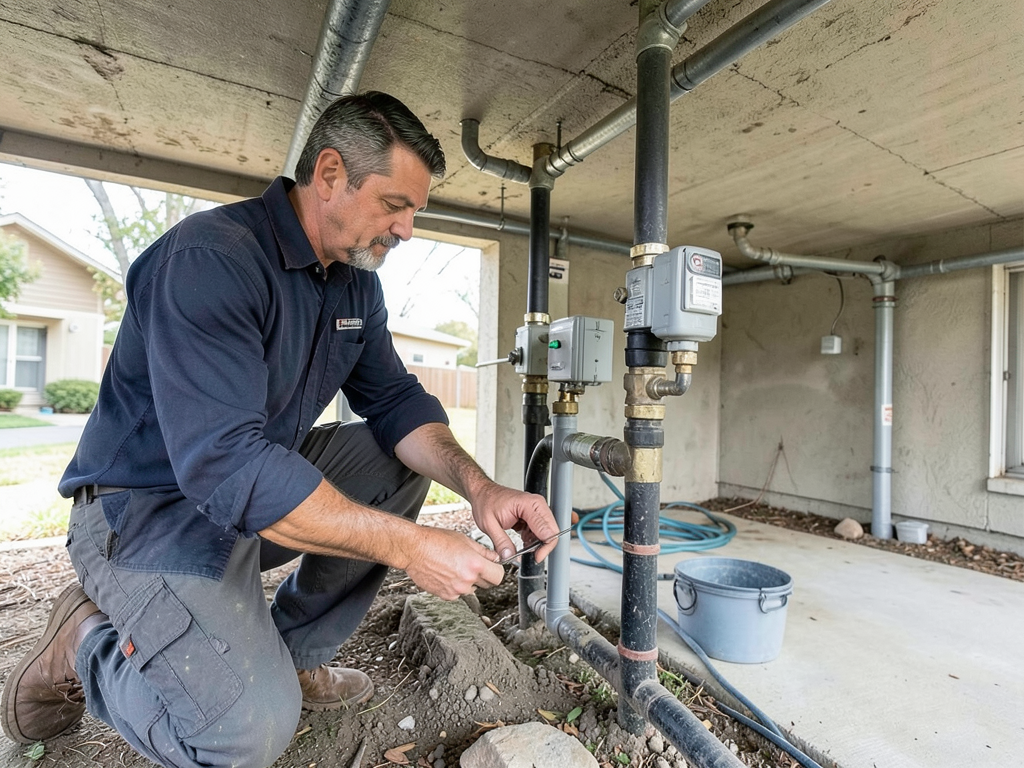
Plumbing Requirements for ADUs and Additional Units
Each additional unit requires its own dedicated plumbing system even if they share walls or attach to the primary structure. The Austin Development Services Department mandates separate water supply lines and drain-waste-vent systems for each dwelling unit. You cannot simply branch off existing plumbing for a new kitchen or bathroom. Professional Drain Cleaning Services to Clear Stubborn Clogs in South Congress Apartments.
Under the Uniform Plumbing Code adopted by Austin each unit must have: Plumbing San Marcos.
- Individual water meter or sub-metering system
- Separate sewer lateral connection
- Dedicated water heater or tankless system
- Individual shut-off valves for each unit
The most common mistake developers make is underestimating the capacity of existing water lines. A typical 3/4-inch service line that works for one home may not support three units running water simultaneously. You will likely need to upgrade to a 1-inch or 1-1/4-inch main line. Water Heater Maintenance Tips.
Sewer Capacity and Service Line Upgrades
Sewer capacity often limits adding units. Austin Water requires a hydraulic load calculation for any property adding dwelling units. This calculation determines if your existing 4-inch sewer lateral can handle additional wastewater flow.. Read more about Adding an Outdoor Shower for Rinsing Off After a Day at Barton Springs or Deep Eddy.
For a typical single-family home the sewer load calculates at 400 gallons per day. Adding two more units increases this to 1,200 gallons per day. If your existing lateral cannot handle this volume you will need to upgrade to a 6-inch or even 8-inch line which can cost $5,000 to $15,000 depending on trenching requirements.
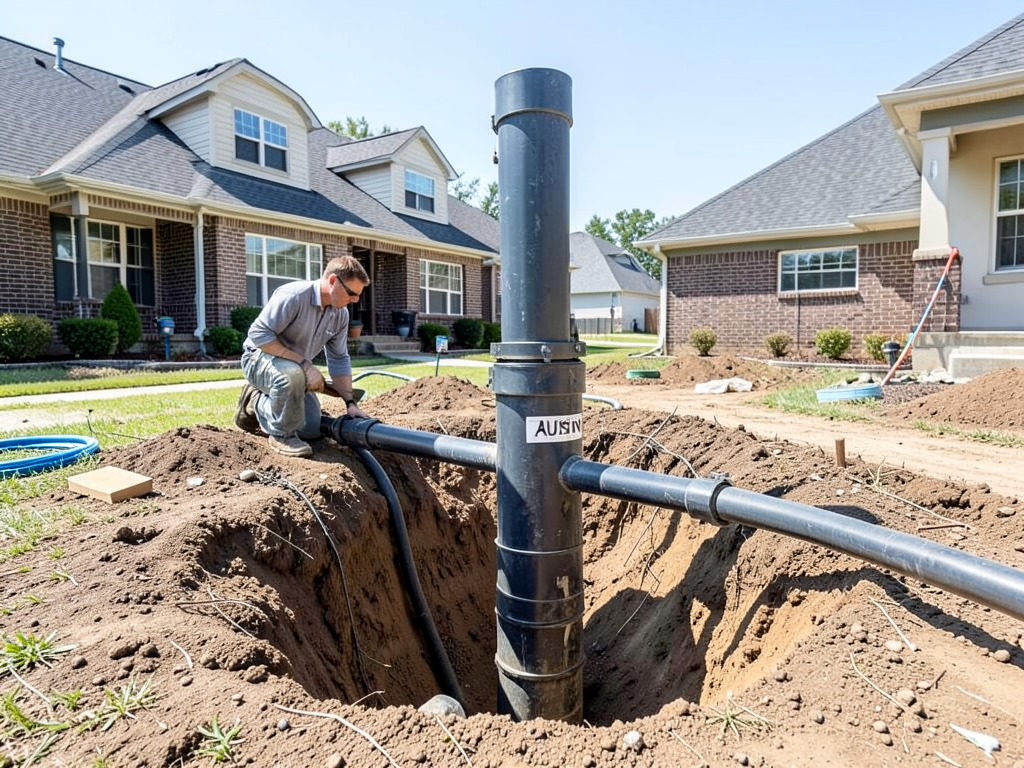
City of Austin Permits and Inspections
The permit process for multi-unit plumbing under the HOME initiative follows the standard Residential Permit process through Austin’s Development Services Department. However specific requirements must be met:
- Pre-Application Meeting
Schedule a meeting with Austin Water to discuss your project scope and determine if infrastructure upgrades are needed.
- Site Plan Submission
Submit detailed plumbing plans showing all water lines sewer connections and fixture counts for each unit.
- Permit Application
Apply for plumbing permits through the Austin Build + Connect portal paying the required fees.
- Inspections
Pass all required inspections including underground rough-in and final inspections for each unit.
The total permit timeline typically takes 4-6 weeks but can extend to 8-10 weeks if your project requires extensive sewer or water main upgrades. Austin Water’s impact fees for additional units range from $2,500 to $7,000 per unit depending on your location and existing infrastructure capacity.
Cost Estimates: Retrofitting vs. New Construction Plumbing
Plumbing costs vary dramatically between retrofitting an existing home and building new construction with multiple units. Here is what you can expect in the Austin market:
| Project Type | Per Unit Cost | Key Factors |
|---|---|---|
| ADU Plumbing (New Construction) | $8,000 – $12,000 | Standard materials easy access |
| Retrofit Multi-Unit | $12,000 – $18,000 | Existing wall demolition older materials |
| Sewer Lateral Upgrade | $5,000 – $15,000 | Trench length depth concrete removal |
| Water Main Upgrade | $3,000 – $8,000 | Distance to main street crossing |
Retrofitting older Central Austin homes presents unique challenges. Many homes built before 1980 have galvanized steel pipes that corrode from the inside reducing water pressure and flow. These pipes typically need complete replacement when adding units adding $3,000 to $6,000 to your project cost. Dealing with Central Texas Hard Water – The Best Water Softener Systems for Steiner Ranch Homes.
Backflow Prevention and Cross-Connection Control
Austin Water requires backflow prevention assemblies for multi-unit properties to protect the public water supply. For properties with three or more units you will need a reduced pressure principle assembly installed on the main water service line.
The assembly must be tested annually by a certified tester and you will receive a violation notice if testing is not completed on time. The testing fee is approximately $75-$125 per year and the assembly itself costs $300-$600 installed.
Special Considerations for Tiny Homes on Foundations
Tiny homes on permanent foundations are treated the same as any other dwelling unit under the HOME initiative. However their compact size creates unique plumbing challenges. The minimum code requirements for things like trap arm lengths and vent distances still apply even in a 400-square-foot unit.
Water heater sizing is critical for tiny homes. A standard 40-gallon tank will not fit in most tiny home utility closets so you will need a 20-30 gallon unit or a tankless system. The compact nature also means plumbing lines must be precisely planned to avoid wasted space. Is Switching to a Tankless Water Heater Worth It for Your Cedar Park Home?.
Common Mistakes to Avoid
Property developers often make these costly errors when planning multi-unit plumbing:
- Underestimating sewer capacity needs
- Forgetting separate shut-off valves for each unit
- Using undersized water lines for multiple bathrooms
- Ignoring local amendments to the UPC code
- Skipping the pre-application meeting with Austin Water
The biggest mistake is trying to cut costs by sharing plumbing systems between units. This violates code and will result in failed inspections and costly rework.
Frequently Asked Questions
Do I need separate water meters for each unit?
Yes each dwelling unit requires its own water meter or a sub-metering system that tracks individual usage. Austin Water will not allow a single meter to serve multiple units under the HOME initiative.
How long does the plumbing permit process take?
The typical timeline is 4-6 weeks for standard projects but can extend to 8-10 weeks if your project requires water main or sewer lateral upgrades. The pre-application meeting with Austin Water is the best way to get an accurate timeline.
What happens if my existing sewer line is too small?
If your existing 4-inch sewer lateral cannot handle the additional flow you will need to upgrade to a 6-inch or 8-inch line. This involves trenching from your home to the main sewer line in the street which can cost $5,000 to $15,000 depending on the distance and obstacles.
Ready to Start Your Multi-Unit Project?
Building multiple units on a single lot in Austin requires careful planning and expert plumbing knowledge. The HOME initiative opens up new opportunities but only if you understand the technical requirements and code compliance issues.
Do not let plumbing mistakes derail your development plans. Call (737) 316-0588 today to schedule a consultation with our licensed Master Plumbers. We will review your site plans identify potential issues and provide accurate cost estimates before you commit to construction. Our team has completed dozens of multi-unit projects across Austin from downtown condos to suburban ADUs.
Pick up the phone and call (737) 316-0588 now. The sooner we review your plans the more money and headaches we can save you during construction.
You may also find this helpful. Should You Consider a Septic to Sewer Conversion for Your Manchaca Property?.