Menu

Gas Leak Detection & Repair in Austin – Emergency Response Available 24/7

When you smell gas or suspect a leak, you need a gas leak plumber on-site fast. All Pro Plumbing Austin dispatches licensed technicians immediately to locate, diagnose, and fix gas leaks before they threaten your family or property.

Slider Image 1
Slider Image 2
Slider Image 3
Slider Image 4
Slider Image 5
Slider Image 7
Slider Image 8
Slider Image 9
Slider Image 10
Slider Image 11

Why Gas Leaks Are Dangerous in Austin Homes

Natural gas has no odor, so utility companies add mercaptan to give it that rotten egg smell. If you detect that sulfur-like scent, hear hissing near gas appliances, or notice dead vegetation around your meter, you have seconds to act, not minutes.

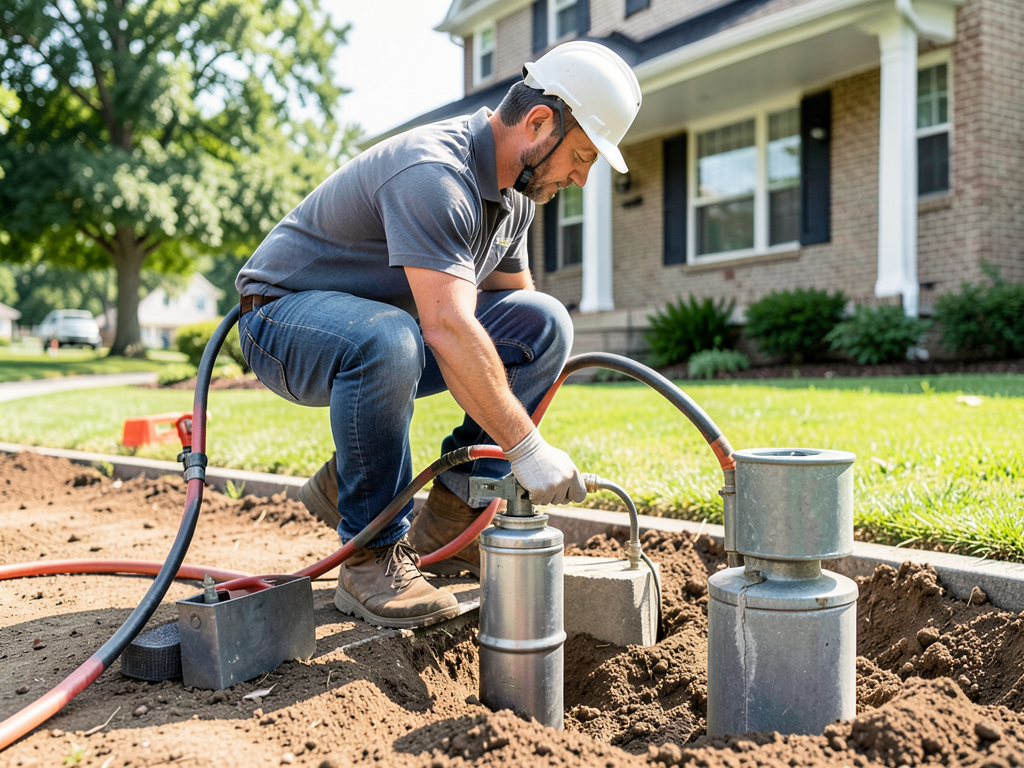
Austin's expansive clay soil shifts constantly with seasonal moisture changes. These ground movements stress underground gas lines, causing joints to separate or pipes to crack. The same soil dynamics that crack your foundation can rupture gas pipe systems buried beneath your yard or driveway. Older homes in neighborhoods like Hyde Park, Clarksville, and Bouldin Creek often have galvanized steel gas lines installed decades ago. Corrosion weakens these pipes from the inside out, making emergency gas line repair a frequent necessity.

Natural gas is lighter than air and rises quickly. It accumulates in attics, upper floors, and enclosed spaces. A single spark from a light switch, appliance motor, or static discharge can ignite the mixture. You are not overreacting when you evacuate immediately and call for gas leak detection. Every minute counts.

Carbon monoxide poisoning is another threat. Malfunctioning gas appliances produce this colorless, odorless killer. Symptoms mimic the flu: headaches, nausea, dizziness, confusion. High concentrations cause unconsciousness and death. If multiple people in your home feel ill simultaneously, shut off your gas at the meter, get everyone outside, and contact a gas leak plumber immediately. Do not assume you are safe because you do not smell gas. CO has no odor.

Gas line repair services are not optional when you suspect a leak. The risk to life and property is absolute.

Why Gas Leaks Are Dangerous in Austin Homes
How We Locate and Fix Gas Leaks Safely

How We Locate and Fix Gas Leaks Safely

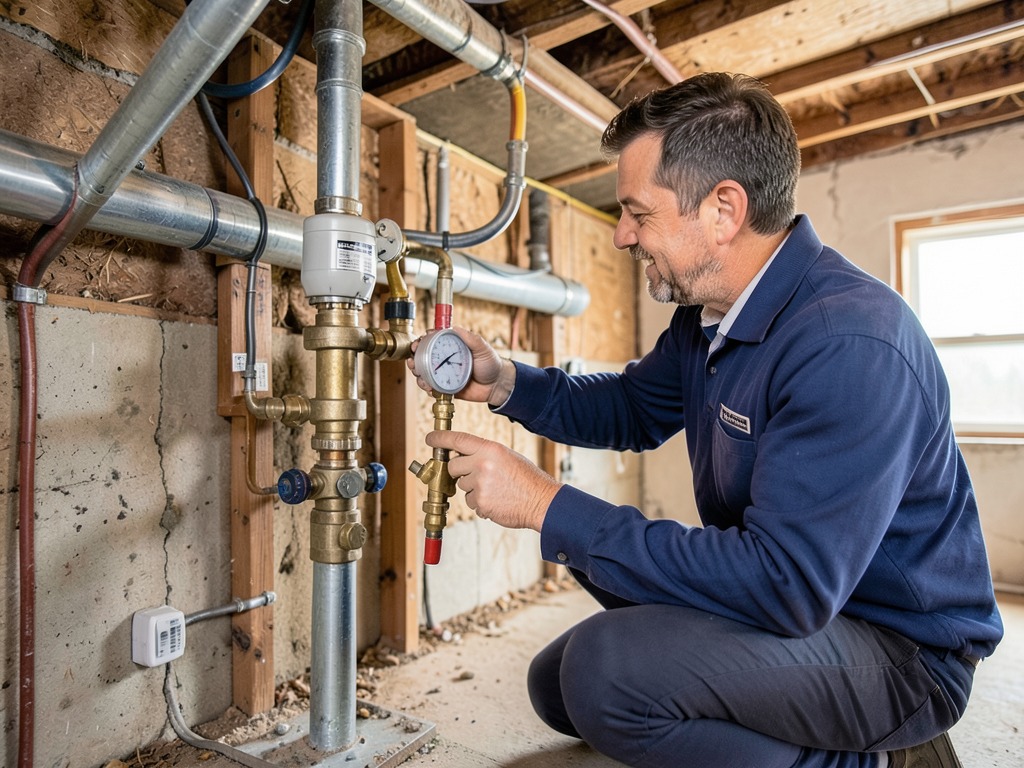
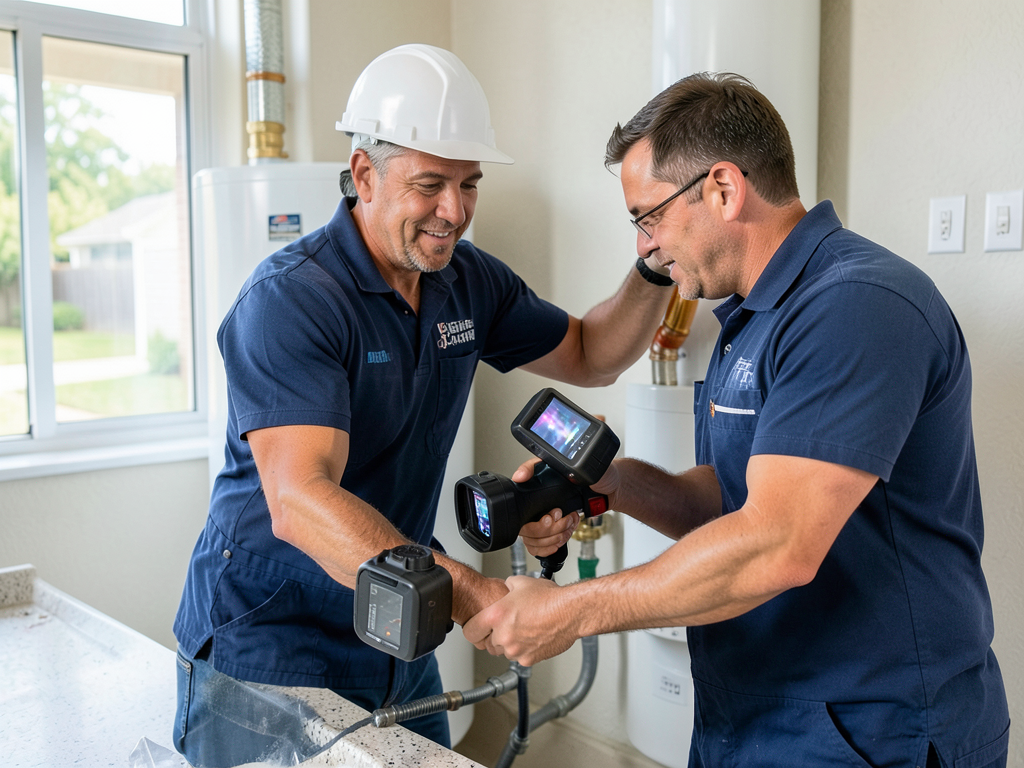
All Pro Plumbing Austin uses electronic gas detection equipment calibrated to sense methane and propane concentrations as low as one part per million. We do not rely on smell alone. Our technicians scan every gas line segment, fitting, valve, and appliance connection to pinpoint the exact leak source.

We start at the meter and work downstream. Gas systems operate under pressure, typically between 0.25 and 2 PSI for residential lines. We shut off the gas supply, then pressurize isolated sections with nitrogen to identify leaks without combustion risk. Bubbles form at leak points when we apply soapy water. For concealed lines inside walls or under slabs, we use tracer gas detection or acoustic sensors that pick up the ultrasonic frequency of escaping gas.

Once we locate the leak, we assess whether the damaged section requires a repair or full replacement. Threaded connections can sometimes be re-sealed with fresh pipe dope and new fittings. Corroded pipe segments must be cut out and replaced with black iron or CSST (corrugated stainless steel tubing) that meets current Austin Energy code requirements. We flare and thread all connections to specifications, then pressure test the entire system at 15 PSI for 15 minutes. Zero pressure drop means zero leaks.

After repairs, we purge air from the lines and restore gas service. We test every appliance: water heater, furnace, range, dryer. Each burner must ignite cleanly with a blue flame. Yellow or orange flames indicate incomplete combustion and potential CO production. We adjust air shutters and gas valves until combustion is optimal.

We do not leave until you have documented proof your system is safe. That includes a written report, pressure test results, and appliance performance verification.

What Happens When You Call for Emergency Gas Leak Repair

Gas Leak Detection & Repair in Austin – Emergency Response Available 24/7
01

Immediate Dispatch and Safety Assessment

When you call, we dispatch a licensed plumber to your location within 30 minutes. Our technician arrives with electronic gas detectors and safety equipment. The first priority is confirming everyone is out of the structure and the gas supply is shut off at the meter. We ventilate the space and use combustible gas indicators to measure air quality before entering. You do not re-enter until we confirm the environment is safe.
02

Leak Isolation and Pressure Testing

We isolate sections of your gas line system using shutoff valves at appliances, branch lines, and the main. Each segment is pressurized independently with nitrogen while we scan fittings, joints, and pipe runs with electronic detectors. Soap solution applied to suspected areas reveals even microscopic leaks. For hidden lines, we use tracer gas or acoustic methods. The damaged section is marked, and we provide you with a detailed damage assessment before proceeding with any repair work.
03

Repair, Testing, and System Certification

We remove the compromised pipe section and install new black iron pipe or CSST with code-compliant fittings. Every joint is threaded, sealed, and torqued to specification. The repaired section is pressure tested at 15 PSI for 15 minutes with zero allowable pressure drop. We restore gas service, purge air from lines, and test every appliance for proper ignition and combustion. You receive a written report documenting the repair, pressure test results, and appliance performance verification.

Why Austin Residents Trust All Pro Plumbing Austin for Gas Line Emergencies

Gas line work in Austin requires a Texas State Board of Plumbing Examiners license and strict adherence to Austin Energy gas code standards. Our technicians carry both. We know the local codes because we work under them every day. We understand how Austin's soil conditions stress underground gas lines and which neighborhoods have aging galvanized steel systems prone to failure.

East Austin, Hyde Park, and Clarksville have homes built between 1920 and 1960. Many still have original gas lines that were never upgraded. Galvanized steel corrodes from the inside, creating pinhole leaks that are nearly impossible to detect without pressure testing. We have repaired thousands of these systems. We know what to look for and how to replace outdated materials with modern, code-compliant piping.

CSST (corrugated stainless steel tubing) is now the standard for new gas line installations and retrofits. It is flexible, resists corrosion, and installs faster than rigid black iron pipe. All Pro Plumbing Austin is trained and certified to install CSST systems that meet Austin Energy specifications. We pull permits when required and schedule inspections to keep your project compliant.

When you call us for emergency gas line repair, you get a technician who has handled hundreds of gas leak scenarios. We have seen thermal expansion cracks, earthquake damage, soil settlement failures, and contractor strikes. We do not guess. We test, diagnose, and repair using methods that have been proven in the field. Our work is backed by documentation you can provide to your insurance company or future buyers.

You do not gamble with gas leaks. You call professionals who know Austin's infrastructure and have the tools to fix it right the first time.

What to Expect During Emergency Gas Leak Service

Response Time and Availability

All Pro Plumbing Austin operates 24 hours a day, 365 days a year. Gas leaks do not wait for business hours. When you call our emergency line, a licensed plumber is dispatched immediately. Our average response time is 30 minutes or less for Austin and surrounding areas including Round Rock, Cedar Park, and Pflugerville. Our trucks carry electronic detection equipment, replacement pipe, fittings, and all necessary tools to complete most repairs on the first visit. You will not wait days for parts or return trips. We arrive prepared to locate, diagnose, and fix gas leaks the same day.

Leak Detection and Diagnosis

We do not rely on smell or guesswork. Our technicians use calibrated combustible gas detectors that measure methane and propane concentrations in parts per million. We scan every gas line segment, appliance connection, valve, and fitting. For concealed lines, we use tracer gas or acoustic detection methods. Each section of your gas system is isolated and pressure tested with nitrogen to pinpoint the exact leak location. You receive a detailed written assessment that identifies the leak source, explains the cause, and outlines the required repair before any work begins. No surprises. No upselling.

Quality of Repairs and Materials

We use only code-compliant materials for gas line repair. Black iron pipe and CSST (corrugated stainless steel tubing) are the standard. All fittings are threaded, sealed with approved pipe dope, and torqued to manufacturer specifications. After repair, we pressure test the system at 15 PSI for 15 minutes. Zero pressure drop is the only acceptable result. We then restore gas service, purge air from the lines, and test every appliance. Burners must ignite cleanly with blue flames. We adjust air shutters and gas valves until combustion is optimal. You do not pay for work that does not pass our internal quality checks.

Documentation and Follow-Up

Every gas leak repair includes a written report documenting the leak location, cause, repair method, materials used, and pressure test results. You receive appliance performance verification showing each unit is operating safely. This documentation is critical for insurance claims, home sales, and future service calls. If a permit was required, we provide copies of inspection approvals. We also offer annual gas line safety inspections to catch potential problems before they become emergencies. Our technicians check all visible gas lines, test connections, and inspect appliances for proper combustion. Prevention costs far less than emergency repairs.

Frequently Asked Questions

You Have Questions,
We Have Answers

Whose responsibility is it to fix a gas leak? +

Responsibility depends on where the leak occurs. The gas utility company owns and repairs leaks in the main line up to the meter. You own everything past the meter, including pipes running into your home or appliances. If you smell gas, evacuate immediately and call 911 from outside. Then call your utility provider to shut off service. After the area is safe, contact a licensed plumber to locate and repair the leak on your property. In Austin, shifting clay soil can stress gas lines over time, making professional inspection critical for older homes.

Is it free to get a gas leak checked? +

Most gas utility companies in Austin offer free leak checks on their equipment and the main line up to your meter. However, they will not inspect or repair leaks inside your home or on appliances. Those require a licensed plumber, which is not free. If you smell gas, the utility company will respond quickly to verify the source and shut off service if needed. For piping past the meter or appliance connections, you pay for professional detection and repair. Never wait to investigate a suspected leak to save money.

Can I check for a gas leak myself? +

You can do a basic sniff test. Natural gas is odorless, but utility companies add mercaptan, which smells like rotten eggs or sulfur. If you detect that odor, evacuate and call for help from outside. Do not flip light switches, use electronics, or create sparks. You can apply soapy water to visible pipe joints and look for bubbles, but this method is limited. You cannot access buried lines or detect small leaks without professional equipment. In Austin, licensed plumbers use electronic detectors and pressure testing to pinpoint hidden leaks safely.

Does the fire department charge you to check for gas leaks? +

No. The Austin Fire Department does not charge to respond to gas leak emergencies. Firefighters will assess the situation, ventilate your home, and ensure the area is safe. They may help shut off gas at the meter if you cannot. However, they will not repair the leak or inspect your system. After they secure the scene, you must hire a licensed plumber to locate and fix the problem. Fire departments prioritize life safety, not repairs. Always call 911 if you smell gas or suspect a leak. Do not hesitate because of cost concerns.

How much does it usually cost to fix a gas leak? +

Repair costs vary based on leak location and severity. Simple fixes like tightening a loose appliance connection may run lower, while replacing corroded piping or underground lines costs more. Most repairs fall between a few hundred to over a thousand dollars depending on labor and materials. Emergency callouts after hours or weekends cost extra. Austin homes built before the 1980s may have aging galvanized pipes prone to corrosion. Accurate pricing requires on-site inspection. Get written estimates before authorizing work, but never delay repairs to shop around during an active leak.

Are gas leaks covered under homeowners insurance? +

Homeowners insurance sometimes covers sudden and accidental gas leaks, but policies vary. Coverage typically applies to damage caused by the leak, like fire or explosion, not the repair itself. Gradual leaks from wear, corrosion, or poor maintenance are usually excluded. Review your policy or call your insurer immediately after a leak is detected. Document everything with photos and keep repair receipts. In Austin, clay soil movement can stress gas lines over time, which insurers may classify as maintenance-related. File claims promptly and hire licensed professionals to strengthen your case.

Why Austin's Clay Soil Makes Gas Pipe Leak Detection Critical

Austin sits on expansive clay soil that swells when wet and shrinks during drought. This constant movement creates hydrostatic pressure on underground gas lines. Joints separate, fittings crack, and pipes shift out of alignment. Neighborhoods west of Mopac and south of the Colorado River experience the most dramatic soil shifts due to the Blackland Prairie and Taylor Black clay formations. If your home was built before 1990, your gas lines were likely installed with galvanized steel, which corrodes internally and fails without warning. Gas pipe leak detection should be part of your annual home maintenance, especially if you have mature trees pulling moisture from the soil around your foundation.

Austin Energy enforces strict gas code standards for repairs and new installations. All gas line work requires a licensed plumber and, in many cases, a permit and inspection. All Pro Plumbing Austin has worked in Austin for years, repairing gas systems in every neighborhood from Tarrytown to Mueller. We know the local inspectors, understand the code amendments specific to Travis County, and pull permits when required. We do not cut corners. Your safety and code compliance are non-negotiable. When you choose a gas leak plumber who knows Austin's regulations, you avoid failed inspections, fines, and unsafe repairs that put your family at risk.
Plumbing Services in The Austin Area

While we proudly serve the entire Austin area, you can easily locate our central operations or explore our service coverage on the map below. We are committed to reaching you promptly, wherever you are within our service region, ensuring timely and efficient plumbing solutions for both residential and commercial clients. Feel free to zoom in and out to visualize our extensive service areas and discover how close professional plumbing assistance truly is.

Address:
All Pro Plumbing Austin, 3800 North Lamar Boulevard Lamar Central, Austin, TX, 78756

Additional Services We Offer

Our news updates

Latest Articles & News from The Blogs

Planning the Plumbing for a New Master Suite Addition in Govalle Adding a master suite to your Govalle home requires…

Planning the Plumbing for a New Master Suite Addition in Govalle

Planning the Plumbing for a New Master Suite Addition in Govalle Adding a master suite to your Govalle home requires…

How to Stop That Loud Thumping Noise in Your St Edwards Home (Water Hammer Explained)

How to Stop That Loud Thumping Noise in Your St Edwards Home (Water Hammer Explained) Does your plumbing sound like…

Why Your Copperfield Yard Smells Like Sewage and What to Do About It

Why Your Copperfield Yard Smells Like Sewage and What to Do About It Your Copperfield yard should smell like fresh…

Contact Us

If you smell gas, hear hissing, or suspect a leak, get everyone outside and call (737) 316-0588 immediately. All Pro Plumbing Austin dispatches licensed technicians 24/7 to locate and fix gas leaks fast. Do not wait. Call now.