Menu

Mold in Bathroom Cabinets in Austin – Expert Diagnosis and Plumbing Fixes That Stop the Spread

When mold in bathroom cabinets threatens your health and home value, All Pro Plumbing Austin identifies the hidden plumbing leaks causing the problem and repairs them correctly the first time.

Slider Image 1
Slider Image 2
Slider Image 3
Slider Image 4
Slider Image 5
Slider Image 7
Slider Image 8
Slider Image 9
Slider Image 10
Slider Image 11

Why Austin Bathrooms Breed Mold Faster Than You Think

You opened the cabinet under your bathroom sink and saw it. Dark spots climbing the particle board. A musty smell that hits you instantly. Bathroom vanity mold is not just ugly. It signals a plumbing problem that will get worse.

Austin's humidity averages 75 percent in summer. Our limestone bedrock retains moisture underground. When you combine that natural humidity with a slow leak under your bathroom sink, you create the perfect breeding ground for mold growth inside vanity units. The problem accelerates in older homes across neighborhoods like Hyde Park and Travis Heights, where outdated supply lines and worn-out drain traps fail quietly behind closed doors.

Mildew in bathroom cabinets starts small. A pinhole leak in a compression fitting drips onto particle board. The wood swells. Mold spores colonize within 24 to 48 hours. You do not see it because the cabinet door stays shut. By the time you notice bathroom cupboard mold, the damage has spread to the drywall, subfloor, and sometimes into the wall cavity.

The common mistake is treating mold under bathroom sink as a cleaning problem. You spray bleach. The spots come back in two weeks. Why? Because you did not fix the leak. Mold needs three things to thrive: moisture, organic material, and warm temperatures. Austin gives you two of those automatically. The leak gives you the third.

Bathroom vanity mold is not cosmetic. It degrades indoor air quality. It triggers respiratory issues. It lowers your home value if you try to sell. The fix is not a bottle of cleaner. The fix is stopping the water at the source.

Why Austin Bathrooms Breed Mold Faster Than You Think
How We Isolate the Leak and Remove the Mold Source

How We Isolate the Leak and Remove the Mold Source

Most homeowners assume the mold is the problem. The mold is the symptom. The leak is the problem. All Pro Plumbing Austin starts every bathroom cabinet mold job with leak detection, not mold removal.

We shut off the angle stop valves under the sink. We inspect the P-trap for cracks or loose slip nuts. We check the tailpiece connection where the drain meets the sink basin. We trace supply lines from the shutoff valve to the faucet, looking for corrosion, weeping joints, or failed compression rings. We examine the pop-up assembly and drain flange for improper seals.

Once we isolate the leak, we document it. Homeowners need to see why mold growth inside vanity occurred. We show you the failed component. We explain how long it has been leaking based on the damage pattern. We give you a clear picture of what needs replacement.

Next, we remove the water source. We replace corroded supply lines with braided stainless steel flex hoses. We rebuild P-traps with PVC or ABS, depending on local code. We re-seal sink drains with plumber's putty or silicone, depending on the fixture type. If the angle stop valve is leaking, we replace it with a quarter-turn ball valve.

After the plumbing repair, we assess the cabinet. Particle board that has been saturated does not dry correctly. It stays swollen. Mold under bathroom sink will return if you leave wet material in place. We recommend removing damaged shelving and installing moisture-resistant materials. We do not perform mold remediation ourselves, but we coordinate with certified remediators when the colony is extensive.

The goal is simple. Stop the water. Remove the food source. Prevent recurrence.

What Happens When You Call Us About Bathroom Cabinet Mold

Mold in Bathroom Cabinets in Austin – Expert Diagnosis and Plumbing Fixes That Stop the Spread
01

Leak Detection

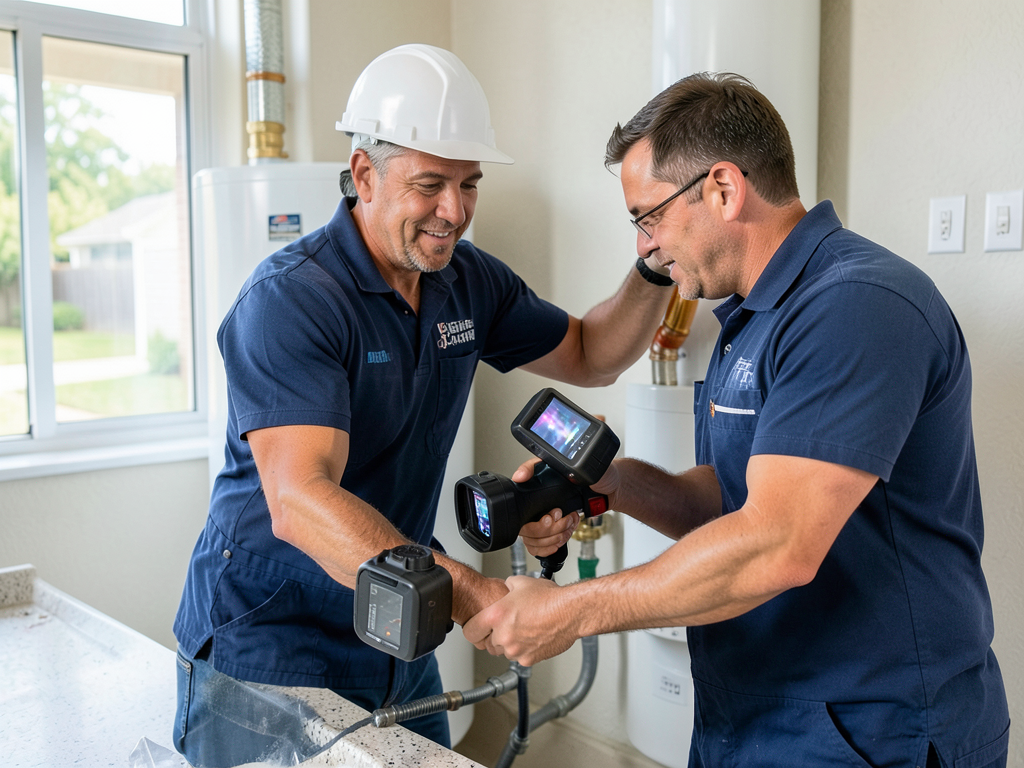
We arrive with moisture meters and inspection cameras. We check every connection under your sink, including supply lines, drain traps, and shutoff valves. We identify the exact source of the leak causing bathroom vanity mold. You get a clear explanation of what failed and why it happened in your specific plumbing configuration.
02

Plumbing Repair

We replace the failed component. This could be a corroded supply line, cracked P-trap, or leaking drain gasket. We use code-compliant materials suited to Austin's water chemistry and building standards. We test the repair under pressure to confirm the leak is gone. No guesswork. No temporary patches. Just a permanent fix.
03

Prevention Plan

We recommend cabinet modifications if the damage is severe. We explain what materials resist future mold growth inside vanity units. We give you a maintenance checklist to catch small leaks before they become big problems. You leave knowing what to watch for and how to keep mildew in bathroom cabinets from returning.

Why Austin Homeowners Trust All Pro Plumbing for Mold-Related Plumbing Issues

Bathroom cabinet mold is not a DIY repair. You cannot fix it with a wrench and a YouTube video. You need someone who understands how Austin's water pressure, mineral content, and humidity interact with residential plumbing systems.

All Pro Plumbing Austin has worked in homes from Clarksville to East Austin. We know the difference between a 1950s galvanized supply line and a modern PEX installation. We understand how limestone sediment clogs aerators and causes back-pressure that stresses fittings. We recognize the signs of foundation movement that shift drain lines and crack P-traps.

Our technicians are trained to diagnose leaks that other companies miss. We do not assume the problem is obvious. We test every connection. We verify every seal. We document every finding. When we tell you that a failed compression ring caused bathroom cupboard mold, you see the failed ring.

We also understand the urgency. Mold spreads fast in Austin's climate. A small colony can double in size in three to four days when moisture stays present. We prioritize leak calls related to mold under bathroom sink because we know the health risks and structural damage that follow.

You will not get a vague estimate. You will not get upselling. You get a straightforward assessment of the plumbing failure, a repair that stops the leak, and guidance on next steps. We work with mold remediation specialists across Austin, so if you need a referral after we fix the plumbing, we connect you with professionals we trust.

Local expertise matters. We pull permits when code requires it. We know the inspection process for Travis County. We understand what Austin homebuyers expect when they see past water damage. That local knowledge protects your investment.

What to Expect When We Fix Your Bathroom Cabinet Leak

Same-Day Response

We know that mold growth inside vanity cabinets cannot wait. When you call, we schedule an inspection the same day or the next morning, depending on availability. We do not make you wait three days while the problem gets worse. Our trucks are stocked with common replacement parts like supply lines, P-traps, and shutoff valves, so we can often complete the repair during the first visit. If the job requires a special-order part, we explain the timeline upfront and give you a temporary solution if needed.

Thorough Leak Assessment

We do not guess where the water is coming from. We use moisture meters to measure humidity levels inside the cabinet. We inspect every threaded connection, compression fitting, and drain seal. We run water through the system while we watch for drips. We check the caulk line around the sink rim and the grout around the backsplash. If the leak is intermittent or hidden, we explain what additional testing is needed. You get a complete picture of the plumbing condition, not just a Band-Aid on the visible symptom.

Code-Compliant Repairs

Every repair meets or exceeds the International Plumbing Code and Austin-specific amendments. We install materials suited to your water supply. If your home has hard water, we recommend fittings that resist mineral buildup. If you have high pressure, we install regulators to protect new fixtures. We explain why we chose each component. The result is a repair that lasts years, not months. You do not pay twice for the same problem because we did not cut corners the first time.

Follow-Up Guidance

After we fix the leak, we walk you through what caused bathroom vanity mold and how to prevent it. We show you how to check for early signs of leaks. We explain what moisture levels are normal and what signals trouble. If you need mold remediation, we refer you to certified specialists. If the cabinet needs replacement, we connect you with trusted contractors. We do not disappear after the invoice. We stay available for questions and follow-up inspections if you notice new issues.

Frequently Asked Questions

You Have Questions,
We Have Answers

How do you get rid of mold in bathroom cabinets? +

Remove visible mold with a mixture of one cup bleach to one gallon water. Wear gloves and a mask. Scrub affected surfaces, then dry completely. Fix the moisture source first or mold returns. In Austin's humid climate, check for leaky supply lines under sinks or failed wax rings near toilets. Increase ventilation by running exhaust fans during and after showers. For extensive growth behind vanity walls or subfloor damage, you need a plumber to address hidden leaks and assess structural damage before cosmetic fixes.

Why is mold growing in my bathroom vanity? +

Mold grows when moisture meets organic material. Your vanity likely has a slow leak from supply lines, drain pipes, or a cracked sink basin. Austin's high humidity accelerates growth when confined spaces trap moisture. Check under the sink for dampness, water stains, or musty odors. Leaking shut-off valves and corroded pipes are common culprits in older homes. Poor ventilation compounds the problem. If you spot mold, identify and repair the water source immediately. Ignoring it leads to cabinet rot and potential subfloor damage.

Can moldy cabinets be saved? +

Moldy cabinets can be saved if caught early and the source leak is fixed. Surface mold on painted or sealed wood often cleans off. But if the particleboard or MDF has swelled from prolonged water exposure, the material has failed and needs replacement. Austin's humidity makes cabinets vulnerable once water breaches the finish. Check for soft spots, warping, or delamination. A plumber can assess whether the leak damaged internal framing or subfloor. Sometimes saving cabinets costs more than replacement when structural integrity is compromised.

Will mold go away if it dries out? +

Mold does not go away when it dries. Spores remain dormant and reactivate when moisture returns. Austin's humidity means bathrooms rarely stay dry long enough to matter. Dead mold still triggers allergies and respiratory issues. You must physically remove it and fix the water source. Drying alone leaves spores embedded in porous materials like drywall and wood. Proper remediation includes cleaning with antimicrobial solutions and ensuring ventilation prevents recurrence. If mold keeps returning, you have an unresolved plumbing leak.

What are the 10 warning signs of mold toxicity? +

Watch for persistent fatigue, brain fog, headaches, respiratory issues, sinus congestion, skin rashes, joint pain, sensitivity to light, mood changes, and digestive problems. These symptoms often overlap with other conditions, so professional medical evaluation is critical. Mold toxicity affects people differently based on exposure duration and immune health. In Austin bathrooms, prolonged exposure to hidden mold behind vanities or shower walls increases risk. If multiple symptoms appear after discovering mold, consult a doctor. Address the moisture source immediately to stop spore proliferation.

What kills mold permanently? +

Nothing kills mold permanently without removing the moisture source. Bleach kills surface mold but does not penetrate porous materials. EPA-registered antimicrobial cleaners work better for deeper treatment. For Austin bathrooms, fix leaks first. Replace damaged materials like drywall or subflooring if mold has penetrated. Improve ventilation with exhaust fans vented outside, not into attics. Reduce humidity below 60 percent. Once conditions stay dry, mold cannot regrow. Surface treatments without addressing plumbing failures or ventilation issues guarantee mold returns within weeks.

Does black mold always mean water damage? +

Black mold usually indicates water damage, but not always. Stachybotrys chartarum thrives on cellulose materials soaked for extended periods. In Austin bathrooms, it signals chronic leaks from supply lines, drain pipes, or shower pan failures. High humidity alone rarely causes black mold, condensation combined with poor ventilation can. Other dark molds exist that are less toxic but still problematic. Any black mold warrants investigation. Check behind walls and under flooring for hidden water damage. A plumber can identify leak sources missed during visual inspections.

What is better for mold dehumidifier or air purifier? +

Use both for different reasons. A dehumidifier removes moisture from air, preventing mold growth. Austin's humidity makes dehumidifiers effective in bathrooms without proper ventilation. Set it to maintain humidity below 60 percent. Air purifiers capture airborne mold spores but do not address moisture. They reduce spore spread but cannot prevent growth if leaks persist. For bathroom cabinets, fix the water source first, then use a dehumidifier to control ambient moisture. Air purifiers help during remediation but are not a solution for active mold problems.

How do Japanese bathrooms not get mold? +

Japanese bathrooms separate wet and dry zones completely. Shower and bath areas use waterproof materials with floor drains, while vanities and toilets stay in dry rooms. Ventilation systems run continuously, and quick-drying materials prevent moisture accumulation. They prioritize airflow and drainage over aesthetics. Austin homes typically combine wet and dry areas, trapping humidity. Japanese designs also use antimicrobial sealants and sloped floors for complete drainage. Adopting their ventilation practices helps, but most Austin homes need aggressive exhaust fan use and leak-free plumbing to match results.

Can you just wipe off black mold? +

Wiping off black mold removes surface growth but leaves roots in porous materials. It also spreads spores into the air. You need proper cleaning solutions and containment. Wear a mask and gloves. Use EPA-registered antimicrobial cleaners, not just bleach. For Austin bathroom cabinets, check if mold penetrated wood or drywall. If material feels soft or discolored deep down, it needs replacement. Wiping alone fails when moisture persists. Fix the leak first or mold returns. Surface cleaning works only on non-porous materials like tile or sealed wood.

How Austin's Humidity and Limestone Water Accelerate Mold in Bathroom Cabinets

Austin sits on the Edwards Aquifer, which means our tap water is loaded with calcium and magnesium. When those minerals accumulate inside faucet cartridges and shutoff valves, they create resistance. That resistance causes pressure spikes. Pressure spikes stress compression fittings and O-rings. A fitting that would last 15 years in soft water might fail in 8 years here. When that fitting fails under your bathroom sink, it drips slowly onto particle board. The moisture combines with our year-round humidity, and bathroom cupboard mold colonizes in 48 hours. This is not a design flaw. It is the reality of plumbing in Central Texas limestone country.

All Pro Plumbing Austin understands how local water chemistry affects residential plumbing. We have repaired bathroom vanity mold leaks in older homes across Hyde Park, Tarrytown, and East Austin. We know which fittings fail first in hard water. We know how foundation shifts caused by expansive clay soil can torque drain lines and crack P-traps. We pull permits when required by the City of Austin. We work with local inspectors who know our reputation. That local knowledge means you get a repair built to last in Austin conditions, not a generic fix that works in Phoenix or Portland but fails here.
Plumbing Services in The Austin Area

While we proudly serve the entire Austin area, you can easily locate our central operations or explore our service coverage on the map below. We are committed to reaching you promptly, wherever you are within our service region, ensuring timely and efficient plumbing solutions for both residential and commercial clients. Feel free to zoom in and out to visualize our extensive service areas and discover how close professional plumbing assistance truly is.

Address:
All Pro Plumbing Austin, 3800 North Lamar Boulevard Lamar Central, Austin, TX, 78756

Additional Services We Offer

Our news updates

Latest Articles & News from The Blogs

Planning the Plumbing for a New Master Suite Addition in Govalle Adding a master suite to your Govalle home requires…

Planning the Plumbing for a New Master Suite Addition in Govalle

Planning the Plumbing for a New Master Suite Addition in Govalle Adding a master suite to your Govalle home requires…

How to Stop That Loud Thumping Noise in Your St Edwards Home (Water Hammer Explained)

How to Stop That Loud Thumping Noise in Your St Edwards Home (Water Hammer Explained) Does your plumbing sound like…

Why Your Copperfield Yard Smells Like Sewage and What to Do About It

Why Your Copperfield Yard Smells Like Sewage and What to Do About It Your Copperfield yard should smell like fresh…

Contact Us

Mildew in bathroom cabinets will not fix itself. Every day you wait, the damage spreads. Call All Pro Plumbing Austin at (737) 316-0588. We will find the leak, fix it correctly, and help you prevent it from happening again.