Menu

Wet Spots in Yard Austin – Expert Underground Leak Detection and Permanent Repair

All Pro Plumbing Austin uses advanced acoustic listening equipment and pressure testing to pinpoint hidden underground pipe failures causing wet spots in your yard, then permanently repair the leak without destroying your landscaping.

Slider Image 1
Slider Image 2
Slider Image 3
Slider Image 4
Slider Image 5
Slider Image 7
Slider Image 8
Slider Image 9
Slider Image 10
Slider Image 11

Why Your Austin Yard Stays Saturated Even When It Hasn't Rained

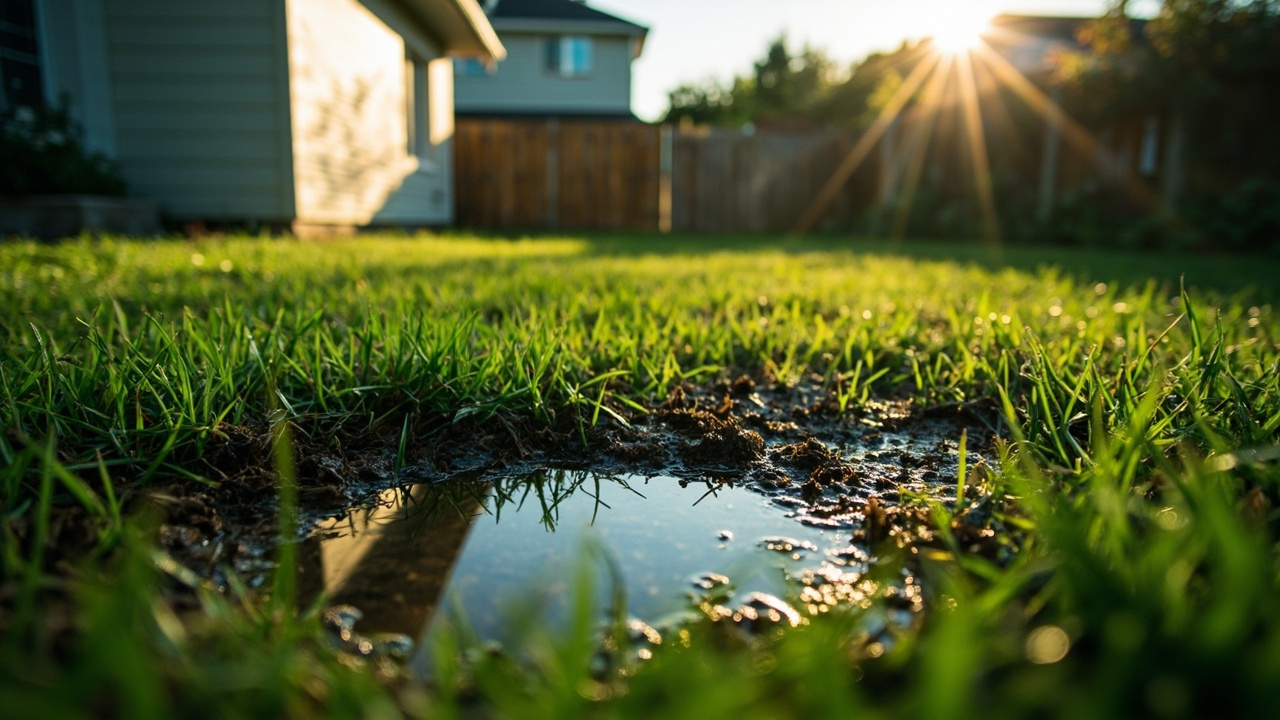
You walk outside and notice soggy patches in lawn that weren't there yesterday. The grass feels squishy underfoot. Pooling water in yard appears near your foundation or along the driveway, and you can't figure out why.

Austin's expansive clay soil makes underground leaks harder to spot at first. The clay absorbs water slowly, which means a cracked water line can saturate the ground for weeks before you notice damp spots in lawn at the surface. By the time you see unexplained standing water, thousands of gallons may have already leaked.

Underground pipe failures happen for specific reasons in Central Texas. Our clay soil shifts with moisture changes. During dry spells, the soil contracts and pulls away from pipes. When rain returns, the clay swells and applies pressure to weakened joints. This cycle cracks aging galvanized steel pipes, old polybutylene lines, and poorly installed PEX connections.

Tree roots from live oaks and cedar elms also infiltrate water lines searching for moisture. Once roots penetrate a joint, the leak worsens rapidly. You'll see saturated areas in grass that stay wet regardless of weather, often forming a trail that follows your underground plumbing path from the meter to your home.

High water bills confirm what your yard already shows. If your consumption jumped but your habits didn't change, you're likely losing water underground. That wet spot isn't going away on its own, and the longer it leaks, the more your foundation settles unevenly and your water bill climbs.

Why Your Austin Yard Stays Saturated Even When It Hasn't Rained
How We Locate and Repair Underground Leaks Without Guesswork

How We Locate and Repair Underground Leaks Without Guesswork

We don't dig randomly hoping to find the problem. All Pro Plumbing Austin uses a systematic approach that pinpoints the exact leak location before any excavation starts.

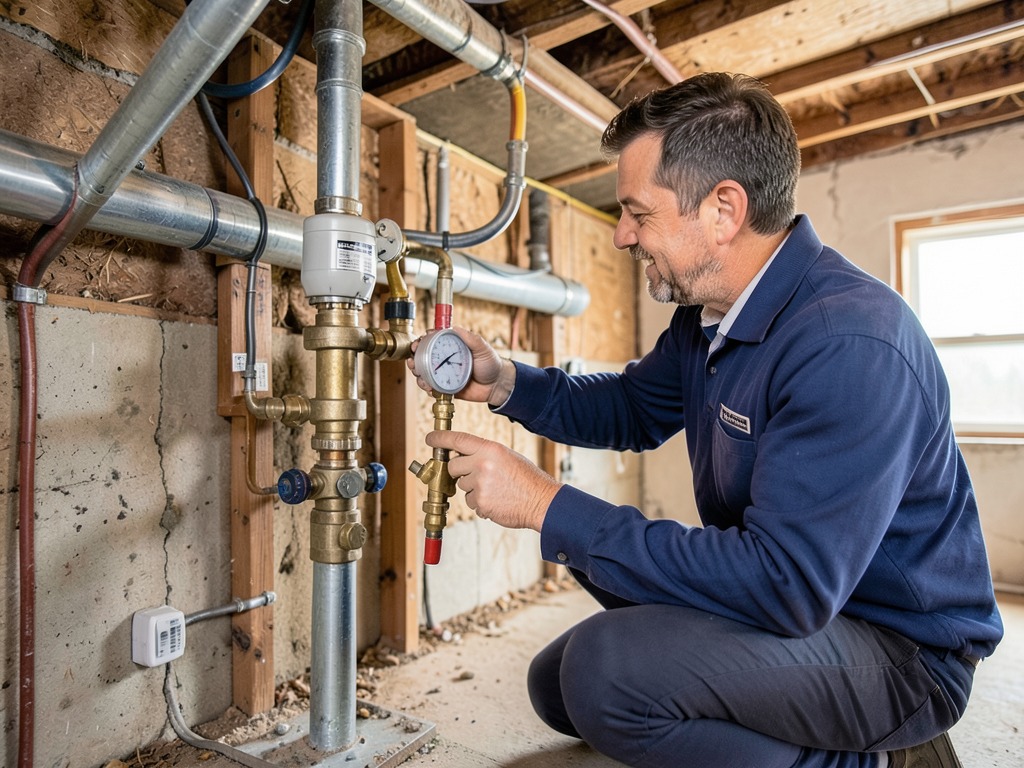
First, we isolate your water system into zones. We shut off the main supply and attach pressure testing equipment to measure if the system holds steady or drops. A pressure drop confirms an active leak. We then section off different branches to narrow down which line is compromised.

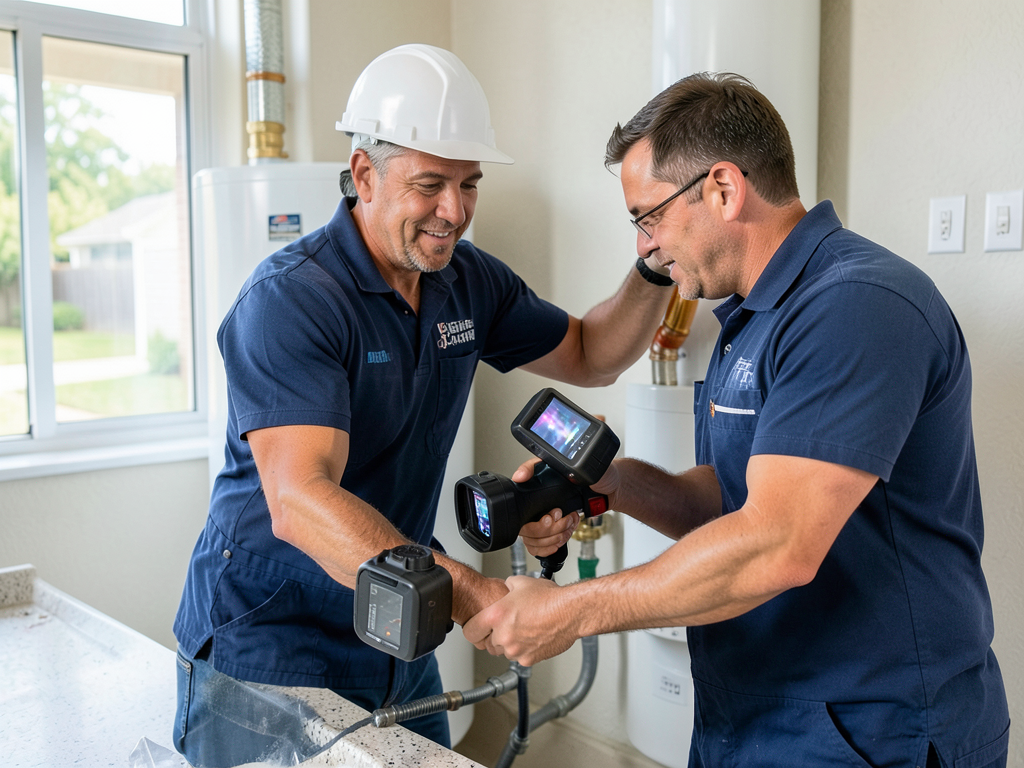
Next, we use acoustic leak detection. We place sensitive listening devices on exposed pipes, valve stems, and the ground surface. Water escaping under pressure creates a distinct frequency. We follow that sound signature until we identify the precise spot where the pipe has failed.

We also employ tracer gas technology for deeper lines or ambiguous signals. We introduce a harmless gas mixture into the isolated section and scan the ground with a probe. The gas escapes through the same crack as the water, leading us directly to the failure point.

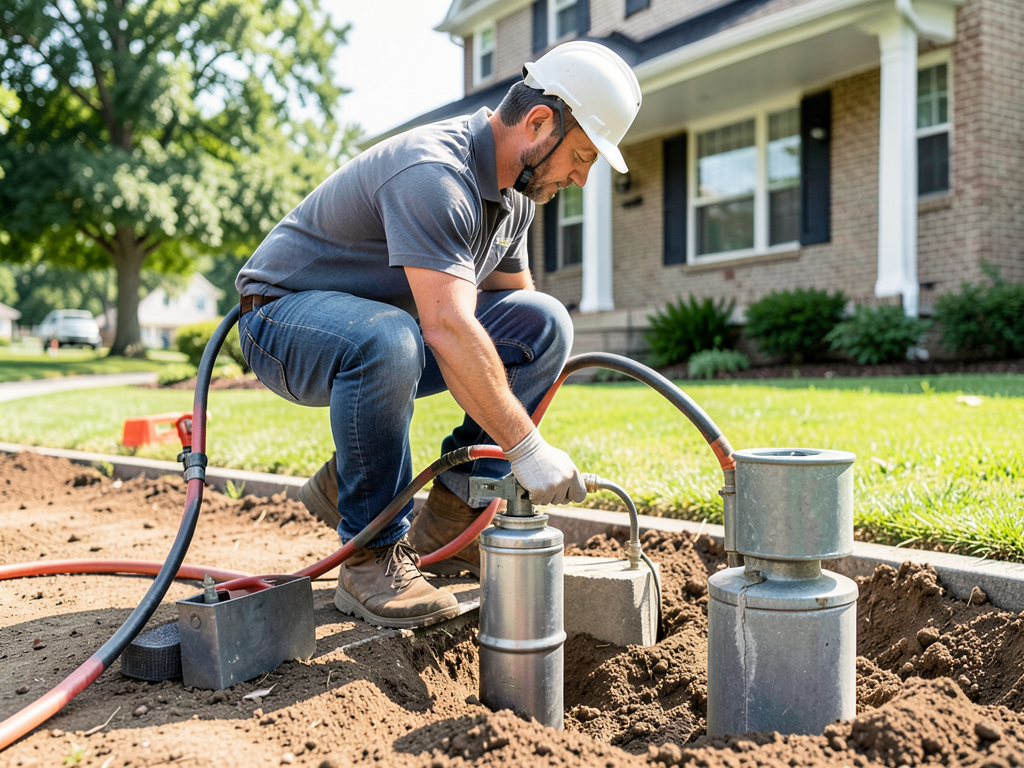
Once located, we excavate only the affected area. We expose the damaged section, cut out the failed pipe, and install a new segment using approved fittings and modern materials. For copper lines, we use compression couplings or sweat joints. For PVC, we use solvent-welded connections. For PEX, we use expansion fittings that create permanent, leak-proof bonds.

We pressure test the repair before backfilling. We bring the system up to full pressure and monitor for 30 minutes. Only after confirming zero leakage do we refill the trench, compact the soil properly, and restore your landscaping.

What Happens During Your Underground Leak Service

Wet Spots in Yard Austin – Expert Underground Leak Detection and Permanent Repair
01

Initial Leak Verification

We start by confirming the leak exists and ruling out surface water or irrigation issues. We check your water meter for continuous movement with all fixtures off, which proves water is escaping somewhere in the system. We also inspect your irrigation zones separately to eliminate sprinkler line failures. This diagnostic phase takes 30 to 45 minutes and prevents unnecessary excavation.
02

Precision Leak Location

Using acoustic listening equipment and pressure zone testing, we trace the leak to a specific area in your yard. We mark the spot with flags and explain what we found. You'll know exactly where we need to dig and why. We map the leak location relative to your property lines, utilities, and landscaping features so you understand the scope before we start excavation.
03

Permanent Repair and Restoration

We excavate carefully to avoid damaging surrounding pipes or utilities. After removing the failed section and installing the new pipe segment, we pressure test the repair to confirm it holds. We backfill with the original soil, compact it to prevent settling, and restore grass or landscaping materials. You'll have a dry yard and normal water pressure within hours, not days.

Why Austin Property Owners Call Us for Underground Leaks

Underground leaks require specialized equipment and experience that general handymen don't have. All Pro Plumbing Austin has located and repaired hundreds of hidden pipe failures across Travis County, from Barton Hills to Wells Branch.

We understand how Austin's soil behaves. The black clay in Mueller and East Austin expands and contracts dramatically. The limestone caliche layers in West Lake Hills make excavation more complex. The sandy loam near the river in Zilker drains differently than the dense clay in Round Rock. We adjust our approach based on what's actually underground at your property.

We also know the common failure points in Austin homes. Many properties built in the 1970s and 1980s have galvanized steel service lines that rust from the inside out. Homes from the 1990s often have polybutylene supply lines that crack at the fittings. Newer construction sometimes has improperly installed PEX that fails under pressure. We've seen every type of underground plumbing failure this region produces.

Our trucks carry the parts and fittings needed for same-day repairs. We stock copper, PVC, CPVC, and PEX materials in multiple diameters. We don't leave to get parts and return tomorrow. We fix the leak during the same visit.

We also coordinate with other trades when needed. If your leak compromised your foundation or required landscape restoration beyond basic grading, we connect you with trusted local contractors. We don't disappear after the pipe is fixed.

You also avoid the permit confusion. For water line repairs within your property line, permits usually aren't required. If your leak is between the meter and the main, we handle the city coordination and ensure the repair meets Austin Water standards.

What to Expect When We Repair Your Underground Leak

Response Time and Scheduling

We respond to underground leak calls within four hours during normal business hours. For emergencies where water is actively flooding your foundation or creating dangerous conditions, we dispatch immediately. Most diagnostics and repairs are completed in a single visit. Complex leaks involving multiple failure points or deeper lines may require a second day. We give you an accurate timeline after the initial assessment, and we don't leave you waiting. You'll know when we're arriving, how long the work will take, and when your water will be restored.

Diagnostic Process and Transparency

Before we dig, we explain what we found and show you the evidence. You'll see the pressure gauge readings, hear the acoustic signal if applicable, and understand why we're confident about the leak location. We walk you through the repair options and explain the cost before starting work. If we discover additional problems during excavation, we stop and discuss them with you. You approve every phase. We also take photos of the exposed pipe, the damage, and the completed repair so you have documentation for your records or insurance claims.

Quality of Materials and Workmanship

We use materials rated for underground burial and Texas soil conditions. Copper repairs get Type L copper pipe and lead-free solder. PVC repairs get Schedule 40 PVC with proper primer and solvent cement. PEX repairs get expansion fittings that are stronger than the pipe itself. We don't use push-fit connectors underground because they can fail under shifting soil pressure. Every joint is permanent and tested under pressure before we cover it. The repair will outlast the surrounding pipe sections, and you won't see that leak again.

Post-Repair Support and Monitoring

After the repair, we recommend monitoring your water bill for the next two cycles to confirm your consumption returns to normal. We also suggest watching the repair area for any settling or new wet spots, which would indicate secondary issues. If you notice anything unusual within 30 days of the repair, we return to inspect at no additional diagnostic charge. We want you confident the problem is solved. We also provide guidance on protecting your pipes going forward, including root barrier recommendations and soil moisture management strategies for Austin's climate.

Frequently Asked Questions

You Have Questions,
We Have Answers

How do I fix a wet spot in my yard? +

First, identify the source. Check for leaking irrigation lines, broken sprinkler heads, or underground pipe breaks. In Austin's expansive clay soil, a persistent wet spot often signals a hidden plumbing leak. Turn off all water fixtures and check your meter. If it's still spinning, you have a leak. For drainage issues, regrade the area to slope away from the wet zone or install a French drain. If the spot reappears quickly after rain, you need professional leak detection. Don't ignore it. Standing water damages foundations and attracts mosquitoes in our humid climate.

What causes wet spots in the yard? +

Wet spots appear for several reasons. Broken water or sewer lines are the most common culprits. Leaking irrigation systems waste thousands of gallons before you notice. Poor grading causes water to pool instead of draining. Austin's clay soil holds water like a sponge, making drainage problems worse. Tree roots can crack underground pipes. Failed slab leaks under your foundation create damp patches in the yard above. Heavy rain combined with compacted soil prevents absorption. If the wet spot appears during dry spells, you almost certainly have a plumbing leak that needs immediate attention.

How to fix water runoff in yard? +

Water runoff damages landscaping and erodes soil. Start by regrading problem areas to create a gentle slope away from structures. Install a French drain with perforated pipe and gravel to redirect water. Rain gardens planted with native Texas plants absorb runoff naturally. Dry creek beds channel water to appropriate drainage points. For severe runoff in Austin's clay soil, consider a catch basin system. Downspout extensions move roof water away from your foundation. Aerate compacted soil to improve absorption. If runoff persists or threatens your foundation, call a plumber to assess drainage solutions.

Why is the ground wet when it hasn't rained? +

If the ground stays wet without rain, you have a leak. Underground water or sewer line breaks release water constantly. Slab leaks under your foundation seep upward through soil. Irrigation system failures waste water invisibly. In Austin, our high water table can cause damp spots in low-lying areas, but true wet patches signal active leaks. Check your water meter with all fixtures off. Movement means water is escaping somewhere. Hot spots in the grass during winter indicate hot water line leaks. Do not wait. Leaks escalate fast and spike your water bill.

How do I fix a swampy area in my yard? +

Swampy areas result from poor drainage or underground leaks. First, rule out plumbing issues by checking your water meter for hidden leaks. For drainage problems, install a French drain system with gravel and perforated pipe to move water away. Aerate the soil to break up Austin's dense clay and improve absorption. Add sand or compost to improve soil structure. Regrade the area to create positive drainage. Plant water-tolerant native grasses or create a rain garden. For persistent swampy conditions near your foundation, you need professional leak detection and drainage solutions immediately.

Who is responsible for water leaks outside the house? +

Responsibility depends on the leak location. Homeowners own and maintain all plumbing from the house to the property line. This includes irrigation systems, outdoor faucets, and service lines. The city owns the water main in the street and the meter. If the leak occurs between the meter and your house, you pay for repairs and wasted water. Shared lines between properties get complicated. Check your homeowner's insurance. Some policies cover sudden pipe breaks but not gradual leaks. In Austin, high water bills from undetected leaks are your responsibility.

How to dry up a wet yard fast without drainage? +

Without drainage infrastructure, drying a wet yard takes effort. Rent a sump pump to remove standing water quickly. Spread a layer of sand or topsoil to absorb moisture and raise the grade. Aerate compacted areas so water can penetrate instead of pooling. Avoid walking on saturated soil, which worsens compaction. In Austin's heat, wet areas dry faster in summer than winter. Run a rototiller through swampy sections once surface water clears. If the yard refills with water, you have a leak, not a drainage issue, and need immediate plumbing inspection.

Should you still water your lawn in October? +

Yes, but less frequently. Austin lawns still need water in October despite cooler temps. Our fall stays warm and dry enough to stress grass. Water once weekly instead of three times. Bermuda grass goes dormant but St. Augustine stays active. Check soil moisture before watering. Clay soil retains water longer than you think. Early morning watering prevents fungal growth. If you notice wet spots that do not dry between waterings, you may have irrigation leaks or broken sprinkler heads. October is the perfect time to winterize your system and check for hidden leaks.

Is it better to roll or level a lawn? +

Leveling works better than rolling for most Austin yards. Rolling compacts soil, which worsens drainage in our heavy clay. It only helps after seeding to ensure seed-to-soil contact. Leveling with a topdressing mix fills low spots and creates proper grade. Use a mixture of sand, compost, and topsoil. Spread it thin, no more than half an inch at a time, so grass grows through. For serious dips or drainage issues causing wet spots, regrading may require professional help. Never roll wet soil. It destroys soil structure and creates drainage nightmares.

What to put on the ground to absorb water? +

For temporary water absorption, spread sand, sawdust, or kitty litter over small wet areas. Mulch and compost absorb moisture while improving soil structure. Peat moss soaks up water but acidifies soil over time. In Austin's clay soil, adding expanded shale or perlite improves drainage long term. Gravel creates permeable surfaces for pathways. None of these fix the root cause. If water keeps appearing, you have a plumbing leak or grading problem. Address the source instead of masking symptoms. Persistent wet spots damage foundations and breed mosquitoes in our humid climate.

How Austin's Clay Soil and Tree Roots Create Underground Plumbing Failures

Central Texas sits on expansive clay soil that swells when wet and shrinks when dry. This seasonal movement stresses underground pipes at joints and fittings. During summer droughts, the clay contracts and pulls away from pipes, creating voids. When fall rains arrive, the soil expands rapidly and applies pressure to weakened connections. Pipes installed in the 1970s and 1980s, before flexible bedding materials were standard, experience the worst damage. Live oak and cedar elm roots also exploit these weakened joints, penetrating cracks to access water and widening the failure.

All Pro Plumbing Austin has repaired underground leaks in every Austin neighborhood, from older homes in Hyde Park with cast iron service lines to newer developments in Pflugerville with poorly installed PEX. We understand the specific plumbing challenges created by local soil conditions and construction practices common to Travis County. When you hire a plumber familiar with Austin's underground environment, you avoid misdiagnosis and get a repair method that accounts for how the ground will behave through future wet and dry cycles.
Plumbing Services in The Austin Area

While we proudly serve the entire Austin area, you can easily locate our central operations or explore our service coverage on the map below. We are committed to reaching you promptly, wherever you are within our service region, ensuring timely and efficient plumbing solutions for both residential and commercial clients. Feel free to zoom in and out to visualize our extensive service areas and discover how close professional plumbing assistance truly is.

Address:
All Pro Plumbing Austin, 3800 North Lamar Boulevard Lamar Central, Austin, TX, 78756

Additional Services We Offer

Our news updates

Latest Articles & News from The Blogs

Planning the Plumbing for a New Master Suite Addition in Govalle Adding a master suite to your Govalle home requires…

Planning the Plumbing for a New Master Suite Addition in Govalle

Planning the Plumbing for a New Master Suite Addition in Govalle Adding a master suite to your Govalle home requires…

How to Stop That Loud Thumping Noise in Your St Edwards Home (Water Hammer Explained)

How to Stop That Loud Thumping Noise in Your St Edwards Home (Water Hammer Explained) Does your plumbing sound like…

Why Your Copperfield Yard Smells Like Sewage and What to Do About It

Why Your Copperfield Yard Smells Like Sewage and What to Do About It Your Copperfield yard should smell like fresh…

Contact Us

Call All Pro Plumbing Austin now at (737) 316-0588. We'll locate the underground leak, repair it permanently, and restore your yard the same day. No guessing, no unnecessary digging, no delays.