Menu

Whole Home Repiping in Austin – Complete Pipe Replacement for Homes Built on Shifting Clay Soil

All Pro Plumbing Austin specializes in full home repiping for properties affected by expansive clay soil movement, outdated galvanized lines, and high mineral content water that shortens pipe lifespan across Central Texas.

Slider Image 1
Slider Image 2
Slider Image 3
Slider Image 4
Slider Image 5
Slider Image 7
Slider Image 8
Slider Image 9
Slider Image 10
Slider Image 11

Why Austin Homes Face Premature Pipe Failure

Austin sits on expansive clay soil that swells when wet and contracts during drought. This constant movement stresses underground plumbing and foundation slabs, causing slab leaks, pinhole leaks, and joint separation in older copper and galvanized pipe systems. If your home was built before 1990, you likely have galvanized pipes corroding from the inside due to our water's high mineral content.

The Edwards Aquifer feeds Austin's municipal supply with hard water carrying calcium, magnesium, and trace minerals. While safe to drink, these minerals accelerate pipe corrosion and scale buildup. Galvanized steel pipes develop rust and zinc coating degradation within 40 to 50 years. Copper pipes fare better but still suffer from pinhole leaks caused by acidic soil conditions and electrolysis when mixed with dissimilar metals.

Neighborhoods in Central Austin, Hyde Park, Travis Heights, and older sections of Zilker show the highest rates of pipe failure due to construction dates and soil profiles. You may notice discolored water, low pressure, or frequent leaks. These are signs your entire system is failing, not just one section. A whole house repipe replaces all supply lines from the meter to every fixture, eliminating decades of corrosion and preventing catastrophic water damage. House repiping is not a repair. It is a complete infrastructure overhaul that protects your home's value and your family's health.

Why Austin Homes Face Premature Pipe Failure
How Full Home Repiping Works in Austin Properties

How Full Home Repiping Works in Austin Properties

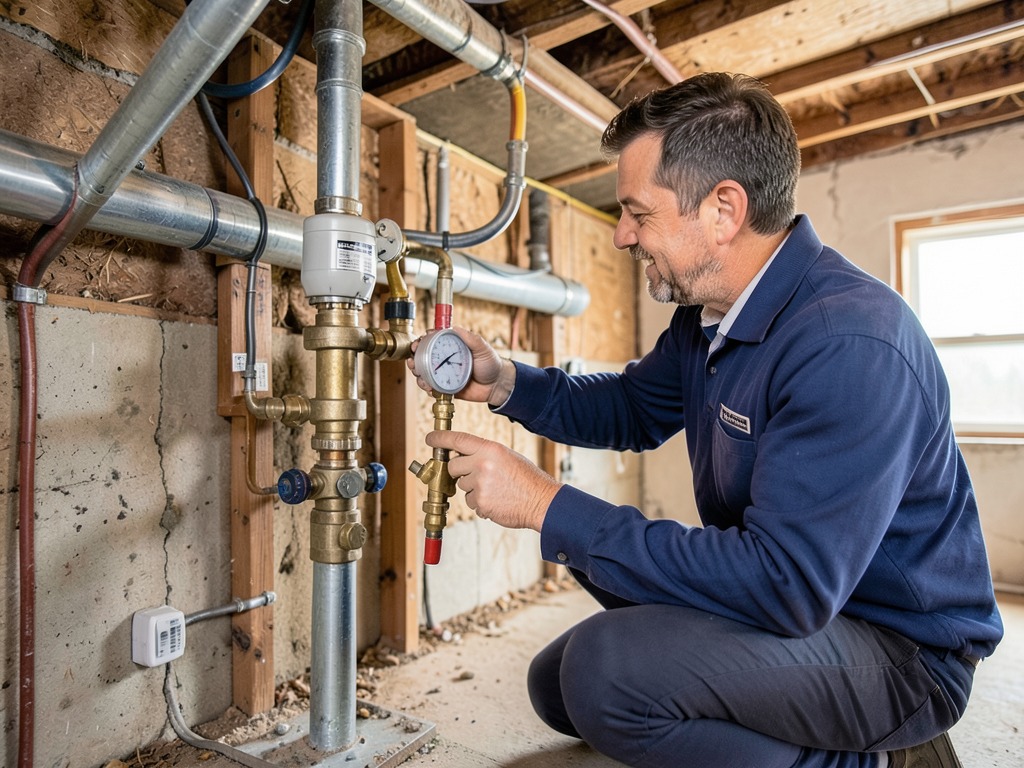
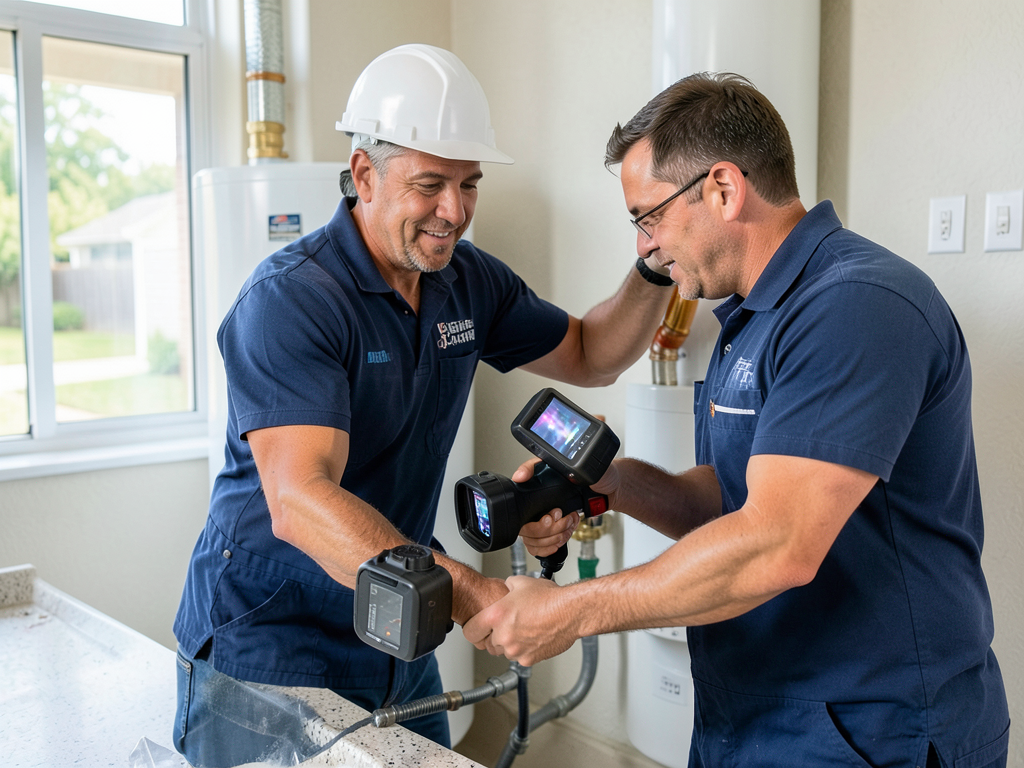
Replumbing a house begins with a pressure test and video inspection of existing lines to map the current system layout. All Pro Plumbing Austin uses electronic leak detection and thermal imaging to identify hidden leaks behind walls and under slabs before demolition begins. This prevents surprises during construction and keeps the project on schedule.

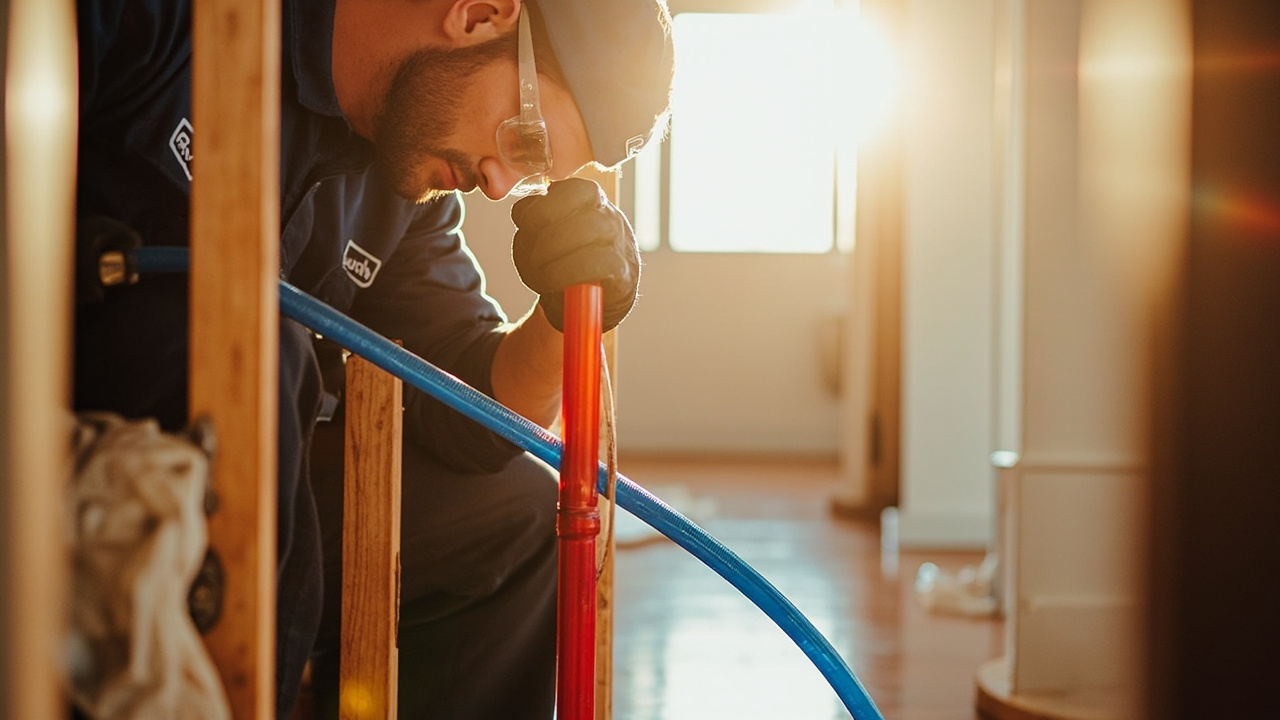
We route new Type L copper or PEX piping through attic spaces, crawl spaces, or exterior walls to minimize drywall damage. For slab homes common in Austin, we often run new lines overhead instead of tunneling under concrete. This approach reduces labor time and avoids disturbing your foundation, which is already under stress from clay soil movement.

Pipe material selection depends on your water chemistry and budget. Type L copper offers durability and heat resistance but costs more upfront. Cross-linked polyethylene, or PEX, resists scale buildup and installs faster due to flexible runs and fewer joints. Both materials meet Austin's plumbing code and perform well in our climate. We install individual shut-off valves at each fixture and a whole-house shutoff at the main line for future maintenance access.

All connections use lead-free solder or crimped fittings tested to 150 PSI, well above the 80 PSI standard in Austin's water system. After installation, we conduct a 24-hour pressure hold test before closing walls. This catches any weak joints or defects before you move back in. The process takes three to five days for most single-family homes, depending on square footage and complexity.

What Happens During Your House Repiping Project

Whole Home Repiping in Austin – Complete Pipe Replacement for Homes Built on Shifting Clay Soil
01

System Inspection and Planning

We map your existing plumbing layout using electronic leak detection and pressure testing to identify failed sections and plan the most efficient routing for new supply lines. This step includes material selection based on your water quality, budget, and home structure. You receive a detailed scope of work with a fixed price before any demolition begins, so there are no surprises during construction.
02

Pipe Installation and Testing

Our team removes old corroded pipes and installs new Type L copper or PEX lines through attic spaces or walls to minimize slab penetration. Each connection is soldered or crimped to code, and individual fixture shutoffs are installed for future maintenance. After installation, we run a 24-hour pressure hold test at 150 PSI to verify system integrity before closing walls and restoring finishes.
03

Final Inspection and Walkthrough

We schedule a city inspection to verify code compliance, then restore drywall, insulation, and paint to match existing finishes. You receive a full walkthrough explaining your new system layout, shutoff valve locations, and maintenance recommendations. We document all work with photos and provide a detailed record for future reference or resale. Your water service is restored with improved pressure and zero leaks.

Why Austin Homeowners Trust All Pro Plumbing Austin for Whole House Pipe Replacement

Repiping a home in Austin requires familiarity with local soil conditions, water chemistry, and building codes that differ from other Texas cities. All Pro Plumbing Austin has worked extensively in neighborhoods where expansive clay soil causes foundation movement and pipe stress. We understand how to route new lines to avoid future damage from settling slabs and shifting ground.

Our team knows Austin's municipal code requirements for pipe materials, backflow prevention, and pressure regulation. The city mandates pressure-reducing valves when street pressure exceeds 80 PSI, common in hillside neighborhoods near Mount Bonnell and West Lake Hills. We install PRVs during repiping projects to protect your new system from overpressure damage and extend pipe life.

We also understand the permitting process through the City of Austin Development Services Department. Whole house repiping requires a permit and final inspection before the work is considered complete. We handle all permit applications, schedule inspections, and ensure compliance with the International Plumbing Code as adopted by Austin. This protects you from liability and ensures your home meets resale standards.

Austin homeowners choose us because we communicate clearly, protect your property during construction, and deliver clean, code-compliant work. We use drop cloths, corner guards, and temporary barriers to minimize dust and debris. Most projects finish in three to five days with minimal disruption to your routine. You get a reliable plumbing system designed to last 50 years or more without the ongoing leak repairs and water damage that come with aging galvanized or copper pipes.

What to Expect During Your Full Home Repiping

Project Timeline and Scheduling

Most single-family homes in Austin require three to five days for complete pipe replacement, depending on square footage and system complexity. Multi-story homes or properties with limited attic access may take longer. We schedule work in continuous blocks to finish quickly and minimize disruption. Your water service will be off during active work hours but restored each evening so you can use sinks, showers, and toilets overnight. We coordinate with you to schedule work around your family's needs and provide advance notice before shutting off water each morning.

Initial Assessment and Material Selection

Your project begins with a detailed inspection of your current plumbing system, including pressure testing, leak detection, and water quality analysis. We evaluate your home's structure to determine the best routing for new pipes and whether copper or PEX is better suited to your water chemistry and budget. You receive a written estimate with a fixed price covering all labor, materials, permits, and city inspections. This assessment typically takes one to two hours and allows us to identify any hidden issues before work begins.

The Quality of Your New System

Your new plumbing system will deliver consistent water pressure, eliminate discolored water, and stop the cycle of recurring leaks. Type L copper pipes offer superior heat resistance and longevity, while PEX provides flexibility and resistance to scale buildup from Austin's hard water. All connections meet or exceed code requirements and are tested to 150 PSI before walls are closed. You will notice immediate improvements in water quality, pressure consistency, and peace of mind knowing your system is built to last decades without major repairs.

Post-Installation Support and Documentation

After your replumbing project is complete, we provide detailed documentation including photos of the new system layout, locations of shutoff valves, and a record of all inspections and permits. This documentation is valuable for future maintenance and adds transparency during home resale. We walk you through your new system, explain how to use individual fixture shutoffs, and answer any questions about ongoing care. While whole house repiping eliminates the need for frequent repairs, we remain available for any questions or service needs that arise.

Frequently Asked Questions

You Have Questions,
We Have Answers

How much does it cost to repipe a whole house? +

Whole home repiping costs vary based on home size, pipe material, and access. In Austin, expect factors like foundation type (slab vs. pier-and-beam) and the age of your home to affect pricing. Older homes in neighborhoods like Hyde Park or Travis Heights often require more labor due to accessibility challenges. Copper piping costs more than PEX but offers durability in Austin's hard water. A typical single-story home runs less than a two-story with complex layouts. Get a detailed inspection first to understand your specific scope and avoid surprise costs during the project.

How much does plumbing cost for a 2000 sq ft house? +

Plumbing costs for a 2000 sq ft house depend on whether you need repiping, new installation, or repairs. For whole home repiping in Austin, size matters but so does layout and pipe material choice. A single-story 2000 sq ft home costs less than a two-story due to simpler access. Austin's expansive clay soil can shift foundations, affecting pipe integrity over time. PEX offers flexibility and cost savings compared to copper. Factor in the number of bathrooms, kitchens, and water heater locations. Always get a camera inspection to identify hidden issues before committing to full replacement.

Is it worth it to repipe your house? +

Yes, repiping is worth it if you face frequent leaks, low water pressure, or discolored water. In Austin, homes built before 1980 often have galvanized pipes prone to corrosion from our mineral-rich water. Repiping prevents water damage, mold growth, and costly emergency repairs. It also increases home value, which matters in Austin's competitive real estate market. Modern materials like PEX or copper improve water quality and flow. If you plan to stay in your home long-term or sell soon, repiping protects your investment and eliminates the stress of unpredictable plumbing failures.

How much for a full replumb? +

A full replumb cost depends on home size, pipe material, and accessibility. Austin homes with slab foundations require more invasive work than pier-and-beam structures, affecting labor costs. Material choice matters: PEX offers affordability and flexibility, while copper provides longevity in hard water conditions common here. The number of fixtures, bathrooms, and stories impacts total scope. Older homes in Central Austin neighborhoods often have outdated galvanized pipes that need complete replacement. Get multiple quotes and ensure your plumber performs a thorough inspection, including camera diagnostics, to accurately assess your system before starting work.

Does repiping lower insurance? +

Repiping can lower insurance premiums or make coverage easier to obtain. Many insurers in Texas hesitate to cover homes with outdated galvanized or polybutylene piping due to leak and water damage risks. After repiping with modern materials like PEX or copper, you may qualify for discounts or better policy terms. Contact your insurance provider before starting the project to understand potential savings. In Austin's older neighborhoods like Zilker or Bouldin Creek, where homes were built decades ago, updating plumbing can be the difference between affordable coverage and policy denial. Always document the work for your insurer.

Do old houses need new plumbing? +

Yes, old houses often need new plumbing, especially in Austin where many homes date back 50-plus years. Galvanized pipes corrode from our hard, mineral-heavy water, causing low pressure, rust-colored water, and leaks. Homes in historic districts like Clarksville or Old West Austin face these issues frequently. Polybutylene pipes, common in 1980s construction, are prone to failure. If your home has frequent leaks, visible corrosion, or you are renovating, repiping makes sense. Modern materials prevent future problems and protect your foundation from water damage caused by shifting clay soil common throughout Central Texas.

What are common hidden plumbing costs? +

Hidden plumbing costs include wall and floor repairs after accessing pipes, especially in slab foundations common in Austin. You may need drywall patching, repainting, or flooring replacement. Permit fees and inspections add expense. Discovering additional damage during the project, like corroded fittings or outdated water heaters, increases scope. If your home has cast iron drain lines, replacement costs more than standard supply line repiping. Older Austin homes may require upgrades to meet current code. Landscaping restoration matters if exterior trenching is needed. Always budget 10-20% extra for unforeseen issues that surface once walls open up.

How often should plumbing be replaced in a house? +

Plumbing lifespan depends on material. Copper pipes last 50-70 years, while galvanized pipes deteriorate in 20-50 years, especially in Austin's hard water. PEX, a newer option, is rated for 40-50 years but lacks long-term history. If your home was built before 1980 and still has original plumbing, replacement is overdue. Signs include frequent leaks, discolored water, or low pressure. Proactive replacement prevents catastrophic failures and water damage. In Austin's older neighborhoods, many homes need repiping as they approach or exceed the 40-year mark. Inspect your system regularly to catch problems early.

What is the most expensive part of building a house? +

Framing, foundation, and major systems like HVAC and plumbing are the costliest parts of building a house. Plumbing represents a significant portion due to material, labor, and code compliance requirements. In Austin, foundation costs run higher due to expansive clay soil that shifts with moisture changes, requiring engineered solutions. Copper piping increases plumbing expenses compared to PEX. Complex layouts with multiple bathrooms, kitchens, or stories add labor. Permitting and inspections in Austin also contribute to overall costs. While plumbing is expensive, skimping on quality materials or installation creates long-term problems and costlier repairs down the line.

What is the 30% rule for renovations? +

The 30% rule suggests spending no more than 30% of your home's value on renovations to avoid over-improving for your neighborhood. In Austin's hot real estate market, this guideline helps maintain resale value. If your home is worth $400,000, cap renovations at $120,000. Whole home repiping fits within necessary upgrades that protect your investment without over-capitalizing. Focus on projects that prevent damage, improve function, or meet buyer expectations. In older Austin neighborhoods, updating plumbing is essential and typically recovers costs at resale. Balance cosmetic upgrades with critical infrastructure work to maximize return and maintain market competitiveness.

How Austin's Expansive Clay Soil and Hard Water Accelerate Pipe Corrosion

Austin sits on the Blackland Prairie and Edwards Plateau, where expansive clay soil containing montmorillonite minerals swells up to 10 percent when saturated and shrinks during dry periods. This movement stresses underground plumbing and creates pressure on slab foundations, leading to joint separation and pinhole leaks in copper and galvanized pipes. Homes in older neighborhoods like Brentwood, Allandale, and Rosedale experience higher failure rates due to construction methods used before modern foundation engineering. Combine this with water from the Edwards Aquifer carrying 120 to 180 milligrams per liter of calcium carbonate, and you have conditions that corrode pipes faster than in cities with softer water and stable soil.

Full home repiping in Austin requires understanding local code amendments and inspection requirements specific to Travis County and the City of Austin. The city enforces strict backflow prevention rules and mandates pressure-reducing valves in areas with elevated street pressure. All Pro Plumbing Austin works daily with inspectors from Austin's Development Services Department and understands the permitting process for residential plumbing alterations. Choosing a local plumber familiar with these regulations ensures your project passes inspection the first time and meets resale requirements if you decide to sell your home in the future.
Plumbing Services in The Austin Area

While we proudly serve the entire Austin area, you can easily locate our central operations or explore our service coverage on the map below. We are committed to reaching you promptly, wherever you are within our service region, ensuring timely and efficient plumbing solutions for both residential and commercial clients. Feel free to zoom in and out to visualize our extensive service areas and discover how close professional plumbing assistance truly is.

Address:
All Pro Plumbing Austin, 3800 North Lamar Boulevard Lamar Central, Austin, TX, 78756

Additional Services We Offer

Our news updates

Latest Articles & News from The Blogs

Planning the Plumbing for a New Master Suite Addition in Govalle Adding a master suite to your Govalle home requires…

Planning the Plumbing for a New Master Suite Addition in Govalle

Planning the Plumbing for a New Master Suite Addition in Govalle Adding a master suite to your Govalle home requires…

How to Stop That Loud Thumping Noise in Your St Edwards Home (Water Hammer Explained)

How to Stop That Loud Thumping Noise in Your St Edwards Home (Water Hammer Explained) Does your plumbing sound like…

Why Your Copperfield Yard Smells Like Sewage and What to Do About It

Why Your Copperfield Yard Smells Like Sewage and What to Do About It Your Copperfield yard should smell like fresh…

Contact Us

If your home was built before 1990 and you are dealing with recurring leaks, discolored water, or low pressure, a whole house repipe is the only permanent fix. Call All Pro Plumbing Austin at (737) 316-0588 to schedule an inspection and receive a detailed estimate for your property.