Menu

No Hot Water Diagnosis in Austin – Expert Troubleshooting That Identifies the Real Problem Fast

Get accurate no hot water diagnosis from licensed plumbers who identify water heater issues quickly, explain what's causing the problem, and give you clear options to restore hot water in your Austin home.

Slider Image 1
Slider Image 2
Slider Image 3
Slider Image 4
Slider Image 5
Slider Image 7
Slider Image 8
Slider Image 9
Slider Image 10
Slider Image 11

Why Your Austin Water Heater Suddenly Stopped Producing Hot Water

You turn on the tap expecting hot water, and nothing. Cold water pours out. Your morning routine grinds to a halt.

This happens to Austin homeowners every day, and it's rarely a simple fix. The causes range from a tripped breaker to a failed heating element, from sediment buildup to a faulty thermostat. The problem is that you can't see inside the tank. You need someone who can troubleshoot water heater problems methodically.

Austin's hard water accelerates sediment accumulation inside tanks. The minerals in the water settle at the bottom of the tank and insulate the heating element from the water. Your heater works harder, heats less, and eventually fails. This is a leading cause of no hot water in Central Texas homes.

Other common causes include a blown thermal cutoff switch, a failed upper heating element on electric units, or a pilot light issue on gas models. On tankless systems, mineral scale clogs the heat exchanger, triggering error codes and cold water flow.

When you diagnose lack of hot water, you need to isolate the symptom. Is there no hot water anywhere in the house? Is the water lukewarm? Does the hot water run out quickly? Each symptom points to a different failure mode.

You can identify water heater issues by checking the breaker panel, inspecting the pilot light, and feeling the temperature of the tank itself. But most water heater malfunction symptoms require testing voltage, resistance, and continuity. That requires tools and training.

Guessing costs you time and money. A proper diagnosis saves both.

Why Your Austin Water Heater Suddenly Stopped Producing Hot Water
How We Diagnose Water Heater Problems the Right Way

How We Diagnose Water Heater Problems the Right Way

We start by listening. You tell us when the hot water stopped, what changed before it happened, and what you've already tried. This narrows the diagnostic tree.

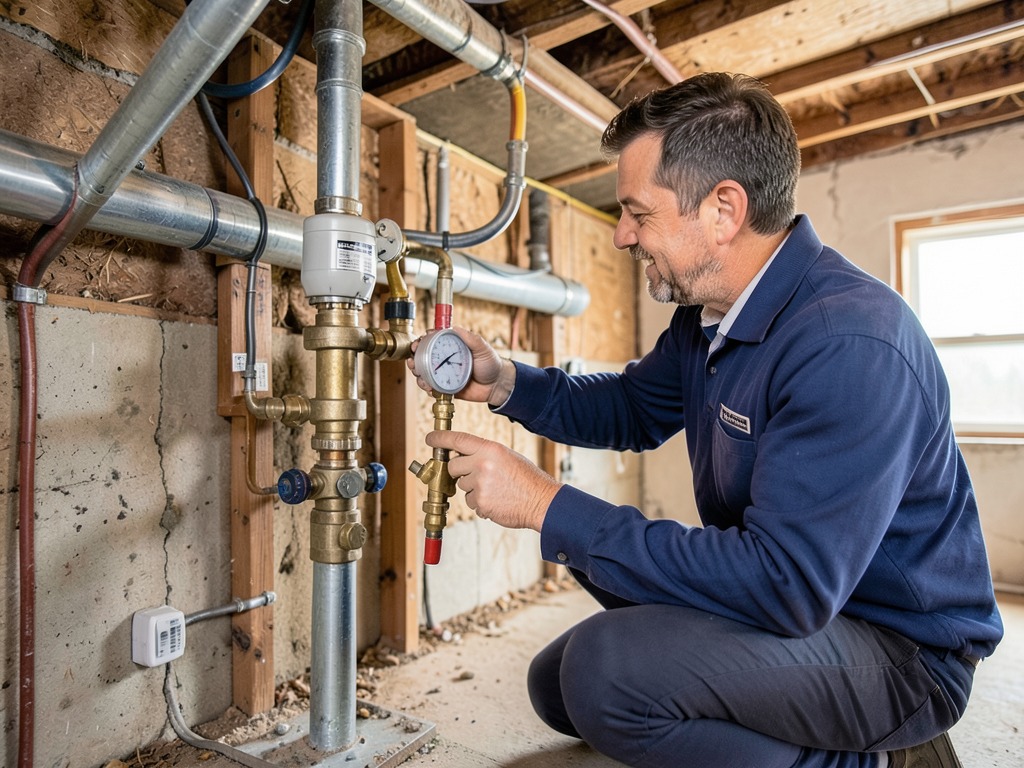
Then we inspect the unit itself. We check the age, the brand, the fuel source, and the installation quality. We look at the temperature and pressure relief valve, the discharge pipe, and the condition of the tank exterior. Rust stains and moisture indicate a leak. A hissing sound indicates a pressure issue.

For electric water heaters, we test the power supply at the breaker, then at the unit itself. We remove the access panels and test both thermostats and both heating elements with a multimeter. We check for continuity, resistance, and voltage. A failed upper element means no hot water at all. A failed lower element means the hot water runs out fast.

For gas water heaters, we confirm the pilot light is lit, test the thermocouple, and inspect the burner assembly for carbon buildup. We check the gas supply line and test the pressure. A weak flame or delayed ignition indicates a gas flow issue or a dirty burner.

For tankless units, we pull the error code from the display, flush the heat exchanger if scale is present, and test the flow rate at the fixtures. Tankless systems are sensitive to low flow and mineral buildup.

We also test the water at the tap. If the hot water is discolored or smells like sulfur, the anode rod has dissolved, and the tank is corroding from the inside.

We give you the diagnosis in plain language, explain what failed and why, and walk you through the repair or replacement options. No upselling. Just facts.

What Happens During a No Hot Water Service Call

No Hot Water Diagnosis in Austin – Expert Troubleshooting That Identifies the Real Problem Fast
01

Initial System Assessment

We arrive with diagnostic tools and test the system from the power source to the fixtures. We check electrical connections, gas supply lines, and water flow. We document the age and condition of the water heater, inspect for visible damage or leaks, and take baseline temperature readings. This step takes 15 to 20 minutes and gives us the information we need to isolate the failure point quickly.
02

Component Testing and Isolation

We use a multimeter to test heating elements, thermostats, and high-limit switches on electric models. On gas models, we test the thermocouple, igniter, and gas valve. We remove access panels and physically inspect internal components. We test water pressure, check the expansion tank if present, and measure the temperature differential between inlet and outlet. This step pinpoints the exact failed component.
03

Diagnosis and Repair Plan

We explain what caused the failure, show you the failed part if accessible, and give you a written estimate for the repair. If the unit is old or severely corroded, we discuss replacement options and help you choose the right size and fuel type. You make the decision. We execute the repair or schedule the replacement. You get hot water back as fast as possible.

Why Austin Homeowners Trust All Pro Plumbing Austin for Water Heater Diagnosis

Water heaters fail at the worst possible time. You need a plumber who shows up when promised and solves the problem the first time.

We've diagnosed hundreds of no hot water calls across Austin, from Hyde Park bungalows to Westlake Hills estates. We know the common failure modes for every brand sold in Central Texas. We stock the parts that fail most often, so we can complete the repair on the first visit.

Austin's water chemistry is hard on water heaters. The high mineral content shortens the life of heating elements and accelerates anode rod depletion. We account for this when we diagnose the problem. If your water heater is more than eight years old and the tank is corroding, we tell you. If the repair is a simple thermostat replacement, we tell you that too.

We don't sell you a new water heater unless you need one. We don't upsell you on features you won't use. We diagnose the issue, explain the cost to fix it, and let you decide.

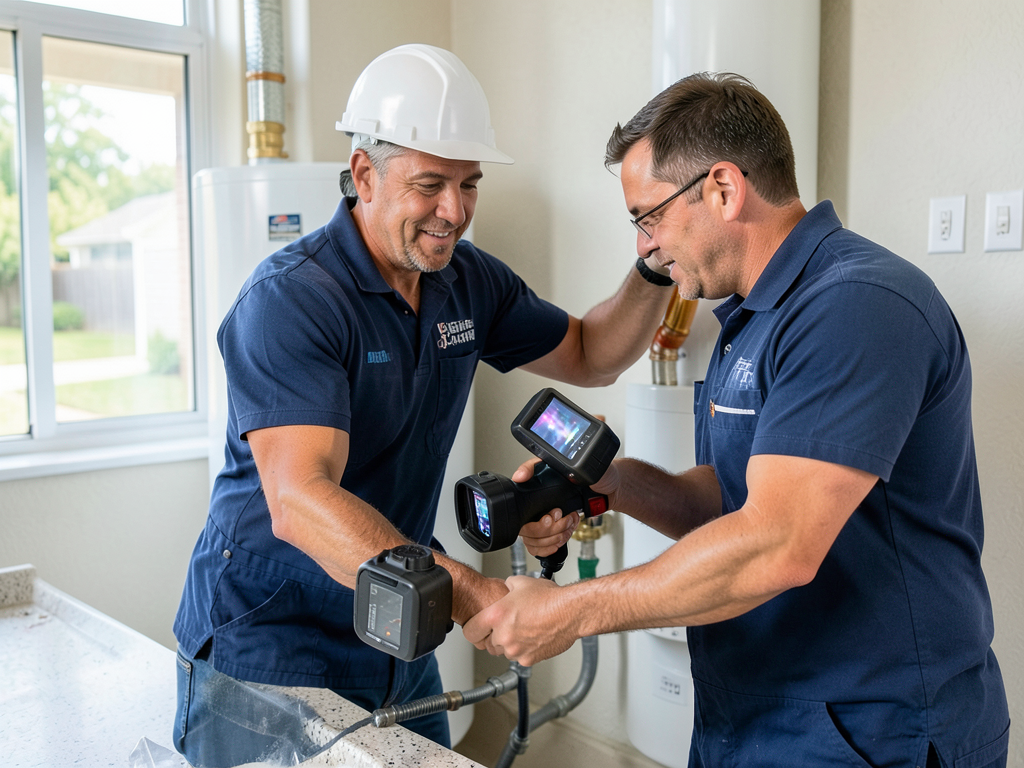
Our technicians carry multimeters, voltage testers, and thermal imaging tools. We test components, not symptoms. We know the difference between a tripped high-limit switch and a failed heating element. We know when a tankless unit needs descaling versus a full heat exchanger replacement.

We also know the City of Austin plumbing codes for water heater installations. If your current unit was installed incorrectly, we identify the code violations and correct them during the repair or replacement. This protects you from liability and ensures the system operates safely.

We answer the phone. We show up on time. We fix the problem. That's why Austin homeowners call us first.

What You Can Expect During Your Water Heater Diagnosis

Fast Response Times

We schedule most diagnostic calls within 24 hours. For true emergencies like a leaking tank or a gas smell, we prioritize the call and dispatch a technician as soon as one is available. We give you a two-hour arrival window and call 30 minutes before we arrive. Most diagnostics take 30 to 45 minutes. If the repair is straightforward and we have the parts on the truck, we complete it the same day. If you need a replacement, we schedule it within 48 hours.

Transparent Diagnostic Process

We explain what we're testing and why. We show you the failed component if possible and walk you through the test results. We don't use jargon to confuse you. We give you a written diagnosis and a flat-rate estimate for the repair. You approve the work before we start. If the issue is more complex than expected, we call you before we proceed. You stay in control of the cost. No surprises.

Quality Repairs That Last

We use OEM or equivalent parts that meet the manufacturer's specifications. We don't cut corners. When we replace a heating element, we also replace the gasket and inspect the thermostat. When we replace a gas valve, we test the entire ignition sequence. We test the repair before we leave. You get hot water back, and it stays that way. We clean up the work area and haul away any old parts or packaging.

Follow-Up and Maintenance Guidance

After the repair, we explain what caused the failure and how to prevent it from happening again. We recommend a flush schedule based on your water hardness and usage. We show you how to test the temperature and pressure relief valve and how to check the anode rod. If your water heater is approaching the end of its service life, we give you a timeline so you can budget for a replacement. We don't pressure you. We inform you.

Frequently Asked Questions

You Have Questions,
We Have Answers

What is the most common cause of no hot water? +

The most common cause is a faulty heating element in electric water heaters or a malfunctioning pilot light or gas valve in gas units. In Austin, hard water deposits from our limestone aquifer also build up on heating elements, reducing efficiency and causing premature failure. For tank-style heaters, sediment accumulation at the bottom insulates water from the heat source. Tripped circuit breakers affect electric models, while gas supply interruptions impact gas heaters. Age matters too. Most water heaters last 8-12 years in Central Texas before components wear out. A licensed plumber can pinpoint the exact failure point quickly.

How to diagnose no hot water? +

Start by checking your circuit breaker panel for tripped breakers on electric heaters or verify the pilot light is lit on gas models. Feel the pipes leaving your water heater. If they are cold, the unit is not heating. Check the temperature setting on the thermostat. For gas heaters, listen for the burner igniting when you turn on hot water. Inspect the area for leaks or error codes on digital displays. If you smell gas, evacuate immediately and call your utility company. Most diagnosis requires a professional to test heating elements, thermostats, gas valves, and pressure relief valves safely.

Why would you suddenly have no hot water? +

Sudden loss of hot water typically means a component just failed. For electric heaters, a heating element burns out or a thermostat stops working. Gas heaters lose hot water when the pilot light goes out, the gas valve fails, or the thermocouple malfunctions. Tripped breakers cut power to electric units instantly. In Austin, power surges during summer storms can damage electric water heater controls. Sediment buildup from our mineral-rich water can suddenly block heating elements. If your unit is over 10 years old, internal corrosion may have finally caused a critical failure requiring immediate professional attention.

What would cause hot water to not work? +

Hot water stops working due to power supply issues, failed heating components, or fuel delivery problems. Electric heaters need both a functioning circuit breaker and working heating elements. Gas heaters require an open gas valve, lit pilot light, and operational thermocouple. The thermostat controls when heating occurs. If it fails, water never reaches temperature. Dip tube cracks allow cold water to mix with hot at the top of the tank. Severe sediment accumulation from Austin's hard water insulates the tank bottom from heat. Leaking tanks lose pressure and heating capacity. Age-related corrosion eventually destroys internal components in all water heaters.

How Austin's Hard Water Accelerates Water Heater Failures

Austin's water comes from the Highland Lakes and the Edwards Aquifer, both of which are rich in calcium and magnesium. This hard water deposits sediment at the bottom of your tank at a faster rate than in soft water regions. The sediment layer insulates the heating element from the water, forcing the heater to run longer to reach temperature. Over time, the element overheats and burns out. This is the most common cause of no hot water in Austin homes. Regular flushing slows the buildup, but it doesn't eliminate it.

We've worked with Austin Water Utility codes and local inspectors for years. We know the required setbacks, venting standards, and expansion tank requirements for residential water heater installations in Travis County. When we diagnose your system, we also check for code compliance. If your water heater was installed before 2015, it may not meet current standards. We identify these issues during the diagnosis and explain your options. Choosing a local plumber means you get a diagnosis that accounts for Austin's unique water chemistry and regulatory environment.
Plumbing Services in The Austin Area

While we proudly serve the entire Austin area, you can easily locate our central operations or explore our service coverage on the map below. We are committed to reaching you promptly, wherever you are within our service region, ensuring timely and efficient plumbing solutions for both residential and commercial clients. Feel free to zoom in and out to visualize our extensive service areas and discover how close professional plumbing assistance truly is.

Address:
All Pro Plumbing Austin, 3800 North Lamar Boulevard Lamar Central, Austin, TX, 78756

Additional Services We Offer

Our news updates

Latest Articles & News from The Blogs

Planning the Plumbing for a New Master Suite Addition in Govalle Adding a master suite to your Govalle home requires…

Planning the Plumbing for a New Master Suite Addition in Govalle

Planning the Plumbing for a New Master Suite Addition in Govalle Adding a master suite to your Govalle home requires…

How to Stop That Loud Thumping Noise in Your St Edwards Home (Water Hammer Explained)

How to Stop That Loud Thumping Noise in Your St Edwards Home (Water Hammer Explained) Does your plumbing sound like…

Why Your Copperfield Yard Smells Like Sewage and What to Do About It

Why Your Copperfield Yard Smells Like Sewage and What to Do About It Your Copperfield yard should smell like fresh…

Contact Us

Call All Pro Plumbing Austin at (737) 316-0588 to schedule your no hot water diagnosis. We'll identify the problem, explain the fix, and restore hot water to your home fast.