Menu

Water Stains on Ceiling or Walls in Austin | Expert Leak Source Detection and Permanent Repair

Those brown spots on your ceiling and yellow water marks spreading across your walls signal active leaks that can destroy your home's structure. All Pro Plumbing Austin uses thermal imaging and pressure testing to find hidden leaks fast, stopping damage before it costs you thousands.

Slider Image 1
Slider Image 2
Slider Image 3
Slider Image 4
Slider Image 5
Slider Image 7
Slider Image 8
Slider Image 9
Slider Image 10
Slider Image 11

Why Water Stains Appear Fast in Austin Homes

You spot a brown spot on your ceiling. Two days later, it doubles in size. A week later, you see damp patches on walls in the room below. This is not paint failure. You are watching active water intrusion.

Austin's expansive clay soil shrinks and swells with our seasonal wet-dry cycles. This movement stresses your foundation and shifts plumbing connections. When supply lines or drain pipes flex beyond tolerance, joints crack. Water escapes under pressure and migrates through cavities you cannot see.

Ceiling discoloration from leaks shows up in specific patterns. Yellow water marks with brown edges indicate slow seepage from above. Circular stains point to a pinhole leak directly overhead. Spreading moisture stains on drywall signal a hidden supply line failure traveling laterally through wall cavities before soaking through.

Central Texas humidity compounds the problem. Once drywall gets wet, it stays wet. The moisture creates perfect conditions for mold colonization within 48 hours. The longer water sits behind your walls, the more structural damage accumulates.

Most homeowners assume the stain location is the leak source. Wrong. Water follows the path of least resistance. A leaking shower pan on your second floor can travel down plumbing chases and appear as ceiling stains in your first-floor living room, 15 feet from the actual breach.

You need leak detection that looks beyond the obvious damage. Surface-level guessing leads to opened walls in the wrong location, wasted money, and ongoing leaks that continue destroying your home while you sleep.

Why Water Stains Appear Fast in Austin Homes
How We Find and Fix Hidden Leak Sources

How We Find and Fix Hidden Leak Sources

All Pro Plumbing Austin does not guess. We use diagnostic technology that eliminates trial and error.

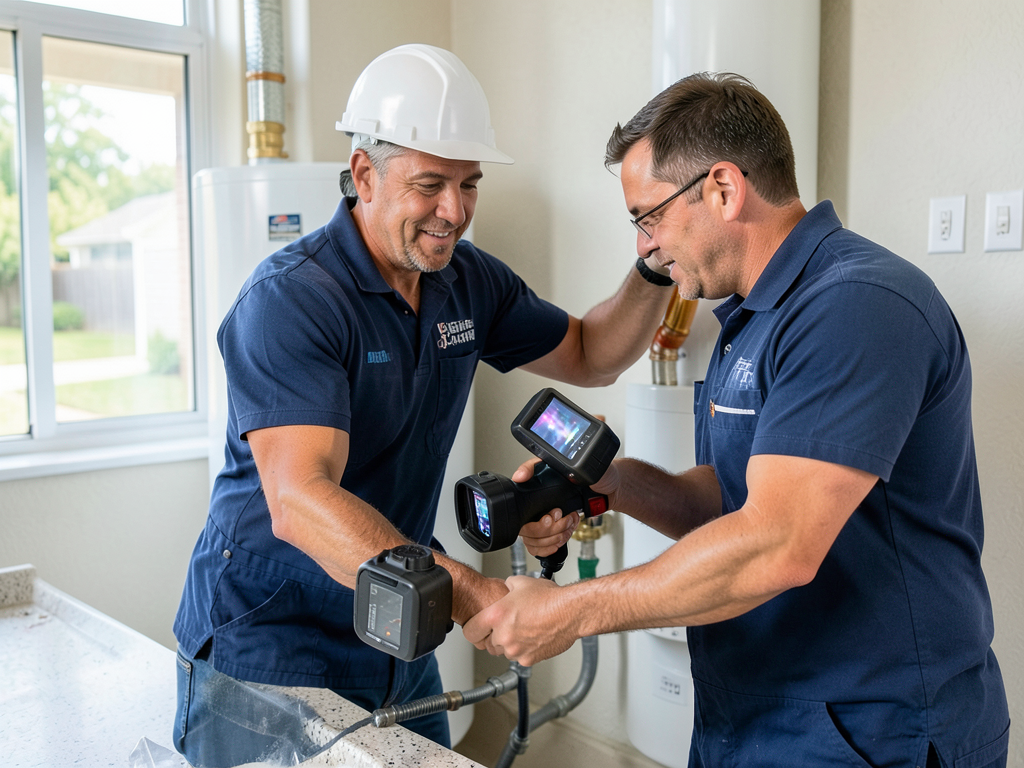
We start with thermal imaging cameras that detect temperature differentials behind walls and above ceilings. Active water leaks create cold spots where evaporation occurs. This shows us the moisture path from source to visible stain, even when the leak is three rooms away from the damage.

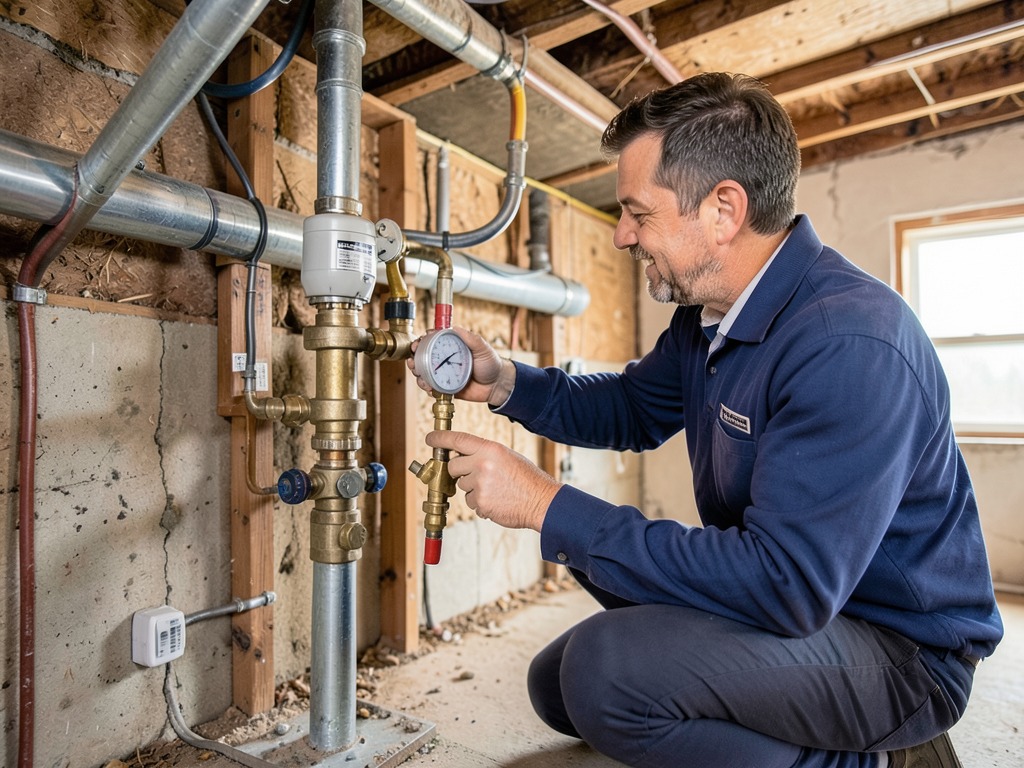
Next, we run static pressure tests on your supply lines. We isolate sections of your plumbing system, pressurize them beyond normal operating PSI, and monitor for pressure drops. A failing pressure test tells us exactly which zone contains the breach. We narrow the location to within inches before we cut a single hole.

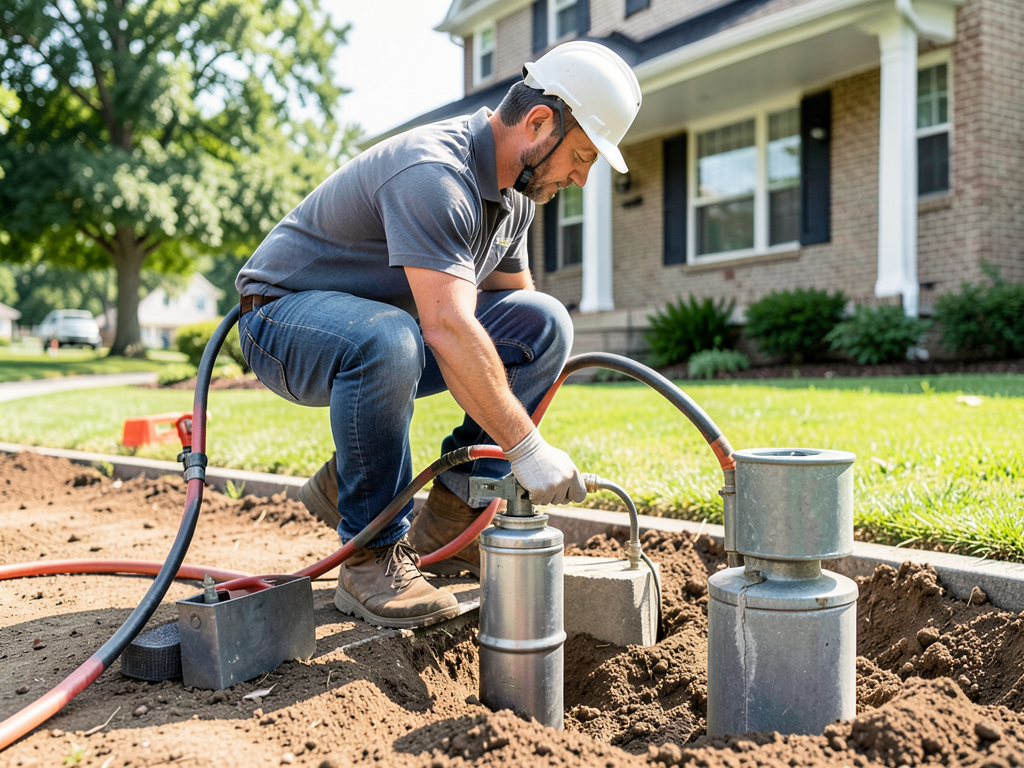
For drain line leaks, we use smoke testing. We pump non-toxic theatrical smoke into your waste system under slight pressure. The smoke escapes through cracks in drain pipes and shows up as visible wisps, marking the exact failure point.

Once we locate the source, we assess the full scope of damage. We use moisture meters to map saturation levels in surrounding drywall, insulation, and framing. This determines what materials need replacement versus what can dry and remain structurally sound.

The repair depends on what failed. Pinhole leaks in copper supply lines get sectional replacement with PEX repiping. Cracked drain fittings get cut out and replaced with properly solvent-welded ABS connections. Corroded galvanized pipes get full-line replacement before the next joint fails.

We do not patch and pray. We fix the root cause and verify the repair with follow-up pressure testing before we close your walls. You get documentation showing your system holds pressure with zero loss.

What Happens During Your Leak Investigation

Water Stains on Ceiling or Walls in Austin | Expert Leak Source Detection and Permanent Repair
01

Thermal Scan and Inspection

We map your entire affected area with infrared cameras, photographing temperature patterns that reveal moisture migration paths. You see the same images we see. We document every finding with time-stamped photos that show the extent of hidden water intrusion behind your finished surfaces. This diagnostic phase takes 30 to 60 minutes depending on your home's size and the number of affected areas.
02

Source Isolation and Testing

We shut off water at your main, drain your supply system, then pressurize isolated sections to 150 PSI. We hold this pressure for 15 minutes while monitoring gauges for any drop. Pressure loss confirms the leak location within that zone. For drain leaks, we plug all vents and fixtures, then introduce smoke under pressure. The smoke exits through cracks, giving us a visual confirmation of the breach point.
03

Repair and Verification

We access the failed pipe through strategic access points that minimize drywall removal. The damaged section gets cut out and replaced with code-compliant materials and fittings. We restore water service, then run a final pressure test to confirm zero leakage. You receive a written report detailing what failed, what we replaced, and test results proving the repair holds pressure before we leave your property.

Why Austin Homeowners Choose All Pro Plumbing for Leak Detection

Leak detection separates competent plumbers from amateurs. Most plumbing companies show up, look at your ceiling stain, and start cutting holes based on hunches. You pay for exploratory demolition that might not even be near the actual leak source.

All Pro Plumbing Austin invested in diagnostic equipment that costs more than most plumbers make in a year. Our thermal cameras, pressure testing manifolds, and smoke generators are not standard tools. They are specialized instruments that require training and interpretation skill. We use them because they save you money. Precision diagnostics mean smaller access holes, less drywall repair, and faster completion.

We understand Austin construction. Homes built in the 1970s and 1980s have galvanized supply lines that corrode from the inside out. Properties in neighborhoods near Barton Creek or along the Edwards Aquifer recharge zone deal with high mineral content water that accelerates pipe degradation. Newer construction in areas like Circle C or Avery Ranch used builders who installed plumbing during Austin's rapid growth phases, sometimes cutting corners on connection quality.

This local knowledge shapes our diagnostic approach. When we see ceiling discoloration patterns in a 1980s ranch home in South Austin, we already suspect galvanized pipe failure at a specific fitting type. When moisture stains appear in a 2010s build in Pflugerville, we check for improperly secured PEX connections that vibrated loose under pressure cycling.

You also get honest answers about what needs replacement versus what can remain. Some plumbers see water damage as an opportunity to sell whole-house repiping when only one section failed. We repair what is broken. If multiple sections show signs of imminent failure, we explain why proactive replacement saves you from repeated emergencies, but the decision remains yours.

What to Expect When You Call for Leak Detection

Response Time and Scheduling

We treat active leaks as urgent service calls. When you call (737) 316-0588 with visible water stains, we prioritize your appointment within the same day or next morning depending on call time. Our trucks carry thermal cameras and testing equipment, so diagnostics start the moment we arrive. You do not wait days while water continues damaging your home. If we find the leak source during the first visit, we carry common repair materials to complete fixes on the spot, eliminating the need for return trips and additional time off work for you.

Diagnostic Process and Transparency

You watch the entire diagnostic process. We show you thermal images on the camera screen as we scan, explaining what the color patterns mean. When we run pressure tests, you see the gauge readings in real time. If we use smoke testing, you observe the smoke egress points with us. Before any repair begins, we explain exactly what failed, why it failed, what the repair entails, and what the work costs. You receive photos documenting the leak source, the damaged materials, and the completed repair. No surprises.

Repair Quality and Materials

We use materials rated for Texas water conditions and pressure levels. Copper repairs use Type L copper with lead-free silver solder joints. PEX installations use expansion connections that will not fail under thermal cycling. ABS drain repairs use proper primer and cement with overlap lengths that exceed code minimums. Every joint gets tested under pressure before we close the wall. We do not use push-fit connectors or compression fittings behind finished walls where you cannot inspect them later. The repair work we do matches the quality of new construction installs.

Follow-Up and Prevention Guidance

After repair completion, we provide a written summary of what we found and fixed, including photos and test results. If your plumbing system shows signs of age-related deterioration beyond the immediate leak, we document those observations with recommendations for monitoring or proactive replacement timelines. You also receive guidance on what to watch for that might indicate similar failures developing elsewhere in your system. If you experience any issues related to our repair work, you call the same number and speak with the same team. We stand behind the work we do.

Frequently Asked Questions

You Have Questions,
We Have Answers

Why is there a water stain on my ceiling but no leak? +

A water stain without an active leak often means the problem already dried up. This happens frequently in Austin after brief roof damage from storms or when condensation builds up in your attic during humid summers. Your AC system might also be the culprit. Condensation on ductwork or a clogged drain pan can leave ceiling stains long after the moisture evaporates. Check your attic insulation and ventilation first. If the stain stays dry but grows, you likely have intermittent leaking during rain events. Don't ignore it. Old moisture creates perfect conditions for hidden mold growth behind drywall.

How to tell if water is leaking behind a wall? +

Look for discoloration or bubbling paint on your walls. Water travels downward and outward, so damage often appears below the actual leak point. You might smell mustiness or notice peeling wallpaper. In Austin homes with pier and beam foundations, check for soft spots in flooring near exterior walls. Run your hand along baseboards to feel for dampness. Listen for dripping sounds inside walls after using fixtures. Your water meter can confirm hidden leaks. Turn off all water sources, then check if the meter still moves. If it does, water is escaping somewhere in your system.

When to be concerned about water spots on a ceiling? +

Take water spots seriously if they grow, darken, or appear suddenly. Immediate concern is necessary when stains accompany sagging drywall, as this signals active saturation and potential collapse. In Austin, ceiling spots after heavy rain point to roof damage that needs quick attention before the next storm. Brown or yellowish rings indicate prolonged exposure and possible structural decay. If you notice multiple spots or stains near plumbing fixtures, your supply lines or drain pipes may be failing. Black or dark green discoloration means mold already started growing. This requires professional assessment within 24 to 48 hours.

Why am I getting wet spots on my ceiling? +

Wet ceiling spots typically mean active water intrusion from above. In Austin homes, common causes include roof leaks during storms, damaged flashing around chimneys, or failed AC condensate lines in attics. If the wet spot appears during or after showers, your bathroom drain or supply line is leaking. Second-story plumbing creates ceiling damage in rooms below when seals fail. AC drain pans overflow frequently in our humid climate when algae clogs the line. Check your attic immediately after noticing wetness. The longer water sits on drywall, the more damage occurs and the higher your mold risk becomes.

How to find source of water stain on ceiling? +

Start in the attic directly above the stain. Water travels along joists and pipes before dripping, so the source sits upstream from the visible damage. In Austin, inspect roof decking for dark spots or daylight showing through. Check vent boots, chimney flashing, and valleys where debris accumulates. If the stain appears near bathrooms or kitchens, examine supply lines and drain connections. Turn on fixtures and watch for drips. For flat or low-slope roofs common in Austin, ponding water after rain often causes slow leaks. Use a moisture meter to trace dampness back to its origin point.

How to tell if water is leaking in the ceiling? +

Active leaks show wetness when you touch the ceiling. Press gently on the stained area. Soft, spongy drywall means water saturation. Look for dripping, sagging, or bubbling texture. If the stain darkens after rain or when you run water upstairs, you have an active leak. Check during Austin's afternoon thunderstorms, as roof leaks become obvious then. Place a bucket and monitor for 24 hours. Even slow drips cause serious damage over time. Musty odors signal trapped moisture inside the ceiling cavity. Temperature differences around the stain indicate water presence, as wet areas feel cooler than surrounding drywall.

How do plumbers determine behind the wall leaks? +

Licensed plumbers use specialized tools to pinpoint hidden leaks without demolition. Infrared cameras detect temperature changes where water cools pipes or dampens insulation. Acoustic leak detectors amplify the sound of water escaping under pressure. Moisture meters measure saturation levels in drywall and identify the wettest areas. Video inspection cameras snake through drain lines to spot cracks or separations. In Austin's older neighborhoods, plumbers often check galvanized pipes prone to corrosion. Pressure testing isolates problems in supply lines. These methods save you from unnecessary wall damage and reduce repair costs by targeting the exact leak location before cutting drywall.

Does homeowners insurance cover water leaks in walls? +

Coverage depends on what caused the leak. Homeowners insurance typically covers sudden, accidental damage like burst pipes or storm damage. Gradual leaks from poor maintenance or aging pipes usually get denied. In Austin, roof leaks from hail or wind damage qualify for claims if you maintained your roof properly. Slow seepage from worn-out plumbing rarely qualifies. Insurance adjusters look for evidence you neglected warning signs. Document everything with photos and get a professional assessment quickly. Your deductible applies, and rates may increase after claims. Review your policy for specific water damage exclusions and consider adding water backup coverage.

How long does it take for a water leak to cause mold? +

Mold spores begin colonizing within 24 to 48 hours in Austin's humid climate. Visible growth typically appears within three to seven days if conditions stay damp. Temperature and humidity accelerate the timeline. Your AC might slow growth, but hidden areas in walls or attics stay warm and wet. Different mold types grow at different rates. Some toxic varieties establish faster than surface mildew. Porous materials like drywall and insulation absorb water quickly, creating ideal conditions. This is why you must address water stains immediately. Once mold takes hold, remediation costs multiply and health risks increase dramatically.

Who should I call for a water stain in my ceiling? +

Call a licensed plumber first to diagnose the water source. Ceiling stains always point to plumbing, roof, or HVAC problems that need professional assessment. In Austin, many companies offer free inspections to identify whether you need plumbing repair, roof patching, or AC drain line cleaning. A qualified plumber uses leak detection tools to pinpoint problems without guessing. They can refer you to roofers or HVAC techs if needed. Do not call a general handyman for water damage diagnosis. You need someone who understands how water travels through homes and can prevent future damage while fixing the immediate problem correctly.

How Austin's Soil Movement Creates Hidden Plumbing Failures

Austin sits on expansive clay soil that swells when wet and contracts during drought. This seasonal movement shifts foundations and stresses plumbing penetrations where supply lines and drain pipes pass through slab or pier-and-beam structures. Connections that were solid five years ago flex and crack as soil cycles through wet winters and dry summers. Water stains often appear months after the initial breach because leaks start small, then enlarge as joints separate further. Properties in areas with poor drainage or downspouts that dump water near foundations accelerate this cycle, creating perfect conditions for repeated plumbing failures at stress points.

All Pro Plumbing Austin has diagnosed leak patterns across every Austin-area neighborhood for years. We understand how Travis County building codes evolved and what that means for your home's plumbing vulnerability. Homes built before 2000 often have supply lines running through slab foundations without adequate protection from soil movement. Properties built during rapid growth periods sometimes have drain connections that barely meet code minimums and fail first when stressed. This local experience means we find leak sources faster and recommend repairs that account for the specific challenges your property faces based on age, location, and construction methods common to your neighborhood.
Plumbing Services in The Austin Area

While we proudly serve the entire Austin area, you can easily locate our central operations or explore our service coverage on the map below. We are committed to reaching you promptly, wherever you are within our service region, ensuring timely and efficient plumbing solutions for both residential and commercial clients. Feel free to zoom in and out to visualize our extensive service areas and discover how close professional plumbing assistance truly is.

Address:
All Pro Plumbing Austin, 3800 North Lamar Boulevard Lamar Central, Austin, TX, 78756

Additional Services We Offer

Our news updates

Latest Articles & News from The Blogs

Planning the Plumbing for a New Master Suite Addition in Govalle Adding a master suite to your Govalle home requires…

Planning the Plumbing for a New Master Suite Addition in Govalle

Planning the Plumbing for a New Master Suite Addition in Govalle Adding a master suite to your Govalle home requires…

How to Stop That Loud Thumping Noise in Your St Edwards Home (Water Hammer Explained)

How to Stop That Loud Thumping Noise in Your St Edwards Home (Water Hammer Explained) Does your plumbing sound like…

Why Your Copperfield Yard Smells Like Sewage and What to Do About It

Why Your Copperfield Yard Smells Like Sewage and What to Do About It Your Copperfield yard should smell like fresh…

Contact Us

Water stains spread fast. Every day you wait means more destroyed drywall, insulation, and framing. Call All Pro Plumbing Austin at (737) 316-0588 right now. We will find the source, fix it correctly, and document the repair. Same-day service available for active leaks.