Menu

Sediment Buildup in Pipes in Austin | Expert Diagnosis and Permanent Solutions

All Pro Plumbing Austin identifies the root cause of sediment buildup in pipes and delivers targeted cleaning, descaling, and prevention strategies that restore water flow and protect your plumbing investment.

Slider Image 1
Slider Image 2
Slider Image 3
Slider Image 4
Slider Image 5
Slider Image 7
Slider Image 8
Slider Image 9
Slider Image 10
Slider Image 11

Why Austin Homes Face Severe Sediment and Mineral Buildup

Austin's water supply contains high concentrations of calcium, magnesium, and other dissolved minerals. When water flows through your pipes, these minerals precipitate out and adhere to pipe walls, forming hard, crusty layers. Over time, mineral deposits in water pipes narrow the interior diameter, restrict flow, and create pockets where sediment collects.

You notice the symptoms first in your water heater. The tank bottom becomes a graveyard for calcium buildup in water lines, creating rumbling noises as trapped water pockets boil beneath the crust. Your shower pressure drops because limescale accumulation in plumbing chokes the supply lines. The hot water takes longer to arrive because sediment acts as an insulator, forcing your heater to work harder and consume more energy.

Austin's geology compounds the problem. The limestone and karst formations that define the Hill Country leach calcium carbonate directly into the aquifer. This means every gallon of water entering your home carries dissolved rock. When that water heats up in your pipes, the calcium precipitates out, bonding to pipe walls and forming hard water pipe scaling that only gets worse with time.

Older homes in neighborhoods like Travis Heights and Hyde Park face the most severe pipe calcification problems. Decades of mineral deposits create blockages that no drain cleaner can touch. Galvanized steel pipes, common in pre-1960s construction, corrode from the inside out, creating rough surfaces that accelerate sediment adhesion.

Ignoring the problem invites pipe failure, catastrophic leaks, and premature water heater replacement. The sediment layer traps heat, weakens pipe walls, and creates stress fractures that rupture without warning.

Why Austin Homes Face Severe Sediment and Mineral Buildup
How We Remove Sediment and Restore Water Flow

How We Remove Sediment and Restore Water Flow

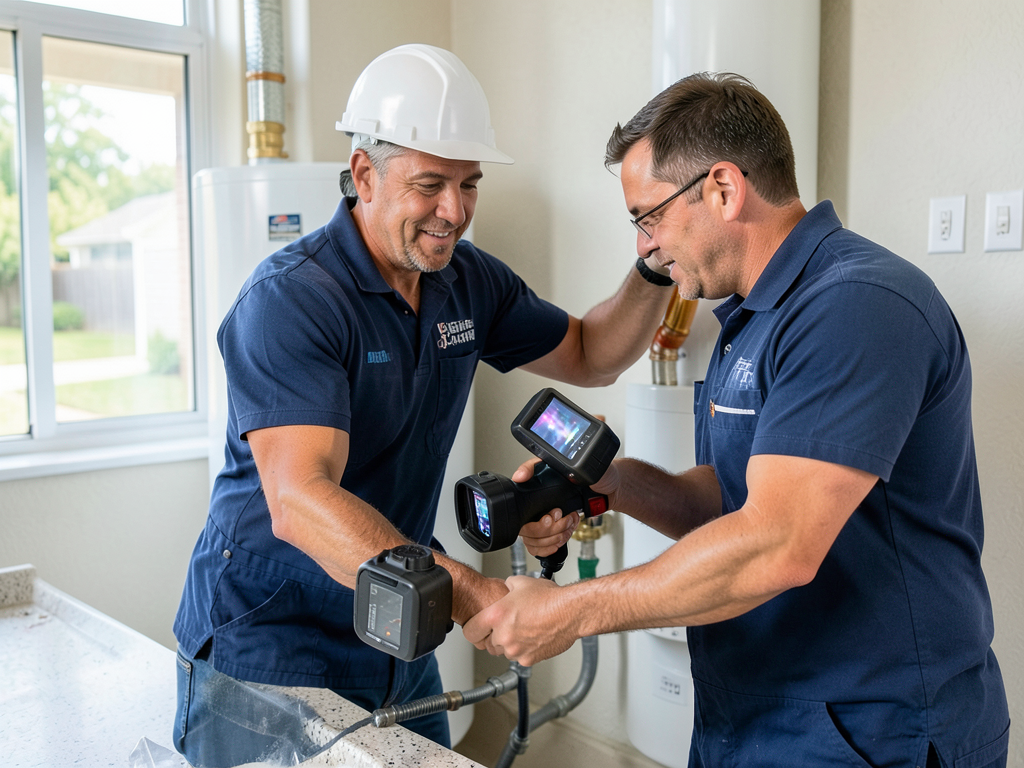
We begin with a pressure test and flow rate measurement at multiple fixtures. This baseline data tells us where the worst restrictions exist and helps us calculate the percentage of flow loss. We use a borescope camera to inspect pipe interiors, documenting the thickness of scale deposits and identifying whether the buildup is calcium-based, iron oxide, or a combination of both.

For moderate calcium buildup in water lines, we use descaling equipment that circulates food-grade acid through isolated sections of pipe. The solution dissolves limescale accumulation in plumbing without damaging the pipe material itself. We monitor pH levels throughout the process to prevent over-treatment. This method works on copper, PEX, and CPVC systems.

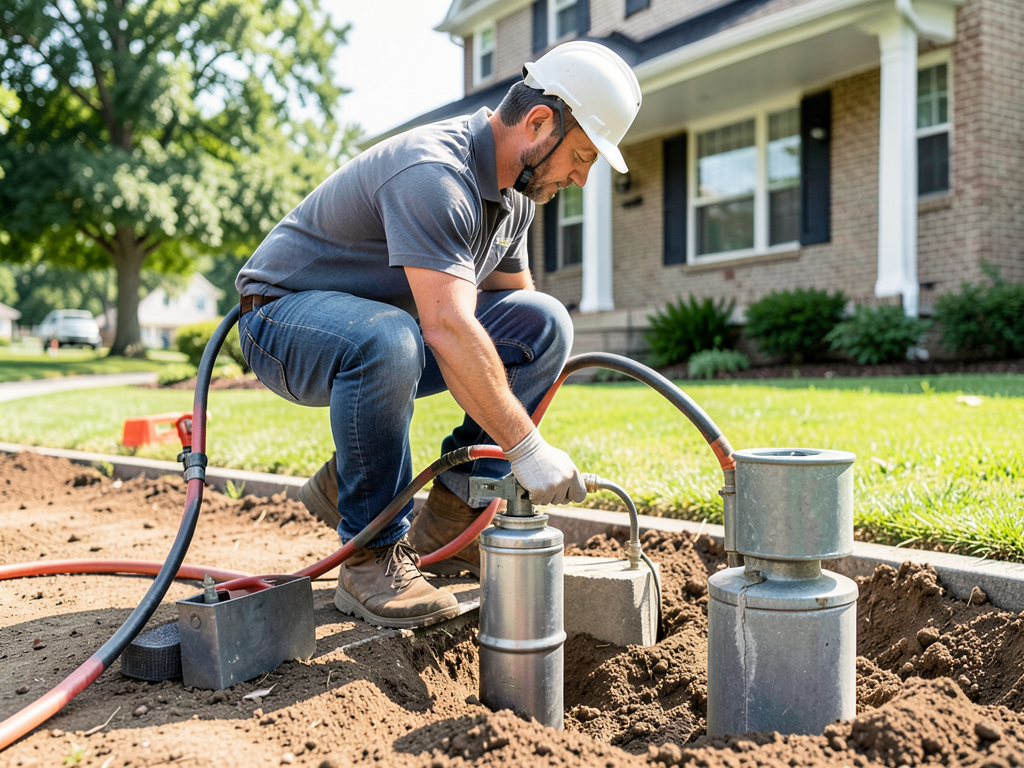
For severe hard water pipe scaling in older galvanized pipes, mechanical descaling is often the only option. We use rotary cable machines equipped with cutting heads that scrape buildup from pipe walls. This process is aggressive but necessary when chemical descaling cannot penetrate decades of accumulated deposits. In extreme cases, we recommend targeted pipe replacement rather than attempting to salvage lines that have lost more than 40 percent of their original diameter.

Water heater sediment requires a different approach. We drain the tank completely, then use a high-pressure flush wand to break up and remove the compacted layer at the tank bottom. For heavily scaled tanks, we remove the heating elements and manually extract the sediment through the element ports.

After cleaning, we install a whole-house water softener or a scale inhibitor system. Softeners exchange calcium and magnesium ions for sodium, preventing new deposits from forming. Scale inhibitors use polyphosphate crystals to keep minerals suspended in solution rather than allowing them to precipitate onto pipe surfaces.

What Happens During a Sediment Removal Service

Sediment Buildup in Pipes in Austin | Expert Diagnosis and Permanent Solutions
01

Diagnostic Water Testing

We collect water samples from multiple points in your system and test for total dissolved solids, hardness levels, and pH. A handheld hardness test kit gives us immediate results, showing grains per gallon of calcium carbonate. We also measure water pressure at the main line and at individual fixtures to quantify flow restriction. This data determines which descaling method will work best for your specific pipe material and buildup severity.
02

Targeted Pipe Descaling

We isolate sections of pipe using shutoff valves, then introduce descaling solution or mechanical cleaning equipment. For chemical descaling, we recirculate the solution for 30 to 90 minutes, depending on scale thickness. For mechanical cleaning, we advance the rotary cable slowly through the pipe, clearing deposits in multiple passes. We flush each section with clean water afterward to remove loosened debris. This step-by-step approach prevents clogs from migrating downstream and blocking smaller diameter lines.
03

Prevention System Installation

After clearing the pipes, we install a water conditioning system tailored to your water chemistry. For homes with hardness above 10 grains per gallon, a salt-based softener is the most effective solution. For moderate hardness, a template-assisted crystallization system prevents scale without adding sodium to your water. We mount the equipment on the main supply line after the meter, ensuring every drop entering your home is treated. You receive documentation on maintenance schedules and replacement intervals for media or cartridges.

Why Austin Homeowners Choose All Pro Plumbing Austin for Sediment Problems

Austin's unique water profile demands local expertise. We understand the specific mineral content in water drawn from the Edwards Aquifer versus Lake Travis. We know which neighborhoods face the worst scaling issues based on proximity to limestone formations and which water treatment plants serve different zip codes.

We do not sell unnecessary replacements. If your pipes can be cleaned and restored, we tell you that upfront. If the buildup has progressed beyond salvageable limits, we show you the camera footage and explain exactly why replacement is the safer option. You make informed decisions based on evidence, not scare tactics.

Our descaling equipment is calibrated for the materials common in Austin construction. We adjust acid concentrations based on whether you have copper pipes installed in the 1980s or PEX lines from a recent remodel. We know that homes in Tarrytown often have original galvanized steel that requires mechanical descaling, while newer builds in Mueller use manifold systems that respond well to chemical treatment.

We stock replacement anodes for every major water heater brand sold in Central Texas. When we service your tank, we inspect the anode rod and replace it if corrosion has reduced it below functional size. This single step can add five years to your water heater's lifespan, even in Austin's harsh water conditions.

You get documentation after every service. We provide before-and-after pressure readings, water hardness test results, and photos of the scale buildup we removed. This record helps you track the effectiveness of any prevention system we install and gives you objective data if you later need to make decisions about pipe replacement or water heater upgrades.

We respond to sediment-related emergencies the same day. When buildup causes a pipe to burst or a water heater to fail, you need immediate help, not an appointment slot three days out.

What to Expect When You Call About Sediment Buildup

Same-Day Diagnostic Visits

We schedule diagnostic visits within 24 hours of your call. If you are experiencing a complete loss of hot water or severe pressure issues, we prioritize your appointment and arrive the same day. The diagnostic visit includes water testing, pressure measurements, and camera inspection where needed. You receive a written assessment with photos and test results before we recommend any treatment. Most diagnostics take 60 to 90 minutes, depending on the size of your home and the complexity of your plumbing system.

Transparent Cost Breakdown

After we assess your system, we provide a detailed quote that breaks down labor, materials, and equipment costs. You know exactly what chemical descaling will cost versus mechanical cleaning versus pipe replacement. We explain which approach offers the best long-term value based on the age and condition of your pipes. If a water softener or scale inhibitor system makes sense, we quote that separately so you can decide whether to bundle it with the cleaning service or schedule it later. No surprise charges appear on your invoice.

Clean, Restored Water Flow

You notice the difference immediately after we finish. Shower pressure rebounds to levels you have not seen in years. Your water heater stops making rumbling noises and heats water faster. Faucets deliver full flow without sputtering or intermittent bursts. We verify the improvement by taking post-service pressure readings at the same fixtures we tested initially. You receive a comparison sheet showing the exact pressure increase achieved. In most cases, we restore 70 to 90 percent of the original flow capacity, depending on pipe age and material condition.

Ongoing Maintenance Guidance

Sediment removal is not a permanent fix without prevention. We provide a customized maintenance plan based on your water hardness levels and usage patterns. If you install a water softener, we schedule annual inspections to check salt levels, clean the brine tank, and verify the resin bed is regenerating properly. For homes without softeners, we recommend annual water heater flushes and biennial descaling treatments to prevent buildup from reaching critical levels again. You receive reminder calls when maintenance is due, so you never have to track the schedule yourself.

Frequently Asked Questions

You Have Questions,
We Have Answers

How much to flush pipes in a house? +

Flushing pipes in an Austin home varies by scope. A simple hot water flush for minor sediment may cost $150 to $300. Full hydro-jetting to clear stubborn mineral deposits and scale (common here due to our hard water) runs $350 to $600 for an average home. The price depends on pipe length, accessibility, and sediment severity. Homes built on Austin's expansive clay soils often see shifting that worsens sediment accumulation. A plumber inspects your system first to determine if flushing alone solves the issue or if pipe replacement is needed.

What causes sediment buildup in pipes? +

Sediment buildup comes from mineral deposits in hard water, corroded pipe interiors, and external soil intrusion. Austin's limestone-rich aquifer delivers extremely hard water, leaving calcium and magnesium deposits inside pipes. Older galvanized steel pipes corrode internally, creating rust flakes. Clay soil common in Travis County can infiltrate cracked sewer lines through root invasion or shifting foundations. Sand and silt enter through worn pipe joints. Water heaters also shed sediment that travels through your system. The combination of hard water and aging infrastructure makes sediment a frequent issue for Austin homeowners.

How to get rid of debris in pipes? +

Removing debris requires hydro-jetting or mechanical snaking. Hydro-jetting uses high-pressure water streams to scour pipe walls clean, flushing out sediment, grease, and mineral scale. This works best for heavy buildup. A plumber inserts the jetting nozzle through a cleanout access point and blasts debris toward the main sewer line. For lighter debris, a motorized drain snake with a cutting head breaks up clogs and pulls material out. Avoid chemical cleaners, which damage pipes without addressing the root cause. A camera inspection helps locate debris concentrations before treatment.

How to remove silt from pipes? +

Removing silt requires professional hydro-jetting. Silt particles settle in low spots and horizontal pipe runs, especially in homes affected by Austin's shifting clay soils. A plumber uses a high-pressure water jet (3,000+ PSI) to blast silt loose and flush it toward the municipal sewer connection. The process clears sediment without damaging pipe walls. For sewer lines, a cleanout access provides entry. If silt enters through cracks or root intrusion, the plumber identifies the entry point with a camera and recommends pipe repair to prevent recurrence. Flushing alone rarely works for compacted silt.

Will insurance pay for sewer line replacement? +

Standard homeowners insurance rarely covers sewer line replacement. Most policies exclude maintenance issues, wear and tear, and gradual deterioration from sediment or root intrusion. Insurance may cover sudden, accidental damage from a covered peril like a falling tree or vehicle impact. Some insurers offer optional sewer line endorsements for $50 to $100 yearly, covering repairs up to a set limit. Review your policy or ask your agent. In Austin, many homeowners purchase separate sewer line protection plans through third-party providers to cover unexpected replacement costs from aging infrastructure.

How much does a plumber charge to clean pipes? +

Plumbers in Austin charge $150 to $400 for basic pipe cleaning, depending on method and severity. A simple drain snake for a single fixture runs $150 to $250. Hydro-jetting to clear sediment, scale, or grease from main lines costs $350 to $600. Whole-house pipe flushing adds complexity and labor, pushing costs higher. Emergency or after-hours service increases rates by 50 to 100 percent. Hard water deposits common in Austin often require more aggressive cleaning. Request a camera inspection first to identify the exact problem and avoid unnecessary work. Transparent pricing prevents surprises.

What dissolves sediment in pipes? +

Nothing safely dissolves sediment in pipes. Chemical drain cleaners attack organic clogs but do not break down mineral scale, rust, or silt. They corrode pipe interiors, especially older galvanized steel or cast iron common in Austin homes. Acidic solutions can eat through weakened pipes, causing leaks. The only effective solution is mechanical removal through hydro-jetting or snaking. High-pressure water scours sediment from pipe walls without chemical damage. For prevention, install a water softener to reduce mineral deposits from Austin's hard water. Regular maintenance prevents sediment accumulation before it restricts flow.

What are four signs that your sewer line is broken? +

Four signs your sewer line is broken include persistent slow drains throughout the house, sewage odors in your yard, patches of lush green grass over the line, and frequent backups in multiple fixtures. In Austin, foundation shifting from clay soil often cracks sewer pipes, allowing sewage to leak into the ground. You may hear gurgling sounds when flushing toilets. Sinkholes or depressions appear where the ground settles into voids created by eroded soil. If you see these signs, get a camera inspection immediately. Untreated breaks lead to foundation damage and costly repairs.

How much does it cost for a plumber to unblock a pipe? +

Unblocking a pipe in Austin costs $150 to $400 for standard service. A simple toilet or sink clog runs $150 to $250. Main line blockages from sediment or roots cost $250 to $400 with snaking, or $350 to $600 for hydro-jetting. Emergency calls add 50 to 100 percent to base rates. Hard water deposits and clay soil intrusion make Austin pipes prone to recurring blockages, which may require more intensive cleaning. Always request upfront pricing and a camera inspection to identify the blockage cause. Transparent pricing prevents surprise charges after the work starts.

Why do plumbers say not to use drain cleaner? +

Plumbers warn against drain cleaners because they corrode pipes, damage fixtures, and mask underlying problems. Chemical cleaners generate heat that can melt PVC joints or eat through older galvanized steel and cast iron pipes common in Austin homes. They dissolve organic matter but fail against sediment, mineral scale, or root intrusion. Fumes harm lungs and skin. Repeated use weakens pipe walls, causing leaks. Chemical residue complicates future repairs. Drain cleaners provide temporary relief while sediment continues accumulating. Professional hydro-jetting or snaking removes the actual blockage without chemical damage, solving the problem permanently.

How Austin's Edwards Aquifer Water Accelerates Pipe Scaling

The Edwards Aquifer supplies most of Austin's municipal water, and its limestone geology makes it one of the hardest water sources in Texas. Water percolates through miles of porous limestone before reaching the aquifer, dissolving calcium carbonate in concentrations that often exceed 15 grains per gallon. This extreme hardness means every gallon of water entering your home carries dissolved rock that will eventually precipitate out and coat your pipes. Homes served by the Davis Water Treatment Plant, which draws from Lake Austin, experience slightly softer water, but hardness still ranges between 10 and 13 grains per gallon. This is why sediment buildup in pipes is not an occasional problem in Austin. It is an inevitable consequence of the local geology.

Austin's plumbing code requires licensed contractors to use specific descaling methods based on pipe material and age. All Pro Plumbing Austin follows these regulations and maintains certifications for chemical treatment systems through the Texas Commission on Environmental Quality. We understand that older neighborhoods like Clarksville and Bouldin Creek have legacy infrastructure that demands specialized knowledge. We have worked on homes built in every decade from the 1920s forward, and we know which original pipe materials are still salvageable and which must be replaced. This local experience means we diagnose problems faster and recommend solutions that align with Austin's unique combination of hard water, aging infrastructure, and strict plumbing standards.
Plumbing Services in The Austin Area

While we proudly serve the entire Austin area, you can easily locate our central operations or explore our service coverage on the map below. We are committed to reaching you promptly, wherever you are within our service region, ensuring timely and efficient plumbing solutions for both residential and commercial clients. Feel free to zoom in and out to visualize our extensive service areas and discover how close professional plumbing assistance truly is.

Address:
All Pro Plumbing Austin, 3800 North Lamar Boulevard Lamar Central, Austin, TX, 78756

Additional Services We Offer

Our news updates

Latest Articles & News from The Blogs

Planning the Plumbing for a New Master Suite Addition in Govalle Adding a master suite to your Govalle home requires…

Planning the Plumbing for a New Master Suite Addition in Govalle

Planning the Plumbing for a New Master Suite Addition in Govalle Adding a master suite to your Govalle home requires…

How to Stop That Loud Thumping Noise in Your St Edwards Home (Water Hammer Explained)

How to Stop That Loud Thumping Noise in Your St Edwards Home (Water Hammer Explained) Does your plumbing sound like…

Why Your Copperfield Yard Smells Like Sewage and What to Do About It

Why Your Copperfield Yard Smells Like Sewage and What to Do About It Your Copperfield yard should smell like fresh…

Contact Us

Sediment buildup only gets worse. Call All Pro Plumbing Austin at (737) 316-0588 now to schedule a diagnostic inspection. We identify the severity of your scaling, explain your options clearly, and restore your water flow fast.