Menu

Apartment Complex Plumbing in Austin – Minimizing Downtime for Multi-Family Properties

All Pro Plumbing Austin delivers apartment building plumbing solutions engineered to keep units operational, tenants satisfied, and property managers in control of maintenance costs across the greater Austin metro.

Slider Image 1
Slider Image 2
Slider Image 3
Slider Image 4
Slider Image 5
Slider Image 7
Slider Image 8
Slider Image 9
Slider Image 10
Slider Image 11

Why Multi-Unit Plumbing Demands a Different Approach in Austin

Operating a multi-family property in Austin means managing plumbing infrastructure that serves dozens or hundreds of residents through shared systems. A single mainline failure can cascade across multiple units. A water heater malfunction in one stack can trigger tenant complaints across an entire floor. The problem compounds quickly.

Austin's expansive clay soil shifts with moisture cycles. This movement stresses underground sewer laterals and water mains serving apartment complexes throughout Travis County. Properties built near the Colorado River corridor or in areas with shallow bedrock face additional foundation settling that translates directly to pipe stress. Commercial plumbing for apartments requires constant vigilance.

Property managers face pressure from multiple directions. Tenants expect immediate resolution. Ownership demands cost control. City of Austin code enforcement requires compliance with commercial plumbing standards that exceed residential requirements. Multi-unit residential plumbing systems age faster than single-family homes because usage rates are exponentially higher.

A leaking supply line in a single-family home is an inconvenience. The same issue in a 200-unit complex becomes a liability event. Water damage spreads vertically through floors. Mold risk multiplies. Legal exposure increases with every hour of delay.

Apartment complex plumbing maintenance is not optional. It is loss prevention. Properties that defer maintenance face emergency shutdowns, tenant turnover, and insurance claims that dwarf the cost of proactive service. Multi-family plumbing services must be systematic, scalable, and responsive to the operational realities of apartment building management in Austin's competitive rental market.

Why Multi-Unit Plumbing Demands a Different Approach in Austin
How Commercial-Grade Plumbing Protects Property Value

How Commercial-Grade Plumbing Protects Property Value

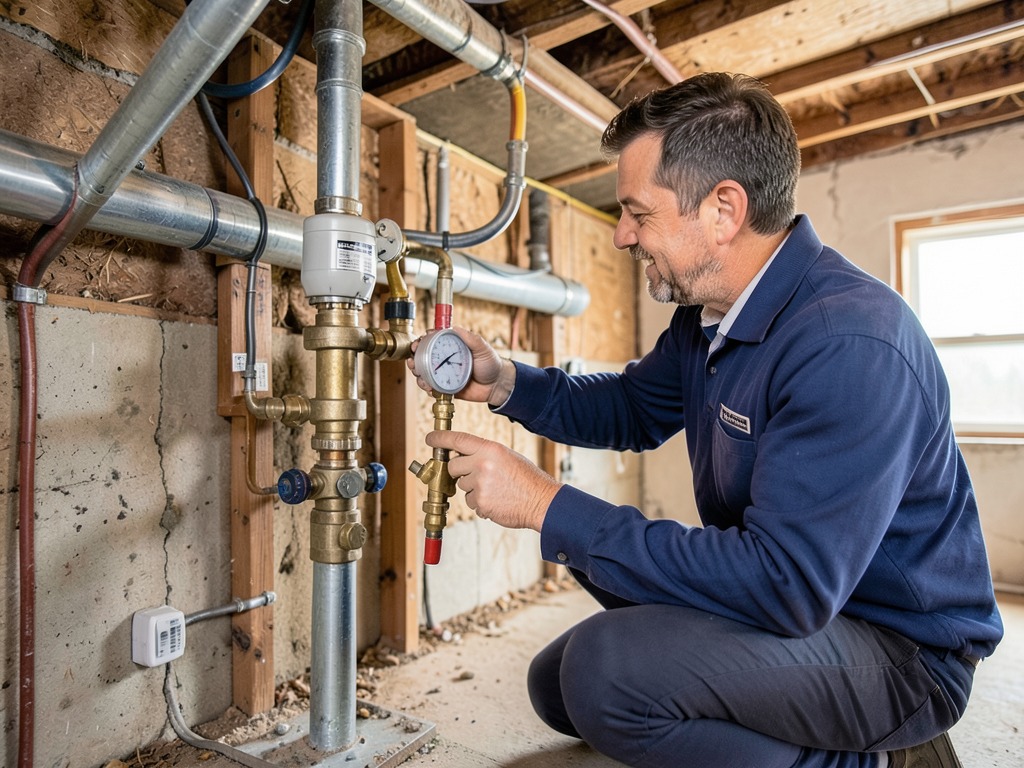
Multi-family plumbing systems require infrastructure thinking. We approach apartment building plumbing as a network, not a collection of isolated fixtures. Our diagnostic process starts with the main shutoff valve and works through every branch line, riser, and distribution point.

We map your property's plumbing topology. This includes identifying which units share common drain stacks, locating isolation valves for each building section, and documenting water pressure variations across floors. High-rise properties in downtown Austin often show pressure differentials between ground-level units and upper floors. This affects fixture performance and requires zone-specific pressure regulation.

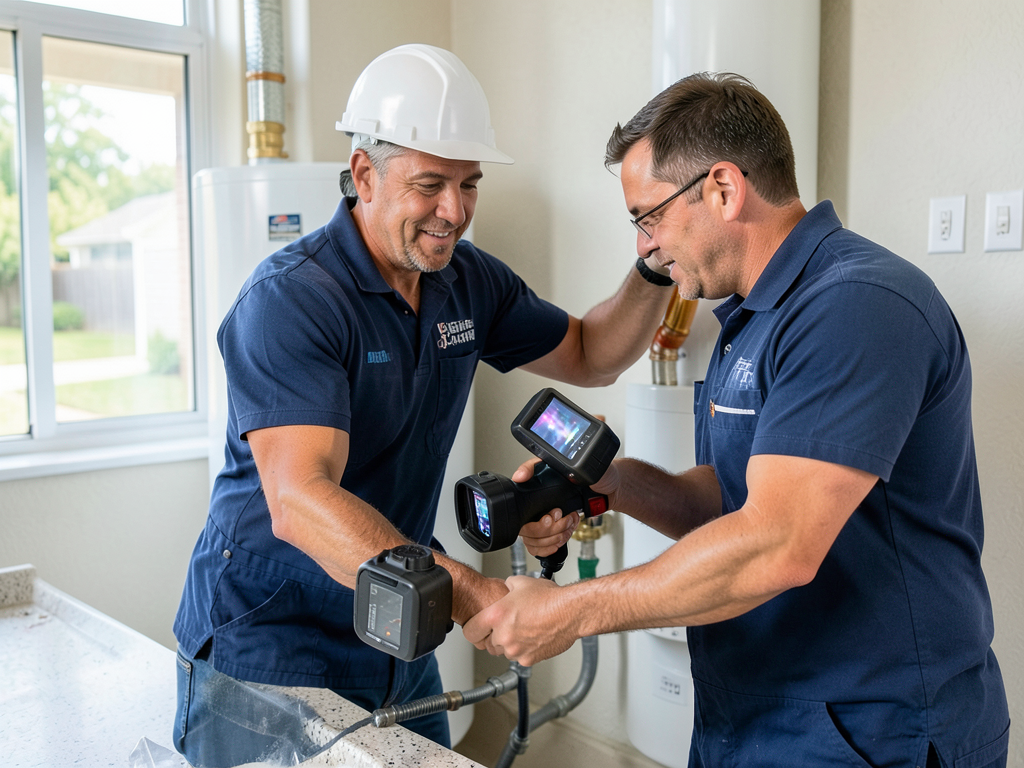
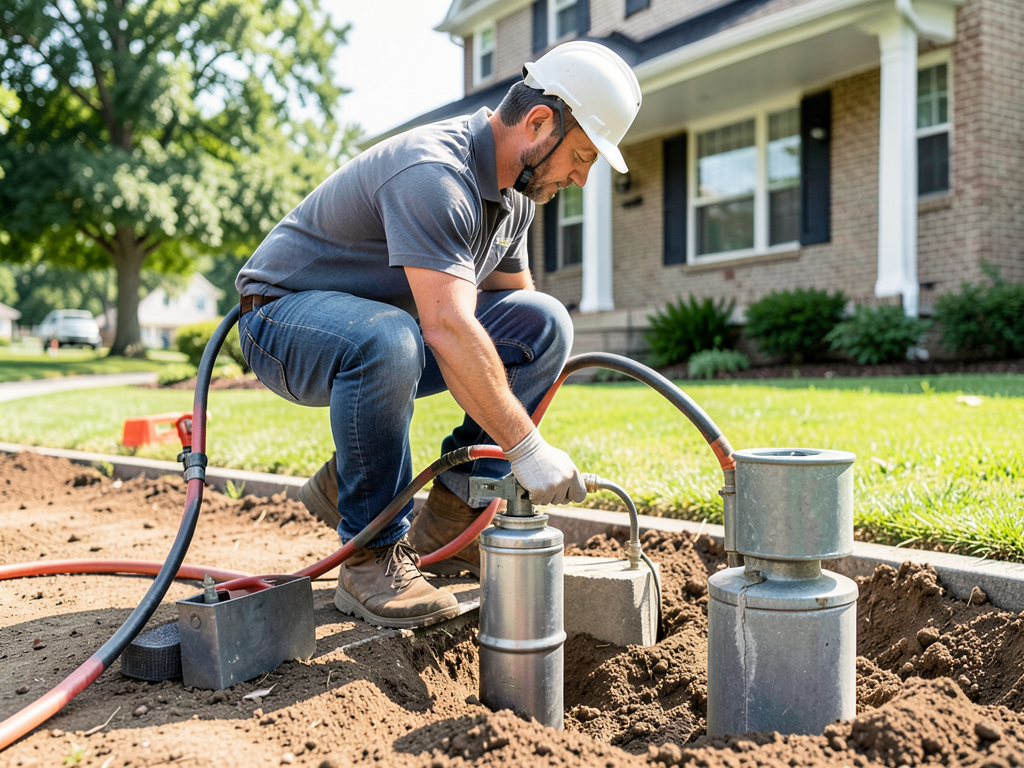
Our commercial plumbing for apartments includes hydrostatic testing of waste lines, camera inspection of underground laterals, and flow testing at fixture groups. We measure galvanic corrosion at dissimilar metal connections, a common failure point in properties built during Austin's construction boom of the 1990s and early 2000s. Many apartment complexes installed mixed copper and galvanized piping that is now reaching end-of-service life.

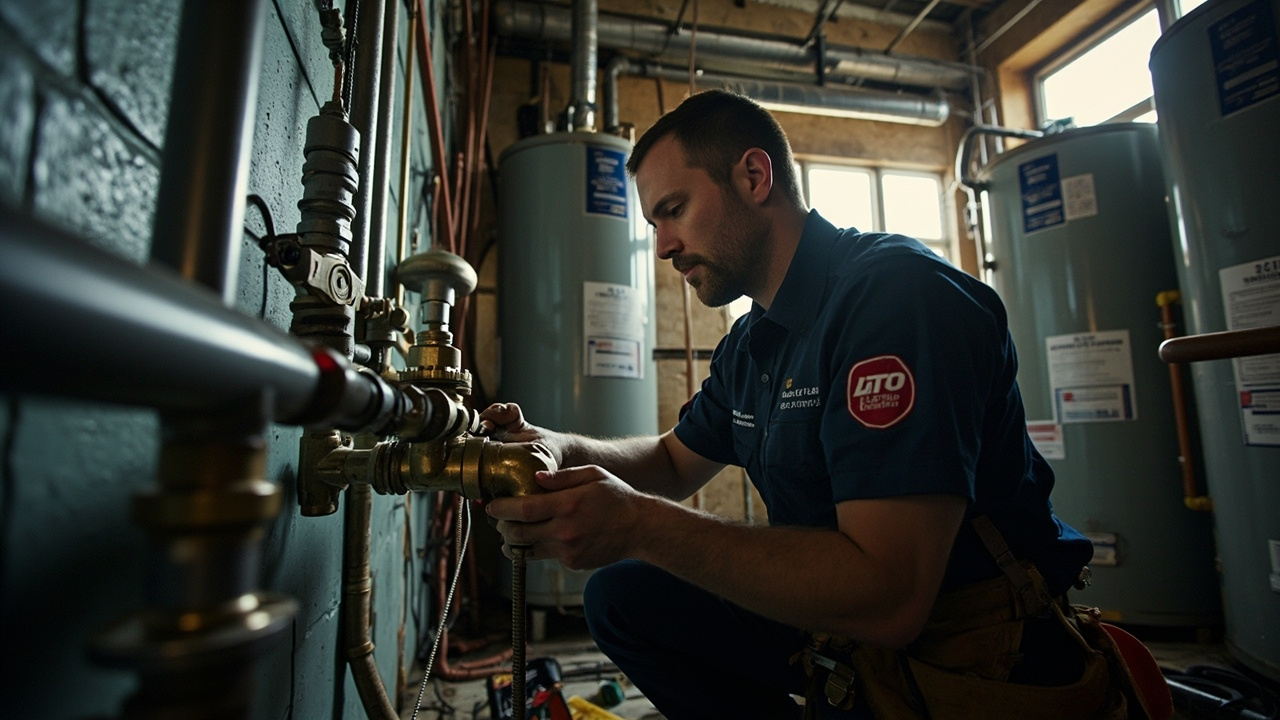
We coordinate work to minimize tenant disruption. Planned shutdowns happen during business hours with 48-hour notice. Emergency response isolates affected zones while maintaining service to unaffected units. We carry parts inventory specific to multi-unit installations including commercial-grade flush valves, pressure-reducing valves, and backflow preventers sized for apartment building applications.

Documentation is part of the deliverable. You receive detailed reports with photo documentation, repair recommendations prioritized by urgency, and projected service life estimates for major components. This information supports capital planning and helps property managers justify maintenance budgets to ownership groups. Multi-family plumbing services must produce data, not just repairs.

What Happens When You Call Us

Apartment Complex Plumbing in Austin – Minimizing Downtime for Multi-Family Properties
01

Property Assessment and Mapping

We begin with a comprehensive site survey of your apartment complex plumbing infrastructure. Our technicians document main shutoffs, zone valves, and riser locations. We identify critical isolation points that allow surgical repairs without building-wide shutdowns. You receive a preliminary assessment within 24 hours outlining immediate concerns and longer-term maintenance priorities specific to your property layout and system age.
02

Diagnostic Testing and Prioritization

We perform pressure testing, flow measurements, and video inspection of accessible lines. For multi-unit residential plumbing, we test water heaters for capacity and recovery rate, inspect mixing valves for temperature control, and evaluate drain performance under load. Results are categorized by urgency, immediate safety concerns are flagged, code violations are documented, and cost-effective repair sequences are mapped to minimize repeated access to the same systems.
03

Scheduled Execution and Handoff

Repairs are scheduled around tenant occupancy patterns. We coordinate with property management to minimize impact on rent-paying residents. All work includes cleanup, system testing, and documented verification of code compliance. You receive final reports with photos, parts lists, and maintenance recommendations. For apartment complex plumbing maintenance contracts, we establish recurring inspection schedules that prevent emergency failures and extend the service life of your capital investment.

Why Austin Property Managers Choose All Pro Plumbing Austin

Managing multi-family properties in Austin requires vendors who understand the unique pressures of the rental market. Tenant retention depends on responsive maintenance. Property values depend on documented upkeep. Legal protection depends on code compliance.

We know Austin's commercial plumbing code requirements for multi-family structures. Properties with more than four units fall under commercial code provisions that mandate backflow prevention, specific fixture spacing, and commercial-grade waste pipe sizing. Buildings constructed before 2000 often require upgrades to meet current standards when substantial renovations occur. We navigate these requirements daily.

Our service area covers properties from the Domain down to Southpark Meadows, from East Riverside to the Lake Travis corridor. We have worked on garden-style complexes in Round Rock, mid-rise buildings in downtown Austin, and sprawling properties in Cedar Park. Each property type presents different plumbing challenges. Garden-style complexes with distributed buildings face longer pipe runs and more isolation zones. High-rises deal with pressure regulation and vertical distribution. We adapt our approach to your property configuration.

Response time matters for commercial clients. A broken mainline at 6 a.m. cannot wait until business hours. We maintain emergency response capacity for contracted properties. This means we arrive with the parts and equipment needed for your specific systems, not generic residential repair kits.

Property management companies working with multiple ownership groups need consistent documentation. Our reporting format provides the paper trail needed for ownership updates, insurance claims, and regulatory compliance. You get photos, parts receipts, and detailed descriptions written in terms that non-technical stakeholders understand. This transparency protects property managers when ownership questions maintenance expenses.

All Pro Plumbing Austin operates as an extension of your maintenance team, not a vendor. We track service history, anticipate seasonal issues, and provide proactive recommendations before small problems become tenant complaints.

What You Can Expect from Our Multi-Family Plumbing Services

Emergency Response Timeframes

For contracted properties, we commit to two-hour response for emergency calls during business hours and four-hour response after hours. Emergencies include mainline breaks, sewage backups affecting multiple units, and water supply failures. Non-emergency service requests are scheduled within 48 hours. We coordinate scheduling with your leasing office to minimize disruption to showing schedules and tenant routines. For larger projects requiring tenant notification, we provide templated communication materials you can distribute building-wide.

Site Evaluation and Scoping Process

Initial property assessments take two to four hours depending on unit count and system complexity. We access mechanical rooms, inspect risers in common areas, and test fixtures in representative units across different floors and building sections. You receive a written scope of work with line-item pricing for recommended repairs. Emergency repairs receive verbal authorization protocols to prevent delays. For planned maintenance, we provide 30-60-90 day roadmaps that align with your budget cycles and capital planning requirements.

Quality Standards and Code Compliance

All work meets or exceeds City of Austin commercial plumbing code requirements. We pull permits for work requiring inspection and coordinate inspector access. Our technicians carry commercial liability coverage appropriate for multi-family properties. Completed work includes functional testing, documentation of materials used, and photo records of before and after conditions. For insurance claims or legal proceedings, we provide detailed affidavits and expert testimony if required. Quality is not subjective. It is measurable and documented.

Preventive Maintenance Programs

Apartment complex plumbing maintenance contracts include quarterly inspections, annual drain line maintenance, and water heater service. We track maintenance history in our system and alert you when components approach replacement intervals. Preventive maintenance reduces emergency calls by identifying failing parts before they break. This keeps repair costs predictable and prevents the tenant relations damage caused by repeated plumbing failures. Contracts are customized to your property age, system type, and budget constraints.

Frequently Asked Questions

You Have Questions,
We Have Answers

How does plumbing work in apartment buildings? +

Apartment buildings use vertical stacks that connect all units to a main drain line. Supply lines branch from a central water source, feeding each unit through risers. Each floor typically shares a common waste stack. In Austin, where foundation shifting from expansive clay soil occurs, older complexes may have cast iron stacks prone to cracking. Modern buildings use PVC or ABS for drain lines. Property managers control shut-off valves for the entire system. The complexity increases with building height, requiring pressure-reducing valves to prevent pipe damage. Each unit has individual shut-offs for maintenance without disrupting the entire building.

What is the most common plumbing issue? +

Clogged drains top the list for apartment buildings. Multiple units sharing drain stacks create compounding issues. Residents flushing improper items causes blockages that affect entire vertical lines. Leaking fixtures rank second, often from worn washers or corroded supply lines. In Austin's hard water environment, mineral buildup accelerates fixture failure and reduces pipe diameter. Running toilets waste thousands of gallons monthly, inflating water bills. Slab leaks from foundation movement affect ground-floor units. Water heater failures cause flooding and service interruptions. These issues multiply costs when they impact multiple tenants simultaneously, making preventive maintenance critical for property owners.

Does apartment maintenance do plumbing? +

Most apartment maintenance teams handle minor issues like unclogging drains, replacing flappers, or fixing leaky faucets. They typically address cosmetic plumbing problems and basic repairs. For complex issues like slab leaks, main line backups, water heater replacement, or anything requiring permits, management contracts licensed plumbers. Austin building codes require permitted work for major repairs, which maintenance staff cannot perform. Large complexes may employ full-time plumbers, but most rely on contracted professionals. This protects property owners from liability and ensures code compliance. The maintenance team acts as a first responder, escalating problems beyond their scope to qualified contractors.

Can I call a plumber if I live in an apartment? +

Yes, but follow protocol first. Document the issue with photos and submit a maintenance request to your property manager. Texas law requires landlords to make necessary repairs within a reasonable timeframe. If management fails to respond to urgent issues like major leaks or sewage backups, you can hire a plumber and deduct costs from rent, but you must follow proper legal notice procedures. Keep receipts and written communication. For emergencies causing property damage, call management's after-hours line first. Unauthorized repairs may violate your lease. Review your lease agreement for specific procedures regarding plumbing emergencies before taking action.

What is the 135 rule for plumbing? +

The 135-degree rule refers to proper drain routing. Plumbing codes limit horizontal drain direction changes to 135 degrees or greater to prevent clogs and maintain proper flow. Sharp 90-degree turns create turbulence and catch points for debris. This becomes critical in apartment buildings where multiple fixtures share drain lines. Improper angles cause recurring backups affecting multiple units. Austin inspectors enforce this during new construction and major renovations. The rule applies to both vertical and horizontal transitions. Property managers inheriting buildings with improper drain angles face chronic clogging issues. Correcting these violations often requires opening walls or floors, creating significant expense and tenant disruption.

Are renters responsible for plumbing issues? +

Texas law places responsibility on landlords for plumbing repairs from normal wear. Tenants pay for damage they cause through negligence or misuse. Flushing improper items, pouring grease down drains, or damaging fixtures makes you liable. Normal deterioration like worn washers, corroded pipes, or failed water heaters falls to the landlord. Document existing problems during move-in inspections. Your lease may specify certain responsibilities, but Texas Property Code overrides unreasonable lease terms. If your actions cause problems affecting other units, expect charges. Keep maintenance requests in writing. Austin tenant rights organizations can clarify gray areas regarding responsibility for specific plumbing failures.

How to tell if your plumber is overcharging you? +

Compare multiple written estimates for non-emergency work. Legitimate plumbers itemize labor and materials separately. Red flags include cash-only demands, no written estimates, or pressure to decide immediately. Research typical costs for your specific repair online. Austin market rates vary, but extreme outliers signal problems. Request breakdown of hourly rates and material markups. Check licensing through the Texas State Board of Plumbing Examiners. Overcharging often involves inflated trip fees, mysterious surcharges, or recommending unnecessary work. Ask why specific repairs are needed and request to see the problem. Property managers should maintain relationships with transparent contractors who provide detailed invoices.

What are the early signs of plumbing problems? +

Water stains on ceilings or walls indicate hidden leaks. Musty odors suggest moisture accumulation inside walls or under floors. Reduced water pressure signals pipe restriction from corrosion or buildup. Gurgling drains mean venting issues or partial blockages developing. In Austin, sudden spikes in water bills often reveal slab leaks from foundation movement. Discolored water indicates corroded pipes releasing sediment. Warm spots on floors suggest hot water line leaks beneath slabs. Visible corrosion on exposed pipes predicts future failures. Running water sounds when fixtures are off indicate leaks. Multiple slow drains point to main line problems affecting the entire stack.

How do I find a hidden plumbing leak? +

Monitor your water meter with all fixtures off. If the meter moves, a leak exists. Check visible pipes under sinks and behind toilets for moisture. Listen for running water inside walls during quiet periods. Infrared cameras detect temperature differences from hidden water. Austin's foundation issues cause slab leaks, creating warm spots on floors or cracked tiles. Inspect ceilings below bathrooms for stains. Moisture meters measure wall dampness without demolition. Track water bills for unexplained increases. Dye test toilets by adding food coloring to tanks. Professional leak detection uses acoustic equipment to pinpoint underground or in-wall leaks before breaking concrete.

What are red flags in an apartment lease? +

Vague language regarding repair responsibilities shifts costs to tenants inappropriately. Clauses waiving landlord liability for plumbing failures violate Texas tenant rights. Excessive charges for maintenance calls discourage reporting real problems, causing damage to worsen. Requirements to use specific plumbers at inflated rates cost you more. Short notice periods for entry during repairs reduce your privacy protections. Unreasonable deductions from security deposits for normal plumbing wear signal problems. Clauses making you responsible for issues in common areas or shared plumbing stacks are unenforceable. Austin tenant advocates recommend legal review before signing. Watch for automatic rent increases disguised as plumbing infrastructure fees.

How Austin's Water Chemistry Affects Apartment Building Plumbing Systems

Austin's water supply comes primarily from the Colorado River and Lake Travis, with some properties in the eastern part of the city drawing from the Carrizo-Wilcox Aquifer. Both sources produce moderately hard water with elevated calcium and magnesium content. In multi-unit residential plumbing systems, this mineral content accelerates scale buildup in water heaters, reduces fixture lifespan, and clogs aerators. Properties with galvanized pipe installed before 1990 experience accelerated internal corrosion from the interaction between hard water and aging pipe walls. Scale accumulation in hot water risers serving upper floors reduces flow rates and increases tenant complaints about inadequate water pressure.

All Pro Plumbing Austin has serviced apartment complexes throughout Travis County since our founding. We maintain relationships with property management firms operating dozens of properties across the metro area. Our technicians understand the plumbing systems common to Austin's apartment construction eras, from the slab-on-grade properties built in the 1970s to modern Type V wood-frame construction going up in Mueller and the Domain. Local expertise means we arrive with the correct parts for your specific building type. We know which buildings have polybutylene that needs replacement, which properties used Kitec fittings, and which complexes have undersized water heaters for their current unit count.
Plumbing Services in The Austin Area

While we proudly serve the entire Austin area, you can easily locate our central operations or explore our service coverage on the map below. We are committed to reaching you promptly, wherever you are within our service region, ensuring timely and efficient plumbing solutions for both residential and commercial clients. Feel free to zoom in and out to visualize our extensive service areas and discover how close professional plumbing assistance truly is.

Address:
All Pro Plumbing Austin, 3800 North Lamar Boulevard Lamar Central, Austin, TX, 78756

Additional Services We Offer

Our news updates

Latest Articles & News from The Blogs

Planning the Plumbing for a New Master Suite Addition in Govalle Adding a master suite to your Govalle home requires…

Planning the Plumbing for a New Master Suite Addition in Govalle

Planning the Plumbing for a New Master Suite Addition in Govalle Adding a master suite to your Govalle home requires…

How to Stop That Loud Thumping Noise in Your St Edwards Home (Water Hammer Explained)

How to Stop That Loud Thumping Noise in Your St Edwards Home (Water Hammer Explained) Does your plumbing sound like…

Why Your Copperfield Yard Smells Like Sewage and What to Do About It

Why Your Copperfield Yard Smells Like Sewage and What to Do About It Your Copperfield yard should smell like fresh…

Contact Us

Stop treating plumbing failures as inevitable. Call All Pro Plumbing Austin at (737) 316-0588 for a comprehensive property assessment. We provide transparent pricing, detailed documentation, and commercial-grade solutions for apartment building plumbing challenges across the Austin metro.