Menu

Smelly Drains & Sewer Odors in Austin – Expert Diagnosis and Permanent Solutions

We identify the exact source of foul sewer gas odors, stinky bathroom drains, and that rotten egg smell from plumbing, then fix it correctly the first time so your home stays fresh.

Slider Image 1
Slider Image 2
Slider Image 3
Slider Image 4
Slider Image 5
Slider Image 7
Slider Image 8
Slider Image 9
Slider Image 10
Slider Image 11

Why Austin Homes Develop Drain and Sewer Odors

That sewage smell in house is not normal, and it is not something you should live with. When unpleasant drain odors show up in your Austin home, they signal a specific plumbing failure that needs professional attention.

Austin's expansive clay soil creates constant foundation movement. As your slab shifts, drain pipes crack or separate at the joints. This allows sewer gas to escape into your living spaces. The smell is hydrogen sulfide, and it carries health risks beyond the discomfort.

Stinky bathroom drains often trace back to dried P-traps. Austin's low humidity during drought cycles evaporates the water seal in floor drains, shower drains, and guest bathroom sinks that sit unused. Once that seal disappears, nothing blocks sewer gas from rising through the pipe.

Improper venting is another culprit. Older Austin homes, especially those in Hyde Park and Tarrytown, were built before modern plumbing codes required adequate vent stacks. Without proper venting, negative pressure sucks water out of traps or allows gas to backflow through fixtures.

Rotten egg smell from plumbing can also mean bacterial buildup inside your drain lines. Biofilm accumulates on pipe walls, especially in kitchen sinks where grease and food particles cling. As bacteria break down organic matter, they produce hydrogen sulfide gas.

Foul sewer gas odors demand immediate diagnosis. The source could be a cracked pipe, a failed wax ring under a toilet, a damaged vent boot on your roof, or a compromised cleanout cap. Each requires a different repair approach, and guessing wastes time and money.

Why Austin Homes Develop Drain and Sewer Odors
How We Identify and Eliminate Sewer Gas at the Source

How We Identify and Eliminate Sewer Gas at the Source

We do not mask odors with temporary fixes. We find the exact breach in your drainage system and repair it permanently.

Our diagnostic process starts with a systematic inspection of every drain, vent, and waste line in your home. We check P-trap water levels, test vent terminations, and inspect cleanout access points. If the source is not obvious, we deploy smoke testing. We introduce non-toxic theatrical smoke into your drain system and watch where it escapes. This reveals hidden cracks, failed seals, and improper venting that visual inspection misses.

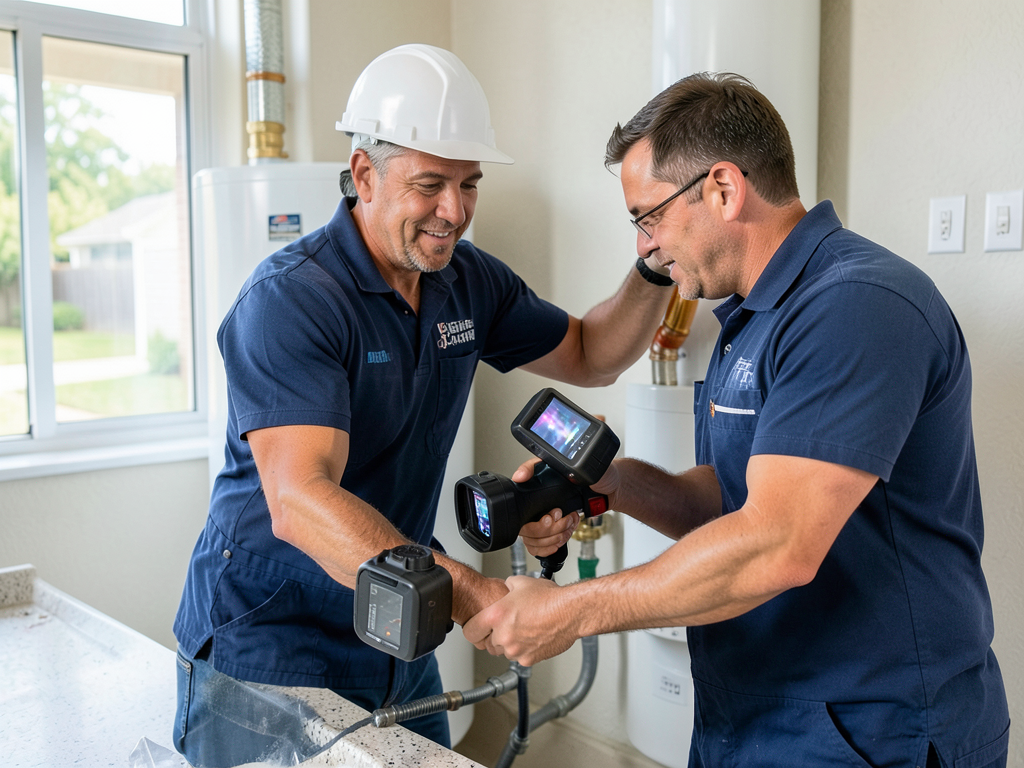
For suspected subslab issues common in Austin's soil conditions, we use video camera inspection. A waterproof camera travels through your drain lines and transmits real-time footage. We can see cracks, root intrusion, pipe separation, and corrosion inside pipes buried under your foundation. This eliminates guesswork and prevents unnecessary excavation.

Once we locate the failure point, we match the repair to the problem. Dried P-traps get refilled, and we install trap primers on floor drains to maintain the water seal automatically. Failed wax rings get replaced with new compression seals. Cracked vent stacks get reroofed with proper flashing and storm collars.

For biofilm buildup causing bacterial odors, we use enzymatic drain treatments that break down organic matter without damaging pipes. Chemical drain cleaners create more problems than they solve, corroding older cast iron and galvanized pipes common in Austin's pre-1980s housing stock.

If subslab pipes are compromised, we evaluate trenchless repair options like epoxy pipe lining before recommending excavation. This minimizes disruption to your landscaping and foundation while creating a durable, long-term solution.

What Happens When You Call About Drain Odors

Smelly Drains & Sewer Odors in Austin – Expert Diagnosis and Permanent Solutions
01

Initial Odor Assessment

We ask targeted questions about when and where you smell the odor, how long it has been present, and which fixtures are affected. This phone conversation helps us bring the right diagnostic tools and prepare for the most likely causes based on your home's age and location in Austin. We schedule a same-day or next-day visit depending on your availability.
02

Comprehensive Drain Inspection

Our plumber inspects every drain, vent opening, and cleanout in your home. We check P-trap water levels, test fixture seals, and examine vent terminations on your roof. If needed, we perform smoke testing or camera inspection to locate hidden failures in your drainage system. This diagnostic phase typically takes 45 to 90 minutes depending on your home's size and plumbing complexity.
03

Targeted Repair and Verification

Once we identify the source, we explain the failure and present repair options with transparent pricing. After you approve, we complete the repair and verify the odor is eliminated. We test the affected fixtures, check for proper venting, and confirm all P-traps hold water. You receive documentation of the repair and maintenance recommendations to prevent recurrence.

Why Austin Residents Trust All Pro Plumbing Austin for Sewer Gas Problems

Sewer gas odors are not a DIY project. The wrong diagnosis leads to wasted money on repairs that do not solve the problem. We have seen homeowners spend hundreds on new wax rings when the real issue was a cracked vent stack, or replace perfectly good drains when the problem was dried P-traps in a rarely used bathroom.

All Pro Plumbing Austin understands how Austin's unique conditions create drain and sewer odor problems. We work on homes built on the Edwards Plateau limestone, the Blackland Prairie clay, and the Colorado River floodplain. Each soil type creates different foundation movement patterns that stress your underground plumbing differently. We know which pipe materials were used in which Austin neighborhoods during different construction eras, and how they fail over time.

Our plumbers carry diagnostic tools that most companies skip because they cost more upfront. Smoke testing equipment and drain cameras are not cheap, but they eliminate guesswork. You pay for accurate diagnosis, not trial-and-error repairs.

We follow the current International Plumbing Code and Austin-specific amendments that govern vent sizing, trap arm length, and cleanout placement. Many older homes were grandfathered under outdated codes. When we make repairs, we bring your system up to current standards where possible, which protects your home value and prevents future issues.

We explain what we find in plain language. You see the camera footage if we run video inspection. You watch the smoke escape if we perform smoke testing. Transparency builds trust, and trust matters when someone is accessing your drain system and making recommendations that affect your home's structural integrity and indoor air quality.

What to Expect When We Diagnose Your Drain Odor Problem

Fast Response Time

We schedule most odor diagnostics within 24 hours of your call. Sewer gas contains hydrogen sulfide, which causes headaches, nausea, and respiratory irritation at high concentrations. We treat these calls with appropriate urgency. Our typical diagnostic visit lasts 60 to 90 minutes, depending on your home's plumbing complexity and the accessibility of vent stacks and cleanouts. If we find a simple fix like a dried P-trap, we resolve it immediately. More complex repairs get quoted on the spot with same-day or next-day completion options.

Thorough Diagnostic Process

Our plumber arrives with a full diagnostic toolkit including smoke testing equipment, drain cameras, and gas detection meters. We start with visual inspection of all fixtures, traps, and accessible vents. We check roof penetrations for damaged boots or failed flashing. If visual inspection does not reveal the source, we escalate to smoke testing or camera inspection. You receive a detailed explanation of what we find, including photos or video footage when available. We never recommend repairs without showing you the problem first.

Permanent, Verified Repairs

We match the repair method to the failure mode. Dried traps get refilled and we install automatic trap primers where appropriate. Failed seals get replaced with proper materials. Cracked pipes get repaired using epoxy lining or targeted excavation and replacement. Biofilm buildup gets treated with enzymatic cleaners, not harsh chemicals that damage pipes. After repair, we verify the odor source is eliminated by testing fixtures and checking for gas escape. You get documentation of the repair and specific maintenance recommendations to prevent recurrence in your specific plumbing configuration.

Ongoing Maintenance Guidance

After we fix your sewer gas problem, we provide targeted maintenance recommendations based on what caused the issue. If dried P-traps were the culprit, we explain how often to run water in unused fixtures or suggest trap primer installation. If biofilm was the problem, we recommend enzymatic treatment schedules. For homes with foundation movement issues, we explain warning signs that underground pipes may be shifting. You receive a written summary of the repairs completed and proactive steps to keep your drainage system functioning properly in Austin's challenging soil conditions.

Frequently Asked Questions

You Have Questions,
We Have Answers

How to get rid of sewer smell coming from drains? +

Start by running water in all drains for 30 seconds to refill dry P-traps, which block sewer gas. Pour a cup of water down floor drains you rarely use. If the smell persists, check for cracked vent pipes or damaged wax rings under toilets. Austin's hard water and mineral buildup can also trap bacteria in drains. Pour a half cup of baking soda followed by hot water down the drain weekly to maintain clean pipes. If the odor continues after these steps, you need a camera inspection to identify broken sewer lines or vent issues.

Why does my drain smell bad but no blockage? +

A bad smell without blockage means sewer gas is escaping somewhere. The most common cause is a dried-out P-trap, the U-shaped pipe under sinks that holds water to seal off gas. In Austin's heat, water evaporates faster from unused drains. Cracked vent pipes on your roof can also allow gas to enter your home instead of venting outside. Damaged wax seals around toilets or gaps in pipe connections let odors escape. Run water in all drains regularly. If that does not fix it, call a plumber to inspect vents and seals.

How to find where sewer smell is coming from? +

Start in bathrooms and the kitchen. Smell near each drain, toilet base, and under sinks. Check for water stains or dampness on walls and ceilings below bathrooms, which signal leaking pipes. Go outside and inspect roof vent pipes for cracks or blockages from bird nests. In Austin homes with pier and beam foundations, crawl spaces often hide broken sewer lines. Floor drains in garages or utility rooms are common culprits when dry. If you cannot locate the source after checking these areas, a plumber can use smoke testing to trace the exact leak point.

Can I fix a sewage smell myself? +

You can fix simple causes like dry P-traps by running water or pouring water down floor drains. Clean sink drains with baking soda and hot water to remove biofilm buildup. Check that toilet wax rings are sealed by pressing around the base for movement. Beyond these tasks, sewer smell fixes require professional tools. Cracked vent pipes, broken sewer lines under slabs, or failed drain assemblies need camera inspections and specialized repairs. Attempting complex fixes without proper equipment risks making the problem worse or violating Austin plumbing codes. Know when to stop and call help.

What kills the smell of sewage? +

For immediate relief, pour enzyme-based drain cleaners down affected drains to break down organic matter causing odor. Baking soda followed by hot water also neutralizes smell temporarily. Clean the drain flange and stopper with a brush and mild detergent. These methods mask the problem but do not fix the root cause. True sewage smell comes from sewer gas escaping through damaged pipes, failed seals, or dry traps. You must address the source. Professional cleaning with hydro-jetting removes biofilm and buildup. Repair cracked vents or replace wax rings to stop gas from entering your home permanently.

Why should you never use baking soda and vinegar to unclog a drain? +

Baking soda and vinegar create a fizzy reaction that looks impressive but does nothing for clogs. The reaction neutralizes both ingredients, leaving just salt water with no cleaning power. This mixture cannot break down grease, hair, or soap scum causing blockages. Worse, the expanding foam can push debris deeper into pipes or create pressure that damages old joints in Austin's aging plumbing systems. Use a plumber's snake for physical clogs or enzyme cleaners for organic buildup. If those fail, call a professional with hydro-jetting equipment to clear lines properly without risking pipe damage.

How Austin's Expansive Clay Soil Creates Hidden Drain Line Failures

Austin sits on highly expansive clay soil that swells when wet and shrinks during drought. This constant movement stresses underground drain pipes, especially older cast iron and clay tile lines common in Central Austin neighborhoods. As your foundation shifts, drain pipes crack at joints or separate completely. These failures allow sewer gas to escape into crawl spaces and living areas while the drain still functions normally for water flow. You smell the problem long before you see slow drainage or backups. The rotten egg smell from plumbing is often your first warning that subslab pipes have been compromised by soil movement.

All Pro Plumbing Austin has diagnosed drain odor problems in thousands of Austin homes across every neighborhood from Bouldin Creek to Great Hills. We understand how homes built in different eras use different pipe materials and how those materials fail over time in our soil conditions. We know which streets in Hyde Park still have original 1920s cast iron, which Mueller subdivisions used clay tile in the 1950s, and which Northwest Austin developments transitioned to PVC in the 1980s. This local knowledge speeds diagnosis and ensures we bring the right repair approach for your specific home and plumbing configuration.
Plumbing Services in The Austin Area

While we proudly serve the entire Austin area, you can easily locate our central operations or explore our service coverage on the map below. We are committed to reaching you promptly, wherever you are within our service region, ensuring timely and efficient plumbing solutions for both residential and commercial clients. Feel free to zoom in and out to visualize our extensive service areas and discover how close professional plumbing assistance truly is.

Address:
All Pro Plumbing Austin, 3800 North Lamar Boulevard Lamar Central, Austin, TX, 78756

Additional Services We Offer

Our news updates

Latest Articles & News from The Blogs

Planning the Plumbing for a New Master Suite Addition in Govalle Adding a master suite to your Govalle home requires…

Planning the Plumbing for a New Master Suite Addition in Govalle

Planning the Plumbing for a New Master Suite Addition in Govalle Adding a master suite to your Govalle home requires…

How to Stop That Loud Thumping Noise in Your St Edwards Home (Water Hammer Explained)

How to Stop That Loud Thumping Noise in Your St Edwards Home (Water Hammer Explained) Does your plumbing sound like…

Why Your Copperfield Yard Smells Like Sewage and What to Do About It

Why Your Copperfield Yard Smells Like Sewage and What to Do About It Your Copperfield yard should smell like fresh…

Contact Us

Call All Pro Plumbing Austin at (737) 316-0588 right now. We will diagnose the exact source of your drain odor problem and fix it permanently. Same-day diagnostics available. No guesswork, no temporary fixes, just expert repair.