Menu

Septic Tank Emergency Pumping in Austin – 24/7 Dispatch Gets Crews On-Site Fast

When your septic system fails, you need urgent septic tank cleaning crews who respond in minutes, not hours. All Pro Plumbing Austin specializes in same day septic pumping across Travis County with fully equipped trucks ready to handle overflow, backups, and system failures before raw sewage damages your property.

Slider Image 1
Slider Image 2
Slider Image 3
Slider Image 4
Slider Image 5
Slider Image 7
Slider Image 8
Slider Image 9
Slider Image 10
Slider Image 11

Austin's Septic Systems Face Unique Pressure

You smell sewage. Water is pooling in your yard. Your toilets are backing up. This is not a problem that waits.

Austin's expansive clay soil shifts constantly with moisture changes. The soil expands when wet and contracts when dry, putting constant pressure on buried septic tanks and distribution lines. This movement cracks tank walls, collapses drain fields, and causes sudden system failures that require immediate septic tank emptying.

The city's rapid development means older septic systems in areas like East Austin and Oak Hill are serving homes they were never designed to support. You are flushing more water through aging concrete tanks with limited capacity. When the system hits its limit, it fails fast.

High water tables during Austin's flash flood season compound the issue. Heavy rainfall saturates drain fields, preventing proper percolation. The tank fills faster than it can drain. Raw sewage backs up into your home or bubbles to the surface. This is when you need 24 hour septic pump out service, not next week.

Bacterial die-off from antibacterial cleaners and harsh chemicals slows waste breakdown inside the tank. Solids accumulate faster than normal. The scum layer thickens. The tank reaches capacity weeks or months ahead of schedule. You face an emergency septic pumping service situation without warning.

Tree roots from Austin's native live oaks and cedar elms infiltrate distribution lines, seeking moisture. They create blockages that prevent effluent from leaving the tank. Pressure builds. The system fails. You need urgent septic tank cleaning before sewage contaminates your well water or enters nearby creeks feeding the Colorado River watershed.

Austin's Septic Systems Face Unique Pressure
How We Execute Emergency Septic Extraction

How We Execute Emergency Septic Extraction

Speed matters, but reckless pumping damages your system. We execute immediate septic tank emptying using protocols that protect your tank integrity while removing sewage fast.

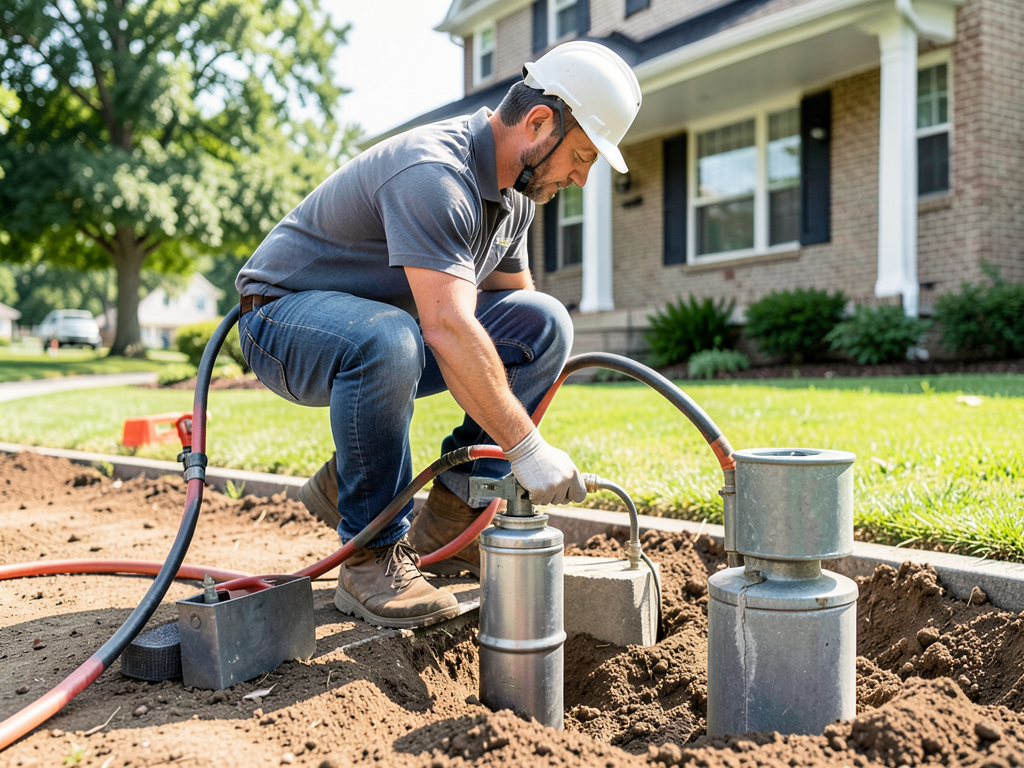
Our vacuum trucks carry 3,000-gallon capacity tanks with high-powered pumps that create 400 CFM suction. This pulls liquids and solids simultaneously without requiring multiple trips. We position the truck to minimize hose run distance, reducing extraction time and preventing hose clogs from thick sludge layers.

We locate your tank access ports using ground-penetrating radar when risers are buried or unmarked. Many Austin properties have tanks installed in the 1970s and 1980s with no surface access. We find them without excavating your landscaping. Once located, we remove the lid and assess tank condition before pumping begins.

The pumping sequence matters. We extract from the outlet side first to relieve pressure on your drain field. This prevents additional effluent from pushing into already saturated soil. Then we move to the inlet side, removing the scum layer and floating solids that cause backup odors and clogs.

We break up compacted sludge at the tank bottom using high-pressure water jets. This liquefies settled solids so the vacuum system can extract them completely. Partial pumping leaves material that rapidly refills the tank, forcing you to call for service again in weeks instead of years.

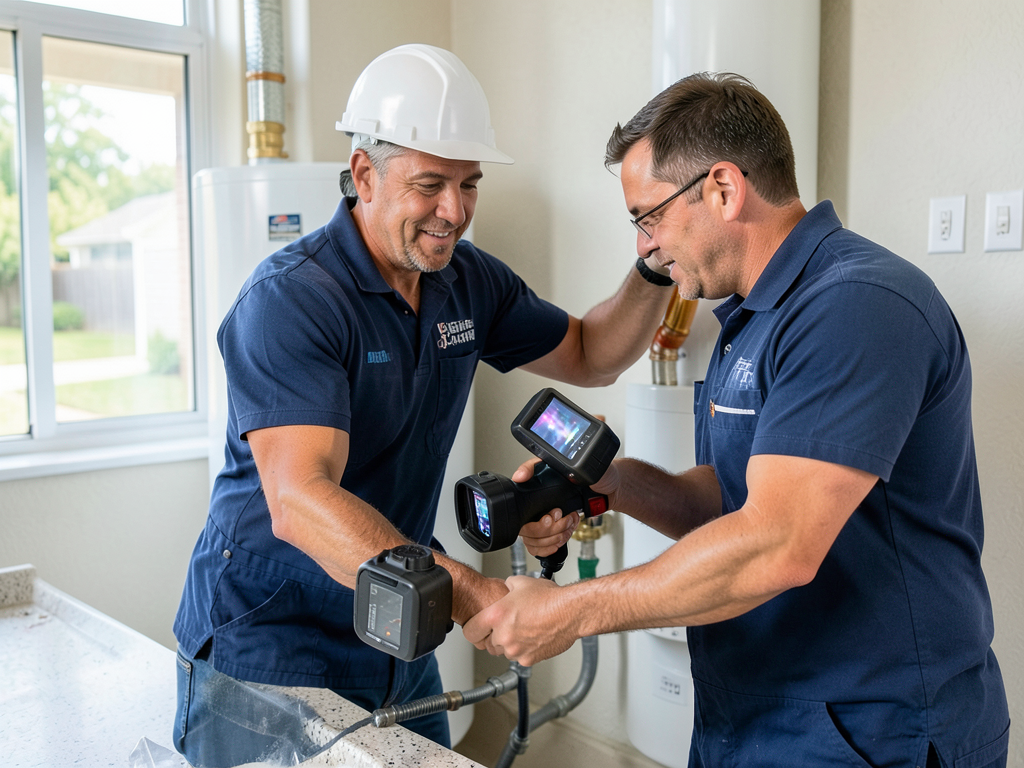
After extraction, we inspect baffles, inlet and outlet pipes, and tank walls using fiber-optic cameras. We identify cracks, root intrusion points, and structural damage that caused the emergency. You receive a diagnostic report with photos showing exactly what failed and what repairs prevent recurrence. This is emergency septic pumping service that fixes the problem, not just the symptom.

What Happens When You Call for Emergency Pumping

Septic Tank Emergency Pumping in Austin – 24/7 Dispatch Gets Crews On-Site Fast
01

Immediate Dispatch and Assessment

You call our emergency line at (737) 316-0588. We dispatch the nearest available crew within 15 minutes. While the truck is en route, our technician asks targeted questions about your symptoms to determine if you are experiencing tank overflow, distribution line failure, or pump system malfunction. This pre-arrival assessment ensures we bring the correct equipment and parts for your specific emergency, eliminating delays once on-site.
02

Rapid Extraction and Containment

Our crew locates your tank, removes the access lid, and begins vacuum extraction immediately. We pump all liquid effluent and settled solids until the tank is completely empty. Simultaneously, we contain any surface sewage using portable barriers and absorbent materials. This prevents contamination from spreading across your property or entering storm drains. The entire extraction typically completes in 45 to 90 minutes depending on tank size and sludge density.
03

System Inspection and Restoration

After pumping, we inspect your tank interior and all accessible components using camera equipment. We photograph damage, measure remaining wall thickness on concrete tanks, and test outlet flow to your drain field. You receive a written report identifying what caused the failure and what repairs are necessary. We explain your options clearly. If you need immediate repairs to restore system function, we can often complete them the same day using parts carried on our service trucks.

Why Austin Property Owners Choose All Pro Plumbing for Septic Emergencies

You need a crew that understands how Austin's environment attacks septic systems. We have pumped tanks across every soil type in Travis County, from the shallow clay in Pflugerville to the rocky terrain in Lakeway. We know where systems fail and why.

Our technicians recognize the signs of clay soil heave damage versus root intrusion versus bacterial imbalance. This diagnostic skill means we identify the actual cause of your emergency, not just the visible symptom. You get repairs that prevent the next failure instead of temporary fixes that break again in three months.

We comply with Texas Commission on Environmental Quality regulations for septage handling and disposal. Every gallon we extract goes to approved treatment facilities. You never worry about illegal dumping that could result in fines or environmental liability for your property.

Our vacuum trucks are maintained on strict schedules with daily pre-trip inspections. Equipment failure during your emergency is not acceptable. When we say we will be there, we arrive with functioning pumps, clean hoses, and full fuel tanks. You are not the crew's last stop after a 12-hour shift.

We answer our emergency line 24 hours a day, including holidays. Septic failures do not wait for business hours. You reach a trained dispatcher immediately, not an answering service that takes messages. The dispatcher has real-time GPS tracking of every truck in our fleet and can give you accurate arrival times.

Austin's septic regulations require permits for tank repairs and replacements. We handle all permitting with the city and county, ensuring your emergency repairs meet code requirements. This protects your property value and prevents issues during future home sales when title companies review septic system compliance records.

What to Expect During Emergency Septic Service

Response Time and Availability

We maintain trucks positioned throughout the Austin metro area for rapid deployment. Average response time from your call to truck arrival is 60 to 90 minutes, depending on your location and current traffic conditions. During overnight hours when traffic is light, we often arrive in under 45 minutes. Our crews work rotating shifts to ensure 24/7 coverage every day of the year. You are never told to wait until morning or after the weekend. We understand septic emergencies create health hazards and property damage that worsen by the hour. When you call, we come.

On-Site Evaluation Process

Before pumping begins, our technician walks your property to identify all visible symptoms and locate your septic system components. We check for standing water, sewage odors, saturated drain field areas, and damaged risers or lids. Using tank location records from Travis County or ground-penetrating radar, we pinpoint buried access points. We explain what we find and outline the pumping process before starting work. You will understand why the emergency happened and what we will do to resolve it. This evaluation adds 10 to 15 minutes before pumping starts but ensures we address the complete problem.

Quality of Emergency Extraction

We perform complete tank evacuation, removing all liquids and solids down to the tank bottom. Partial pumping that leaves sludge accumulation is not acceptable during emergencies because it fails to restore full system capacity. Our high-volume pumps extract thick sludge layers that smaller equipment cannot handle. We break up compacted solids using water jetting when necessary. After extraction, we rinse tank walls and baffles to remove residual waste that causes odors. You receive confirmation that your tank is completely empty and ready to resume normal operation with maximum available capacity restored.

Follow-Up Recommendations and Maintenance

After emergency pumping, we provide written documentation of tank condition, identified damage, and recommended repairs. If your emergency resulted from deferred maintenance, we explain proper pumping intervals based on your household size and tank capacity. Most Austin households need pumping every three to five years, but high-use properties may require annual service. We can schedule preventive maintenance to avoid future emergencies. If repairs are necessary, we provide detailed estimates with parts and labor broken out clearly. You decide what gets fixed and when. We never perform unauthorized repairs during emergency calls.

Frequently Asked Questions

You Have Questions,
We Have Answers

How much is an emergency septic pump? +

Emergency septic pumping in Austin typically costs more than scheduled service due to 24/7 availability and rapid response. Expect to pay between premium rates depending on tank size, accessibility, and time of day. Weekend and holiday calls often carry surcharges. Austin's clay soil can complicate access during wet weather, increasing labor costs. The price covers immediate response to prevent sewage backup into your home, which causes far more expensive damage. Get a quote upfront before work begins. Most providers accept credit cards and offer financing for urgent situations.

How long can a septic tank go without pumping? +

Most residential septic tanks need pumping every three to five years. Your household size directly affects this timeline. A family of four in Austin generates more wastewater than two people. Tank capacity matters too. A 1,000-gallon tank fills faster than a 1,500-gallon system. Water softeners and garbage disposals accelerate sludge buildup. Austin's warm climate speeds bacterial breakdown but does not eliminate the need for pumping. Missing this window causes solids to overflow into your drain field, creating a genuine emergency that requires immediate professional intervention.

What is considered a septic emergency? +

Sewage backing up into your home is a septic emergency. You will see or smell raw waste in drains, toilets, or yard. Standing wastewater pooling near your tank or drain field poses immediate health risks. Gurgling drains throughout your house signal system failure. Austin residents should act fast during heavy rain events, which stress already full tanks. Ground saturation from Texas storms can flood septic systems quickly. If you see sewage surfacing or backing up, stop using water immediately and call for emergency pumping. This protects your family from dangerous bacteria and prevents costly property damage.

How do I empty my septic tank without pumping? +

You cannot safely empty a septic tank without professional pumping equipment. Attempting DIY removal exposes you to deadly hydrogen sulfide gas, methane, and disease-causing bacteria. Septic waste requires specialized vacuum trucks and disposal at licensed treatment facilities. Austin environmental regulations prohibit dumping septic waste on your property or into storm drains. You risk thousands in EPA fines and contamination of the Edwards Aquifer, which supplies drinking water to Central Texas. Never open your tank without proper ventilation and training. Emergency pumping by licensed professionals is the only safe, legal option when your system fails.

What are the signs that your septic tank is full? +

Slow drains throughout your home signal a full tank. Toilets flush weakly or gurgle. You smell sewage near the tank or inside your house. Bright green grass or standing water appears over your drain field. Multiple fixtures back up when you run water. Austin homeowners often notice these signs after hosting guests or increased water use. Your lowest drains, usually basement toilets or showers, show problems first. If you hear gurgling when running the washing machine or see sewage in tub drains, your tank is beyond full and needs immediate pumping to prevent backup into your living space.

How much does it cost to empty a 1500 gallon septic tank? +

Pumping a 1,500-gallon septic tank in Austin typically costs within the standard service range. Emergency calls cost more due to after-hours response. Factors affecting price include tank depth, lid accessibility, distance from the street, and soil conditions. Austin's rocky terrain sometimes requires extra digging to access lids. If you have not pumped in years, heavy sludge buildup takes longer to remove. Most companies charge by the tank size, not gallons removed. Request quotes from multiple licensed providers. Regular maintenance pumping costs less than emergency service, so schedule routine pumping every three to five years.

What's the worst thing for a septic tank? +

Flushing non-biodegradable items destroys your septic system. Wipes labeled flushable do not break down. They mat together and clog pipes. Grease, cooking oil, and fat solidify in tanks and pipes. Coffee grounds, cat litter, and feminine products cause blockages. Chemical drain cleaners kill beneficial bacteria that digest waste. Excessive water use from leaking toilets floods your system. Austin's hard water makes households use more detergent, which harms septic bacteria. Garbage disposals overwhelm tanks with solid waste. Antibiotics and harsh cleaners disrupt the bacterial balance your system needs to function. Protect your investment by keeping these items out.

How much does it typically cost to pump a septic tank? +

Standard septic pumping in Austin ranges based on tank size and access. A typical 1,000-gallon residential tank costs less than a 1,500-gallon system. Emergency calls, weekend service, and holiday rates cost significantly more. Difficult access adds to the price. If your tank is buried deep or lids are hard to locate, expect higher charges. Austin providers often include inspection and basic reporting in the base price. Pumping removes solids and scum layers, extending your system's life. Regular maintenance every three to five years costs less than emergency repairs from neglect. Get written estimates before agreeing to service.

Can a septic tank go 30 years without being pumped? +

No. A septic tank cannot function safely for 30 years without pumping. Sludge and scum layers build up continuously. After years of neglect, solids fill the tank and overflow into the drain field. This clogs the soil permanently. Austin's clay soil does not drain well when clogged with septic solids. You face complete system failure requiring drain field replacement, which costs tens of thousands. Long neglect also allows tree roots to invade and damage tanks and pipes. Even well-maintained tanks need pumping every three to five years. If you bought a home with unknown pumping history, schedule inspection and pumping immediately.

How long before septic shock kills you? +

Septic shock is a medical emergency unrelated to septic tanks. It occurs when infection spreads through your bloodstream, causing organ failure. Without immediate hospital treatment, septic shock can kill within hours. However, septic tank exposure causes serious illness. Breathing hydrogen sulfide gas from tanks causes unconsciousness and death in minutes. Bacteria in sewage spread diseases like hepatitis and E. coli. If sewage backs up into your Austin home, evacuate and call emergency services. Never enter a septic tank. Contact professionals for safe pumping. Seek medical attention immediately if exposed to raw sewage. This is a life-threatening situation requiring urgent action.

Austin's Clay Soil and Rapid Development Create Perfect Conditions for Septic Failures

The expansive clay soil underlying most of Travis County swells up to 10 percent when saturated and shrinks dramatically during drought. This constant movement creates shear stress on rigid concrete septic tanks and PVC distribution lines. Tanks installed in the 1980s and 1990s, when Austin's population was half its current size, now show stress fractures and separated joints from decades of soil movement. Add Austin's boom in accessory dwelling units and home additions, and you have septic systems serving twice their designed capacity. The combination of aging infrastructure, soil stress, and increased demand creates frequent emergency septic pumping service calls across older Austin neighborhoods like Allandale, Brentwood, and Barton Hills.

All Pro Plumbing Austin has served Travis County property owners for years, building relationships with local code officials and environmental compliance officers. We understand Austin's specific requirements for septage disposal, drain field setbacks from water wells, and proximity restrictions near Barton Springs and other sensitive aquifer recharge zones. When we pump your tank, you can trust the waste is handled according to TCEQ standards. Our technicians carry city permits and maintain continuing education on septic system regulations. Choosing a local provider means choosing someone who answers to the same regulatory bodies that protect your neighborhood's water quality and property values.
Plumbing Services in The Austin Area

While we proudly serve the entire Austin area, you can easily locate our central operations or explore our service coverage on the map below. We are committed to reaching you promptly, wherever you are within our service region, ensuring timely and efficient plumbing solutions for both residential and commercial clients. Feel free to zoom in and out to visualize our extensive service areas and discover how close professional plumbing assistance truly is.

Address:
All Pro Plumbing Austin, 3800 North Lamar Boulevard Lamar Central, Austin, TX, 78756

Additional Services We Offer

Our news updates

Latest Articles & News from The Blogs

Planning the Plumbing for a New Master Suite Addition in Govalle Adding a master suite to your Govalle home requires…

Planning the Plumbing for a New Master Suite Addition in Govalle

Planning the Plumbing for a New Master Suite Addition in Govalle Adding a master suite to your Govalle home requires…

How to Stop That Loud Thumping Noise in Your St Edwards Home (Water Hammer Explained)

How to Stop That Loud Thumping Noise in Your St Edwards Home (Water Hammer Explained) Does your plumbing sound like…

Why Your Copperfield Yard Smells Like Sewage and What to Do About It

Why Your Copperfield Yard Smells Like Sewage and What to Do About It Your Copperfield yard should smell like fresh…

Contact Us

Your septic emergency is not going to fix itself. Every hour you wait increases contamination risk and property damage. Call All Pro Plumbing Austin at (737) 316-0588 right now. Our emergency crews are standing by with trucks ready to roll. We will have your system pumped and evaluated before the problem gets worse.