Menu

Storm Drain Cleaning & Repair in Austin – Minimize Downtime with Industrial-Grade Stormwater Solutions

Keep your commercial property operational during heavy rains with professional storm drain cleaning and catch basin repair services designed for Austin's flash flood conditions and high-capacity drainage demands.

Slider Image 1
Slider Image 2
Slider Image 3
Slider Image 4
Slider Image 5
Slider Image 7
Slider Image 8
Slider Image 9
Slider Image 10
Slider Image 11

Why Commercial Storm Drains Fail During Austin's Flash Flood Season

Austin sits on the Edwards Plateau, where flash flooding is not a possibility but a guarantee. When storms dump three inches of rain in 30 minutes, your parking lot drains and catch basins are the first line of defense against property damage, liability claims, and business interruption.

Most commercial storm drain failures happen because sediment from the limestone-rich soil clogs the system faster than you expect. Add construction debris, organic matter from live oak trees, and oil residue from parking lots, and you have a drainage system operating at 40 percent capacity before the first heavy rain hits.

The result is predictable. Water pools in loading zones. Customers avoid your property. Delivery trucks cannot access your bays. Your insurance adjuster starts asking questions about maintenance records.

Commercial catch basin cleaning is not optional maintenance. It is infrastructure management. Storm sewer maintenance prevents flooding before it reaches your doorways. Parking lot drain repair keeps your property accessible and reduces slip-and-fall liability during wet conditions.

You cannot control Austin's weather patterns, but you can control whether your stormwater drainage system functions when it matters most. The businesses that stay operational during severe weather are the ones that schedule stormwater drain cleaning services before the National Weather Service issues the next flash flood warning.

Catch basin repair addresses the structural issues that cleaning alone cannot fix. Cracked grates, collapsed inlet structures, and damaged piping require professional assessment and industrial-grade solutions.

Why Commercial Storm Drains Fail During Austin's Flash Flood Season
How Professional Storm Drain Maintenance Protects Your Property Investment

How Professional Storm Drain Maintenance Protects Your Property Investment

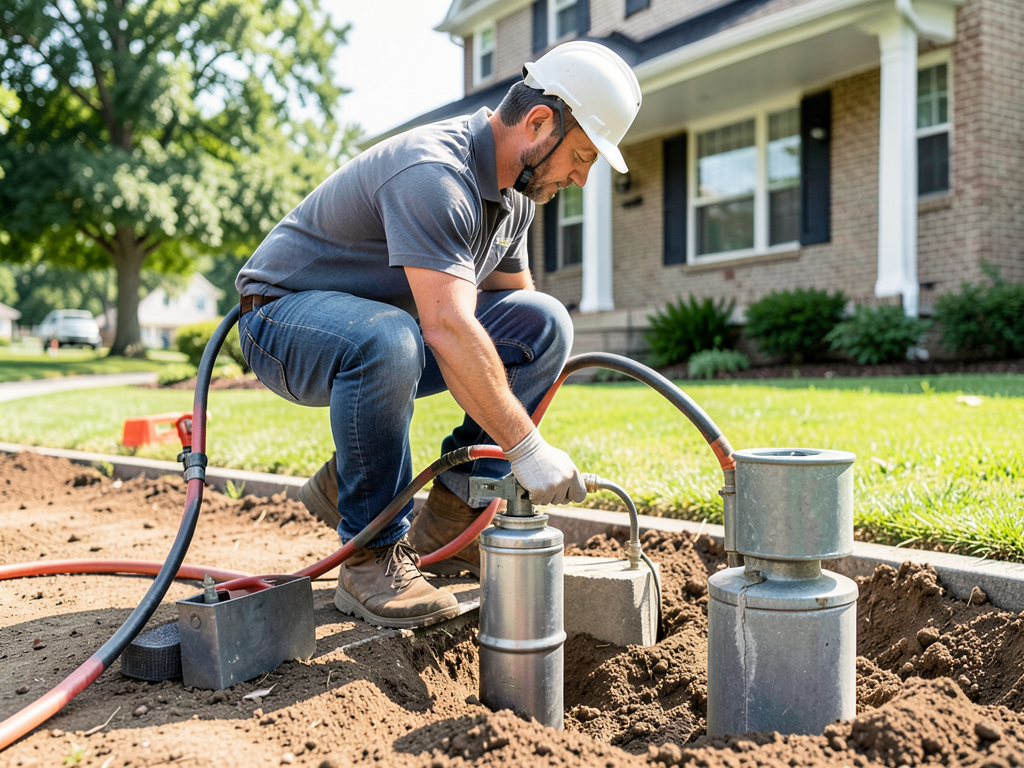
Commercial storm drain systems require hydro-jetting equipment capable of moving sediment loads that manual methods cannot touch. We deploy truck-mounted units with enough pressure and flow rate to clear accumulated debris from catch basin sumps, lateral lines, and main storm sewer connections.

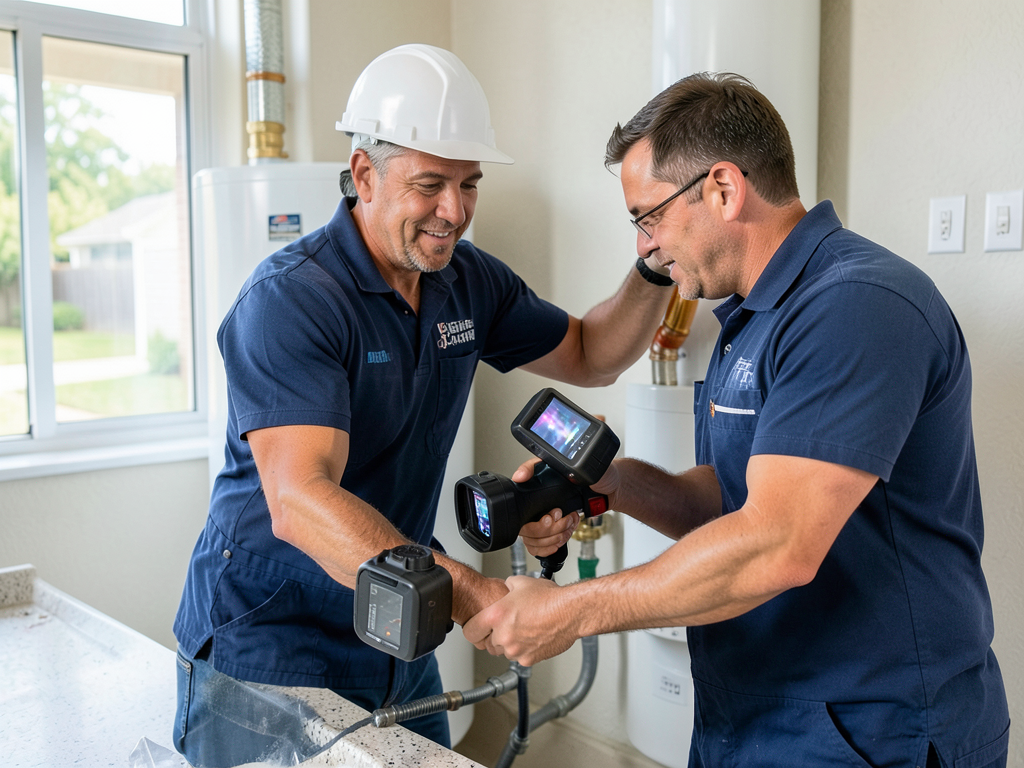
The process starts with video inspection. We insert camera equipment into your drainage infrastructure to identify blockages, structural damage, and areas where sediment has reduced pipe diameter. This diagnostic step prevents guesswork and ensures we address the actual problem, not just surface symptoms.

Once we identify the obstruction points, we use high-pressure water jets to scour pipe walls and dislodge compacted material. The equipment we use can handle grease, sand, clay, and organic debris without damaging pipe integrity. For catch basins with heavy sediment accumulation, we use vacuum extraction to remove material that water pressure alone cannot clear.

Structural repairs follow a different protocol. If your catch basin grate is damaged or your inlet structure shows signs of settling, we assess whether the issue stems from poor installation, soil movement, or age-related deterioration. Austin's expansive clay soil causes movement that standard concrete installations cannot withstand. We use materials and techniques designed for ground conditions that shift during wet-dry cycles.

Storm sewer maintenance is not a one-time service. We develop maintenance schedules based on your property's drainage load, tree coverage, and historical performance. High-traffic parking lots require quarterly attention. Properties with minimal impervious surface and light tree coverage may only need annual service. We tailor the frequency to your infrastructure, not a generic service template.

What Happens During a Commercial Storm Drain Service Visit

Storm Drain Cleaning & Repair in Austin – Minimize Downtime with Industrial-Grade Stormwater Solutions
01

Infrastructure Assessment

We arrive with video inspection equipment and locate all catch basins, drainage inlets, and storm sewer connections on your property. The camera inspection reveals blockage severity, structural damage, and whether your system meets current drainage capacity requirements. You receive a diagnostic report with video documentation showing exactly what we found and what needs attention. This step prevents unnecessary work and ensures we address the actual failure points.
02

Hydro-Jetting and Extraction

Our truck-mounted hydro-jetting system clears sediment, debris, and organic material from your storm drain lines and catch basin sumps. High-pressure water streams scour pipe walls without causing damage. For catch basins with heavy sediment loads, we use vacuum extraction to remove material that cannot be flushed. The equipment we deploy handles commercial-grade blockages that standard cleaning methods cannot touch. We clear the system until water flows freely through all drainage points.
03

Final Verification and Documentation

After cleaning and repair work, we run a final camera inspection to verify the system is clear and operating at full capacity. You receive documentation showing before and after conditions, repair work completed, and maintenance recommendations based on your property's specific drainage challenges. This documentation satisfies insurance requirements and provides proof of due diligence if stormwater issues arise later. We also provide a maintenance schedule tailored to your property's drainage load.

Why Austin Commercial Properties Trust All Pro Plumbing Austin for Storm Drain Services

All Pro Plumbing Austin works with property managers, facility directors, and business owners who need storm drain maintenance completed without disrupting operations. We understand that scheduling downtime for a retail center is different than scheduling work at a manufacturing facility. We adapt our service timing to your business requirements, not the other way around.

Our technicians know Austin's drainage challenges because we work here every day. We understand how limestone geology affects water flow, how live oak root systems infiltrate storm sewer lines, and how the city's stormwater codes apply to commercial properties. This local knowledge means faster diagnosis and more effective solutions.

We carry commercial-grade equipment designed for high-capacity systems. Our hydro-jetting units and vacuum trucks handle sediment loads that smaller residential equipment cannot touch. When you have a parking lot drain backing up during business hours, you need equipment capable of clearing the blockage in one visit, not multiple return trips with undersized tools.

Storm drain work often reveals underlying infrastructure problems. We provide honest assessments about whether your system needs repair or replacement. If your catch basin structure has settled due to soil movement, we explain what caused the issue and what it takes to fix it permanently. You get transparent recommendations based on what your property actually needs.

We document everything. You receive video footage, written reports, and maintenance recommendations that satisfy insurance requirements and help you plan future capital expenditures. Property managers appreciate having records that demonstrate proactive maintenance when claims arise or when preparing for property assessments.

Austin's commercial real estate market demands properties that function reliably during severe weather. We help you maintain that standard with storm drain services that keep water moving away from buildings, parking areas, and access points.

What to Expect from Commercial Storm Drain Cleaning and Repair

Service Scheduling and Response Time

We schedule commercial storm drain maintenance during off-peak hours to minimize disruption to your operations. Emergency response for active flooding or drainage failures typically occurs within two hours during business hours. We coordinate with your facility management team to ensure service timing aligns with your operational requirements. For routine maintenance, we provide quarterly or annual service appointments based on your property's drainage load and historical performance. You receive advance notice before scheduled visits, and we confirm arrival times the day before service.

Video Inspection and Diagnostic Process

Every storm drain service begins with video camera inspection of your drainage infrastructure. We insert waterproof cameras into catch basins and storm sewer lines to identify blockages, structural damage, and capacity issues. The inspection reveals whether you need cleaning, repair, or both. You receive video documentation showing the current condition of your system and what work we recommend. This diagnostic approach prevents unnecessary service and ensures we address the actual problems affecting your drainage performance. The inspection also helps identify future maintenance needs before they become emergencies.

System Performance After Service

After cleaning and repair work, your storm drain system will handle design flow rates as intended by the original engineering specifications. Water will clear from parking lots and loading zones faster, reducing ponding and eliminating the standing water that creates liability concerns. Catch basins will capture sediment and debris before it enters the main storm sewer system. Structural repairs eliminate safety hazards from damaged grates or unstable inlet structures. We verify system performance with a final camera inspection before we leave your property. You get documentation proving the system is operating at full capacity.

Maintenance Plans and Follow-Up Service

We develop customized maintenance schedules based on your property's specific drainage challenges, tree coverage, and traffic load. High-volume parking lots typically require quarterly catch basin cleaning. Properties with lighter drainage demands may only need annual service. We track your service history and send reminders before your next scheduled maintenance date. If you experience drainage issues between scheduled visits, we prioritize return service to address problems before they cause property damage. Regular maintenance prevents emergency repair costs and extends the service life of your stormwater infrastructure. You receive updated documentation after each service visit.

Frequently Asked Questions

You Have Questions,
We Have Answers

How much does storm drain cleaning cost? +

Commercial storm drain cleaning in Austin typically ranges from $300 to $1,500 per drain, depending on system size, access points, and debris accumulation. Larger commercial properties with multiple drains or complex drainage systems will see higher costs. Austin's clay soil and seasonal flash flooding increase debris buildup, requiring heavy-duty hydro-jetting equipment. Preventive maintenance contracts reduce per-service costs compared to emergency callouts. Pricing factors include drain depth, diameter, root intrusion severity, and whether video inspection is needed. Request a site assessment to get accurate pricing based on your property's specific drainage infrastructure and compliance requirements.

How much does it cost to have your drain cleared? +

Clearing a clogged commercial drain costs between $200 and $800 per incident in Austin. Simple blockages in accessible lines run lower, while deep clogs requiring camera inspection or hydro-jetting push costs higher. Austin's limestone bedrock and expansive clay soils create unique challenges that impact pricing. Emergency after-hours service adds 50 to 100 percent to standard rates. For commercial properties, factor in potential business interruption costs and code violations if drains fail during inspections. Regular maintenance prevents expensive emergency calls and protects your operational continuity during Austin's heavy rainfall events.

How often do storm drains need to be cleaned? +

Commercial storm drains in Austin require cleaning every 6 to 12 months minimum. Properties with heavy landscaping, parking lots, or high foot traffic need quarterly service. Austin's intense spring storms and fall leaf drop accelerate debris accumulation. Restaurants and food service facilities should clean grease-intercepting drains monthly to prevent violations. Properties near construction sites or with aging oak trees require more frequent attention due to sediment and root intrusion. Skipping scheduled cleaning leads to backup failures during peak rainfall, creating liability risks and code compliance issues. Establish a maintenance schedule based on your property's specific exposure factors.

Who is responsible for cleaning out storm drains? +

Responsibility depends on drain location and ownership. Property owners handle storm drains on private commercial property, including parking lots, rooftops, and interior drainage systems. The City of Austin maintains public street drains and infrastructure in rights-of-way. Your responsibility extends to the connection point where private systems tie into municipal lines. Commercial property owners face liability for flooding caused by neglected private drains. Austin's stormwater ordinances require proper maintenance to prevent pollutant discharge. Review your property survey and title documents to identify exact responsibility boundaries. Failure to maintain private storm drains can result in city citations and fines.

Does homeowners insurance cover sewer line repair? +

Homeowners insurance rarely covers sewer or storm drain repairs for commercial properties. Standard commercial property policies exclude damage from lack of maintenance, gradual deterioration, and earth movement. Austin's shifting clay soils cause ongoing pipe stress that insurers classify as maintenance issues. Some policies cover sudden pipe collapse from specific covered perils, but not routine wear or blockages. Flood insurance through NFIP does not cover underground drainage infrastructure. Commercial property owners should review policy exclusions carefully and budget for drainage system repairs as operational expenses. Consider specialized equipment breakdown coverage for critical drainage components.

Do plumbers work on storm drains? +

Licensed plumbers handle storm drain cleaning and repair for commercial properties in Austin. Storm drainage work requires specialized equipment like truck-mounted hydro-jetters, industrial cable machines, and pipeline cameras that standard plumbers carry. Many commercial plumbing contractors focus specifically on drainage infrastructure because Austin's regulations require proper licensing for underground utility work. Plumbers assess whether blockages stem from interior plumbing failures or external storm drainage issues. They also ensure repairs meet Austin's building codes and coordinate inspections when required. Choose contractors experienced with commercial-scale drainage systems and familiar with local permit requirements for excavation and repair work.

Are blocked drains covered by insurance? +

Commercial property insurance typically excludes blocked drains from coverage. Insurers classify blockages as preventable maintenance failures, not covered perils. Austin businesses cannot claim coverage for routine clogs from debris, grease, or root intrusion. Policies may cover resulting damage if a sudden pipe burst causes property damage, but not the drain repair itself. Document your maintenance records to demonstrate due diligence if filing claims for secondary damage. The exclusion reinforces why preventive cleaning contracts protect your bottom line better than relying on insurance. Budget drain maintenance as a non-negotiable operational expense to avoid coverage gaps.

Why is drain cleaning so expensive? +

Drain cleaning costs reflect specialized equipment, licensing, liability insurance, and disposal fees that Austin regulations require. Commercial-grade hydro-jetting trucks cost $75,000 to $150,000, and pipeline cameras add another $15,000 to $30,000. Licensed technicians need ongoing training for confined space entry and hazardous material handling. Austin's disposal fees for extracted debris and contaminated water add direct costs to each job. Emergency availability requires maintaining staffed crews and equipment 24/7. Insurance premiums run high due to property damage risks and environmental liability exposure. You pay for expertise that prevents code violations, business interruption, and potential flooding liability.

What are the disadvantages of relining? +

Pipe relining has limitations for commercial storm drains in Austin. The process reduces pipe diameter by 3 to 6 millimeters, decreasing flow capacity in systems already stressed by heavy rainfall. Relining cannot fix separated pipe joints, collapsed sections, or offset connections common in properties with shifting clay soils. The method works poorly in pipes with sharp bends or multiple lateral connections. Liner failure at connection points can occur within 10 to 15 years, requiring excavation anyway. Austin's temperature extremes stress cured-in-place liners. For large-diameter commercial storm drains, traditional replacement often provides better long-term value and capacity assurance.

Why do plumbers say not to use drain cleaner? +

Chemical drain cleaners damage commercial piping and create liability risks. The products generate heat exceeding 200 degrees, weakening PVC joints and corroding metal pipes common in Austin's older commercial buildings. Chemicals sit in low spots, eating through pipe walls and causing catastrophic failures during business hours. They create hazardous fumes in confined spaces, violating OSHA requirements. Caustic residue endangers plumbers performing follow-up work and contaminates Austin's watershed when flushed. Chemical cleaners rarely clear main storm drain blockages caused by roots, gravel, or compacted debris. Professional hydro-jetting removes blockages without pipe damage or environmental violations.

How Austin's Flash Flood Geography Affects Commercial Storm Drain Performance

Austin's position on the Balcones Escarpment creates flash flood conditions that overwhelm undersized or poorly maintained storm drains within minutes. When thunderstorms stall over Shoal Creek, Waller Creek, or Onion Creek watersheds, rainfall rates exceed six inches per hour. Commercial properties in low-lying areas near these waterways face immediate flooding if catch basins cannot handle peak flow rates. The limestone bedrock throughout Travis County prevents water absorption, forcing all stormwater runoff into surface drainage systems. Properties that skip regular storm sewer maintenance discover this reality when parking lots turn into retention ponds during severe weather warnings.

Austin's commercial stormwater regulations require property owners to maintain functional drainage systems that meet city code specifications. The Environmental Criteria Manual outlines minimum maintenance standards for catch basins and storm sewers serving commercial properties. All Pro Plumbing Austin provides documentation that satisfies city inspection requirements and proves due diligence when drainage complaints arise. We understand local permitting processes for storm drain repairs that involve public right-of-way connections. Our work meets Austin's construction standards for commercial infrastructure, ensuring repairs pass inspection the first time. Local expertise matters when your drainage system connects to city-maintained storm sewers throughout the greater Austin metro area.
Plumbing Services in The Austin Area

While we proudly serve the entire Austin area, you can easily locate our central operations or explore our service coverage on the map below. We are committed to reaching you promptly, wherever you are within our service region, ensuring timely and efficient plumbing solutions for both residential and commercial clients. Feel free to zoom in and out to visualize our extensive service areas and discover how close professional plumbing assistance truly is.

Address:
All Pro Plumbing Austin, 3800 North Lamar Boulevard Lamar Central, Austin, TX, 78756

Additional Services We Offer

Our news updates

Latest Articles & News from The Blogs

Planning the Plumbing for a New Master Suite Addition in Govalle Adding a master suite to your Govalle home requires…

Planning the Plumbing for a New Master Suite Addition in Govalle

Planning the Plumbing for a New Master Suite Addition in Govalle Adding a master suite to your Govalle home requires…

How to Stop That Loud Thumping Noise in Your St Edwards Home (Water Hammer Explained)

How to Stop That Loud Thumping Noise in Your St Edwards Home (Water Hammer Explained) Does your plumbing sound like…

Why Your Copperfield Yard Smells Like Sewage and What to Do About It

Why Your Copperfield Yard Smells Like Sewage and What to Do About It Your Copperfield yard should smell like fresh…

Contact Us

Do not wait for parking lot flooding to discover your storm drains are not functioning. Call All Pro Plumbing Austin at (737) 316-0588 to schedule video inspection and maintenance service. We provide same-day assessments for commercial properties throughout Austin.