Menu

How to Shut Off Main Water Valve in Austin – Step-by-Step Guide for Homeowners

Learn exactly where your main water shut off valve is located and how to close it safely during plumbing emergencies, whether you have a gate valve, ball valve, or meter valve configuration in your Austin home.

Slider Image 1
Slider Image 2
Slider Image 3
Slider Image 4
Slider Image 5
Slider Image 7
Slider Image 8
Slider Image 9
Slider Image 10
Slider Image 11

Why Every Austin Homeowner Needs to Know Their Main Water Shut Off Location

When a pipe bursts or your water heater fails, every second counts. The difference between minor water damage and a flooded home often comes down to how quickly you can turn off the main water supply.

Austin's clay soil causes foundation movement throughout the year. The expansive clay swells during heavy rains and contracts during summer heat. This constant shifting stresses your home's plumbing connections, particularly at the foundation penetration points where your water main enters the structure. Older homes in neighborhoods like Hyde Park and Travis Heights face additional risks because galvanized pipes corrode from the inside, weakening at joints and fittings.

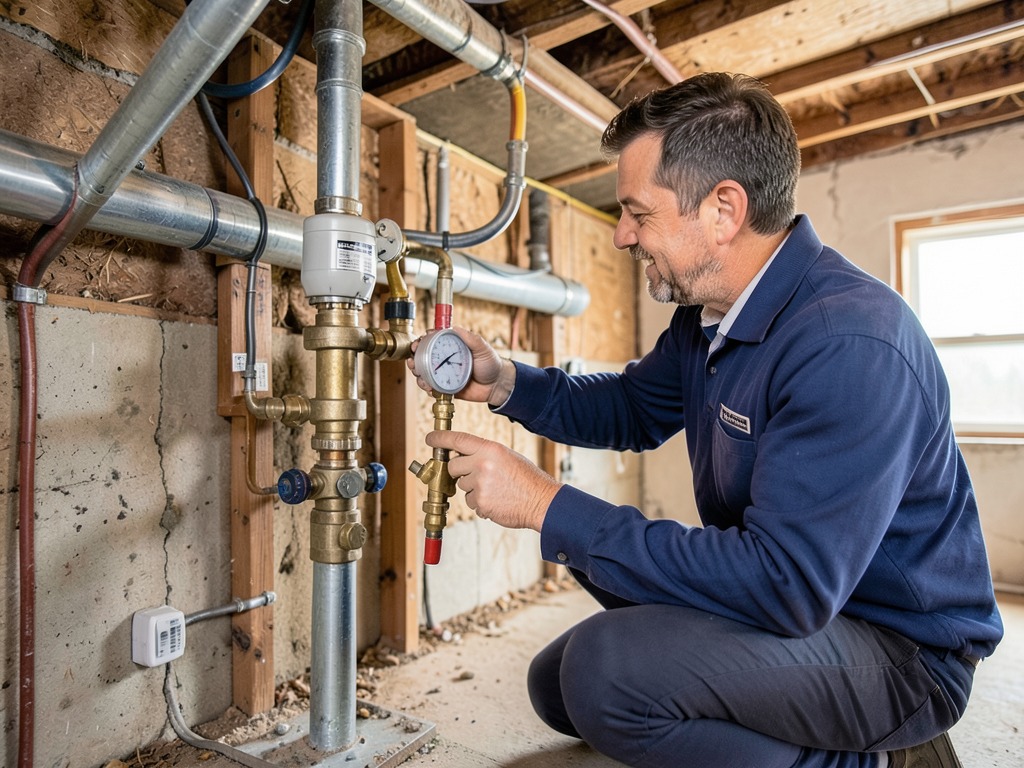
Most Austin homes have their main shut off valve in one of three locations. You will find it at the water meter near the street, at the foundation where the supply line enters your home, or inside near the water heater. Homes built before 1980 often have gate valves that turn clockwise multiple rotations to close. Newer construction uses quarter-turn ball valves that shut off water to the whole house with a 90-degree rotation.

The challenge is that many homeowners have never located or tested their main water shut off valve. Corroded stems and mineral buildup from Austin's hard water can make the valve nearly impossible to turn during an emergency. When you are standing in rising water at 2 AM, that is not the time to discover your shut off valve is seized.

Knowing how to turn off your house water main prevents catastrophic damage. A burst supply line can release 10 to 15 gallons per minute. In 30 minutes, that is 450 gallons flooding your home. Turning off the house water main immediately stops the flow and limits destruction.

Why Every Austin Homeowner Needs to Know Their Main Water Shut Off Location
The Three Types of Main Water Valves in Austin Homes

The Three Types of Main Water Valves in Austin Homes

Understanding your specific valve type determines how you close the main water shut off valve during an emergency.

Gate valves are the oldest design. You will recognize them by the round handle that turns multiple times. These valves have an internal gate that lowers into the water flow path. Turn the handle clockwise until it stops. Gate valves fail because the gate washer deteriorates or the stem threads corrode. If your gate valve feels stiff or gritty when turning, the stem packing needs replacement before it seizes completely.

Ball valves are the modern standard. The handle aligns with the pipe when open and sits perpendicular when closed. A quarter turn shuts off the water supply to your home. Ball valves are more reliable because they have fewer internal components and resist mineral buildup better than gate valves. The ball inside creates a complete seal with minimal wear.

Meter valves sit at your water meter box near the street. Austin Water maintains the meter and the valve on their side of the meter. The valve on your side is your responsibility. These are usually ball valves or gate valves. You will need a meter key or wrench to access the valve if your meter box is below ground level.

Interior shut off valves typically appear where your main supply line enters the home. Check your garage, utility room, or the exterior wall behind your water heater. Some Austin homes have the valve inside a wall-mounted cabinet or recessed box.

The valve material matters for longevity. Brass valves resist corrosion from Austin's mineral-heavy water. Galvanized steel valves deteriorate faster. Plastic valves in older homes become brittle and crack. All Pro Plumbing Austin replaces failing shut off valves with brass ball valves rated for 150 PSI, which exceeds the typical 60 to 80 PSI residential water pressure in the Austin metro area.

Your Emergency Shut Off Response Plan

How to Shut Off Main Water Valve in Austin – Step-by-Step Guide for Homeowners
01

Locate Your Valve Now

Find your main shut off valve today, before an emergency happens. Start at your water meter near the street, then trace the supply line to where it enters your foundation. Check both exterior and interior locations. Clear any storage or landscaping blocking access. Take a photo and show every household member. Test the valve quarterly by turning it off and back on to prevent the stem from seizing due to mineral deposits.
02

Turn Off Water Flow

For gate valves, turn the handle clockwise until it stops. Do not force it past the stopping point or you will damage the stem threads. For ball valves, rotate the lever 90 degrees until it sits perpendicular to the pipe. The handle should move smoothly with moderate hand pressure. If the valve resists, apply penetrating oil and wait 15 minutes before trying again. Never use excessive force on a corroded valve.
03

Verify Complete Shutoff

Open a faucet at the lowest point in your home to confirm water flow has stopped. You will hear air entering the pipes as residual water drains. If water continues flowing after closing the main water shut off valve, the valve seat is damaged and needs immediate replacement. Leave the faucet open to relieve pressure while you wait for repair. This prevents vacuum lock and protects your plumbing system from pressure spikes when you restore service.

Why Austin's Water Infrastructure Creates Shut Off Valve Failures

Austin's water supply contains dissolved minerals that attack your plumbing components. The Edwards Aquifer and Colorado River water sources deliver calcium carbonate, magnesium, and other minerals that precipitate inside your pipes. This hard water buildup affects shut off valves more severely than regular plumbing because the valve sits unused for months or years.

Mineral deposits cement the valve components together. The stem threads fill with calcium scale. The packing gland hardens. The valve seat accumulates sediment. When you finally need to turn off the water supply to your home, the valve will not move.

Temperature fluctuations compound the problem. Austin's summer heat causes thermal expansion in metal valve bodies. Winter freezes, though rare, create contraction. This cycling breaks down the packing material and loosens threaded connections. Homes built on pier and beam foundations experience more movement than slab foundations, which stresses the valve body where it connects to the supply line.

All Pro Plumbing Austin services shut off valves in every Austin neighborhood. We see the patterns. Homes in areas with older infrastructure like Bouldin Creek and Clarksville have more gate valve failures. Newer developments in areas like Mueller and East Austin have ball valves that typically last longer but still require periodic testing.

Code compliance matters for replacement valves. The City of Austin requires shut off valves to meet specific standards for pressure rating and backflow prevention. A licensed plumber ensures your replacement valve satisfies local building codes and passes inspection.

We recommend shut off valve replacement if your valve is more than 20 years old, shows visible corrosion, leaks at the packing gland, or requires excessive force to operate. Preventive replacement costs less than emergency repairs after a valve fails during a plumbing crisis.

What You Need to Know About Main Water Shut Off Valves

Valve Testing Schedule

Test your main shut off valve every three months. Turn it completely off, then back on. This breaks up mineral deposits before they cement the moving parts. The process takes two minutes and prevents valve seizure. If you feel resistance or hear grinding, schedule a valve inspection. Waiting until an emergency reveals a seized valve puts your home at risk. Spring and fall are ideal testing times because seasonal water use changes and temperature swings stress the valve components. Mark your calendar or set a phone reminder.

When to Replace Your Valve

Replace any gate valve that drips after closing or requires more than firm hand pressure to turn. Ball valves should operate smoothly with minimal effort. Corrosion on the valve body indicates internal deterioration. Green patina on brass valves is surface oxidation and not a concern, but white calcium buildup or rust on steel valves means replacement is needed. If your home still has the original shut off valve and it is more than 15 years old, upgrade to a modern ball valve. The investment protects your home from water damage that costs thousands to repair.

Emergency Preparedness Tools

Keep a meter key near your front door if your main shut off is at the street meter. These tools cost less than $15 and fit the pentagon-shaped valve stems in most Austin Water meter boxes. Store a flashlight with the meter key because emergencies happen at night. If your interior valve is in a cramped space, keep a small adjustable wrench accessible. For homes with recessed valve boxes, verify the access panel opens easily. Remove any paint or caulk sealing the panel closed. Label the valve location with a permanent marker or tag so visitors can find it quickly.

Professional Valve Services

All Pro Plumbing Austin replaces main shut off valves with minimal disruption. We coordinate with Austin Water for meter valve work and handle all permit requirements for interior valve installations. Our plumbers use brass ball valves with full-port openings that match your supply line diameter for maximum flow capacity. The installation includes new supply line connections with braided stainless steel flex lines that resist the foundation movement common in Austin's clay soil. We pressure test the new valve and verify proper closure before completing the job. You receive a clear explanation of valve operation and maintenance requirements.

Frequently Asked Questions

You Have Questions,
We Have Answers

How do I turn off the main water valve in my house? +

Locate your main water valve, usually near the water heater, in a basement, crawl space, or garage. In Austin homes, you often find it on an exterior wall facing the street. Turn the valve clockwise if it's a wheel-style handle. For a lever-style valve, rotate it 90 degrees until it sits perpendicular to the pipe. You should feel resistance. Test a faucet inside to confirm water flow has stopped. If the valve is stiff or corroded, do not force it. Call a licensed plumber to avoid breaking the valve and causing a bigger problem.

Where is my main water shut off valve? +

Your main water shut-off valve is typically located where the city water line enters your home. In Austin, check near your water heater, garage, or along an exterior wall closest to the street. Many older Austin homes have the valve in a crawl space or utility closet. Some properties have a secondary shut-off valve in a ground-level box near the curb, owned by Austin Water. Start inside first. Look for a pipe coming through the foundation wall. If you cannot locate it, contact a local plumber for help before an emergency strikes.

Is it safe to turn off the main water valve? +

Yes, turning off the main water valve is safe and sometimes necessary during plumbing emergencies, repairs, or if you are leaving town for an extended period. In Austin, shutting off water during freeze warnings protects your pipes from bursting. The valve is designed for this purpose. Turn it slowly to avoid water hammer, which can stress your pipes. If the valve has not been used in years, it may be stiff. Do not force it. A stuck valve can break and flood your home. Call a plumber to inspect and lubricate it if needed.

Why is water still running when the main valve is turned off? +

Water may continue running briefly after you shut off the main valve because residual water remains in your home's pipes. This water drains out through open faucets or fixtures. In Austin homes with slab foundations, this can take a few minutes. If water continues flowing beyond five minutes, the valve may not be fully closed, or you turned off the wrong valve. Another possibility is a faulty valve that no longer seals completely. Check the valve position. If water persists, you need a plumber to inspect the valve or replace it to prevent future leaks.

Can you shut off your own water main? +

Yes, you can shut off your own water main if it is located inside your property or home. Most Austin homeowners handle this during plumbing repairs or emergencies. The valve inside your home is your responsibility to operate. If the shut-off is in the city meter box near the curb, Austin Water technically owns it, but you can turn it off in an emergency. Use a meter key or wrench. Do not remove the meter itself. If you are unsure which valve to turn or cannot access it, call a licensed plumber immediately to avoid costly mistakes.

What does a water shut-off valve look like? +

A water shut-off valve typically looks like a round wheel handle (gate valve) or a straight lever (ball valve). The wheel valve requires multiple clockwise turns to close. A lever valve needs a 90-degree turn to shut off flow. In Austin homes, you will see the valve attached to a thick pipe near where the water line enters your foundation. The valve body is usually brass, bronze, or plastic. Older valves may have rust or mineral buildup. If you cannot identify it, trace the main water line from your meter to your home.

Do all homes have a main water shut-off valve? +

Yes, all homes in Austin have a main water shut-off valve. Building codes require it. Older homes may have valves that are corroded, hidden, or located in unusual spots like crawl spaces or exterior walls. Some Austin properties have two shut-off points: one inside the home and one at the city meter near the curb. If you cannot locate your valve, check your home inspection report or contact a plumber. Knowing where your valve is before an emergency happens saves you time, money, and potential water damage during a burst pipe or leak.

Where can I find the main water shutoff valve? +

The main water shutoff valve is where the city water line enters your home. In Austin, start by checking near your water heater, garage, or along the interior wall closest to the street. Some homes have it in a utility closet, crawl space, or basement if applicable. You can also find a secondary valve in a ground-level meter box near the curb. Follow the main water pipe from the meter toward your house. If you still cannot locate it, a plumber can help you map your plumbing system and label the valve for future reference.

How can I find where to turn my water off? +

Start inside your home by tracing the main water line from your water heater or where the pipe enters through the foundation. In Austin, the valve is often on an exterior-facing wall or near the garage. Check utility closets and crawl spaces. If you cannot find it indoors, go outside and locate your water meter box near the curb. The meter may have a shut-off valve you can turn with a meter key. Take photos and label the location once you find it. If you are still stuck, call a plumber to identify and tag it.

How long does it take for water to stop after turning off the main valve? +

Water should stop flowing within 30 seconds to two minutes after you close the main valve. Residual water in your pipes will drain through open faucets or fixtures. In Austin homes with larger plumbing systems or multi-story layouts, this can take up to five minutes. If water continues running beyond that, the valve may not be fully closed, or it is faulty. Check the valve position. If water persists, you likely have a broken or corroded valve that no longer seals. Call a licensed plumber to replace the valve before it fails completely during an emergency.

How Austin's Shifting Clay Soil Damages Main Water Lines and Shut Off Valves

Austin sits on expansive clay soil that moves with moisture content. The clay swells up to 10 percent when saturated and shrinks during drought periods. Your foundation moves with this soil, but your underground water line connects to a fixed city main in the street. This differential movement stresses the supply line and creates leaks at the shut off valve connection. Homes in neighborhoods with mature trees face additional stress because root systems extract soil moisture unevenly. Turning off the house water main becomes critical when these movement-related leaks occur. The valve must operate reliably despite years of ground shifting that loosens threaded connections and misaligns the valve body with the supply pipe.

All Pro Plumbing Austin understands the specific challenges Austin homeowners face. We install shut off valves with flexible connections that accommodate foundation movement without leaking. Our plumbers know which neighborhoods have the most severe soil issues and engineer solutions accordingly. When you call us for valve service, we inspect the entire main water supply connection from meter to house, checking for stress indicators that predict future failures. This local expertise prevents repeat service calls and protects your home from water damage caused by inadequate valve installations that ignore Austin's unique soil conditions.
Plumbing Services in The Austin Area

While we proudly serve the entire Austin area, you can easily locate our central operations or explore our service coverage on the map below. We are committed to reaching you promptly, wherever you are within our service region, ensuring timely and efficient plumbing solutions for both residential and commercial clients. Feel free to zoom in and out to visualize our extensive service areas and discover how close professional plumbing assistance truly is.

Address:
All Pro Plumbing Austin, 3800 North Lamar Boulevard Lamar Central, Austin, TX, 78756

Additional Services We Offer

Our news updates

Latest Articles & News from The Blogs

Planning the Plumbing for a New Master Suite Addition in Govalle Adding a master suite to your Govalle home requires…

Planning the Plumbing for a New Master Suite Addition in Govalle

Planning the Plumbing for a New Master Suite Addition in Govalle Adding a master suite to your Govalle home requires…

How to Stop That Loud Thumping Noise in Your St Edwards Home (Water Hammer Explained)

How to Stop That Loud Thumping Noise in Your St Edwards Home (Water Hammer Explained) Does your plumbing sound like…

Why Your Copperfield Yard Smells Like Sewage and What to Do About It

Why Your Copperfield Yard Smells Like Sewage and What to Do About It Your Copperfield yard should smell like fresh…

Contact Us

Do not wait for a plumbing emergency to discover your shut off valve does not work. Call All Pro Plumbing Austin at (737) 316-0588 right now. We will test your valve, clear any obstructions, and replace it if needed. Same-day service available throughout the Austin metro area.