
Fixing Common Plumbing Problems in Older Zilker Area Pier and Beam Homes
Older Zilker homes built between the 1920s and 1950s often feature pier and beam foundations that create unique plumbing challenges. The combination of Austin’s expansive Blackland Prairie clay soil and aging cast iron drain lines beneath these elevated homes leads to frequent leaks, foundation stress, and costly repairs. Understanding these specific issues helps Zilker homeowners protect their investment and maintain reliable plumbing systems. Professional Drain Cleaning Services to Clear Stubborn Clogs in South Congress Apartments.
Pier and beam construction elevates the home approximately 18 to 24 inches above ground level, creating a crawl space where plumbing runs through the subfloor area. This design, while beneficial for ventilation and access, exposes pipes to temperature fluctuations, moisture accumulation, and soil movement that directly impacts plumbing performance. Plumbing San Marcos.
Understanding the Unique Challenges of Austin Crawl Spaces
Central Texas soil composition creates the primary challenge for pier and beam plumbing in Zilker. The region’s clay soil expands when wet and contracts during drought conditions, causing foundation piers to shift slightly throughout the year. These micro-movements stress plumbing connections, particularly at joints and transition points where different pipe materials meet. Texas Commission on Environmental Quality.
Temperature variations in Austin’s climate compound these issues. Winter freezes can cause exposed pipes in crawl spaces to contract and potentially burst, while summer heat accelerates corrosion in older metal pipes. The combination creates a perfect storm for plumbing failures in older Zilker homes.. Read more about How to Get Paid by the City of Austin for Upgrading Your Old Toilets and Fixtures.
Moisture management presents another critical factor. Crawl spaces in older homes often lack proper vapor barriers, allowing ground moisture to accumulate around pipes and wooden structural elements. This creates conditions for mold growth, wood rot, and accelerated pipe deterioration.
The City of Austin Development Services Department requires specific clearance standards for crawl spaces, typically mandating at least 18 inches of vertical clearance for proper access and ventilation. Many older Zilker homes barely meet these requirements, making repairs more challenging and time-consuming.
Common Signs of Pier and Beam Plumbing Leaks
Identifying plumbing problems in pier and beam homes requires understanding the unique warning signs these structures display. Unlike slab homes where leaks remain hidden until significant damage occurs, pier and beam structures often provide earlier indicators of plumbing issues.
Musty odors emanating from crawl spaces or beneath floors often indicate moisture accumulation from slow leaks. These smells intensify during humid weather when moisture cannot evaporate effectively from enclosed spaces.
Sagging or bouncy floors suggest compromised floor joists or subfloor damage from prolonged moisture exposure. Water from plumbing leaks weakens wooden structural elements, creating unsafe walking surfaces and potential collapse hazards. Water Heater Maintenance Tips.
Damp crawl spaces become breeding grounds for pests and create unhealthy living conditions. Rodents and insects are attracted to moisture, while mold spores can enter living spaces through floor gaps and ventilation systems.
Sudden increases in water bills without corresponding usage changes indicate hidden leaks. In pier and beam homes, these leaks often occur in supply lines running through crawl spaces or beneath bathroom and kitchen areas.
Foundation settling or uneven floors may signal plumbing leaks that have washed away supporting soil beneath piers. This creates unstable foundation conditions that worsen over time if not addressed.
Our Specialized Repair Process
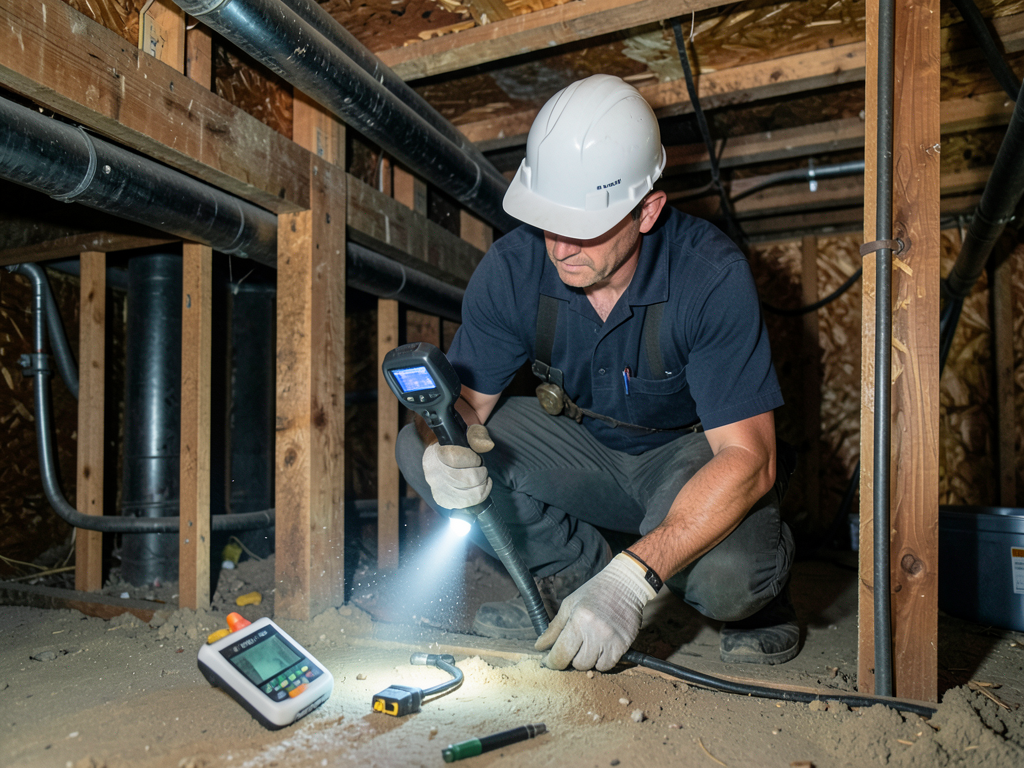
Repairing plumbing in pier and beam homes requires a systematic approach that addresses both immediate problems and underlying causes. Our process begins with comprehensive inspection using specialized equipment designed for crawl space access.
Static pressure testing identifies leaks by isolating different sections of the plumbing system and monitoring pressure drops. This diagnostic tool pinpoints exact locations of leaks without destructive testing, saving time and minimizing repair costs.
Video camera inspection allows visual examination of drain lines to identify corrosion, root intrusion, or pipe separations. This technology reveals problems that might not be apparent through pressure testing alone.
Tunneling becomes necessary when crawl space access is limited or when repairs require working beneath concrete footings. Our team uses proper shoring techniques to ensure worker safety while maintaining structural integrity during excavation.
Pipe suspension and bracing systems prevent future movement-related failures. We install proper hangers and supports that accommodate soil movement while maintaining pipe alignment and preventing stress at connection points.. Read more about Preventing Clogged Drains from Pet Hair and Muddy Paws in Dog Friendly Mueller.
Moisture barrier installation creates a protective layer between ground moisture and plumbing systems. This prevents corrosion and extends the life of both pipes and wooden structural elements.
Final testing verifies all repairs meet City of Austin plumbing code requirements. We conduct flow tests and inspect all connections to ensure long-term reliability.
Cast Iron vs. PVC: Modernizing Your Older Austin Home
Many Zilker homes still contain original cast iron drain lines that have reached the end of their useful life. Understanding the differences between these materials helps homeowners make informed decisions about replacement timing and methods.
Cast iron pipes installed in the 1940s through 1960s typically last 50 to 70 years in Central Texas conditions. However, factors like soil pH, moisture exposure, and water chemistry can significantly reduce this lifespan. Dealing with Central Texas Hard Water – The Best Water Softener Systems for Steiner Ranch Homes.
Bottom rot represents a common failure mode in cast iron pipes. Moisture accumulation beneath pipes creates an environment where the bottom surface corrodes faster than the top, eventually causing complete pipe failure.
Schedule 40 PVC offers superior corrosion resistance and smoother interior surfaces that prevent buildup. Modern PVC installations include proper slope calculations to ensure adequate drainage and prevent standing water in pipes.
PEX piping provides excellent flexibility for retrofitting older homes. Its ability to bend around obstacles reduces the need for multiple fittings, which are common failure points in plumbing systems.
Transition fittings must be selected carefully when connecting new PVC or PEX to existing cast iron. Using incompatible materials or improper installation techniques can create immediate failure points.
Full drain line replacement often proves more cost-effective than piecemeal repairs for homes with extensive cast iron systems. Modern materials provide decades of reliable service when properly installed.
Cost Factors for Crawl Space Plumbing Repairs
Several factors influence the cost of pier and beam plumbing repairs in Zilker homes. Understanding these variables helps homeowners budget appropriately and avoid unexpected expenses.
Accessibility represents the primary cost driver. Crawl spaces with limited clearance require specialized equipment and techniques, increasing labor time and overall project costs.
Material selection impacts both initial costs and long-term value. While PVC and PEX may cost more upfront than temporary repairs, their longevity often provides better return on investment.
Permit requirements from the City of Austin Development Services Department add administrative costs but ensure work meets current building standards. Typical plumbing permits cost between $50 and $200 depending on project scope.
Foundation stabilization may be necessary if plumbing leaks have compromised pier integrity. This additional work protects the investment in new plumbing by ensuring stable support structures.
Emergency repairs during nights or weekends typically incur premium charges. Planning maintenance during regular business hours can reduce costs significantly. Finding an Emergency Plumber in Austin Who Actually Answers the Phone at 3 AM.
Insurance coverage varies by policy and damage type. Some policies cover sudden pipe failures but exclude damage from long-term corrosion or settling.
Preventing Future Plumbing Problems in Your Zilker Home
Proactive maintenance helps extend the life of plumbing systems in pier and beam homes. Regular inspections can identify potential problems before they become emergencies.. Read more about How to Stop a Laundry Room Flood Before It Starts in Your Scofield Ridge Home.
Annual crawl space inspections allow early detection of moisture problems, pest activity, and pipe deterioration. Professional inspections typically cost $150 to $300 and can prevent thousands in emergency repairs.
Proper drainage around the home’s perimeter prevents excessive moisture accumulation beneath the structure. Gutters, downspouts, and proper grading direct water away from foundation areas.
Temperature monitoring during freeze events helps prevent pipe bursts. Installing heat tape on vulnerable pipes or allowing faucets to drip during extreme cold can prevent costly damage.
Moisture barrier replacement every 15 to 20 years ensures continued protection against ground moisture. Over time, barriers develop tears and lose effectiveness, requiring replacement.
Plumbing fixture upgrades to modern, water-efficient models reduce stress on aging drain systems. Lower water volumes mean less pressure on pipes and connections.
Foundation pier inspection and adjustment maintains proper support for plumbing systems. Shifting piers can create stress on pipes that leads to premature failure.
Why Choose Local Expertise for Your Pier and Beam Plumbing Needs
Pier and beam plumbing repair requires specialized knowledge that general plumbers may lack. Local experience with Austin’s specific soil conditions, building codes, and architectural styles ensures proper diagnosis and effective solutions.
Understanding local building patterns helps identify common failure points in specific neighborhoods. Zilker homes built in different decades often share similar plumbing configurations and vulnerability patterns.
Knowledge of Austin’s permitting process ensures projects proceed without delays or compliance issues. Local plumbers understand which repairs require permits and how to navigate the approval process efficiently.
Emergency response capabilities matter when plumbing failures occur. Local providers can respond quickly to minimize damage and restore service promptly.
Insurance coordination experience helps homeowners navigate coverage questions and documentation requirements. Local plumbers understand what information insurers need to process claims efficiently.
Long-term warranty support provides peace of mind for major repairs. Local providers can return quickly to address any issues that arise after completion.
Community reputation matters when selecting a plumbing contractor. Local providers depend on positive word-of-mouth and repeat business from satisfied customers.
Frequently Asked Questions
How do I know if my Zilker home has pier and beam construction?
Most homes built before 1960 in Zilker feature pier and beam foundations. Look for access panels in floors, visible foundation vents around the exterior, and slightly elevated floor heights compared to modern slab homes.
What’s the average cost to replace cast iron pipes in a pier and beam home?
Full drain line replacement typically costs $8,000 to $15,000 depending on home size and accessibility. This investment often proves more economical than repeated repairs on failing systems.
How long does a typical pier and beam plumbing repair take?
Most repairs require 1 to 3 days depending on complexity. Simple leak repairs might take a few hours, while complete system replacements require more extensive work.
Will my homeowners insurance cover pier and beam plumbing repairs?
Coverage varies by policy. Sudden pipe failures are often covered, but damage from corrosion or settling may be excluded. Check your specific policy or consult with your insurance agent.
How often should I have my crawl space inspected?
Annual inspections are recommended for homes over 30 years old. More frequent inspections may be necessary if you notice moisture problems or pest activity.
Call (737) 316-0588 Today to Schedule Your Inspection
Don’t wait for plumbing problems to become emergencies. Our experienced team understands the unique challenges of Zilker’s older pier and beam homes and provides lasting solutions that protect your investment. Call (737) 316-0588 today to schedule your comprehensive plumbing inspection and receive a detailed assessment of your home’s plumbing condition.
Pick up the phone and call (737) 316-0588 before the next storm hits. Our local experts are ready to help you maintain reliable plumbing in your historic Zilker home. For more information, visit American Society of Sanitary Engineering.
You may also find this helpful. Adding an Outdoor Shower for Rinsing Off After a Day at Barton Springs or Deep Eddy.
You may also find this helpful. How Austin’s Expansive Clay Soil Could Be Quietly Moving the Pipes Under Your Easton Park Home.
You may also find this helpful. Why Those Iconic Travis Heights Heritage Oaks Are a Constant Threat to Your Sewer Line.
You may also find this helpful. A Tenant’s Guide to Dealing with a Leaky Pipe and a Slow Landlord in North University.