
Why Your Old West Austin Shower Pan Is Leaking and What it Costs to Fix
If you own a home in Old West Austin built before 2000 you have probably noticed water stains on your ceiling below the bathroom or a musty smell near your shower. Those are classic signs your shower pan is failing. Shower pans in these older homes were often installed with PVC liners or hot-mopping methods that degrade over time especially when exposed to Austin’s hard water and shifting clay soil. This article explains why these leaks happen what they cost to repair and how to know when you need a full replacement versus a simple reseal. Water Heater Maintenance Tips.
Common Signs Your Shower Pan Is Leaking
Most homeowners first notice a shower pan leak when they see water damage in unexpected places. Watch for these warning signs:
- Water stains on the ceiling below the bathroom often brown or yellow in color
- Musty or moldy smell near the shower even after cleaning
- Loose or cracked floor tiles adjacent to the shower
- Peeling paint or bubbling drywall near the shower walls
- Soft spots on the bathroom floor when you step near the shower
These symptoms mean water has already penetrated beyond the tile and into the subfloor or wall framing. The longer you wait the more expensive the repair becomes.
How Plumbers Diagnose a Shower Pan Leak
Before tearing into your shower wall a licensed plumber will confirm the leak source. The most reliable test is the flood test. The technician dams the shower drain plugs it and fills the pan with water. They mark the water level and wait 24 to 48 hours. If the water drops without use the pan is leaking. They may also use a moisture meter to scan walls and floors for hidden dampness. This diagnostic step prevents unnecessary demolition if the problem is actually a drain pipe or grout failure. Professional Drain Cleaning Services to Clear Stubborn Clogs in South Congress Apartments.
Repair Options: Reseal vs. Full Replacement
If the leak is caught early and the liner is intact a plumber can often reseal the pan. This involves removing old caulk replacing the drain gasket and applying new waterproofing membrane at joints. Costs for a reseal range from $400 to $800 depending on tile type and access. However if the PVC liner has cracked or the mortar bed is saturated the only permanent fix is a full replacement. A full replacement means removing all tile demolishing the old liner installing a new PVC or CPE membrane rebuilding the mortar bed and re-tiling. This process typically costs between $2,500 and $4,500 in Austin for a standard tub-to-shower conversion sized pan. The wide range depends on tile selection accessibility and whether plumbing valves need updating. Plumbing San Marcos.
Why Old West Austin Homes Are Vulnerable
Old West Austin’s charm comes from its mid-century and historic homes many built between 1940 and 1980. These homes often have slab-on-grade foundations common in Central Texas. The blackland clay soil beneath them expands when wet and contracts when dry causing foundation movement. That shifting stresses rigid plumbing connections and can crack shower pan liners over time. Combine that with Austin’s hard water which leaves mineral deposits that degrade grout and caulk and you have a recipe for leaks. Homes near Pease Park or along Exposition Boulevard often experience more movement due to the area’s variable soil composition. Texas State Board of Plumbing Examiners.
Cost Breakdown for Shower Pan Replacement
Here is what you can expect to pay for a full shower pan replacement in Old West Austin:
| Item | Cost Range |
|---|---|
| Demolition and disposal | $300 – $500 |
| New PVC or CPE liner and weep holes | $400 – $600 |
| Mortar bed and pre-slope | $500 – $700 |
| Tile and grout (labor and materials) | $1,200 – $2,000 |
| Drain assembly and valve check | $200 – $400 |
| Miscellaneous and cleanup | $300 – $400 |
| Total | $2,900 – $4,600 |
Higher costs usually come from premium tile selection or extensive water damage repair behind walls.
Building Code Requirements in Austin
Shower pan replacement in Austin must comply with the 2021 International Plumbing Code as adopted by the City of Austin. Key requirements include a waterproof liner extending at least two inches up the curb and walls a pre-slope mortar bed beneath the liner and properly installed weep holes in the drain. A licensed plumber must pull a plumbing permit for the work. Skipping these steps can lead to failed inspections and future leaks. The City of Austin also requires that any work affecting the drain assembly meet Texas State Board of Plumbing Examiners standards. City of Austin Building Division.
Preventing Future Shower Pan Leaks
Once your new pan is installed take these steps to extend its life. First avoid harsh acidic cleaners that erode grout. Second use a squeegee after each shower to reduce standing water. Third inspect caulk lines every six months and replace them at the first sign of cracking. Finally consider installing a water softener if your home has hard water. Softened water reduces mineral buildup that can compromise seals over time. These habits can add five to ten years to your shower pan’s lifespan.
Why Choose a Local Austin Plumber
Shower pan work requires experience with local soil conditions and Austin’s building codes. A plumber familiar with Old West Austin understands the quirks of mid-century construction and can spot hidden issues like cast-iron drain pipes nearing the end of their life. They also know how to navigate historic district guidelines if your home is in the area. Choosing a local expert means faster response times and a repair built to last in Austin’s unique environment.
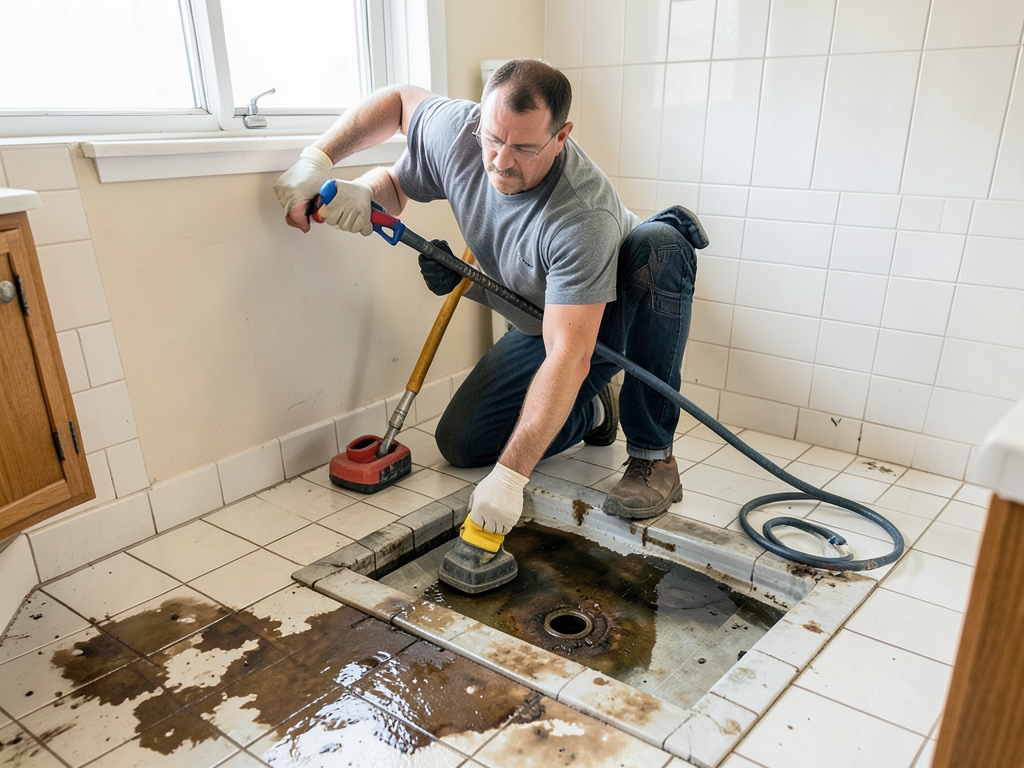
Don’t Let a Small Leak Become a Big Problem
A shower pan leak left unchecked can rot subfloors destroy drywall and even damage ceiling joists below. If you see any of the warning signs call a licensed Austin plumber for a flood test. Early detection can mean the difference between a $500 reseal and a $4,000 replacement. Protect your home and your wallet by acting fast.
Call (737) 316-0588 today to schedule your inspection.
Frequently Asked Questions
How long does a shower pan replacement take?
Most full replacements take two to three days. Day one is demolition and prep. Day two is liner and mortar installation. Day three is tiling and final plumbing checks. Grout and caulk need 24 hours to cure before use. Plumbing Pflugerville.
Can I tile over an existing shower pan?
No. Tiling over a failing pan hides the problem and allows water to continue damaging your home. The old pan must be removed and a new liner installed for a permanent fix.
Is a leaking shower pan covered by homeowners insurance?
Typically sudden damage from a sudden pipe burst is covered but slow leaks from aging pans are considered maintenance issues. Check your policy and document damage with photos if you plan to file a claim.
What is the difference between a shower pan and a shower base?
A shower pan is the waterproof liner beneath the tile. A shower base is the single-piece acrylic or fiberglass unit you see in many new homes. Both direct water to the drain but pans are used in tile showers and require more skill to install.
How can I tell if my shower was hot-mopped?
Homes built before the 1980s often used hot-mopping a process where hot asphalt is mopped onto a reinforced felt base. If your home is from that era and has never had a pan replacement it likely has a hot-mop liner which becomes brittle with age.
Should I replace the shower valve when replacing the pan?
If your valve is over 15 years old or shows signs of corrosion it is wise to replace it during the pan job. The plumber is already in the wall and swapping the valve now avoids a second demolition later.
You may also find this helpful. Fixing Common Plumbing Problems in Older Zilker Area Pier and Beam Homes.