Menu

Preventative Commercial Maintenance in Austin – Minimize Downtime and Protect Your Business Investment

All Pro Plumbing Austin delivers scheduled commercial plumbing upkeep that reduces emergency repairs, extends equipment life, and keeps your facility operating without interruption across the greater Austin metro.

Slider Image 1
Slider Image 2
Slider Image 3
Slider Image 4
Slider Image 5
Slider Image 7
Slider Image 8
Slider Image 9
Slider Image 10
Slider Image 11

Why Commercial Plumbing Failures Cost Austin Businesses More Than Repairs

Austin's hard water and mineral-heavy limestone aquifer accelerate buildup in commercial plumbing systems. Scale accumulation restricts flow in supply lines, damages pressure regulators, and reduces water heater efficiency. For restaurants, medical facilities, and multi-tenant properties, unplanned failures translate to lost revenue, health code violations, and tenant complaints.

Commercial properties in Travis County face unique challenges. Aging infrastructure in downtown buildings, combined with high water pressure from elevated service zones, stresses pipe joints and valve assemblies. Without routine commercial plumbing inspections, small leaks escalate into catastrophic failures that flood storage areas, damage inventory, and force partial shutdowns.

The cost of reactive maintenance exceeds scheduled upkeep by margins that impact your operating budget. A failed backflow preventer shuts down food service operations. A cracked water main floods a retail space. A malfunctioning pressure reducing valve damages fixtures across multiple floors. Commercial plumbing maintenance plans address these vulnerabilities before they become operational crises.

Austin's building codes require specific backflow testing intervals and compliance documentation. Preventive commercial plumbing services include code-mandated inspections, certification renewals, and system updates that protect you from liability. Properties without documented maintenance face penalties during inspections and increased insurance premiums after claims.

Commercial plumbing service agreements provide budget predictability. Fixed-cost maintenance eliminates surprise repair expenses and allows accurate financial forecasting. Scheduled commercial plumbing upkeep during off-hours protects business continuity and maintains tenant satisfaction.

Why Commercial Plumbing Failures Cost Austin Businesses More Than Repairs
The All Pro Plumbing Austin Commercial Maintenance Methodology

The All Pro Plumbing Austin Commercial Maintenance Methodology

All Pro Plumbing Austin builds preventive commercial plumbing services around operational requirements, not generic checklists. We assess your facility's specific demands, usage patterns, and risk factors to create commercial plumbing service agreements that address your actual vulnerabilities.

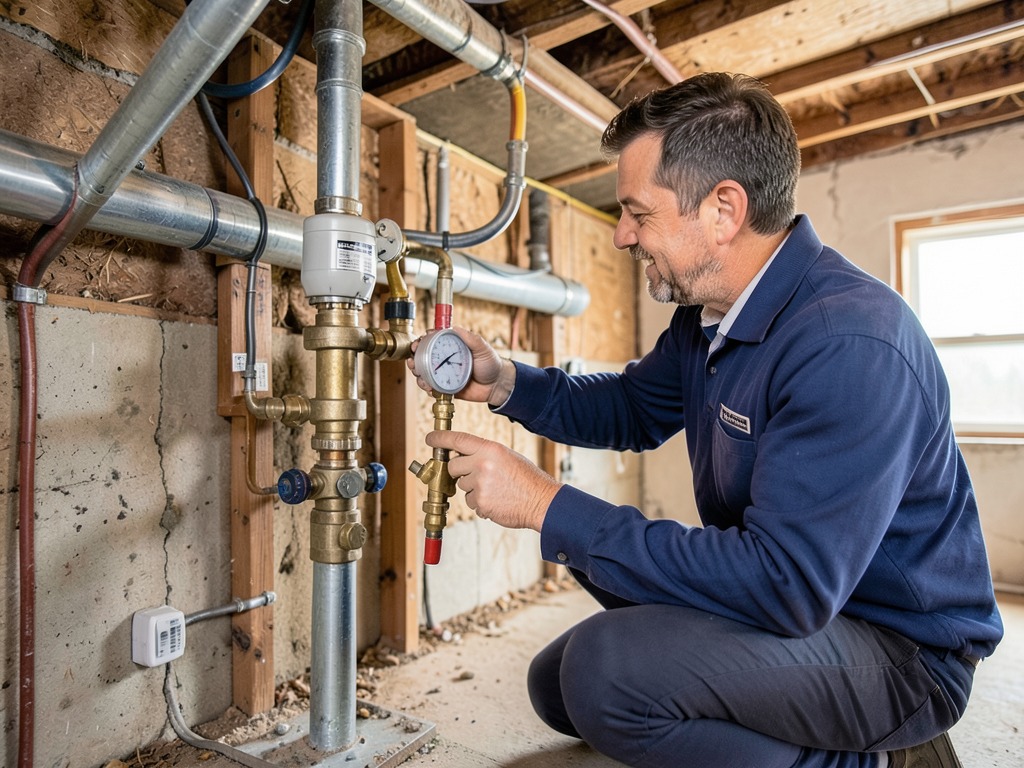
Our maintenance protocol begins with comprehensive system mapping. We document every shut-off valve, pressure reducer, backflow device, and access point. This creates an actionable reference for emergency responses and identifies components approaching end-of-service life. For multi-building campuses, we establish priority zones based on operational criticality.

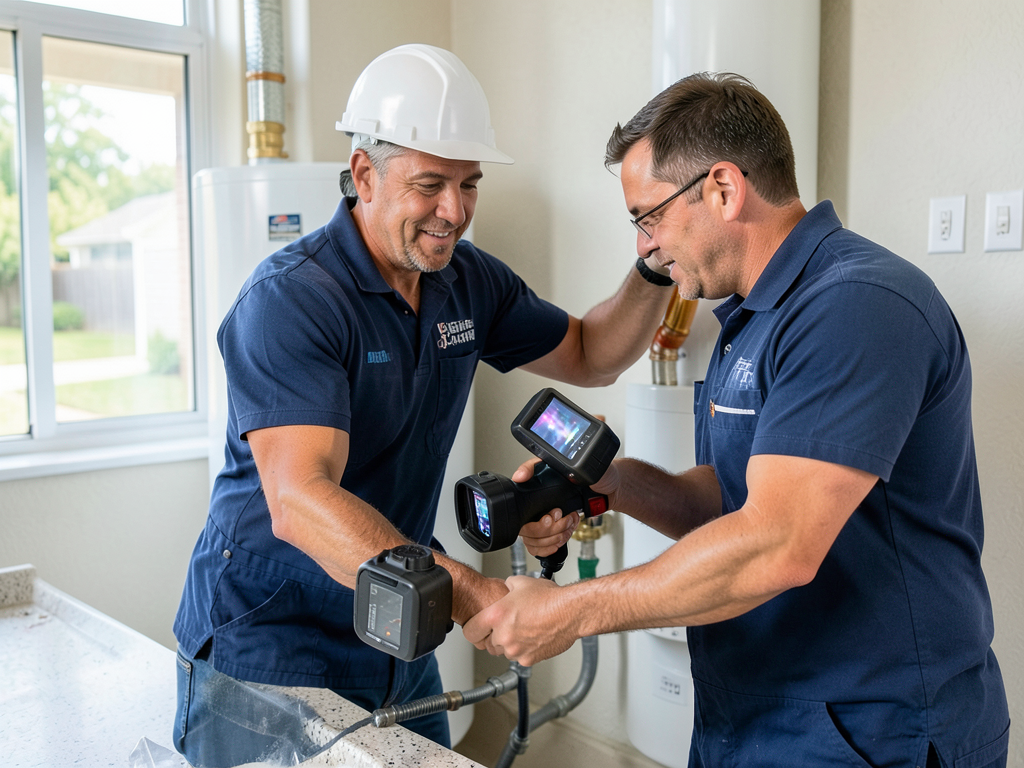
Routine commercial plumbing inspections follow manufacturer specifications and local code requirements. We test pressure reducing valves under load conditions, verify backflow preventer functionality, inspect exposed piping for corrosion, and evaluate water heater performance metrics. Thermal imaging detects hidden leaks behind walls before they cause structural damage.

Commercial plumbing maintenance plans include drain line maintenance using mechanical augers and hydro-jetting to remove grease, scale, and debris. For kitchens, we service grease traps and interceptors to prevent sanitary sewer overflows. In medical facilities, we verify tempered water systems maintain safe temperatures and test emergency fixtures.

We replace worn components during scheduled visits rather than waiting for failure. Valve cartridges, flapper assemblies, flush valves, and supply line connections have predictable service lives. Proactive replacement during planned maintenance costs less than emergency after-hours repairs and prevents water damage.

All maintenance visits include documentation photography, system performance data, and priority-ranked recommendations. You receive detailed reports that support capital planning, insurance requirements, and regulatory compliance. This transparency allows informed decisions about system upgrades and budget allocation.

How Commercial Maintenance Agreements Work

Preventative Commercial Maintenance in Austin – Minimize Downtime and Protect Your Business Investment
01

Initial System Assessment

We conduct a detailed facility walkthrough to identify all plumbing infrastructure, document current conditions, and assess operational risks. This includes reviewing maintenance history, evaluating equipment age, testing water quality, and identifying code compliance gaps. You receive a comprehensive report with prioritized recommendations and a customized maintenance schedule aligned with your operational calendar and budget parameters.
02

Scheduled Maintenance Visits

Our technicians perform systematic inspections, testing, and component servicing according to your commercial plumbing service agreement. Visits occur during designated low-activity periods to minimize disruption. Each service includes drain maintenance, valve testing, water heater inspection, backflow certification, fixture evaluation, and leak detection. We complete minor repairs on-site and schedule major work during planned downtime to protect business continuity.
03

Documentation and Planning

After each visit, you receive detailed service reports with condition assessments, performance data, photographic evidence, and compliance documentation. We track component lifecycles and alert you to approaching replacement needs with sufficient lead time for budgeting. Annual reviews evaluate system performance trends and adjust maintenance protocols based on usage patterns, helping you optimize capital expenditure timing and prevent emergency failures.

Why Austin Commercial Properties Trust All Pro Plumbing Austin

All Pro Plumbing Austin understands the operational demands of commercial facilities across Austin. We service restaurants along South Congress, medical buildings in the Domain, warehouses near Bergstrom, and multi-tenant properties throughout Travis County. This experience with diverse commercial applications informs our maintenance protocols.

Austin's commercial landscape includes everything from historic buildings downtown with galvanized piping to new construction in Mueller with modern PEX systems. We adapt maintenance approaches to building age, plumbing materials, and usage intensity. A high-volume restaurant requires different drain maintenance intervals than a professional office building.

Local code knowledge protects your compliance status. We maintain current certifications for backflow testing, understand Austin Water requirements for commercial meters, and track Travis County Health Department regulations for food service facilities. Our documentation meets insurance requirements and supports your records during inspections or tenant disputes.

Commercial clients need response capacity that matches their operational scale. We staff appropriately for multi-location clients, maintain parts inventory for common commercial components, and coordinate with property management systems. For facility managers overseeing multiple properties, we provide consolidated reporting and centralized scheduling.

Our commercial plumbing maintenance plans include priority emergency response. Agreement clients receive expedited dispatch when unexpected issues occur between scheduled visits. This dual approach—preventing most failures through maintenance while providing rapid response to unavoidable emergencies—minimizes total operational disruption.

We work within your operational constraints. Maintenance occurs during specified hours, our technicians follow facility protocols, and we coordinate with other trades when systems overlap. For occupied buildings, we communicate directly with tenants when access is required and complete work efficiently to minimize inconvenience.

What Your Commercial Maintenance Agreement Includes

Flexible Scheduling Options

Commercial plumbing maintenance plans accommodate your operational calendar. We schedule routine inspections during low-activity periods, coordinate with facility shutdowns, and work overnight or weekends when necessary. For 24-hour operations, we sequence work by zone to maintain partial functionality. Quarterly, semi-annual, or monthly visit frequencies depend on facility size, usage intensity, and system complexity. You control the timing. We provide advance scheduling with reminder notifications and adjust visit dates when your business needs change. Emergency response remains available between scheduled maintenance visits for agreement clients.

Comprehensive System Evaluation

Each maintenance visit includes systematic assessment of all accessible plumbing infrastructure. We test water pressure at multiple points, inspect exposed piping for corrosion or damage, evaluate fixture operation, verify proper drainage, check water heater performance, test pressure reducing valves, inspect backflow preventers, and use thermal imaging to detect hidden leaks. For commercial kitchens, we assess grease management systems. In medical facilities, we verify tempered water compliance. Findings are documented with condition ratings, photographs, and priority classifications. You understand exactly what needs attention and why it matters to your operations.

Proactive Component Replacement

Preventive commercial plumbing services include replacing components before failure. We track service life for valve cartridges, flapper assemblies, supply lines, shut-off valves, and other wear items. When components approach end-of-life, we recommend replacement during scheduled maintenance rather than waiting for emergency failure. This approach costs less than after-hours emergency repairs and prevents water damage. Minor repairs identified during inspections are completed on-site when possible. Major work is scheduled for planned downtime with detailed scopes and transparent estimates. You maintain budget control and operational predictability.

Compliance Documentation and Planning

Commercial plumbing service agreements include detailed documentation that supports regulatory compliance, insurance requirements, and capital planning. Every maintenance visit generates a service report with system condition assessments, test results, photographic evidence, and priority-ranked recommendations. We maintain certification records for backflow testing and provide compliance documentation for health department or building inspections. Annual performance reviews identify system trends, predict component replacement timing, and support multi-year capital budgeting. This transparency allows informed decisions about facility investments and helps you optimize maintenance spending while protecting asset value and operational reliability.

Frequently Asked Questions

You Have Questions,
We Have Answers

What are examples of preventative maintenance? +

Preventative maintenance for commercial properties includes routine HVAC filter changes, coil cleaning, refrigerant level checks, and thermostat calibration. You need regular inspections of belts, motors, and electrical connections. Plumbing tasks cover drain line flushing, water heater inspections, and backflow testing. Roofing work includes gutter cleaning, membrane inspections, and flashing checks. In Austin, where heat stress and sudden storms challenge building systems year-round, scheduled maintenance prevents costly downtime. Electrical panel inspections, lighting audits, and fire suppression system testing also fall under preventative work. These tasks keep your facility compliant and operational.

How much does preventive maintenance cost for commercial HVAC? +

Commercial HVAC preventive maintenance costs vary based on system size, building square footage, and equipment complexity. Austin businesses pay for quarterly or monthly service agreements that cover filter changes, coil cleaning, refrigerant checks, and emergency response priority. Larger rooftop units and multi-zone systems require more labor hours. Cost factors include equipment age, accessibility, and compliance requirements for restaurants or medical facilities. The investment reduces energy waste, extends equipment lifespan, and minimizes emergency repair bills. Budget for scheduled service agreements that align with your operational needs and equipment warranty requirements. Request detailed scope documents to compare vendor proposals.

What are the 7 elements of preventive maintenance? +

The seven elements of preventive maintenance include inspection, detection, correction, prevention, documentation, analysis, and scheduling. You inspect equipment for wear and damage. Detection identifies developing issues before failure. Correction addresses minor problems immediately. Prevention involves scheduled tasks that stop breakdowns. Documentation tracks all work for compliance and trend analysis. Analysis reviews data to refine maintenance intervals. Scheduling ensures tasks happen at optimal times to avoid operational disruption. For Austin commercial properties, this systematic approach reduces liability, maintains code compliance, and protects your investment in building systems that face extreme heat and humidity.

What is considered commercial maintenance? +

Commercial maintenance covers all scheduled and reactive work needed to keep business properties operational and compliant. This includes HVAC system servicing, plumbing repairs, electrical work, roofing inspections, and life safety system testing. In Austin, commercial maintenance addresses code compliance for restaurants, retail spaces, office buildings, and industrial facilities. You need routine tasks like filter changes and emergency response for equipment failures. Commercial work differs from residential because it involves larger systems, stricter codes, liability concerns, and business continuity requirements. Proper maintenance protects tenants, customers, employees, and your bottom line through reduced downtime and energy costs.

What are the 7 types of maintenance? +

The seven types of maintenance are preventive, predictive, corrective, condition-based, predetermined, reactive, and reliability-centered. Preventive follows scheduled intervals. Predictive uses data and sensors to forecast failures. Corrective fixes known defects before they worsen. Condition-based responds to real-time equipment monitoring. Predetermined maintenance follows manufacturer specifications. Reactive addresses unexpected breakdowns. Reliability-centered combines methods based on asset criticality and failure consequences. Austin commercial properties benefit most from blending preventive and predictive approaches because extreme temperatures accelerate wear on HVAC systems and roofing. Your maintenance strategy should match operational priorities and risk tolerance.

What qualifies as preventative maintenance? +

Preventative maintenance qualifies as any scheduled service task designed to prevent equipment failure before it happens. This includes filter changes, lubrication, calibration, cleaning, and inspections performed at regular intervals. The work must be planned, not reactive. For commercial properties in Austin, preventative tasks keep HVAC systems running during peak cooling season, prevent plumbing backups during heavy rain events, and extend roof life against UV damage. You document each task for warranty compliance and liability protection. Preventative work differs from repairs because you perform it before failure occurs, protecting business continuity and reducing total ownership costs.

What is the $5000 AC rule? +

The $5000 AC rule helps you decide between repair and replacement for commercial HVAC systems. Multiply the equipment age by the repair cost. If the result exceeds $5000, replacement makes better financial sense than repair. For example, a 15-year-old unit needing $400 in repairs equals $6000, suggesting replacement. In Austin, where HVAC systems run hard year-round, this rule helps you avoid throwing money at aging equipment. Factor in energy efficiency gains, refrigerant phase-outs, and potential rebates. This guideline prevents emotional decisions and focuses on return on investment for your commercial property.

What is the 3 minute rule for AC? +

The 3 minute rule for AC requires waiting three minutes between system shutdowns and restarts. This protects the compressor from short cycling, which causes mechanical damage and premature failure. When you shut down a system, refrigerant pressure needs time to equalize. Restarting too quickly forces the compressor to work against high pressure, straining components. For Austin commercial properties with multiple rooftop units, this rule matters during maintenance work and power outages. Train staff to avoid rapid cycling. Modern commercial systems often include built-in delay timers, but manual resets still require patience to protect your equipment investment.

What is the most expensive part in an HVAC unit? +

The compressor ranks as the most expensive part in commercial HVAC units. Replacement costs include the component itself, refrigerant, labor for brazing connections, and system testing. Compressor failure stems from refrigerant leaks, electrical issues, lack of lubrication, or contamination. In Austin, where units run continuously during summer months, compressors face extreme stress. Heat exchangers and controls also carry high replacement costs. Preventative maintenance protects compressors through regular refrigerant checks, electrical connection inspections, and proper airflow. When a compressor fails on older equipment, total replacement often makes better financial sense than repair.

What is the 10% rule of preventive maintenance? +

The 10% rule states that preventive maintenance costs should equal roughly 10% of your total maintenance budget. This ratio balances scheduled servicing against reactive repairs and capital improvements. If you spend less than 10% on preventive work, you face higher emergency repair costs and downtime. Spending more suggests over-maintenance or inefficient scheduling. For Austin commercial properties, where HVAC represents the largest maintenance expense, this rule guides budget allocation. Track your spending quarterly. Adjust preventive maintenance frequency based on equipment age, criticality, and failure history. The goal is minimizing total cost of ownership while maintaining reliability and compliance.

How Austin's Hard Water Accelerates Commercial Plumbing Deterioration

Austin's water supply originates from limestone aquifers with dissolved calcium and magnesium concentrations exceeding 200 parts per million. This hard water accelerates scale buildup in commercial water heaters, reduces pressure in supply lines, damages solenoid valves in automated fixtures, and clogs aerators in high-use faucets. Commercial facilities experience these effects faster than residential properties due to higher volume and continuous usage. Scheduled commercial plumbing upkeep includes descaling water heaters, flushing supply lines, and replacing restricted components before failures disrupt operations. Properties without routine commercial plumbing inspections face shortened equipment life and increased emergency repair frequency.

Travis County requires annual backflow preventer testing for commercial properties connected to municipal water systems. Austin Water enforces strict compliance and assesses penalties for expired certifications. Medical facilities, restaurants, and properties with irrigation systems face additional requirements. All Pro Plumbing Austin maintains current certifications and understands local testing protocols. Our commercial plumbing maintenance plans include compliance tracking, timely testing, and documentation that satisfies regulatory requirements. This local expertise protects you from penalties, maintains your water service, and demonstrates due diligence during inspections or insurance reviews.
Plumbing Services in The Austin Area

While we proudly serve the entire Austin area, you can easily locate our central operations or explore our service coverage on the map below. We are committed to reaching you promptly, wherever you are within our service region, ensuring timely and efficient plumbing solutions for both residential and commercial clients. Feel free to zoom in and out to visualize our extensive service areas and discover how close professional plumbing assistance truly is.

Address:
All Pro Plumbing Austin, 3800 North Lamar Boulevard Lamar Central, Austin, TX, 78756

Additional Services We Offer

Our news updates

Latest Articles & News from The Blogs

Planning the Plumbing for a New Master Suite Addition in Govalle Adding a master suite to your Govalle home requires…

Planning the Plumbing for a New Master Suite Addition in Govalle

Planning the Plumbing for a New Master Suite Addition in Govalle Adding a master suite to your Govalle home requires…

How to Stop That Loud Thumping Noise in Your St Edwards Home (Water Hammer Explained)

How to Stop That Loud Thumping Noise in Your St Edwards Home (Water Hammer Explained) Does your plumbing sound like…

Why Your Copperfield Yard Smells Like Sewage and What to Do About It

Why Your Copperfield Yard Smells Like Sewage and What to Do About It Your Copperfield yard should smell like fresh…

Contact Us

Stop paying for emergency repairs. Call All Pro Plumbing Austin at (737) 316-0588 to schedule a facility assessment and receive a customized commercial maintenance proposal. Protect your operations, reduce costs, and maintain compliance.