Menu

Signs You Need Sewer Repair in Austin – Expert Diagnosis Before the Damage Spreads

Recognizing warning signs of main sewer line issues early protects your property from costly water damage, foundation problems, and health hazards common to Austin's expansive clay soil conditions.

Slider Image 1
Slider Image 2
Slider Image 3
Slider Image 4
Slider Image 5
Slider Image 7
Slider Image 8
Slider Image 9
Slider Image 10
Slider Image 11

How Austin's Clay Soil and Climate Create Hidden Sewer Line Problems

Austin sits on expansive clay soil that shifts constantly between wet and dry seasons. This soil movement creates enormous pressure on underground sewer lines, causing cracks, separations, and catastrophic failures that many homeowners miss until raw sewage backs up into their homes.

The symptoms of a broken sewer line start subtly. You might notice slow drains throughout the house, not just in one fixture. Gurgling sounds from toilets when you run the washing machine signal air trapped in damaged pipes. Patches of exceptionally green grass in your yard often mark where sewage leaks fertilize the soil above a failing line.

Indicators of sewer line damage escalate quickly in our climate. Summer heat bakes the clay soil, pulling it away from pipes and creating voids. Then heavy rains saturate the ground, causing it to swell and crush weakened sections. Tree roots from Austin's abundant live oaks aggressively seek moisture, penetrating even small cracks and expanding them into major breaks.

How to tell if your sewer pipe is broken includes watching for foundation cracks, unexplained pest problems (rats follow sewer leaks), and foul odors near your foundation or in your yard. Sewer line failure symptoms also include multiple clogged drains, sewage backups from floor drains, and puddles forming in your yard during dry weather.

The longer you wait, the worse the damage becomes. A small crack becomes a collapsed section. A root intrusion becomes a complete blockage. What starts as a repair becomes a full replacement that costs three times more.

How Austin's Clay Soil and Climate Create Hidden Sewer Line Problems
Our Camera Inspection Process Finds Problems Other Companies Miss

Our Camera Inspection Process Finds Problems Other Companies Miss

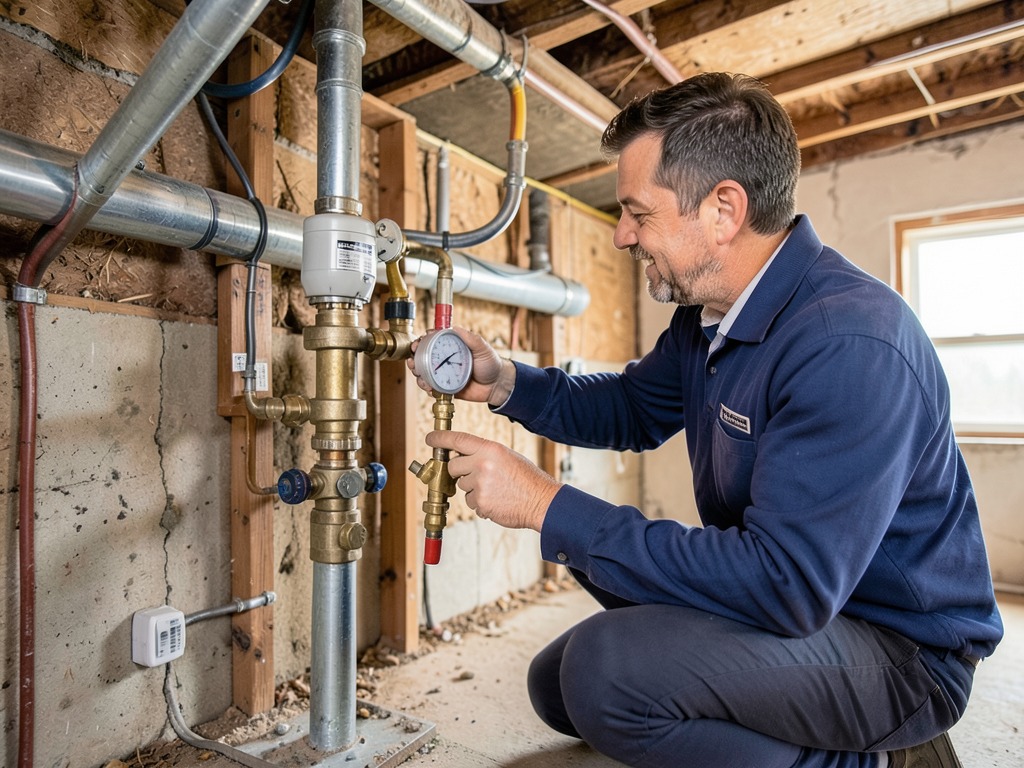
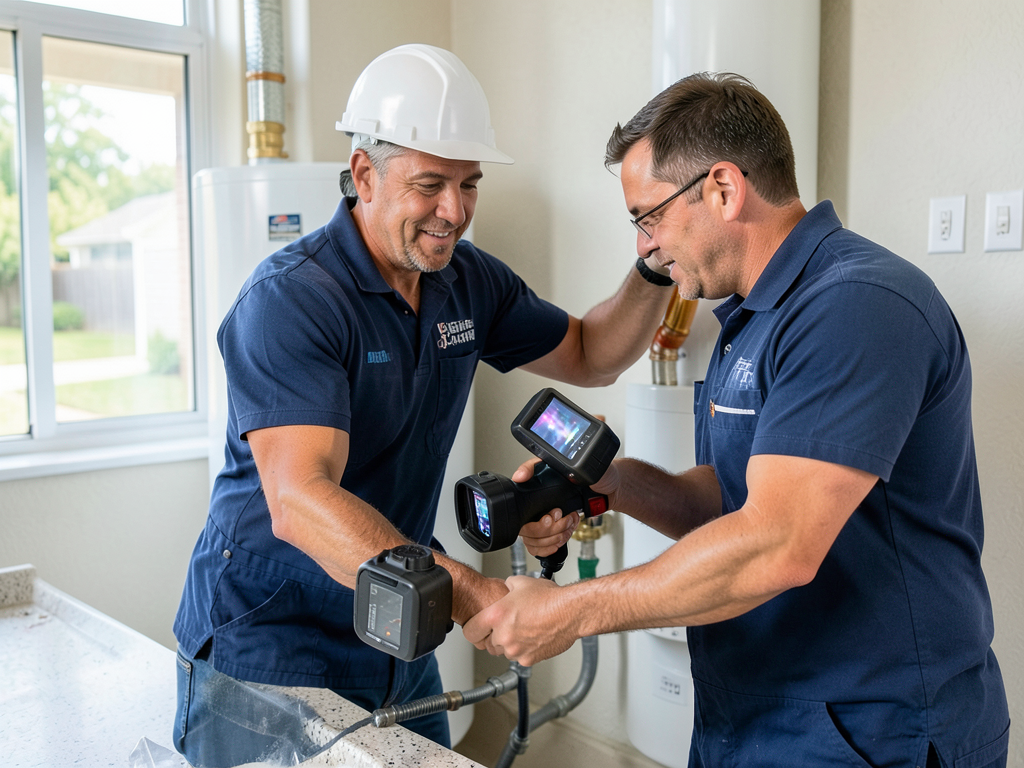
All Pro Plumbing Austin uses advanced video pipeline inspection to diagnose sewer line problems with surgical precision. We insert waterproof cameras through existing cleanouts, mapping your entire sewer system from your house to the main connection. This technology shows us exactly where the damage exists, how severe it is, and what repair method will work best.

Our technicians analyze the footage for specific failure patterns. Bellied sections where pipes have sunk create standing water and accumulate debris. Offset joints show where clay soil movement has pushed pipe sections out of alignment. Scale buildup indicates chronic drainage problems that weaken pipe walls over time.

We document every issue with timestamped video and written reports. You see exactly what we see. No guessing. No unnecessary digging. No surprise costs after we start work.

For older Austin homes with Orangeburg pipe or cast iron lines installed before 1980, we pay special attention to corrosion patterns and structural integrity. These materials fail predictably in our soil conditions, and we can often predict where the next failure will occur before it happens.

We also perform hydrostatic testing when camera inspection reveals potential leaks. This pressurized water test confirms whether your line holds pressure or loses water through cracks, giving us definitive proof of damage severity.

Our diagnostic approach saves you money by pinpointing problems instead of replacing entire systems unnecessarily. When we recommend repair or replacement, you'll understand exactly why that solution is necessary and what happens if you delay.

What Happens During Your Sewer Line Evaluation

Signs You Need Sewer Repair in Austin – Expert Diagnosis Before the Damage Spreads
01

Initial System Assessment

We start by mapping your property's sewer layout, locating cleanouts, and identifying the main line path to the street connection. Our technician asks about drainage history, previous repairs, and specific symptoms you've noticed. We test multiple fixtures simultaneously to observe how water moves through your system and identify backup patterns that indicate blockage locations or structural damage.
02

Video Camera Inspection

We feed a waterproof camera through your sewer line, recording the entire inspection. The camera reveals cracks, root intrusions, bellied sections, and corrosion while transmitting depth and location data. You watch the inspection in real time on our monitor. We pause at problem areas, explain what you're seeing, and save footage for your records. This documentation proves invaluable for insurance claims and future reference.
03

Repair Recommendation Report

We provide a detailed written report with video screenshots, damage locations measured from your foundation, and repair options ranked by cost and longevity. You'll understand whether spot repair, pipe lining, or full replacement makes the most sense for your situation. We explain how Austin's soil conditions affect each repair method's success rate and answer every question before you make a decision about moving forward.

Why Austin Homeowners Choose All Pro Plumbing for Sewer Repairs

Austin's unique soil conditions require specialized knowledge that out-of-town companies simply don't have. We've worked in every neighborhood from Hyde Park to Circle C, and we understand how the limestone shelves near West Lake Hills differ from the deep clay deposits in Pflugerville. This geographic expertise means we choose repair methods that actually last in your specific location.

We're familiar with Austin's plumbing code requirements and permit processes through the Development Services Department. We know which repairs require permits, how to navigate easement restrictions near Waller Creek or Shoal Creek, and how to coordinate with Austin Water when work affects the main connection. This saves you time and prevents code violations that create problems when you sell your property.

Our technicians train specifically on the pipe materials common to Austin homes. We've repaired thousands of cast iron lines installed during the 1960s building boom and Orangeburg pipes from post-war construction. We know how these materials fail and which repair techniques work reliably versus temporary fixes that fail within months.

We also understand the tree species that cause the most sewer line damage in Austin. Live oak roots behave differently than cedar elm or pecan roots. We factor this into our repair recommendations because a patch job won't last if aggressive roots will reinfest the line within a year.

When we recommend trenchless repair methods like pipe lining or pipe bursting, we've verified that your soil conditions support these techniques. Not every property qualifies for trenchless repair, despite what some companies claim. We'll tell you honestly whether traditional excavation provides a more reliable long-term solution for your situation.

What to Expect When You Call All Pro Plumbing Austin

Response Time and Availability

We schedule camera inspections within 24 to 48 hours for non-emergency situations. If you're experiencing active sewage backups, we dispatch a technician immediately to assess the situation and stop the damage. Most inspections take 60 to 90 minutes depending on your system's complexity and the number of access points we need to check. We arrive in clearly marked trucks with all diagnostic equipment onboard, so there's no delay waiting for tools or cameras to arrive from another location.

Inspection and Diagnosis Process

Our technician explains each step before starting work. We protect your floors with mats and tarps before accessing cleanouts inside your home. During the camera inspection, you watch the monitor and ask questions as we navigate your sewer line. We point out normal wear versus actual damage, so you understand what requires immediate attention versus what you can monitor. After inspection, we provide repair quotes on the spot for straightforward issues or schedule a follow-up consultation for complex situations requiring multiple repair options.

Repair Quality and Methods

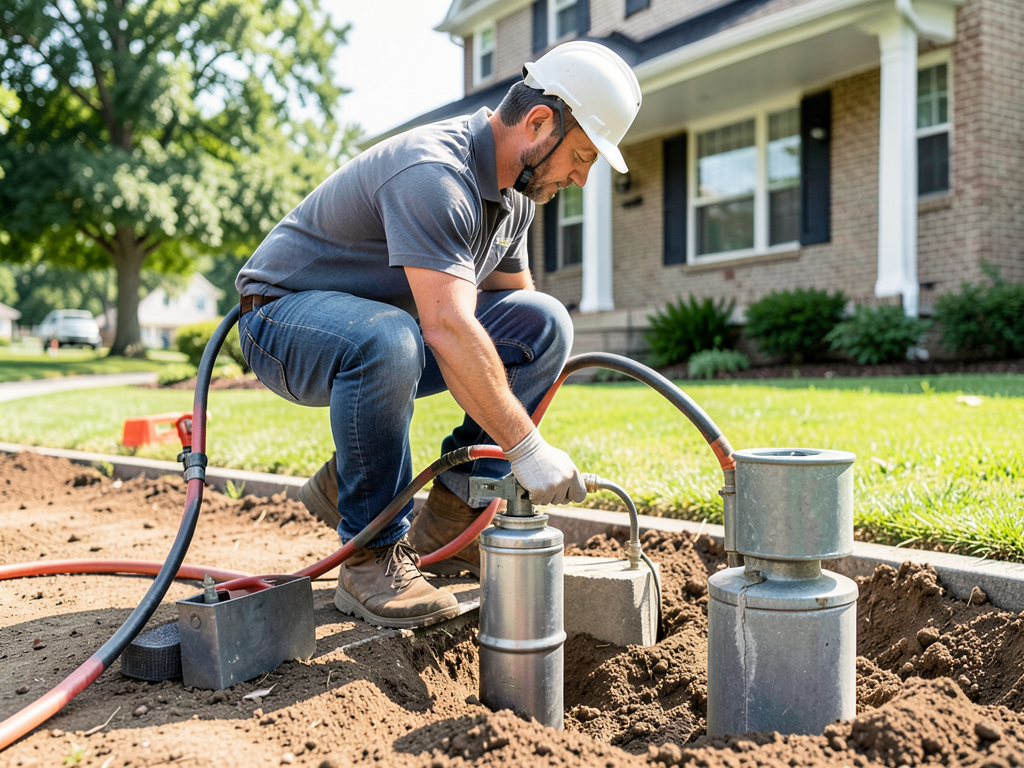
We use Schedule 40 PVC for replacement sections because it withstands Austin's soil movement better than thinner materials. For trenchless repairs, we use epoxy pipe lining rated for 50-year service life, not cheaper resins that fail prematurely. When excavation is necessary, we dig to proper depth, bed pipes in select fill material rather than native clay, and compact backfill in lifts to prevent settling. Your repair will pass inspection the first time, and your yard won't develop sinkholes six months later from improperly compacted soil.

Warranties and Ongoing Support

All repairs include written warranties covering both labor and materials. We keep your inspection video and repair documentation on file, so future service calls can reference your system's history. If you experience drainage problems after repair, we return to verify the work at no additional diagnostic charge. We also offer maintenance plans that include periodic camera inspections to catch new problems before they become emergencies, which is particularly valuable for older homes with aging sewer systems throughout the line.

Frequently Asked Questions

You Have Questions,
We Have Answers

What are four signs that your sewer line is broken? +

Four clear signs your sewer line is broken include multiple drain backups happening at once, sewage odors coming from drains or your yard, soggy patches or unusually green grass in your lawn, and gurgling sounds from toilets or drains. In Austin, tree roots from live oaks and pecans often infiltrate aging clay pipes, causing breaks. You may also notice foundation cracks or pest infestations near the sewer line. If you see any combination of these symptoms, stop using water immediately and call a licensed plumber to run a camera inspection before the damage worsens.

How do you know if you have a sewer problem? +

You have a sewer problem if drains throughout your home back up simultaneously, toilets bubble when you run sinks, or sewage water pools in your shower or basement. Persistent foul smells near floor drains or outside your foundation are red flags. Austin homes built before 1980 often have Orangeburg or clay pipes that deteriorate over time. Watch for slow drains that do not clear with a plunger, foundation settling, or rodent activity near the cleanout. These symptoms indicate blockages or line damage that require professional camera inspection to diagnose accurately.

How do you tell if your sewer line needs to be replaced? +

Your sewer line needs replacement if camera inspections reveal cracks, root intrusion, or complete collapse. Frequent backups that return within weeks after cleaning signal permanent damage. Austin's expansive clay soil shifts with moisture changes, crushing older pipes. Look for multiple breaks along the line, bellied sections where water pools, or extensive corrosion on cast iron. If your home is 50 years old or older and still has original piping, replacement is usually more cost-effective than repeated repairs. Offset joints and separating pipe sections also indicate the line has reached end of life.

Does homeowners insurance cover main sewer line repair? +

Most standard homeowners insurance policies exclude main sewer line repair because it falls under maintenance, not sudden damage. Insurance may cover sewer backups if you purchased an optional water backup endorsement, but this typically addresses interior damage, not the pipe itself. In Austin, sewer line failures from tree roots, age, or soil movement are considered wear and tear. Some insurers offer separate sewer line coverage riders. Review your policy carefully and ask your agent about endorsements. Documentation from a plumber showing sudden, accidental damage improves claim chances, but expect most repairs to be out of pocket.

Can sewer pipes be repaired without digging? +

Yes, trenchless methods repair sewer pipes without extensive digging. Pipe lining inserts an epoxy-coated sleeve inside the damaged pipe, creating a new interior surface. Pipe bursting breaks the old pipe while simultaneously pulling new pipe through. Both methods work well in Austin where digging disrupts landscaping and encounters rocky caliche soil. Trenchless repair requires access points at both ends but preserves driveways, trees, and hardscaping. Not all damage qualifies for trenchless solutions. Severely collapsed lines or bellied sections may still need traditional excavation. A camera inspection determines if your sewer line is a candidate.

What is the average lifespan of a sewer line? +

Sewer line lifespan depends on pipe material. Cast iron lasts 50 to 75 years but corrodes from the inside. Clay pipes survive 50 to 60 years before tree roots infiltrate joints. Orangeburg fiber pipes, common in Austin homes from the 1950s to 1970s, collapse after 30 to 50 years. Modern PVC and ABS plastic pipes last over 100 years with minimal maintenance. Austin's reactive clay soil accelerates pipe failure by shifting during wet and dry cycles. If your home was built before 1980 and has never had sewer line replacement, schedule a camera inspection to assess current condition.

How can I tell if my main sewer line is clogged? +

Your main sewer line is clogged if all drains in your home back up at once, especially lower-level fixtures like basement toilets or showers. When you flush a toilet, water may rise in the bathtub or sink. You might hear gurgling from drains as air escapes around the blockage. In Austin, invasive tree roots from live oaks create persistent clogs in older lines. Sewage backing up through floor drains or cleanouts confirms a main line issue, not just a fixture clog. Run a camera inspection to locate the blockage and determine if roots, grease buildup, or a collapsed section caused it.

How much does it cost to unclog a sewer line? +

Unclogging a sewer line in Austin typically costs between modest and significant amounts, depending on blockage severity and access difficulty. Simple snake or hydro-jetting for minor clogs costs less than complex root removal or camera inspection work. Pricing factors include depth of the line, distance to the blockage, and whether the plumber needs to access the line through a rooftop vent or dig to a cleanout. Emergency after-hours service increases the price. Tree root infiltration or multiple blockages raise costs. Request a camera inspection first to get an accurate diagnosis and transparent quote before work begins.

Who is responsible for a broken sewer pipe? +

Responsibility for a broken sewer pipe depends on where the break occurs. Homeowners own the lateral line from the house to the property boundary or city main connection point. The City of Austin maintains the main sewer line in the street and sometimes the connection at the property line. Check your property survey to determine boundaries. If tree roots from a city tree damage your lateral, you still pay for repairs. Shared lines between properties complicate responsibility. Condos and HOAs have different rules outlined in bylaws. Always verify ownership before starting repairs to avoid paying for city infrastructure.

How do you tell if you have a collapsed sewer line? +

A collapsed sewer line shows multiple severe symptoms at once. Complete backups occur throughout your home with no drainage at all. You may see a visible depression or sinkhole forming in your yard above the pipe path. Sewage surfaces in the lawn or foundation area. Toilets will not flush, and all fixtures back up simultaneously. Austin's shifting clay soil and mature tree roots often cause collapses in older pipes. Camera inspection reveals the collapsed section as a total blockage or crushed pipe. This is an emergency that requires immediate excavation or trenchless replacement. Continued water use will flood your home with sewage.

Why Austin's Expansive Clay Soil Makes Sewer Line Monitoring Critical

Austin sits on some of the most reactive clay soil in Texas. This soil expands up to 10 percent when saturated and shrinks dramatically during drought. Your sewer line experiences constant stress as the ground shifts around it, creating cracks at joints and crushing older pipe materials that have lost flexibility. The soil movement also causes bellied sections where pipes sink into voids, creating low spots that trap debris and accelerate clog formation. Understanding these local conditions helps you recognize that slow drains and minor backups aren't just inconveniences but early warnings of structural damage that will worsen without professional repair.

We've served Austin homeowners for years, building relationships with property owners who trust us to diagnose problems honestly rather than selling unnecessary replacements. Our familiarity with local neighborhoods means we understand the typical sewer configurations in your area and can predict common failure points based on when your home was built. This local expertise makes diagnosis faster and more accurate, and it means we stock the right parts and equipment for Austin-specific repairs. When you choose a local company that understands your soil, climate, and construction patterns, you get repairs engineered for lasting performance rather than generic solutions that fail prematurely.
Plumbing Services in The Austin Area

While we proudly serve the entire Austin area, you can easily locate our central operations or explore our service coverage on the map below. We are committed to reaching you promptly, wherever you are within our service region, ensuring timely and efficient plumbing solutions for both residential and commercial clients. Feel free to zoom in and out to visualize our extensive service areas and discover how close professional plumbing assistance truly is.

Address:
All Pro Plumbing Austin, 3800 North Lamar Boulevard Lamar Central, Austin, TX, 78756

Additional Services We Offer

Our news updates

Latest Articles & News from The Blogs

Planning the Plumbing for a New Master Suite Addition in Govalle Adding a master suite to your Govalle home requires…

Planning the Plumbing for a New Master Suite Addition in Govalle

Planning the Plumbing for a New Master Suite Addition in Govalle Adding a master suite to your Govalle home requires…

How to Stop That Loud Thumping Noise in Your St Edwards Home (Water Hammer Explained)

How to Stop That Loud Thumping Noise in Your St Edwards Home (Water Hammer Explained) Does your plumbing sound like…

Why Your Copperfield Yard Smells Like Sewage and What to Do About It

Why Your Copperfield Yard Smells Like Sewage and What to Do About It Your Copperfield yard should smell like fresh…

Contact Us

Call All Pro Plumbing Austin at (737) 316-0588 right now to schedule your camera inspection. We'll diagnose the problem accurately, explain your options clearly, and repair your sewer line correctly the first time. Don't wait until sewage backs up into your home.