Menu

Tank vs. Tankless Water Heaters in Austin – Make the Right Choice for Hard Water and High Demand

Austin's hard water and growing population demand smarter water heating solutions. Choosing between tank vs. tankless water heaters affects your energy bills, water quality, and home resale value for decades.

Slider Image 1
Slider Image 2
Slider Image 3
Slider Image 4
Slider Image 5
Slider Image 7
Slider Image 8
Slider Image 9
Slider Image 10
Slider Image 11

Why Austin Homeowners Face a Critical Water Heater Decision

Austin's limestone aquifer delivers some of the hardest water in Texas. The dissolved calcium and magnesium corrode traditional storage water heaters faster than in most cities. A conventional tank system in Austin builds sediment at twice the national average rate. This mineral buildup reduces efficiency, clogs pipes, and shortens lifespan.

The city's explosive growth adds another layer. Austin added 180,000 residents between 2010 and 2020. Homes in Mueller, East Austin, and South Congress now house multiple generations or operate as short-term rentals. A standard 40-gallon tank cannot keep up with back-to-back showers, dishwashers, and laundry cycles.

The traditional vs on-demand water heaters debate matters more here than in cities with softer water. A storage tank system holds 40 to 80 gallons of heated water at all times. That water sits in contact with minerals, corroding the tank lining and anode rod. Instantaneous water heaters eliminate the storage problem entirely. They heat water on demand using high-powered burners or electric coils.

The conventional vs tankless water heaters comparison breaks down to space, efficiency, and longevity. A tank system requires a closet or garage footprint of 16 to 24 inches in diameter. A tankless unit mounts on a wall and occupies less than three square feet. In older Austin bungalows and condos near Lady Bird Lake, space matters.

You need to understand how Austin's water chemistry, household size, and home layout affect the tank vs tankless water heater comparison before you commit to a 10 to 20-year investment.

Why Austin Homeowners Face a Critical Water Heater Decision
How Standard vs Tankless Water Heaters Operate in Central Texas Conditions

How Standard vs Tankless Water Heaters Operate in Central Texas Conditions

A conventional tank water heater uses a dip tube to push cold water to the bottom of the tank. The burner or heating element heats the water from below. Hot water rises to the top and exits through the hot water outlet. The system maintains a set temperature 24 hours a day, even when you sleep or leave for work. This standby heat loss wastes 10 to 20 percent of energy.

An on-demand water heater activates only when you open a hot water tap. A flow sensor detects the demand and ignites the burner or activates the heating elements. Cold water flows through a heat exchanger, reaching the set temperature in seconds. When you close the tap, the system shuts off. No storage means no standby loss.

Austin's hard water affects both systems differently. In a storage tank, minerals settle at the bottom and form a barrier between the burner and water. This insulating layer forces the burner to work harder and reduces efficiency by 15 to 30 percent. The anode rod sacrifices itself to prevent tank corrosion, but it depletes faster in hard water. Once the rod fails, the tank rusts through.

Tankless systems use a copper or stainless steel heat exchanger. Hard water scaling clogs the narrow passages inside the exchanger. This reduces flow rate and triggers error codes. Annual descaling with food-grade acid removes the buildup and restores performance. All Pro Plumbing Austin recommends whole-house water softeners for any instantaneous system in Travis or Williamson County.

The tank vs tankless water heater comparison also involves gas line sizing. A tankless unit requires 150,000 to 200,000 BTUs, compared to 40,000 BTUs for a standard tank. Older homes in Tarrytown and Hyde Park often need gas line upgrades to support the higher flow rate.

What Happens During Your Water Heater Consultation

Tank vs. Tankless Water Heaters in Austin – Make the Right Choice for Hard Water and High Demand
01

Demand Assessment and Testing

We measure your home's peak hot water demand by counting fixtures, appliances, and simultaneous usage patterns. A household with three bathrooms, a dishwasher, and a washing machine needs 7 to 9 gallons per minute at minimum. We test water hardness using a TDS meter and check incoming water temperature. Austin's groundwater enters homes at 65 to 70 degrees year-round, which affects recovery time and sizing calculations for both conventional and instantaneous systems.
02

Infrastructure and Capacity Review

We inspect your gas line diameter, electrical panel capacity, and venting configuration. Switching from a 40-gallon tank to a tankless system requires confirming your gas meter delivers 200 cubic feet per hour. Electric tankless units pull 150 to 200 amps and require dedicated 240-volt circuits. We check attic clearances, wall framing, and exterior venting paths to confirm code compliance with the City of Austin Building and Development Services requirements for combustion appliances.
03

System Recommendation and ROI

You receive a side-by-side comparison of upfront installation costs, annual energy savings, maintenance requirements, and expected lifespan. A tankless system costs more upfront but delivers 8 to 12 years of lower utility bills and increased home value. We explain rebates from Austin Energy and federal tax credits for energy-efficient appliances. You leave with a detailed proposal, equipment specifications, and a clear timeline for installation or replacement.

Why Austin Homeowners Trust Local Plumbing Expertise

Choosing between a storage vs instantaneous water heater requires understanding Austin's unique infrastructure challenges. Homes built before 1980 in neighborhoods like Brentwood and Allandale have galvanized steel plumbing. These pipes corrode faster when paired with tankless systems that increase water velocity. A local plumber knows which homes need repiping before upgrading to on-demand heating.

Austin Energy offers rebates up to 200 dollars for qualifying tankless water heater installations. The City of Austin requires permits for any water heater replacement that involves gas line modifications or electrical upgrades. Navigating these requirements requires familiarity with local inspection processes and code officials. All Pro Plumbing Austin holds active licenses with the Texas State Board of Plumbing Examiners and maintains current permits with the City of Austin.

The limestone shelf beneath Central Texas creates unique foundation challenges. Homes in West Lake Hills and Bee Cave experience slab shifting that stresses plumbing connections. A water heater installation must account for seismic loops, flexible connectors, and proper anchoring to prevent gas leaks during ground movement.

Austin's summer temperatures exceed 100 degrees for weeks at a time. Tankless units installed in attics or garages face ambient temperatures that affect performance. A local installer knows to specify outdoor-rated models or add ventilation to prevent overheating and thermal shutdowns.

The tank vs tankless water heater comparison also involves disposal and recycling. Travis County requires proper removal of old tank systems to prevent groundwater contamination from residual sediment and heavy metals. Local plumbers coordinate with Austin Resource Recovery to ensure compliance with hazardous waste regulations.

You need a plumber who understands how Austin's water, climate, and building stock affect water heater performance and longevity. Generic advice from national chains ignores the realities of Central Texas plumbing.

What to Expect During Your Water Heater Upgrade

Timeline and Scheduling Flexibility

A standard tank replacement takes three to five hours from arrival to final testing. Switching from a conventional tank to a tankless system requires six to eight hours for gas line upgrades, venting installation, and electrical work. We schedule installations during weekday mornings to minimize disruption to your work schedule. Emergency replacements for failed tanks happen within 24 hours. We coordinate with Austin Energy for gas shutoffs and reconnections to prevent service interruptions. You receive a two-hour arrival window and text updates when the technician is en route.

Comprehensive System Evaluation

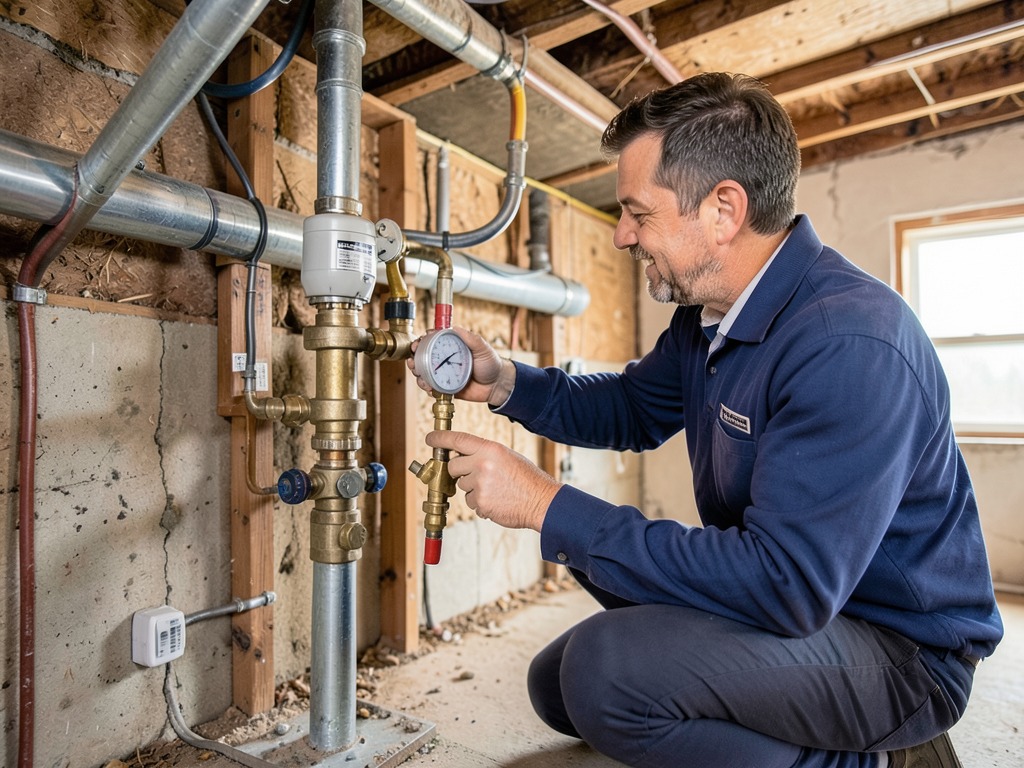
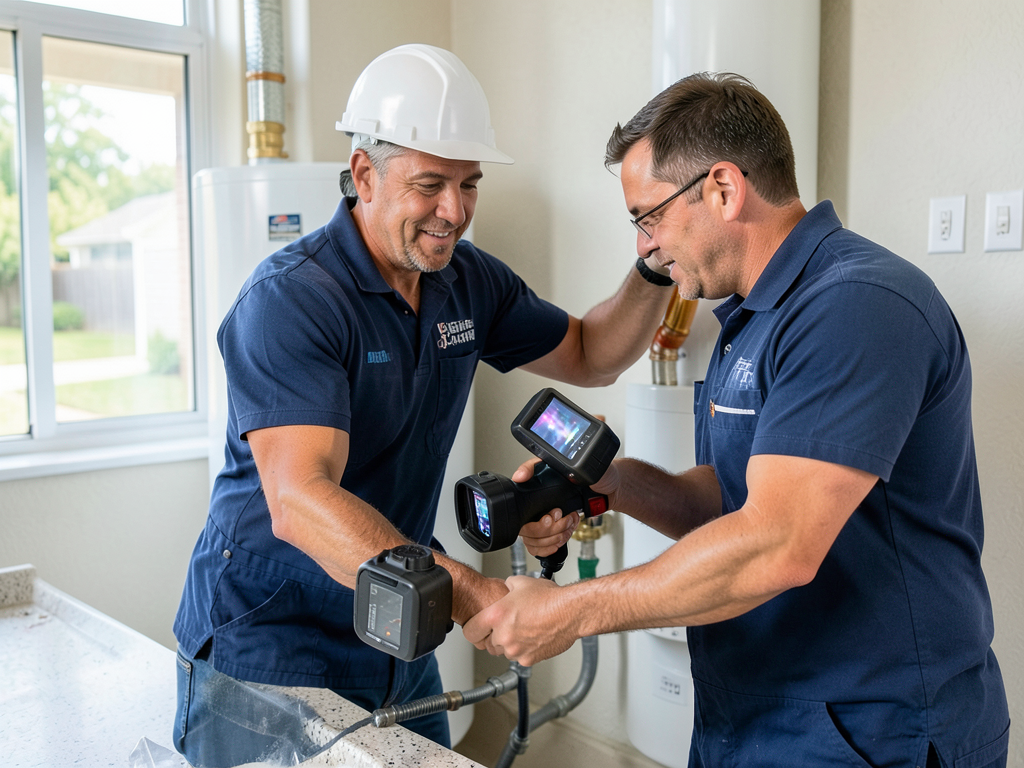
We begin every installation with a pressure test of your home's water supply lines and a combustion safety inspection of existing gas appliances. A camera inspection identifies hidden corrosion or sediment buildup in supply lines that could affect your new system. We test your electrical grounding and bonding to confirm code compliance. Water hardness testing determines whether you need a softener to protect your investment. You receive a written report documenting all findings, including photos of any concerns discovered during the evaluation. This transparency prevents surprises and ensures you understand the full scope of work before installation begins.

Performance and Efficiency Testing

After installation, we measure outlet temperature at every fixture to confirm consistent delivery across your home. Flow rate testing verifies your new system meets the demand calculations from your initial assessment. We check combustion efficiency on gas units using a digital analyzer to ensure complete burning and proper venting. Leak detection includes soap testing every connection and monitoring for pressure drops. You see the test results in real time and receive a commissioning report that documents baseline performance. This data becomes the reference point for future maintenance and troubleshooting.

Annual Maintenance and Protection

Austin's hard water requires annual descaling for tankless systems to prevent heat exchanger failure. We flush the system with descaling solution and inspect the inlet filter for sediment buildup. Tank systems need annual anode rod inspection and sediment flushing to extend lifespan. We check sacrificial anodes for depletion and replace them before tank corrosion begins. Maintenance visits include testing the temperature and pressure relief valve, inspecting venting for blockages, and verifying proper combustion. You receive reminder notifications 30 days before your annual service is due. Consistent maintenance prevents emergency failures and preserves manufacturer coverage on parts and labor.

Frequently Asked Questions

You Have Questions,
We Have Answers

Which is better, a tankless or a tank water heater? +

It depends on your household needs and Austin's hard water conditions. Tank water heaters store 40 to 80 gallons and cost less upfront. They work well for families with predictable usage patterns. Tankless water heaters heat on demand, never run out, and last longer. They fit smaller spaces and save energy over time. Austin's mineral-heavy water requires regular maintenance for both types, but tankless units need descaling more often. Consider your family size, budget, and whether you want unlimited hot water. A licensed plumber can assess your home's electrical or gas capacity before you decide.

What is the downside of a tankless water heater? +

Tankless water heaters cost more upfront, ranging from two to three times the price of tank units when you factor in installation. Austin's hard water causes mineral buildup fast, so you need annual descaling to prevent efficiency loss. If you run multiple showers, dishwashers, and washing machines at once, a single tankless unit may struggle to keep up. Some models require electrical upgrades or larger gas lines, adding to installation costs. Cold water sandwiching can happen when you turn taps on and off quickly. You also lose hot water during power outages unless you have a battery backup.

Why do plumbers not recommend tankless water heaters? +

Many plumbers hesitate because tankless units require more technical knowledge to install and service correctly. They need precise venting, gas line sizing, and electrical work that tank heaters do not. Austin's hard water accelerates scale buildup, leading to more service calls and warranty disputes. Some plumbers lack training on specific brands or models. Tankless systems also generate fewer repeat business opportunities since they last 20 years compared to 10 for tanks. That said, experienced plumbers who understand the technology do recommend them for the right applications. Find a plumber with tankless-specific certifications to ensure proper installation.

Are tank water heaters being phased out? +

No, tank water heaters are not being phased out. They remain the most common choice in Austin homes due to lower upfront costs and simpler installation. New efficiency standards have pushed manufacturers to improve insulation and reduce standby heat loss, but tanks still meet code requirements. Some energy programs encourage tankless or heat pump water heaters through rebates, but tanks continue to dominate the market. The Department of Energy sets efficiency minimums, yet you can still buy compliant tank models everywhere. Tanks work well for many households, and no federal or Texas mandate requires switching to tankless technology.

Can I take a long shower with a tankless water heater? +

Yes, you can take long showers with a tankless water heater because it heats water continuously. You will not run out like you would with a 40 or 50 gallon tank. The flow rate matters more than duration. If your unit delivers 8 gallons per minute and your showerhead uses 2.5 gallons per minute, you can run three fixtures at once without issue. Austin's incoming groundwater temperature stays mild year-round, so tankless units do not struggle as much as they do in colder climates. Size your unit correctly based on simultaneous demand, and shower length becomes irrelevant.

What water heater do plumbers recommend? +

Most plumbers recommend water heaters based on your specific needs, budget, and home setup. For Austin families wanting reliability and lower upfront costs, tank water heaters from brands like Rheem or AO Smith work well. For those prioritizing energy savings and unlimited hot water, tankless units from Rinnai or Navien deliver strong performance. Heat pump water heaters offer a middle ground with better efficiency than tanks but simpler installation than tankless. A qualified plumber will assess your household size, peak usage times, available space, and whether your electrical panel or gas line can handle the load before recommending a solution.

Will my electric bill go up with a tankless water heater? +

Your electric bill may drop slightly with a tankless water heater because you eliminate standby heat loss. Tank heaters constantly reheat stored water even when you are not using it. Tankless units only consume energy when you turn on a hot water tap. In Austin, where cooling costs dominate summer bills, reducing waste heat in your home can lower air conditioning demand too. Gas tankless models use electricity only for ignition and controls, so the impact stays minimal. Actual savings depend on your usage patterns, family size, and current water heater efficiency. Expect 10 to 20 percent energy savings on water heating costs.

What is the most common problem with tankless water heaters? +

Mineral buildup from Austin's hard water is the most common problem. Scale accumulates inside the heat exchanger, reducing efficiency and triggering error codes. You need annual descaling with vinegar or a commercial solution to prevent damage. Ignition failure comes next, often caused by dirty flame sensors or gas valve issues. Flow rate problems occur when aerators or inlet screens clog with sediment. Cold water sandwiching happens during intermittent use when the unit cycles on and off. Regular maintenance prevents most issues, but hard water accelerates wear on internal components faster than in softer water regions.

Can you run out of hot water with a tankless water heater? +

No, you cannot run out of hot water with a properly sized tankless water heater. It heats water on demand as it flows through the unit. The limitation is flow rate, not capacity. If you try to run four showers, a dishwasher, and a washing machine at once, the unit may not keep up, and temperatures will drop. In Austin, where incoming water stays relatively warm, tankless units perform better than in cold climates. Size your unit for peak simultaneous demand, and you get endless hot water. A 199,000 BTU unit handles most family needs without issue.

Is there an IRS tax credit for a tankless water heater? +

Tankless water heaters may qualify for federal tax credits if they meet energy efficiency requirements. The Inflation Reduction Act offers up to $600 for qualified water heaters with a Uniform Energy Factor of 0.81 or higher. You must check the manufacturer's specifications and IRS guidelines each tax year, as rules change. Austin Energy and Texas Gas Service sometimes offer additional rebates for high efficiency models, which you can stack with federal credits. Keep receipts and certification documents. Consult a tax professional to confirm eligibility, as income limits and other restrictions apply.

How Austin's Water Hardness Affects Your Tank vs Tankless Water Heater Decision

The Edwards Aquifer feeds Austin's water supply with limestone-filtered groundwater containing 180 to 250 parts per million of dissolved minerals. This hardness level ranks among the highest in Texas. A conventional storage water heater accumulates one to three inches of sediment per year in Austin, compared to less than half an inch in cities with soft water. The mineral layer insulates the tank bottom from the burner, forcing longer heating cycles and higher gas bills. Tankless systems avoid the storage problem but require annual acid flushing to clear scale from the heat exchanger. Without descaling, the narrow passages clog and trigger low-flow errors. The standard vs tankless water heater comparison in Austin must account for this ongoing maintenance requirement.

All Pro Plumbing Austin has served Travis, Williamson, and Hays County residents since the company's founding. We understand how the region's unique geology, rapid development, and aging housing stock affect plumbing systems. Our technicians train specifically on water heater installations that comply with Austin Energy's rebate requirements and City of Austin mechanical codes. We maintain relationships with local building inspectors and can expedite permit approvals for time-sensitive projects. When you choose a local plumbing company, you get expertise shaped by years of working in this specific environment. National chains send technicians who lack familiarity with Central Texas water chemistry and local code nuances.
Plumbing Services in The Austin Area

While we proudly serve the entire Austin area, you can easily locate our central operations or explore our service coverage on the map below. We are committed to reaching you promptly, wherever you are within our service region, ensuring timely and efficient plumbing solutions for both residential and commercial clients. Feel free to zoom in and out to visualize our extensive service areas and discover how close professional plumbing assistance truly is.

Address:
All Pro Plumbing Austin, 3800 North Lamar Boulevard Lamar Central, Austin, TX, 78756

Additional Services We Offer

Our news updates

Latest Articles & News from The Blogs

Planning the Plumbing for a New Master Suite Addition in Govalle Adding a master suite to your Govalle home requires…

Planning the Plumbing for a New Master Suite Addition in Govalle

Planning the Plumbing for a New Master Suite Addition in Govalle Adding a master suite to your Govalle home requires…

How to Stop That Loud Thumping Noise in Your St Edwards Home (Water Hammer Explained)

How to Stop That Loud Thumping Noise in Your St Edwards Home (Water Hammer Explained) Does your plumbing sound like…

Why Your Copperfield Yard Smells Like Sewage and What to Do About It

Why Your Copperfield Yard Smells Like Sewage and What to Do About It Your Copperfield yard should smell like fresh…

Contact Us

Stop guessing about the right water heater for your Austin home. Call All Pro Plumbing Austin at (737) 316-0588 for a comprehensive assessment of your household's hot water needs, infrastructure capacity, and budget. You deserve clear answers backed by local expertise.