Menu

Low Water Pressure Issues in Austin – Get Fast, Accurate Diagnosis and Permanent Repair

Struggling with weak water pressure or decreased water flow in your home? All Pro Plumbing Austin identifies the root cause, whether it's sediment buildup, corroded pipes, or pressure regulator failure, and delivers long-lasting solutions.

Slider Image 1
Slider Image 2
Slider Image 3
Slider Image 4
Slider Image 5
Slider Image 7
Slider Image 8
Slider Image 9
Slider Image 10
Slider Image 11

Why Austin Homes Experience Poor Water Pressure More Often Than You Think

You turn on the shower and the stream barely trickles. The washing machine takes twice as long to fill. Your kitchen faucet sputters when you try to rinse dishes. Weak water pressure is frustrating, but in Austin, it is often a symptom of deeper plumbing issues.

Austin sits on the Edwards Aquifer, which provides some of the hardest water in Texas. High mineral content means calcium and magnesium deposits accumulate inside pipes, aerators, and fixtures faster than in cities with softer water. Over time, this buildup chokes water flow and creates loss of water pressure throughout your home.

Older neighborhoods in Hyde Park, Travis Heights, and Bouldin Creek often have galvanized steel piping installed decades ago. These pipes corrode from the inside out, narrowing the diameter and restricting flow. When combined with Austin's mineral-heavy water, you get a double hit on pressure.

Pressure regulators fail more quickly in areas with fluctuating municipal supply. If you live near construction zones or new subdivisions in South Austin, you have likely noticed inconsistent pressure as the city expands its water infrastructure. A faulty pressure regulator can drop your incoming pressure from 80 PSI to 30 PSI without warning.

Poor water pressure is not just an inconvenience. It stresses appliances, extends shower times, and can signal hidden leaks or pipe corrosion. Identifying the exact cause requires diagnostic tools and experience with Austin's unique water conditions.

Why Austin Homes Experience Poor Water Pressure More Often Than You Think
How We Diagnose and Fix Decreased Water Pressure the Right Way

How We Diagnose and Fix Decreased Water Pressure the Right Way

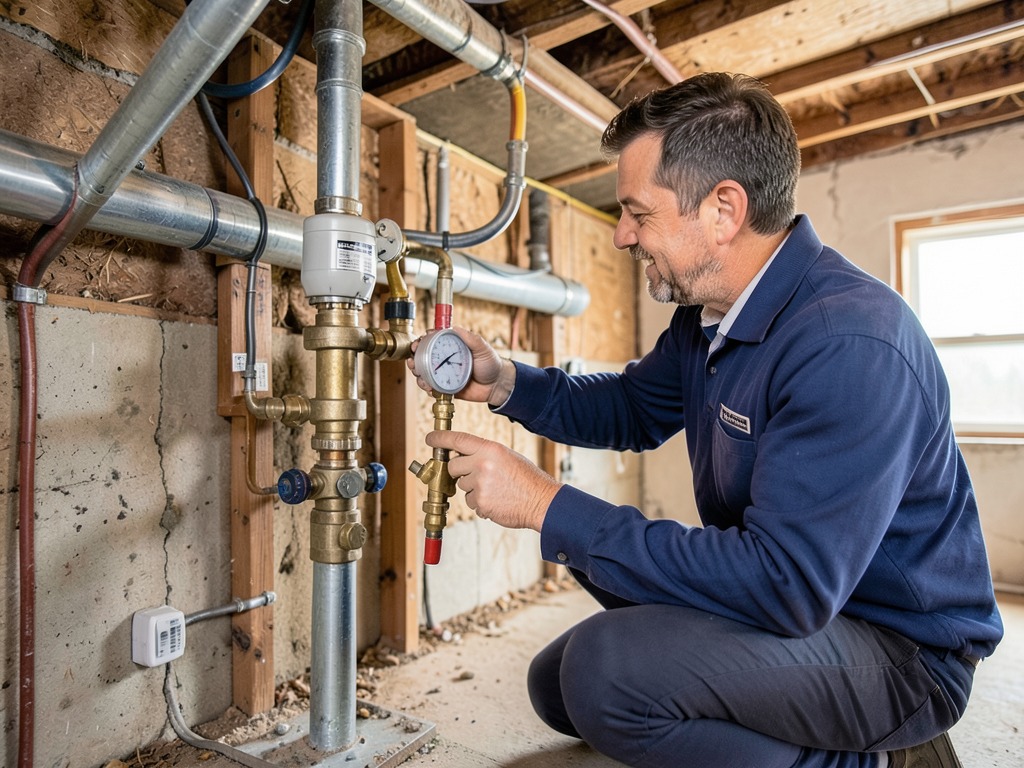
Most plumbers guess. We test. All Pro Plumbing Austin uses a multi-point pressure test to measure PSI at the water meter, at the pressure regulator, and at individual fixtures. This tells us exactly where the drop occurs and what is causing it.

If we find low pressure at the meter, the issue is upstream with the city supply or your main service line. If pressure is normal at the meter but drops after the regulator, we know the regulator is faulty or improperly adjusted. If pressure is fine at the regulator but weak at fixtures, we isolate each branch line to find blockages or corroded sections.

For sediment buildup, we flush supply lines and replace clogged aerators and valve cartridges. If mineral deposits have calcified inside galvanized pipes, we recommend targeted repiping with PEX or copper. Repiping sounds extreme, but in Austin's hard water environment, it is often the only permanent fix.

We test pressure regulators under load to confirm they maintain consistent output. A failing regulator will fluctuate wildly when multiple fixtures run at once. We replace regulators with adjustable models rated for Austin's municipal supply range, typically between 60 and 80 PSI.

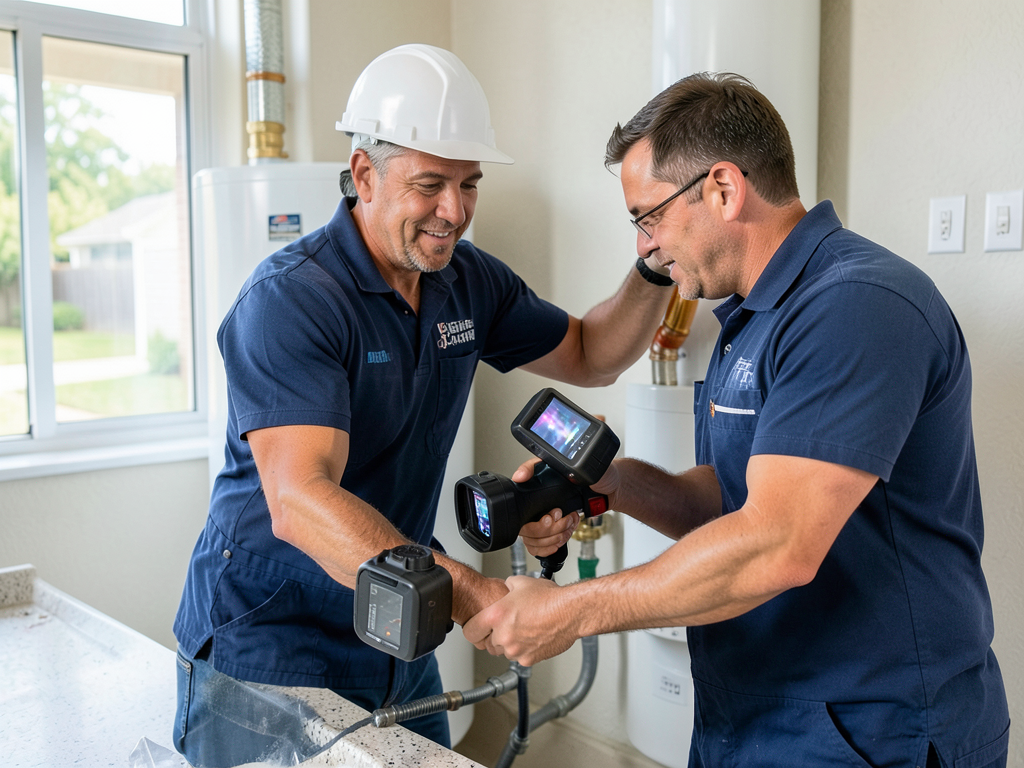
If we suspect a hidden leak, we perform a static pressure test by shutting off all fixtures and monitoring the meter. Even a small slab leak or pinhole leak in a wall can cause decreased water pressure across the entire house. We use acoustic leak detection to pinpoint the exact location without tearing into walls blindly.

Our diagnostic process eliminates guesswork. You get a clear explanation of what is wrong, what it will take to fix it, and how to prevent it from happening again.

How We Restore Full Water Flow in Your Home

Low Water Pressure Issues in Austin – Get Fast, Accurate Diagnosis and Permanent Repair
01

Pressure Testing and Inspection

We start by measuring static and dynamic water pressure at the meter, pressure regulator, and key fixtures throughout your home. This gives us a pressure map that shows exactly where the loss occurs. We inspect supply lines, valves, and fixtures for visible corrosion, leaks, or sediment buildup. This step identifies whether the issue is localized or systemic.
02

Targeted Repair or Replacement

Once we isolate the cause, we execute the appropriate fix. This might mean adjusting or replacing the pressure regulator, clearing sediment from supply lines, replacing corroded galvanized sections with PEX, or repairing a hidden slab leak. We use parts rated for Austin's hard water and high mineral content to extend the lifespan of the repair.
03

Verification and Prevention Plan

After the repair, we retest pressure at every fixture to confirm consistent flow and optimal PSI. We walk you through what caused the problem and recommend preventive measures like sediment filter installation or water softener upgrades. You leave with a clear understanding of your plumbing system and how to protect it moving forward.

Why Austin Homeowners Trust All Pro Plumbing Austin for Pressure Issues

Low water flow is not a one-size-fits-all problem. The fix that works in Houston will not necessarily work in Austin. We understand the local variables that affect pressure, from the Edwards Aquifer's mineral-heavy water to the aging pipe infrastructure in Central Austin neighborhoods.

We have diagnosed pressure issues in everything from 1940s bungalows in Clarksville to new construction in Mueller. Older homes often have a mix of galvanized steel and copper piping, which corrodes at different rates and requires targeted repiping. Newer homes with PEX systems can still suffer from pressure regulator failure or sediment buildup at the water heater.

Austin's rapid growth has strained the municipal water supply in certain areas. Neighborhoods near large developments in South Austin or Pflugerville sometimes experience temporary pressure drops during peak usage hours. We help you determine whether the issue is internal or external, and if external, we coordinate with Austin Water to document and resolve supply problems.

We stock parts that hold up to Austin's water conditions. Standard pressure regulators fail faster in high-mineral environments. We install models with brass internals and replaceable cartridges designed for hard water. When we repipe, we use cross-linked polyethylene (PEX) that resists mineral buildup better than copper and costs less to install.

You will not get a generic diagnosis or an upsell for work you do not need. We explain what we find, show you the evidence, and give you options. If a simple aerator replacement solves the problem, we tell you. If you need a full pressure regulator replacement, we explain why and show you the faulty part.

We also understand the urgency. Weak water pressure disrupts daily routines. We schedule same-day or next-day service and complete most repairs in a single visit.

What You Can Expect When You Call Us

Fast Response and Flexible Scheduling

We understand that poor water pressure affects everything from morning showers to laundry schedules. We offer same-day and next-day appointments and arrive within the scheduled window. Our trucks carry the diagnostic tools and common parts needed to resolve most pressure issues in a single visit. You will not wait days for a follow-up appointment or a second trip to complete the repair.

Thorough Diagnostic Evaluation

We do not charge for pressure testing when you proceed with the recommended repair. Our technician will measure PSI at multiple points, inspect visible plumbing components, and test fixtures to isolate the exact cause of the decreased water pressure. You receive a clear explanation of what we found, what options you have, and a transparent estimate before any work begins.

Durable, Long-Term Repairs

We use parts rated for Austin's hard water and high mineral content. Pressure regulators, valves, and supply lines are selected for durability and compatibility with local water conditions. When we repipe, we use PEX or copper based on your budget and the specific layout of your home. You get a repair that lasts, not a temporary patch that fails again in six months.

Preventive Guidance and Maintenance

After we restore full water flow, we explain what caused the problem and how to prevent it from recurring. This might include installing a sediment filter, scheduling annual pressure regulator inspections, or considering a water softener to reduce mineral buildup. We do not push unnecessary upgrades, but we give you the information you need to protect your plumbing investment.

Frequently Asked Questions

You Have Questions,
We Have Answers

What is the most common cause of low water pressure? +

Mineral buildup inside pipes is the most common culprit. Austin's hard water contains high levels of calcium and magnesium that accumulate over time, especially in older homes with galvanized steel pipes. This creates restrictive layers that choke flow. Clogged aerators on faucets are another frequent issue. Corroded pipes, faulty pressure regulators, and partially closed shutoff valves also reduce pressure. In older Austin neighborhoods near Hyde Park or Travis Heights, aging infrastructure compounds these problems. A licensed plumber can diagnose the exact cause through pressure testing at multiple fixtures.

What to do if your water pressure is low? +

First, check if neighbors experience the same issue. If widespread, contact Austin Water. If isolated to your home, inspect all shutoff valves to ensure they are fully open. Remove and clean faucet aerators, which trap sediment. Test pressure at multiple fixtures to pinpoint location. Check your pressure regulator, usually near the water meter. If pressure remains low after these steps, call a licensed plumber. The issue likely involves hidden pipe corrosion, leaks, or regulator failure that requires professional diagnosis. Do not ignore persistent low pressure, as it signals potential system damage.

Why is the water pressure in my sink suddenly low? +

A clogged aerator is the most likely reason for sudden sink pressure loss. Unscrew the aerator from the faucet spout and rinse debris. If pressure returns, problem solved. If not, the issue sits deeper in the supply line. Mineral deposits can break loose and lodge in cartridges or valves. A failing shutoff valve under the sink may be partially closed or corroded. In Austin homes with older plumbing, sediment from the water heater sometimes travels to fixtures. If only hot water pressure drops, your water heater needs flushing or the dip tube failed.

How can I get my water pressure back up? +

Start by cleaning all faucet aerators throughout your home. Check that your main shutoff valve and meter valve are fully open. Locate your pressure regulator near the water meter and test incoming pressure with a gauge. Austin Water delivers street pressure between 60 and 80 PSI. If your regulator fails, pressure drops significantly. Flush your water heater to remove sediment. If these steps fail, you likely have corroded pipes, hidden leaks, or a failed pressure reducing valve that requires professional replacement. A plumber can restore proper pressure by addressing the root cause.

Can a plumber fix low water pressure? +

Yes. A licensed plumber diagnoses and repairs most low pressure issues. They use pressure gauges to test at the meter, regulator, and individual fixtures to isolate problems. Plumbers replace faulty pressure regulators, clear blocked supply lines, fix leaks, and install new fixtures. If corroded galvanized pipes cause the issue, they recommend repiping with copper or PEX. In Austin's older homes, whole-house repiping often becomes necessary when mineral buildup restricts flow beyond repair. A skilled plumber provides lasting solutions rather than temporary fixes that waste your time and money.

Who is responsible for low water pressure? +

Responsibility splits at the water meter. Austin Water maintains infrastructure from the main line to your meter, including street pressure. If low pressure affects your entire neighborhood, contact Austin Water immediately. If the issue exists only at your property, you own the problem. Everything past the meter, including the pressure regulator, pipes, and fixtures, falls under homeowner responsibility. Landlords must address low pressure in rental properties. If shared plumbing serves multiple units, the property owner handles repairs. Always verify responsibility before calling for service to avoid unnecessary charges.

How much for a plumber to fix low water pressure? +

Simple fixes like aerator cleaning or valve adjustments cost $100 to $200 for a service call. Pressure regulator replacement typically runs $300 to $500 depending on location and accessibility. Repairing a specific section of corroded pipe ranges from $500 to $1,500. Whole-house repiping for severe corrosion in older Austin homes starts at several thousand dollars but provides a permanent solution. Most plumbers offer free estimates after inspection. Costs vary based on diagnosis, labor complexity, and materials required. Ignoring low pressure often leads to costlier repairs when small leaks become major water damage.

How to unclog a p-trap? +

Place a bucket under the trap. Loosen the slip nuts by hand or with pliers, turning counterclockwise. Remove the curved trap section and dump contents into the bucket. Use a bottle brush or wire to scrub interior buildup. Inspect washers for cracks and replace if needed. Rinse the trap thoroughly under running water. Reinstall by hand-tightening slip nuts, then snug with pliers. Do not overtighten or you will crack the trap. Run water and check for leaks. Tighten slightly if drips occur. This maintenance prevents clogs but does not fix low water pressure issues.

Can I adjust the water pressure myself? +

You can adjust your pressure regulator if you have mechanical skills and the right tools. Locate the bell-shaped device near your water meter. Remove the cap and turn the adjustment screw clockwise to increase pressure, counterclockwise to decrease. Make small quarter-turn adjustments and test pressure with a gauge attached to an outdoor hose bib. Austin Water delivers 60 to 80 PSI. Set your regulator between 50 and 60 PSI for optimal fixture performance. If you lack experience or cannot locate the regulator, hire a plumber. Incorrect adjustment damages fixtures and wastes water.

Is low water pressure a plumbing emergency? +

Low pressure alone is not an emergency, but underlying causes can be. If pressure drops suddenly across all fixtures, you may have a major leak flooding your foundation or walls. Shut off your main valve immediately and call a plumber. Gradual pressure loss over weeks indicates mineral buildup or regulator wear, which requires repair but not emergency service. If low pressure prevents fire sprinklers from operating properly, address it urgently. For commercial properties in Austin, inadequate pressure can violate code and interrupt operations. Assess the cause before deciding if you need same-day service.

How Austin's Hard Water Accelerates Pressure Loss in Older Homes

Austin's water comes from the Edwards Aquifer and surface sources like Lake Travis, both of which carry high concentrations of calcium carbonate and magnesium. This creates water hardness levels between 120 and 180 mg/L, significantly higher than the national average. Over time, these minerals precipitate out of solution and coat the inside of pipes, valves, and fixtures. In homes built before 1980, galvanized steel piping accelerates this buildup because the rough interior surface provides more surface area for deposits to cling to. The result is a gradual but steady loss of water pressure that worsens over years until the pipe is nearly choked shut.

Central Austin neighborhoods like Hyde Park, Travis Heights, and Tarrytown have some of the oldest residential plumbing infrastructure in the city. Many homes still have original galvanized steel or early copper installations that are 50 to 80 years old. Local plumbing codes have evolved, but older systems were not designed to handle the mineral load in Austin's water supply. All Pro Plumbing Austin has worked extensively in these areas and understands the unique challenges of diagnosing and repairing pressure issues in historic homes without compromising architectural integrity or requiring full remodels.
Plumbing Services in The Austin Area

While we proudly serve the entire Austin area, you can easily locate our central operations or explore our service coverage on the map below. We are committed to reaching you promptly, wherever you are within our service region, ensuring timely and efficient plumbing solutions for both residential and commercial clients. Feel free to zoom in and out to visualize our extensive service areas and discover how close professional plumbing assistance truly is.

Address:
All Pro Plumbing Austin, 3800 North Lamar Boulevard Lamar Central, Austin, TX, 78756

Additional Services We Offer

Our news updates

Latest Articles & News from The Blogs

Planning the Plumbing for a New Master Suite Addition in Govalle Adding a master suite to your Govalle home requires…

Planning the Plumbing for a New Master Suite Addition in Govalle

Planning the Plumbing for a New Master Suite Addition in Govalle Adding a master suite to your Govalle home requires…

How to Stop That Loud Thumping Noise in Your St Edwards Home (Water Hammer Explained)

How to Stop That Loud Thumping Noise in Your St Edwards Home (Water Hammer Explained) Does your plumbing sound like…

Why Your Copperfield Yard Smells Like Sewage and What to Do About It

Why Your Copperfield Yard Smells Like Sewage and What to Do About It Your Copperfield yard should smell like fresh…

Contact Us

Stop struggling with weak water flow and get a professional diagnosis today. Call All Pro Plumbing Austin at (737) 316-0588 to schedule your pressure evaluation. We will find the cause, explain your options, and restore full pressure fast.