Menu

Plumbing Inspection Checklist Austin – Prevent Expensive Repairs Before They Start

Use our comprehensive plumbing inspection checklist to catch small problems in your Austin home before they turn into burst pipes, water damage, or emergency service calls that cost thousands.

Slider Image 1
Slider Image 2
Slider Image 3
Slider Image 4
Slider Image 5
Slider Image 7
Slider Image 8
Slider Image 9
Slider Image 10
Slider Image 11

Why Austin Homeowners Need a Plumbing System Inspection Guide

Austin's expansive clay soil shifts constantly with seasonal moisture changes. When the soil expands during spring storms and contracts during summer heat, your underground pipes flex and stress. This movement creates pinhole leaks in copper lines and joint failures in older galvanized systems that you cannot see until water damage appears inside your walls.

The city's hard water compounds these problems. Austin's groundwater contains high concentrations of calcium and magnesium that build scale inside pipes, water heaters, and fixtures. This mineral buildup restricts flow, increases pressure, and accelerates corrosion. A home plumbing inspection list helps you identify these accumulating problems before they cause pipe bursts or complete system failures.

Central Texas homes built before 1990 often contain outdated plumbing materials that struggle with modern water pressure standards. Polybutylene pipes, common in Austin construction during the 1980s, become brittle and fail without warning. Galvanized steel pipes corrode from the inside, reducing water flow and contaminating your supply. A residential plumbing checkup list identifies these aging materials before they fail catastrophically.

Your preventative plumbing maintenance checklist should include fixtures, supply lines, drain systems, water heaters, and exterior hose bibs. Each component has a typical lifespan, and Austin's climate accelerates wear on every part of your system. Regular inspection catches developing issues when repairs cost hundreds instead of thousands.

Most homeowners wait until they see water damage or experience a complete failure. By then, you face emergency repairs, insurance claims, and structural remediation. A systematic plumbing maintenance checklist shifts your approach from reactive to preventive, protecting your investment and avoiding the stress of unexpected plumbing disasters.

Why Austin Homeowners Need a Plumbing System Inspection Guide
The Complete Plumbing System Inspection Guide for Austin Homes

The Complete Plumbing System Inspection Guide for Austin Homes

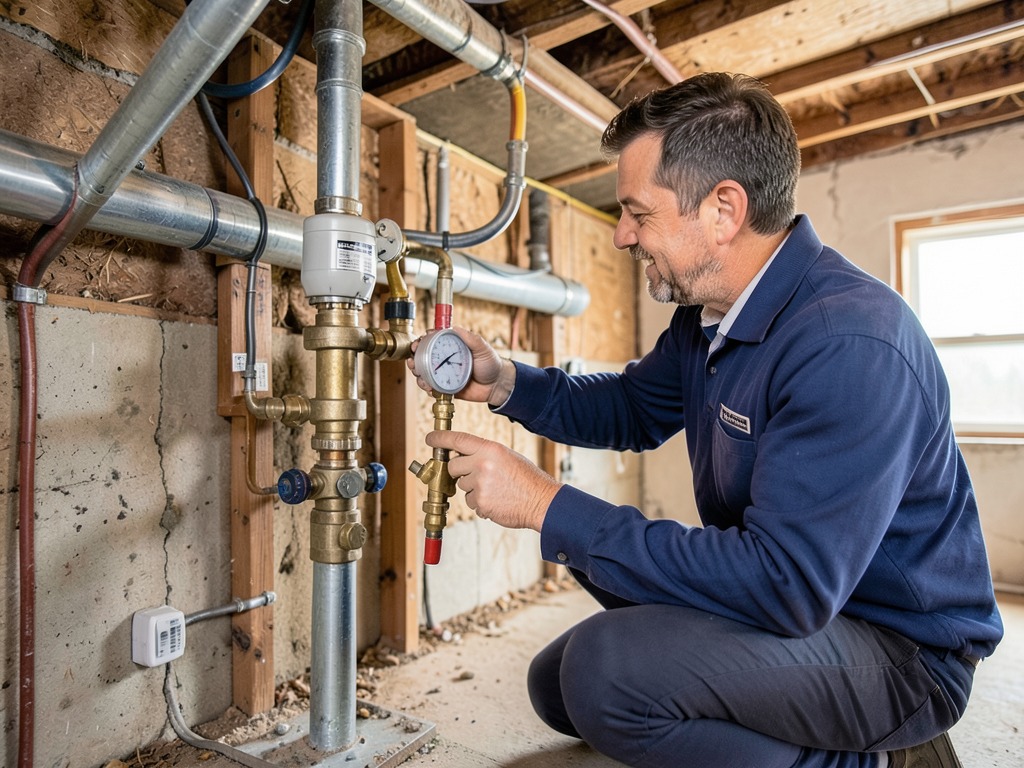
Your plumbing system contains visible components you can check yourself and hidden systems that require professional evaluation. Start with accessible areas. Check under every sink for moisture, corrosion, or mineral deposits on shut-off valves and supply lines. Look for water stains on cabinet floors. These signs indicate slow leaks that will worsen over time.

Examine exposed pipes in your garage, attic, and crawl space. Look for green oxidation on copper pipes, rust spots on galvanized steel, or any visible moisture. Check pipe hangers and supports. Loose pipes vibrate and develop leaks at joints. Feel along pipes for temperature differences that might indicate restricted flow from internal buildup.

Test water pressure at multiple fixtures simultaneously. Turn on showers, washing machines, and outdoor spigots together. Pressure loss indicates supply line restrictions, failing pressure regulators, or main line problems. Austin's municipal water pressure runs between 60 and 80 PSI. Higher pressure accelerates wear on fixtures and appliances.

Your water heater requires specific attention in Austin's hard water environment. Sediment accumulates at the bottom of the tank, reducing efficiency and causing premature failure. Flush the tank annually and inspect the anode rod. This sacrificial component protects the tank from corrosion but dissolves over time. A depleted anode rod means your tank is corroding internally.

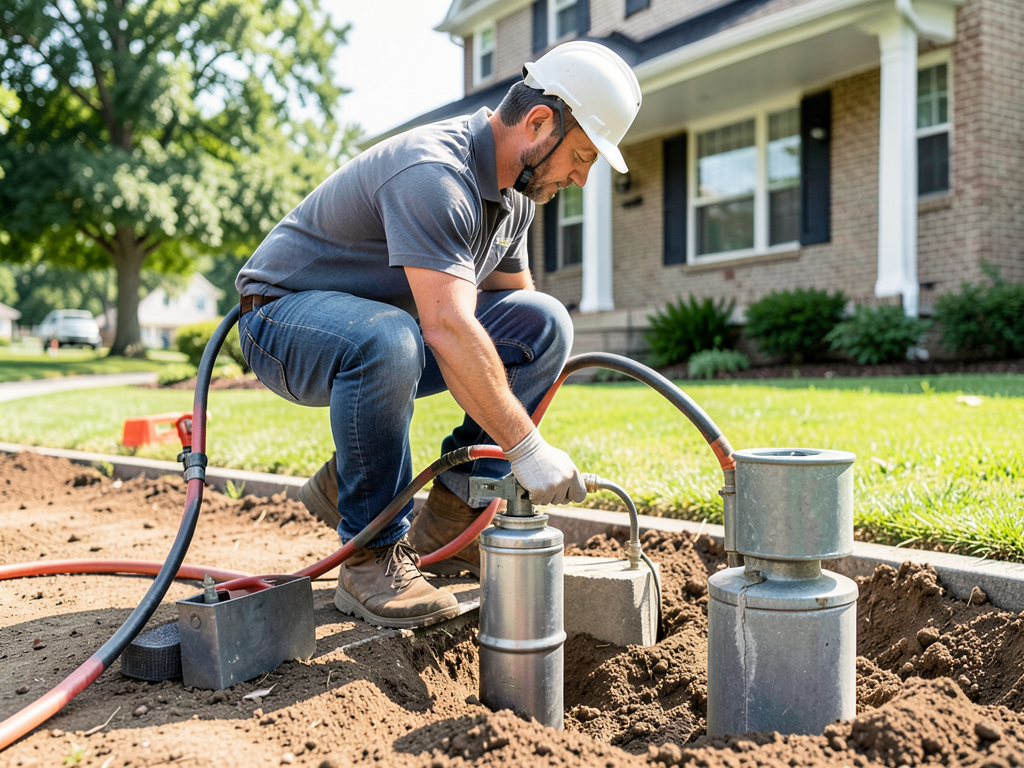
Check all drain systems for slow drainage, gurgling sounds, or sewer odors. These symptoms indicate developing clogs or venting problems. Austin's limestone geology means tree roots aggressively seek water sources, penetrating older clay sewer lines. A camera inspection reveals root intrusion before it causes backups.

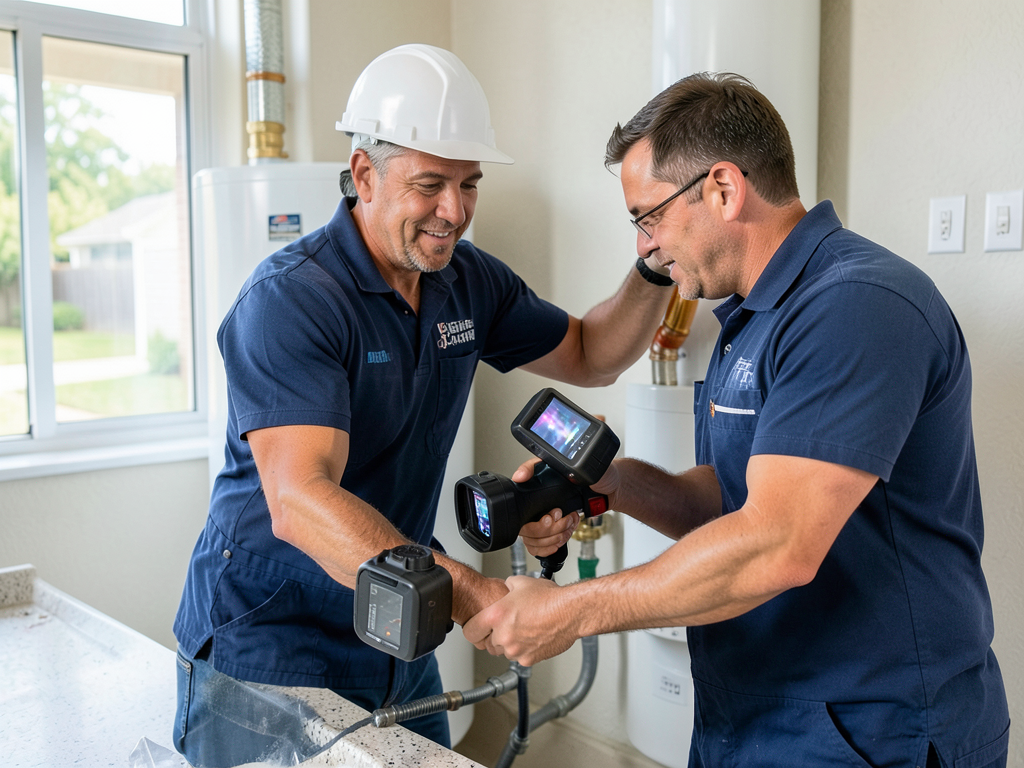
Professional inspection includes pressure testing, thermal imaging to detect hidden leaks, and assessment of your main supply line from the meter to your home. These underground components fail without surface evidence until the damage is extensive.

How to Complete Your Home Plumbing Inspection

Plumbing Inspection Checklist Austin – Prevent Expensive Repairs Before They Start
01

Visual Assessment

Walk through your home with a flashlight and notepad. Check under sinks, behind toilets, around water heaters, and in utility areas. Look for water stains, mineral deposits, rust, or active moisture. Document fixture ages, visible pipe materials, and any previous repairs. Pay attention to slow drains, running toilets, dripping faucets, and unusual sounds. This initial survey identifies obvious problems and areas needing professional evaluation for your residential plumbing checkup list.
02

Functional Testing

Test each fixture and appliance. Flush toilets and watch for weak flow or continued running. Turn faucets fully on and off, checking for smooth operation and complete shut-off. Run multiple fixtures simultaneously to test pressure. Listen for water hammer, rattling pipes, or gurgling drains. Check water heater temperature settings and relief valve operation. Inspect outdoor hose bibs for freeze damage. These functional tests reveal performance issues that indicate internal problems in your plumbing system inspection guide.
03

Professional Evaluation

Schedule professional inspection for hidden systems. Camera inspection of drain lines reveals root intrusion, pipe deterioration, or developing clogs. Pressure testing identifies leaks in walls or underground. Thermal imaging detects moisture behind finished surfaces. Water quality testing measures hardness and contaminant levels. Professional assessment catches problems your visual inspection cannot reach and provides documentation for maintenance planning, ensuring your preventative plumbing maintenance checklist addresses both immediate and developing issues.

Why Austin Homeowners Trust All Pro Plumbing Austin for System Inspections

Austin's plumbing challenges differ from other Texas cities. Our soil composition, water chemistry, and building practices create specific problems that require local knowledge. We understand how the Balcones Fault Zone affects underground utilities, how Travis County's historic districts require specialized approaches, and how Austin's rapid growth has created neighborhoods with vastly different plumbing infrastructures.

Homes in Hyde Park and Tarrytown contain galvanized pipes and cast iron drains from the 1920s and 1930s. These systems are nearing end-of-life and require careful assessment. Developments in Round Rock and Cedar Park from the 1980s likely contain polybutylene supply lines that fail without warning. New construction in East Austin follows current codes but may have installation defects that appear years later. We know what to look for in each era and neighborhood.

Our technicians understand Austin's amendments to the International Plumbing Code. We know local requirements for backflow prevention, water heater installation, and fixture standards. This knowledge matters when assessing code compliance for renovations or property transfers. We identify violations that create liability and prevent insurance coverage.

We use diagnostic technology that reveals hidden problems. Our camera systems inspect drain lines from cleanouts to the main sewer connection, showing root intrusion, collapsed sections, or improper slopes. Thermal imaging detects moisture inside walls and ceilings where visual inspection sees nothing. Pressure testing isolates leaks in supply lines before they cause visible damage. These tools provide certainty instead of guesswork.

You receive a written report with photos, findings, and prioritized recommendations. We explain which problems need immediate attention and which you can monitor or plan for in your maintenance budget. This documentation helps you make informed decisions about repairs, negotiate property purchases, or plan renovation projects. You get facts, not sales pressure.

What Your Plumbing Inspection Includes

Inspection Timeline and Scheduling

Basic inspections take two to three hours for typical Austin homes. Larger properties or homes with complex systems require more time. We coordinate with your schedule and provide arrival windows that respect your time. If we find issues requiring immediate attention, we explain the situation and offer same-day repair options when possible. For property transactions, we work within your closing timeline. You receive preliminary findings onsite and a detailed written report within 24 hours. This timeline lets you make decisions quickly whether you are buying, selling, or maintaining your home.

Comprehensive System Assessment

We inspect every accessible component of your plumbing system. This includes supply lines from the meter, main shut-off valves, pressure regulators, branch lines to fixtures, all faucets and valves, toilets, water heaters, drain systems, vent stacks, and exterior components. We test water pressure, check for cross-connections, evaluate fixture conditions, and assess water heater performance. Camera inspection of drain lines is available as an add-on service. We identify pipe materials, estimate component ages, and note any previous repairs or modifications. You learn exactly what condition your plumbing system is in.

Detailed Findings and Recommendations

Your written report includes photos of problems, explanations of findings, and prioritized recommendations. We categorize issues as immediate safety concerns, repairs needed within the next year, and items to monitor or plan for long-term replacement. You receive realistic assessments of remaining component lifespans based on Austin conditions. We explain how hard water affects your specific system and recommend water treatment if appropriate. The report serves as a maintenance planning tool and documentation for property transactions. You get honest evaluation without unnecessary upselling.

Follow-Up Support and Maintenance Planning

After your inspection, we remain available to answer questions about findings or recommendations. If you choose to proceed with repairs, we provide detailed estimates and scheduling options. We help you prioritize work based on your budget and risk tolerance. For homeowners committed to preventive maintenance, we offer annual inspection programs that track your system over time and catch developing problems early. This ongoing relationship means we know your home's history and can spot changes that indicate new issues. You build a relationship with plumbers who understand your specific property.

Frequently Asked Questions

You Have Questions,
We Have Answers

What does a plumbing inspection consist of? +

A plumbing inspection examines your entire water supply and drainage system. The plumber checks water pressure, tests all fixtures like faucets and toilets, inspects visible pipes for leaks or corrosion, and evaluates the water heater for safety and efficiency. In Austin, inspectors pay close attention to slab foundation pipes since shifting clay soil can stress connections. They also check for proper venting, examine shut-off valves, and look under sinks for hidden moisture damage. The inspector tests drains for proper flow and may use a camera to inspect sewer lines for root intrusion or bellied sections.

What are the 5 main items you should inspect for at a drain detail? +

At a drain detail, inspect these five critical items: the drain opening for proper grate or cover installation, the surrounding slope to confirm water flows toward the drain and not away, the connection point where the drain meets the pipe for gaps or separation, the pipe material for cracks or deterioration, and the drain's ability to handle flow without backing up. In Austin, check for debris accumulation from live oak leaves and limestone sediment that can clog drains. Look for standing water after rain, which signals improper grading or a blocked line needing attention.

What should be included in the inspection checklist? +

Your inspection checklist should cover water supply lines, drain and waste lines, water heater condition and age, all fixtures and faucets, visible pipe condition, water pressure levels, signs of leaks or water damage, sewer line integrity, gas line connections if applicable, and proper venting. For Austin homes, add foundation leak checks since expansive clay soil movement can crack pipes. Include outdoor components like hose bibs, irrigation backflow preventers, and main shut-off valve accessibility. Document the age of major components and note any code violations or outdated materials like polybutylene piping.

How much does it cost to have a plumbing inspection? +

Plumbing inspections in Austin typically range from 150 to 400 dollars for a standard home. The price depends on property size, system complexity, and whether you add services like sewer camera inspection. Older homes or those on pier and beam foundations may cost more due to accessibility challenges. Pre-purchase inspections for home buyers usually fall on the lower end, while comprehensive assessments for older properties with suspected issues cost more. Adding a sewer scope inspection increases the total by 100 to 300 dollars but provides valuable information about underground line condition.

What is the biggest red flag in a home inspection? +

Active water leaks represent the biggest red flag in a home inspection. They signal immediate damage and potential mold growth. In Austin, watch for foundation cracks with moisture staining, which indicates slab leaks from shifting clay soil. Corroded pipes, improperly vented drains causing sewer gas backup, outdated polybutylene or galvanized piping, and signs of repeated repairs suggest systemic problems. Water heater corrosion or improper venting poses safety risks. Low water pressure throughout the home can indicate main line issues. These problems require immediate attention and can derail a sale without proper negotiation or repair agreements.

How long does a plumbing inspection take? +

A standard plumbing inspection takes one to three hours depending on home size and system complexity. Single-story homes with newer plumbing systems take less time, while multi-story properties or homes with crawl spaces and extensive pipe runs require longer. Adding a sewer camera inspection adds 30 to 60 minutes. In Austin, pier and beam homes take longer to inspect because the plumber must access the crawl space to examine exposed pipes. Homes with suspected issues require extra time for testing and documentation. The inspector needs adequate time to check every fixture, test water pressure, and document findings thoroughly.

What would make a house fail a home inspection? +

A house fails inspection when major safety hazards or code violations exist. Plumbing failures include active slab leaks, sewer line backups, non-functional septic systems, gas leaks, water heater safety violations, cross-connections between potable and non-potable water, missing backflow prevention, and severely corroded pipes at risk of bursting. In Austin, houses fail when foundation movement has compromised pipe integrity or when DIY repairs violate code. Failed inspections do not kill sales automatically, but they require repair negotiations or price adjustments. Sellers must address safety issues before closing or provide credits for buyer repairs.

What is a 7 point inspection? +

A seven point inspection typically refers to a vehicle safety check, not plumbing. In plumbing contexts, a comprehensive assessment might examine seven key areas: water supply system, drainage and waste system, water heater, fixtures and faucets, visible pipe condition, water pressure and flow, and sewer or septic system. For Austin homes, this practical approach covers the essential components that impact safety, function, and value. The term lacks standard industry definition for plumbing, so confirm what your inspector includes. Most reputable plumbers provide a detailed checklist explaining exactly what they evaluate during the inspection process.

How much does a drain inspection cost? +

Drain camera inspections in Austin cost 100 to 400 dollars depending on line length and accessibility. Main sewer line inspections typically run 200 to 350 dollars, while shorter interior drain lines cost less. The plumber inserts a waterproof camera into the drain to identify blockages, root intrusion, pipe damage, or bellied sections. This inspection proves valuable before buying a home or when experiencing recurring clogs. The camera reveals the exact problem location and condition, eliminating guesswork. Some plumbers include basic camera inspection with drain cleaning services, while comprehensive video reports with recordings cost more.

What does a full inspection include? +

A full plumbing inspection includes evaluation of the entire water supply system from the main line to every fixture, all drain and waste lines including the main sewer, water heater assessment, gas line inspection if applicable, fixture functionality testing, water pressure measurement, leak detection, pipe material and condition documentation, proper venting verification, and code compliance review. In Austin, inspectors examine foundation areas for slab leaks, check outdoor components like irrigation systems and hose bibs, and assess how shifting clay soil may have impacted underground lines. The inspector provides a detailed report with photos documenting all findings and recommended repairs.

How Austin's Expansive Clay Soil Affects Your Underground Plumbing

The Eagle Ford Shale and Del Rio Clay beneath Austin expand up to ten percent when saturated and contract dramatically during drought. This constant movement stresses underground supply lines and sewer connections. Rigid pipe materials like cast iron and older PVC crack at joints. Even flexible copper lines develop stress fractures after years of soil shifting. Your residential plumbing checkup list must include assessment of underground components because surface evidence appears only after extensive damage. Properties built on hillsides or near trees experience accelerated soil movement as roots extract moisture unevenly. A systematic plumbing maintenance checklist accounts for these geological factors specific to Central Texas.

Austin Water maintains infrastructure to the meter, but homeowners are responsible for supply lines and sewer laterals on private property. Many Austin homeowners remain unaware of this division until they face repair costs. Understanding local responsibility helps you protect your investment. Travis County requires backflow prevention devices on irrigation systems and certain commercial properties. The City of Austin has specific requirements for water heater installations, including seismic strapping and drain pan requirements. All Pro Plumbing Austin stays current with these local codes and helps you maintain compliance, avoiding violations that create liability or prevent property transfers.
Plumbing Services in The Austin Area

While we proudly serve the entire Austin area, you can easily locate our central operations or explore our service coverage on the map below. We are committed to reaching you promptly, wherever you are within our service region, ensuring timely and efficient plumbing solutions for both residential and commercial clients. Feel free to zoom in and out to visualize our extensive service areas and discover how close professional plumbing assistance truly is.

Address:
All Pro Plumbing Austin, 3800 North Lamar Boulevard Lamar Central, Austin, TX, 78756

Additional Services We Offer

Our news updates

Latest Articles & News from The Blogs

Planning the Plumbing for a New Master Suite Addition in Govalle Adding a master suite to your Govalle home requires…

Planning the Plumbing for a New Master Suite Addition in Govalle

Planning the Plumbing for a New Master Suite Addition in Govalle Adding a master suite to your Govalle home requires…

How to Stop That Loud Thumping Noise in Your St Edwards Home (Water Hammer Explained)

How to Stop That Loud Thumping Noise in Your St Edwards Home (Water Hammer Explained) Does your plumbing sound like…

Why Your Copperfield Yard Smells Like Sewage and What to Do About It

Why Your Copperfield Yard Smells Like Sewage and What to Do About It Your Copperfield yard should smell like fresh…

Contact Us

Do not wait for water damage or emergency repairs. Call All Pro Plumbing Austin at (737) 316-0588 to schedule your comprehensive plumbing system inspection. Get the facts about your home's condition and prevent expensive surprises.