Menu

Water Heater Repair & Installation in Austin – Fast Solutions for Hard Water and Sediment Damage

All Pro Plumbing Austin specializes in water heater repair, hot water tank replacement, and complete hot water system installation designed to handle Austin's mineral-heavy water and prevent premature tank failure.

Slider Image 1
Slider Image 2
Slider Image 3
Slider Image 4
Slider Image 5
Slider Image 7
Slider Image 8
Slider Image 9
Slider Image 10
Slider Image 11

Why Austin Water Destroys Water Heaters Faster Than Most Cities

Austin sits on the Edwards Aquifer, one of the hardest water sources in Texas. Your tap water carries high concentrations of calcium, magnesium, and limestone sediment. These minerals settle at the bottom of your water heater tank, forming a thick layer of scale that acts as insulation between the burner and the water. The result is overheating, cracked tank linings, and premature failure.

Most water heaters in Austin fail years before their rated lifespan because homeowners do not understand how local water chemistry accelerates corrosion. If you hear popping or rumbling from your tank, that is sediment hardening into rock at the bottom. If your hot water runs out faster than it used to, the tank is losing capacity to mineral buildup. If you see rust-colored water or notice moisture pooling under the unit, the tank liner has already corroded through.

Hot water heater replacement and hot water tank repair are not optional maintenance tasks in this city. They are responses to aggressive water conditions that attack metal tanks from the inside out. Whether you need a water heater change out due to a catastrophic leak or want to fix a hot water heater before it fails, understanding the local water profile is the first step toward a reliable hot water system installation. The damage is cumulative, invisible, and inevitable without intervention.

Why Austin Water Destroys Water Heaters Faster Than Most Cities
How We Diagnose and Repair Water Heaters in Hard Water Environments

How We Diagnose and Repair Water Heaters in Hard Water Environments

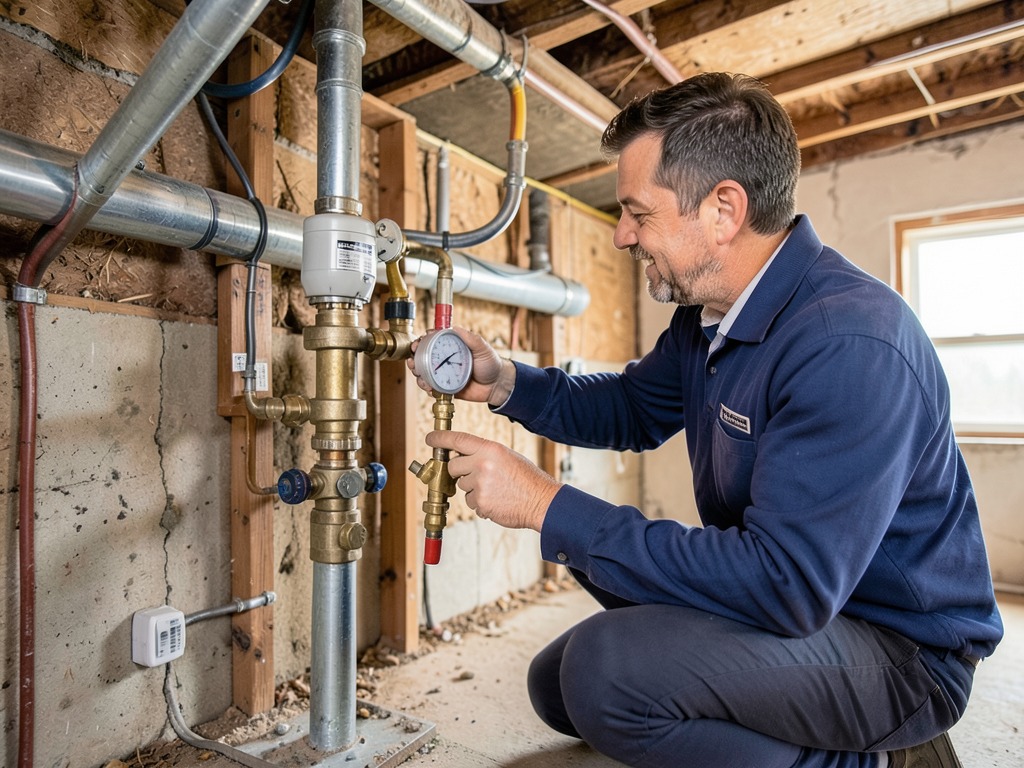
Most plumbers treat water heater repair as a simple parts replacement job. We treat it as a water chemistry problem. Before we touch your unit, we test your water hardness, measure sediment buildup, and inspect the anode rod. The anode rod is a sacrificial metal component designed to corrode in place of the tank lining. In Austin, these rods disintegrate in two to three years instead of the five to seven years manufacturers assume. If your anode rod is gone, your tank is next.

When we perform a hot water heater replacement, we size the unit based on your household demand, incoming water temperature, and pressure conditions specific to your neighborhood. Austin's water pressure varies wildly depending on elevation and proximity to treatment plants. A unit sized for standard pressure will underperform or fail early if your home receives inconsistent flow.

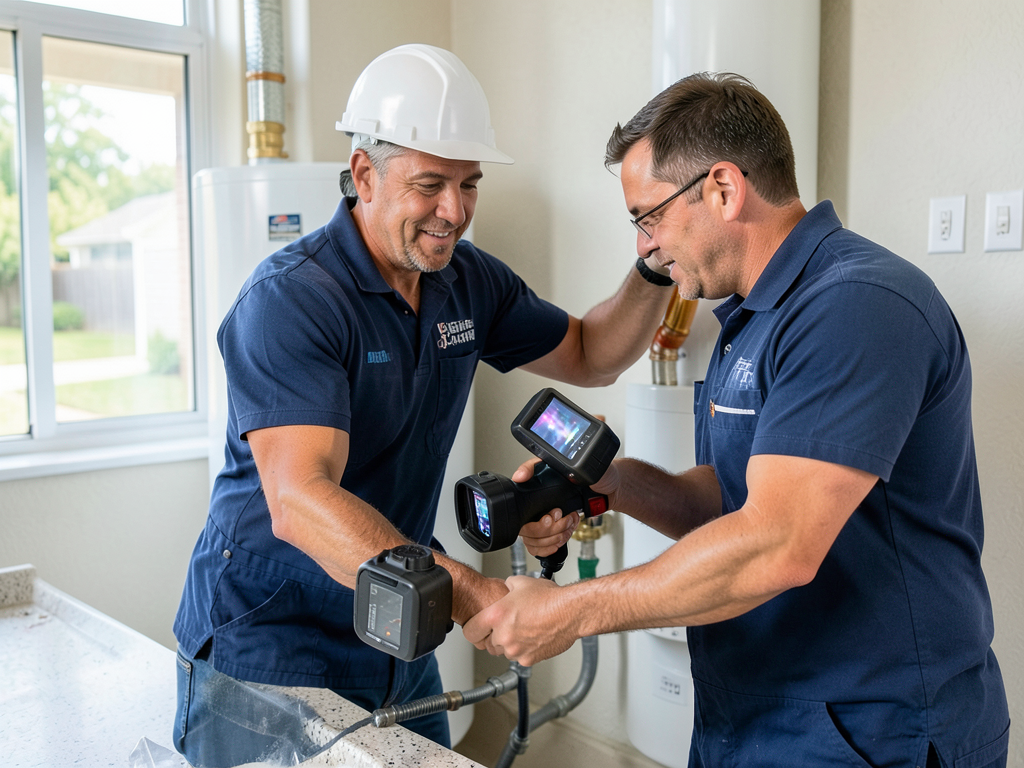
For repairs, we do not guess. We use thermal imaging to detect hot spots caused by scale accumulation. We inspect the T&P valve, the dip tube, the thermostat calibration, and the expansion tank. If your system lacks an expansion tank, thermal expansion from Austin's summer heat will shorten the tank's life by creating pressure stress. We also check for galvanic corrosion where dissimilar metals meet, a common issue in older Austin homes with mixed copper and steel plumbing.

Our approach to hot water system installation includes sediment traps, water softener compatibility checks, and proper venting. Gas units require Category I venting to code. Electric units need dedicated 240-volt circuits with proper breaker sizing. We do not cut corners on these details because they determine whether your system lasts five years or fifteen.

What Happens During Your Water Heater Service Call

Water Heater Repair & Installation in Austin – Fast Solutions for Hard Water and Sediment Damage
01

System Evaluation and Testing

We start with a full diagnostic inspection. This includes water temperature testing at multiple taps, pressure gauge readings, and a visual inspection of the tank exterior for corrosion or moisture. We test the T&P relief valve, check gas connections for leaks if applicable, and inspect electrical connections for arcing or corrosion. You receive a written assessment of what is failing and why, with photo documentation of problem areas.
02

Repair or Replacement Decision

Based on the diagnostic results, we present repair options versus replacement costs. If the tank is over eight years old in Austin's water conditions, replacement is usually the smarter financial decision. We explain the cost difference between standard atmospheric vent units, power vent models, and tankless systems. You choose the solution. We provide transparent pricing before any work begins, with no upselling or pressure tactics.
03

Installation and System Testing

If you move forward with a water heater change out, we remove the old unit, install the new tank with code-compliant connections, and test every function. This includes filling the tank, purging air from the lines, adjusting the thermostat to 120 degrees, and running hot water at every fixture to confirm proper flow and temperature. We haul away the old unit and leave your space clean. You get hot water the same day.

Why All Pro Plumbing Austin Understands Your Water Heater Problems Better Than National Chains

We are not a franchise following a corporate playbook written for average water conditions. We are a local plumbing company that has worked in Travis County, Williamson County, and Hays County for years. We know that homes in Westlake Hills have different pressure profiles than homes in Pflugerville. We know that older neighborhoods near downtown have galvanized pipes that contaminate new water heaters with rust particulates. We know that new construction in Cedar Park often lacks proper expansion tanks because builders cut costs.

When you call a national chain, you get a technician trained on generic symptoms. When you call All Pro Plumbing Austin, you get a plumber who has seen what happens when Austin water attacks a water heater for ten years. We stock parts for the most common tank brands installed in this region. We know which models hold up to hard water and which ones fail early. We know the local supply houses that carry quality anode rods and control valves, not the cheap import versions that corrode in months.

We also understand Austin's building code requirements for water heater installation. The City of Austin requires permits for water heater replacements. We pull permits, schedule inspections, and ensure your installation passes code. This protects your homeowner's insurance coverage and resale value. DIY installations and unlicensed work void your insurance and create liability if something goes wrong.

Our relationship with local inspectors means faster approvals and fewer delays. We know what they look for. We install drip pans under every tank, seismic straps where required, and proper clearances for combustion air. You do not get these details from a technician who works in a different city every week.

What You Can Expect From Start to Finish

Response Time and Scheduling

We dispatch service calls within two hours for emergencies and offer same-day appointments for standard repairs. If your water heater is leaking or completely failed, we prioritize your call. Most hot water heater replacements are completed in four to six hours, including permit filing and old unit removal. We arrive with fully stocked trucks, so parts delays are rare. If you need a water heater change out, we carry the most common 40-gallon and 50-gallon residential tanks in gas and electric configurations. You are not waiting days for us to order equipment.

Diagnostic Process and Pricing Transparency

Our diagnostic fee covers the full inspection and written assessment. If you proceed with the repair or replacement, the diagnostic fee is credited toward the work. We explain what we find in plain language. You receive a detailed estimate before we start, with line-item pricing for labor, materials, and permit costs. There are no hidden fees or surprise charges. If we recommend replacing your unit instead of repairing it, we explain the math. You decide. We do not push unnecessary work.

Quality of Installation and Equipment

We install water heaters to meet or exceed manufacturer specifications and local code. This includes proper venting, gas line pressure testing, electrical circuit verification, and thermal expansion protection. We use brass fittings, not plastic. We use code-compliant flexible connectors where required. We install new shut-off valves if yours are corroded. Your hot water system installation is done right the first time. We test the system under load before we leave, running multiple fixtures simultaneously to confirm capacity and recovery time. You get consistent hot water at the temperature you expect.

Maintenance Guidance and Follow-Up

After installation, we walk you through basic maintenance. This includes flushing sediment every six months, testing the T&P valve annually, and checking the anode rod every two years. In Austin's hard water, these tasks extend your tank's life significantly. We offer maintenance plans that include annual flushing and anode rod inspection. This is preventive care, not a sales gimmick. Sediment accumulation is the leading cause of premature failure in this city. If you stay on top of it, your water heater lasts longer. We send reminders when service is due.

Frequently Asked Questions

You Have Questions,
We Have Answers

How much should I expect to pay for a new water heater installed? +

Installation costs vary based on unit type, capacity, and whether you choose tank or tankless. Tank water heaters are less expensive upfront, while tankless models cost more but offer long-term energy savings. Factors affecting price include fuel type (gas or electric), venting requirements, and whether your existing setup meets current Austin building codes. Permits, disposal of your old unit, and any necessary plumbing modifications also impact total investment. Gas units require proper venting and may need gas line adjustments. Electric models may require panel upgrades. Always get multiple quotes and verify the installer is licensed.

What is the average labor cost to install a 50 gallon gas water heater? +

Labor costs depend on installation complexity and existing infrastructure. A straightforward replacement where plumbing, venting, and gas lines are already compliant takes less time than installations requiring modifications. Austin's hard water and mineral deposits can complicate connections, requiring extra prep work. If your home has outdated venting or requires seismic straps to meet code, expect higher labor charges. Experienced plumbers charge more but reduce the risk of callbacks and safety issues. Weekend or after-hours installations cost more. Get itemized quotes showing labor separate from materials to compare accurately.

Who is the best person to install a water heater? +

undefined is the best choice for water heater installation in Austin. You need a licensed, insured plumber who understands local code requirements, not a general handyman. Austin's building codes mandate proper venting for gas units, thermal expansion tanks, and specific clearances. A qualified plumber ensures your installation meets city inspection standards, handles permits, and provides warranty-backed work. They assess your electrical panel capacity, gas line pressure, and water quality issues common to Austin's mineral-heavy supply. Proper installation prevents carbon monoxide risks, water damage, and premature equipment failure. Always verify licensing and insurance before hiring.

Is it cheaper to repair or replace a water heater? +

Age is the deciding factor. If your unit is under eight years old and the repair costs less than half of replacement, fix it. Beyond ten years, replacement makes more sense because efficiency drops and failures multiply. Austin's hard water accelerates sediment buildup and corrosion, shortening tank lifespan. Consider energy costs. Newer models are 20 percent more efficient, cutting utility bills. If you need one major repair, others will follow soon. Leaking tanks cannot be repaired and require immediate replacement to prevent water damage. Factor in potential rebates for high-efficiency replacements when comparing costs.

What are signs a water heater needs replacing? +

Rusty water indicates internal tank corrosion and impending failure. Popping or rumbling noises signal sediment accumulation, common in Austin due to hard water. Moisture around the base suggests a slow leak that will worsen. Inconsistent water temperature or running out of hot water faster than normal means the heating element or burner is failing. Water takes longer to heat as efficiency drops with age. Visible rust on the tank exterior, especially near connections, warns of corrosion. If your unit is over ten years old and showing any of these signs, plan for replacement before catastrophic failure causes water damage.

Are there tax credits for new water heaters? +

The federal Energy Star tax credit offers up to $2,000 for qualifying high-efficiency water heaters installed through 2032. Heat pump water heaters and certain tankless models meet efficiency thresholds. You must own your home and use it as your primary residence. Austin Energy and Texas Gas Service occasionally offer rebates for energy-efficient upgrades, stacking with federal credits. Requirements change annually, so verify current programs before purchasing. Save all receipts, manufacturer certifications, and installation documentation for tax filing. Your installer should confirm which models qualify. Credits apply the year you install, not when you purchase the unit.

What is the lifespan of a 50 gallon water heater? +

Traditional tank water heaters last eight to twelve years in Austin. The city's hard water accelerates sediment buildup and internal corrosion, often shortening lifespan compared to national averages. Gas units face additional stress from burner cycles and venting systems. Regular maintenance extends life. Flushing the tank annually removes mineral deposits that cause hot spots and premature failure. Replacing the anode rod every three to five years prevents rust. Installation quality matters. Proper venting, thermal expansion tanks, and correct temperature settings prevent premature wear. Track your unit's age and watch for warning signs after year eight.

Why is it so expensive to have a water heater installed? +

Installation requires skilled labor, permits, and code compliance. You pay for expertise that prevents carbon monoxide leaks, explosions, and water damage. Proper venting for gas units is complex and non-negotiable. Austin building codes require thermal expansion tanks, specific clearances, and inspections. Licensed plumbers carry insurance protecting you from liability. Equipment costs include the unit, venting materials, connectors, and disposal fees for your old heater. Modifications to gas lines, electrical panels, or plumbing add expense but ensure safety. Cheap installations skip critical steps, voiding warranties and creating hazards. Quality work costs more upfront but prevents expensive callbacks and damage.

What are common water heater problems? +

Sediment buildup from Austin's hard water is the leading issue, causing rumbling noises and reduced efficiency. Failed heating elements in electric models or malfunctioning thermocouples in gas units stop hot water production. Corroded anode rods allow tank rust, leading to leaks. Faulty pressure relief valves create safety risks. Thermostat failures cause scalding water or no heat. Dip tube deterioration mixes cold water with hot, reducing output temperature. Gas units face pilot light issues and burner failures. Leaking tanks cannot be repaired and require immediate replacement. Regular flushing and anode rod replacement prevent many common failures and extend equipment life.

Can a handyman fix a water heater? +

No. Water heater work requires a licensed plumber in Austin. Building codes mandate permits, inspections, and specific safety requirements that handymen cannot legally perform. Gas water heaters involve combustion, venting, and explosion risks. Improper installation causes carbon monoxide poisoning, gas leaks, and structure fires. Electric units require knowledge of electrical codes and panel capacity. Insurance companies may deny claims for damage caused by unlicensed work. Your manufacturer warranty becomes void without licensed installation. Austin inspectors will red-tag improper work, forcing expensive corrections. Licensed plumbers carry liability insurance protecting you from accidents. Save money elsewhere, not on critical safety systems.

How Austin's Water Hardness and Clay Soil Affect Water Heater Longevity

Austin's water supply averages 180 to 200 parts per million of dissolved minerals, which qualifies as very hard water. This mineral content accelerates scale buildup inside water heater tanks, reducing efficiency and shortening lifespan. The city's expansive clay soil also causes foundation shifting, which can stress water heater connections and create leaks at the inlet and outlet pipes. Homes built on pier and beam foundations experience even more movement, making flexible connectors and proper anchoring critical for hot water system installation. If your water heater is over seven years old, the combination of hard water and soil movement has likely compromised the tank or its connections.

All Pro Plumbing Austin is familiar with the unique challenges posed by Austin's infrastructure and geology. We understand how older neighborhoods with aging water mains introduce rust and sediment into home plumbing systems, contaminating new water heaters. We know that homes in the Hill Country face different pressure and mineral profiles than homes near the Colorado River. This local expertise allows us to recommend the right anode rod material, the correct expansion tank sizing, and the best venting strategy for your specific property. Choosing a local plumber who understands these variables is the difference between a water heater that lasts and one that fails early.
Plumbing Services in The Austin Area

While we proudly serve the entire Austin area, you can easily locate our central operations or explore our service coverage on the map below. We are committed to reaching you promptly, wherever you are within our service region, ensuring timely and efficient plumbing solutions for both residential and commercial clients. Feel free to zoom in and out to visualize our extensive service areas and discover how close professional plumbing assistance truly is.

Address:
All Pro Plumbing Austin, 3800 North Lamar Boulevard Lamar Central, Austin, TX, 78756

Additional Services We Offer

Our news updates

Latest Articles & News from The Blogs

Planning the Plumbing for a New Master Suite Addition in Govalle Adding a master suite to your Govalle home requires…

Planning the Plumbing for a New Master Suite Addition in Govalle

Planning the Plumbing for a New Master Suite Addition in Govalle Adding a master suite to your Govalle home requires…

How to Stop That Loud Thumping Noise in Your St Edwards Home (Water Hammer Explained)

How to Stop That Loud Thumping Noise in Your St Edwards Home (Water Hammer Explained) Does your plumbing sound like…

Why Your Copperfield Yard Smells Like Sewage and What to Do About It

Why Your Copperfield Yard Smells Like Sewage and What to Do About It Your Copperfield yard should smell like fresh…

Contact Us

If your water heater is failing or already failed, call All Pro Plumbing Austin at (737) 316-0588. We offer same-day service, transparent pricing, and installations built to handle Austin's hard water. Do not wait for a catastrophic leak.