Menu

Water Conservation Tips in Austin – Cut Your Water Bill by Up to 30% With Simple Plumbing Adjustments

All Pro Plumbing Austin delivers proven water saving techniques that address Central Texas drought conditions, reduce water consumption through fixture upgrades and leak detection, and help Austin homeowners implement water efficiency strategies that lower bills year-round.

Slider Image 1
Slider Image 2
Slider Image 3
Slider Image 4
Slider Image 5
Slider Image 7
Slider Image 8
Slider Image 9
Slider Image 10
Slider Image 11

Why Austin Homeowners Need Aggressive Water Conservation Now

Austin sits in a flash drought zone. The Edwards Aquifer fluctuates based on seasonal rainfall, and the city enforces Stage 2 watering restrictions most summers. Your landscape irrigation pulls from the same municipal supply as your kitchen, bathroom, and laundry. When aquifer levels drop, Austin Water raises rates and tightens usage limits.

Central Texas clay soil creates another problem. When the ground shrinks during dry spells, slab foundations shift. Hidden slab leaks can waste thousands of gallons before you notice a spike in your bill. A pinhole leak in a hot water line under your foundation wastes 90 gallons per day. That is 2,700 gallons per month vanishing into cracked soil.

Most Austin homes were built between 1980 and 2010. Older fixtures use 3.5 gallons per toilet flush. Showerheads installed before 1992 use 5 gallons per minute. Faucet aerators wear out and lose their flow restrictors. You are paying for water that goes straight down the drain with zero benefit.

The good news is that ways to save water at home are simple and measurable. Upgrading to WaterSense-labeled fixtures cuts indoor consumption by 20 to 30 percent. Fixing leaks stops waste immediately. Water efficiency strategies do not require a lifestyle change. You still shower, wash dishes, and run laundry. You just stop paying for water you never use.

All Pro Plumbing Austin helps homeowners reduce water consumption through targeted plumbing upgrades and leak detection. We focus on the fixtures and systems that waste the most water in Central Texas homes.

Why Austin Homeowners Need Aggressive Water Conservation Now
How to Save Water at Home Without Sacrificing Comfort

How to Save Water at Home Without Sacrificing Comfort

Water saving techniques start with understanding where your home uses the most water. Toilets account for 30 percent of indoor consumption. Showers and faucets make up another 40 percent. Washing machines and dishwashers use the rest. Outdoor irrigation is separate, but most waste happens indoors.

Toilet flapper valves degrade in Austin's hard water. Mineral buildup prevents a tight seal. The flapper stays partially open, and water trickles into the bowl. You lose 200 gallons per day from one bad flapper. Replacing the flapper costs less than five dollars and takes 10 minutes. Upgrading to a dual-flush toilet cuts water use from 3.5 gallons per flush to 1.28 gallons for solid waste and 0.8 gallons for liquid waste.

Showerheads and faucet aerators wear out. The internal screens clog with calcium deposits. Flow rates increase as the restrictor fails. A 2.5-gallon-per-minute showerhead should deliver exactly that. If it flows faster, you are wasting water. Installing a new WaterSense showerhead restores proper flow and reduces consumption by 20 percent.

Pressure-reducing valves stabilize your home's water pressure. Austin municipal pressure ranges from 60 to 80 PSI depending on elevation and proximity to the treatment plant. High pressure accelerates wear on supply lines, valve seats, and fixture cartridges. A PRV set to 50 PSI extends fixture life and prevents the micro-leaks that waste water over time.

All Pro Plumbing Austin audits your fixtures, tests for hidden leaks using acoustic equipment, and recommends the upgrades that deliver the fastest payback. We install WaterSense-certified products and verify flow rates after installation.

How We Help You Implement Water Efficiency Strategies

Water Conservation Tips in Austin – Cut Your Water Bill by Up to 30% With Simple Plumbing Adjustments
01

Whole-Home Water Audit

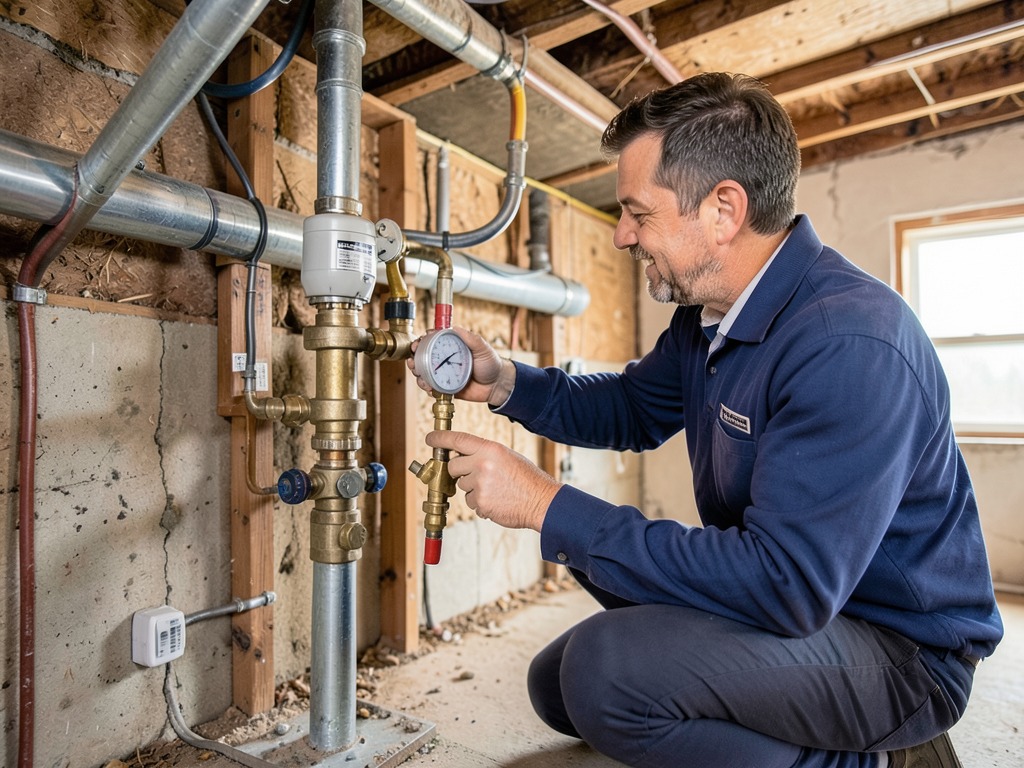
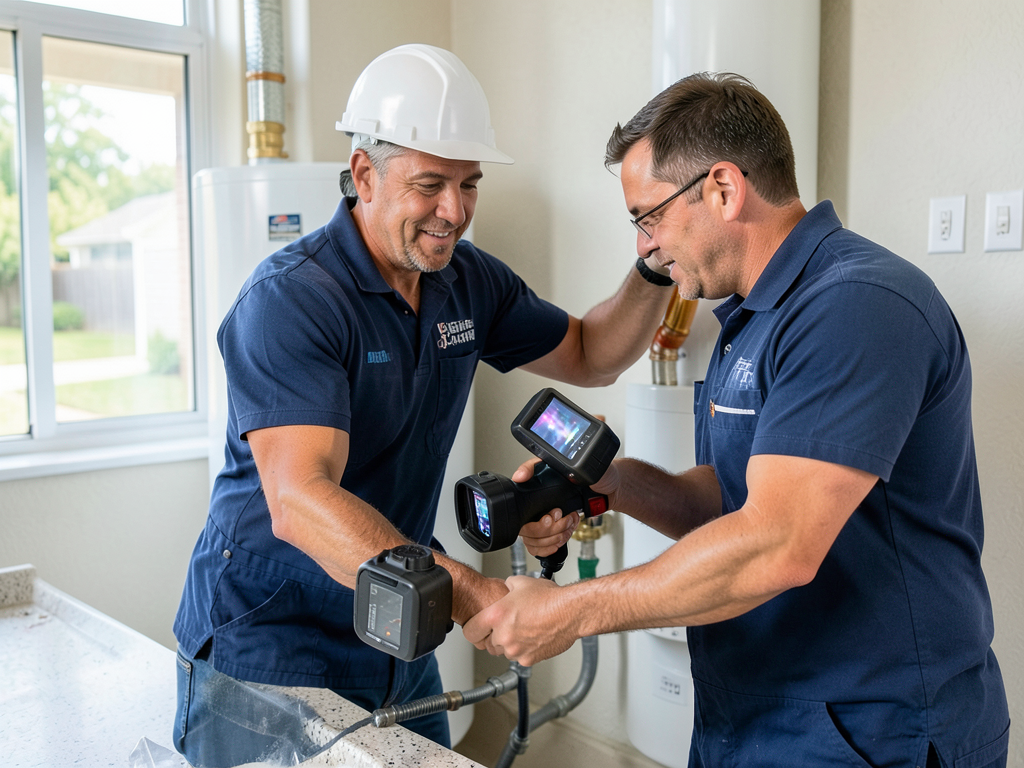
We inspect every fixture, test water pressure at multiple taps, and check your irrigation backflow preventer for leaks. Our technicians use acoustic leak detection equipment to scan slab lines and identify hidden leaks under concrete. You receive a written report that prioritizes repairs by water savings and return on investment. The audit takes 60 to 90 minutes depending on home size.
02

Targeted Fixture Upgrades

We replace high-flow fixtures with WaterSense-labeled toilets, showerheads, and faucet aerators. All products meet EPA performance standards and include manufacturer warranties. We install pressure-reducing valves if your home exceeds 60 PSI. For homes with older washing machines, we install shutoff valves with built-in leak detectors that close automatically if a supply hose bursts. Installation typically completes in one visit.
03

Ongoing Leak Monitoring

We provide guidance on how to read your water meter and spot consumption spikes that indicate leaks. You learn to check for running toilets, dripping faucets, and irrigation zone leaks. We offer annual re-inspections to verify fixture performance and catch slow leaks before they waste thousands of gallons. Clients who follow our water saving techniques see bill reductions within the first billing cycle.

Why All Pro Plumbing Austin Is Your Best Choice for Water Conservation

All Pro Plumbing Austin specializes in the plumbing challenges Central Texas presents. We know how Austin's hard water damages fixtures. We understand how flash droughts strain the aquifer. We work with homeowners who face Stage 2 restrictions every summer and need to cut consumption without changing their daily routines.

Our technicians install WaterSense products that meet EPA standards and perform in high-mineral water. We do not recommend cheap hardware that clogs in six months. Every toilet, showerhead, and faucet aerator we install is tested in Austin water conditions. You get fixtures that last.

We also understand Austin building codes. Homes built before 1992 may have galvanized supply lines that corrode from the inside. Pinhole leaks waste water and cause hidden damage. We inspect supply lines during every audit and recommend repiping when necessary. Upgrading to PEX or copper eliminates future leaks and improves water quality.

Local expertise matters when you are trying to reduce water consumption. Austin Water offers rebates for WaterSense toilet installations and irrigation controller upgrades. We help you navigate the rebate process and submit the paperwork. You get credit for conservation improvements instead of leaving money on the table.

All Pro Plumbing Austin serves every neighborhood in the metro area. We work in Hyde Park bungalows with original plumbing, Mueller homes with modern fixtures, and West Lake Hills estates with complex irrigation systems. We have seen every plumbing configuration Austin offers, and we know how to optimize water use in each one.

You also get transparent communication. We explain what each upgrade will save in gallons and dollars. We prioritize repairs that deliver the fastest payback. You make informed decisions based on real data, not sales pressure.

What to Expect When You Schedule a Water Conservation Audit

Same-Week Scheduling

We schedule water audits within three to five business days. Most appointments take 60 to 90 minutes depending on your home's size and plumbing complexity. You receive a written report the same day that lists every recommended upgrade and the expected water savings. Emergency leak detection is available within 24 hours if you notice a sudden spike in your water bill or hear running water when all fixtures are off.

Comprehensive Leak Detection

Our technicians test every toilet for flapper leaks using dye tablets. We inspect faucet aerators for clogging and verify flow rates with calibrated gauges. We use acoustic equipment to scan slab lines for underground leaks that waste water without visible symptoms. You learn exactly where your home is wasting water and how much each leak costs per month. The inspection covers indoor fixtures, outdoor hose bibs, and irrigation backflow preventers.

Measurable Water Savings

Every fixture we install is WaterSense-certified and tested after installation to verify performance. You receive documentation showing the before-and-after flow rates for each upgrade. Clients typically see a 20 to 30 percent reduction in water consumption within the first billing cycle. We provide meter-reading instructions so you can track your savings month over month. The ROI on fixture upgrades is usually 12 to 24 months depending on household size and usage patterns.

Ongoing Support and Education

We teach you how to maintain your new fixtures and spot early signs of leaks. You learn to test toilets with food coloring, check faucet aerators for clogging, and read your water meter to catch hidden leaks. We offer annual re-inspections to verify that fixtures are performing as designed and to catch wear before it turns into waste. All installed fixtures include manufacturer warranties, and we handle any warranty claims on your behalf.

Frequently Asked Questions

You Have Questions,
We Have Answers

What are the 10 ways to conserve water? +

Fix leaky faucets and toilets immediately to stop water waste. Install low-flow showerheads and aerators on taps. Run dishwashers and washing machines only with full loads. Water your lawn early morning or evening to reduce evaporation, especially during Austin's hot summers. Choose drought-tolerant native Texas plants for landscaping. Collect rainwater in barrels for outdoor use. Take shorter showers, aiming for five minutes or less. Turn off the tap while brushing teeth or washing dishes. Upgrade to high-efficiency toilets that use 1.28 gallons per flush. Mulch around plants to retain soil moisture during Central Texas heat waves.

What are the 5 R's of water conservation? +

The five R's of water conservation are Reduce, Reuse, Recycle, Restore, and Respect. Reduce your water consumption by fixing leaks and shortening showers. Reuse greywater from sinks or showers for landscaping where local Austin codes permit. Recycle water through rainwater harvesting systems, which work well in Central Texas rainfall patterns. Restore natural water systems by protecting local watersheds like Lady Bird Lake and Barton Creek. Respect water as a limited resource, especially important during drought stages declared by the City of Austin. These principles help residents manage water responsibly in our semi-arid climate.

What are 5 methods of water conservation? +

Five effective methods include rainwater harvesting, which captures roof runoff for irrigation use. Install smart irrigation controllers that adjust watering schedules based on weather and soil moisture, perfect for Austin's variable rainfall. Retrofit plumbing fixtures with WaterSense-certified models that meet EPA efficiency standards. Practice xeriscaping by replacing turf grass with native Texas plants like buffalo grass or Texas sage. Implement greywater systems to reuse water from washing machines or showers for outdoor irrigation. These methods reduce strain on Austin's water supply, which relies heavily on the Highland Lakes system during drought periods.

What are 20 ways to save water? +

Run full loads in dishwashers and washing machines. Fix dripping faucets and running toilets. Install low-flow showerheads. Take shorter showers. Turn off water while brushing teeth. Water lawns early morning. Use mulch around plants. Choose native drought-resistant plants. Install rain sensors on sprinkler systems. Collect rainwater for gardens. Sweep driveways instead of hosing. Wash cars with buckets. Check for hidden leaks monthly. Upgrade to efficient toilets. Use dishwashers instead of handwashing. Thaw food in the refrigerator, not under running water. Insulate hot water pipes. Adjust sprinklers to avoid watering pavement. Teach children about conservation. Monitor your Austin Water bill for usage spikes.

What are 50 ways to save water? +

The principles from twenty ways extend further when you consider variations in each category. Start with indoor fixes like aerators, toilet tank displacement, and checking flapper valves. Expand outdoor practices by adjusting mower height to shade roots, using drip irrigation zones, and timing watering for specific plant needs. In Austin's landscape, focus on reducing St. Augustine grass coverage, which drinks heavily during summer. Group plants by water needs. Use soil moisture sensors. Install pressure-reducing valves. Capture air conditioner condensate. Wash pets outdoors on grass. Compost to improve soil retention. The goal is building multiple small habits that compound into major savings across your property.

What are 8 ways to conserve water? +

Eight practical ways include fixing all leaks within 24 hours, installing WaterSense-labeled fixtures throughout your home, and watering landscapes before 10 a.m. during Austin's hot season. Run only full dishwasher and laundry loads. Replace old toilets using 3.5 gallons per flush with modern 1.28-gallon models. Collect shower warm-up water in buckets for plants. Use a broom instead of a hose for cleaning driveways and patios. Choose native Texas plants that thrive in our climate without supplemental watering once established. These steps work well with Austin Water's conservation rebate programs for qualifying upgrades.

How do you write 10 lines to conserve water? +

Water sustains all life and requires careful use. Austin residents should fix leaks immediately to prevent waste. Install efficient fixtures that reduce consumption without sacrificing performance. Water outdoor plants during cooler morning hours when evaporation rates drop. Choose native Texas plants adapted to our climate. Collect rainwater for irrigation during drier months. Turn off taps when not actively using water. Run appliances only with full loads. Check your water meter regularly for hidden leaks. Support local watershed protection efforts that safeguard our Colorado River supply. These actions protect Austin's water future while lowering utility bills for your household.

What is the meaning of water đź’¦? +

The water droplet emoji represents water in digital communication. It symbolizes hydration, rain, tears, or liquid in general contexts. In conservation discussions, it often highlights water-related topics or environmental messages. For Austin residents, water represents a precious resource requiring careful management. Our supply depends on the Highland Lakes and Edwards Aquifer, both vulnerable to drought. The symbol reminds us that every drop counts, especially during summer peak demand when Lake Travis and Lake Buchanan levels fluctuate. Understanding water's value helps drive conservation behavior. The emoji serves as a simple visual cue in texts and social posts about water issues.

What are five ways of conserving water? +

Five key ways include fixing leaks promptly, which can waste thousands of gallons annually if ignored. Install low-flow showerheads that maintain pressure while cutting consumption by 40 percent. Water your Austin landscape before 10 a.m. or after 8 p.m. when evaporation rates decrease significantly. Replace water-hungry grass with native Texas plants like prairie verbena or Gregg's mistflower that need minimal irrigation after establishment. Collect rainwater in barrels positioned under downspouts for free irrigation water during dry spells. These methods align with Austin Water's tiered rate structure, helping you stay in lower usage brackets.

What are easy water conservation tips? +

Start by turning off water while brushing teeth or washing dishes, saving several gallons daily. Fix any dripping faucets or running toilets immediately. Take five-minute showers instead of baths. Water your yard only when needed, checking soil moisture first. In Austin's clay soil, watering deeply but infrequently encourages stronger root systems. Run dishwashers and washing machines with full loads only. Install inexpensive faucet aerators that reduce flow without losing pressure. Keep a pitcher of drinking water in the refrigerator instead of running taps until cold. These simple changes add up to significant savings on your water bill.

How Austin's Hard Water and Drought Cycles Make Water Conservation Critical

Austin's municipal water comes from the Colorado River and the Edwards Aquifer. Both sources have high mineral content. Calcium and magnesium deposits build up inside pipes, on fixture cartridges, and around valve seats. Faucet aerators clog. Showerheads lose flow restriction. Toilet flappers develop mineral crusts that prevent a tight seal. You waste water because hard water degrades the very fixtures designed to conserve it. Regular maintenance and timely replacement of worn components are essential water efficiency strategies in Central Texas.

All Pro Plumbing Austin has been helping homeowners reduce water consumption for years. We understand Austin Water's tiered billing structure and how watering restrictions affect landscaping. We work with clients during Stage 2 drought conditions when outdoor irrigation is limited to once per week. Our technicians know which fixtures perform best in high-mineral water and which products fail prematurely. Choosing a local plumber who understands Austin's unique water challenges ensures you get solutions that last.
Plumbing Services in The Austin Area

While we proudly serve the entire Austin area, you can easily locate our central operations or explore our service coverage on the map below. We are committed to reaching you promptly, wherever you are within our service region, ensuring timely and efficient plumbing solutions for both residential and commercial clients. Feel free to zoom in and out to visualize our extensive service areas and discover how close professional plumbing assistance truly is.

Address:
All Pro Plumbing Austin, 3800 North Lamar Boulevard Lamar Central, Austin, TX, 78756

Additional Services We Offer

Our news updates

Latest Articles & News from The Blogs

Planning the Plumbing for a New Master Suite Addition in Govalle Adding a master suite to your Govalle home requires…

Planning the Plumbing for a New Master Suite Addition in Govalle

Planning the Plumbing for a New Master Suite Addition in Govalle Adding a master suite to your Govalle home requires…

How to Stop That Loud Thumping Noise in Your St Edwards Home (Water Hammer Explained)

How to Stop That Loud Thumping Noise in Your St Edwards Home (Water Hammer Explained) Does your plumbing sound like…

Why Your Copperfield Yard Smells Like Sewage and What to Do About It

Why Your Copperfield Yard Smells Like Sewage and What to Do About It Your Copperfield yard should smell like fresh…

Contact Us

Call All Pro Plumbing Austin at (737) 316-0588 to schedule your water conservation audit. We identify leaks, recommend fixture upgrades, and help you implement water saving techniques that cut your bill by up to 30 percent.