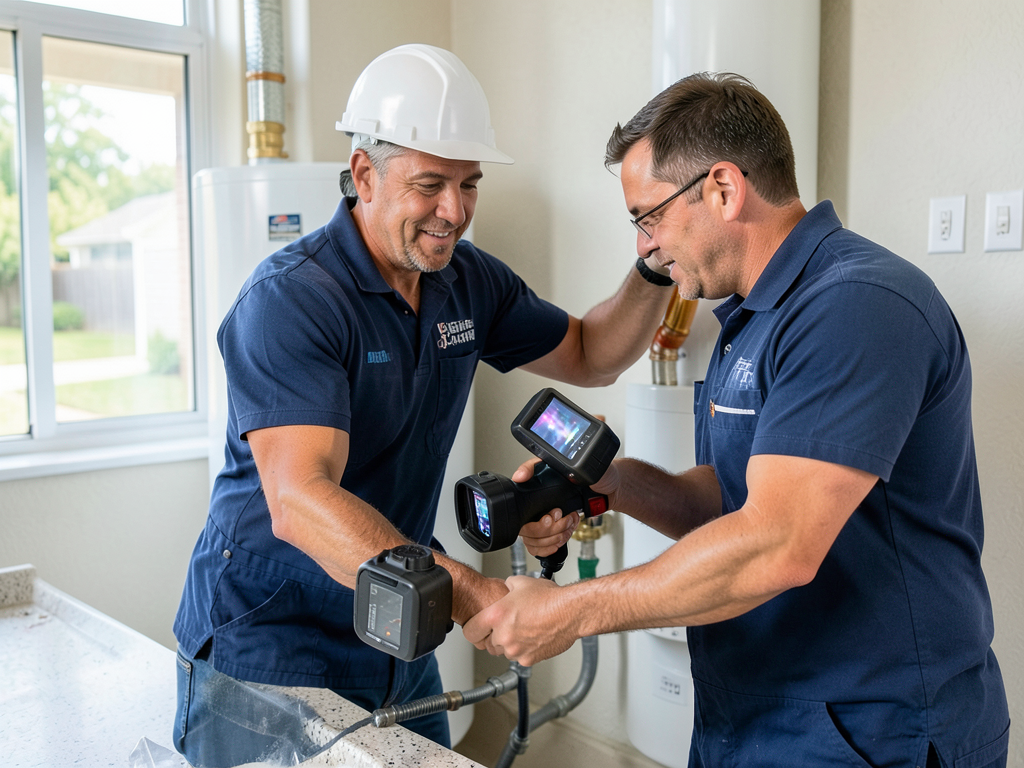
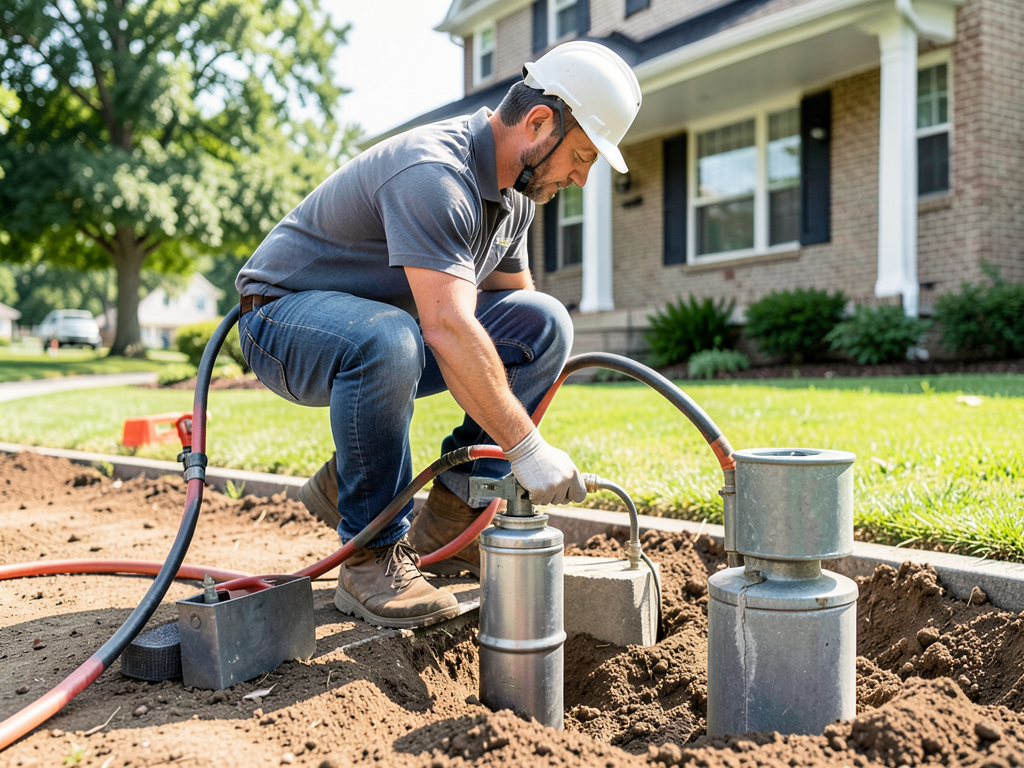
Live oaks and cedar elms dominate Austin's urban forest. These trees develop extensive lateral root systems that spread 30 to 50 feet from the trunk, searching for water and nutrients. When roots detect moisture leaking from a cracked sewer line, they infiltrate through joints and fractures, expanding as they grow until they completely obstruct flow. Austin's expansive clay soil compounds this problem. During dry summer months, the clay contracts and pulls away from pipe foundations. When heavy rains return, the soil swells and shifts, creating stress fractures in older cast iron and clay tile sewer lines. This seasonal cycle weakens pipes and creates entry points for aggressive root growth, making professional drain cleaning and sewer line inspection critical for long-term pipe health.
Homes in older Austin neighborhoods like Travis Heights, Tarrytown, and Rosedale were built before modern PVC sewer lines became standard. Many still rely on original cast iron or clay tile systems installed 50 to 70 years ago. These materials corrode and crack over time, especially in Austin's alkaline soil conditions. Local plumbers familiar with Austin's housing stock recognize the warning signs of aging infrastructure and adjust clearing techniques to prevent further damage during rooter service. Choosing a plumber who understands Austin's unique combination of soil movement, tree root pressure, and aging pipe materials means you get accurate diagnostics and appropriate solutions, not generic fixes that ignore the underlying structural issues common to this region.