Menu

Medical & Dental Gas Plumbing in Austin | Code-Compliant Systems That Keep Your Facility Operational

All Pro Plumbing Austin delivers NFPA 99-compliant medical gas pipeline services for hospitals, surgical centers, and dental practices across the Austin metro, minimizing downtime and ensuring patient safety through certified installation and testing.

Slider Image 1
Slider Image 2
Slider Image 3
Slider Image 4
Slider Image 5
Slider Image 7
Slider Image 8
Slider Image 9
Slider Image 10
Slider Image 11

Why Austin Healthcare Facilities Cannot Afford Medical Gas System Failures

Your medical or dental facility operates on a thin margin of error. A single disruption to your medical gas piping systems can halt procedures, endanger patients, and expose your practice to liability. In Austin, where the healthcare sector is expanding rapidly alongside tech growth, aging infrastructure in established facilities and new construction demands create a unique challenge. Older medical buildings near Seton and St. David's require system upgrades to meet current NFPA 99 standards, while new surgical centers in the Domain and Mueller developments need certified med gas installation services from the ground up.

Texas State Board of Plumbing Examiners requires specific certifications for anyone touching medical gas pipeline services. This is not standard plumbing. Oxygen, nitrous oxide, medical air, nitrogen, and vacuum systems each have precise pressure requirements, purging protocols, and cross-connection prevention standards. A single misconnection can introduce contamination into the breathing gas supply. A failed pressure test means your facility stays closed until the system passes re-inspection.

Austin's healthcare facilities face additional pressure from Joint Commission surveys and CMS compliance audits. Your medical gas piping systems must document brazing procedures, material certifications, and pressure decay testing. Dental gas piping for nitrous oxide delivery requires separate venting and scavenging systems to protect staff from chronic exposure. The technical requirements are non-negotiable, and the consequences of failure are immediate.

Why Austin Healthcare Facilities Cannot Afford Medical Gas System Failures
How Certified Med Gas Plumbers Execute NFPA 99-Compliant Installations

How Certified Med Gas Plumbers Execute NFPA 99-Compliant Installations

Medical gas pipeline services begin with system design that accounts for your facility's specific clinical needs. We calculate simultaneous demand factors based on the number of patient care stations, procedure rooms, and emergency backup requirements. Each gas type requires dedicated piping with specific materials: Type K or L copper for oxygen and medical air, brazed with silver-bearing alloys that prevent oxidation and contamination.

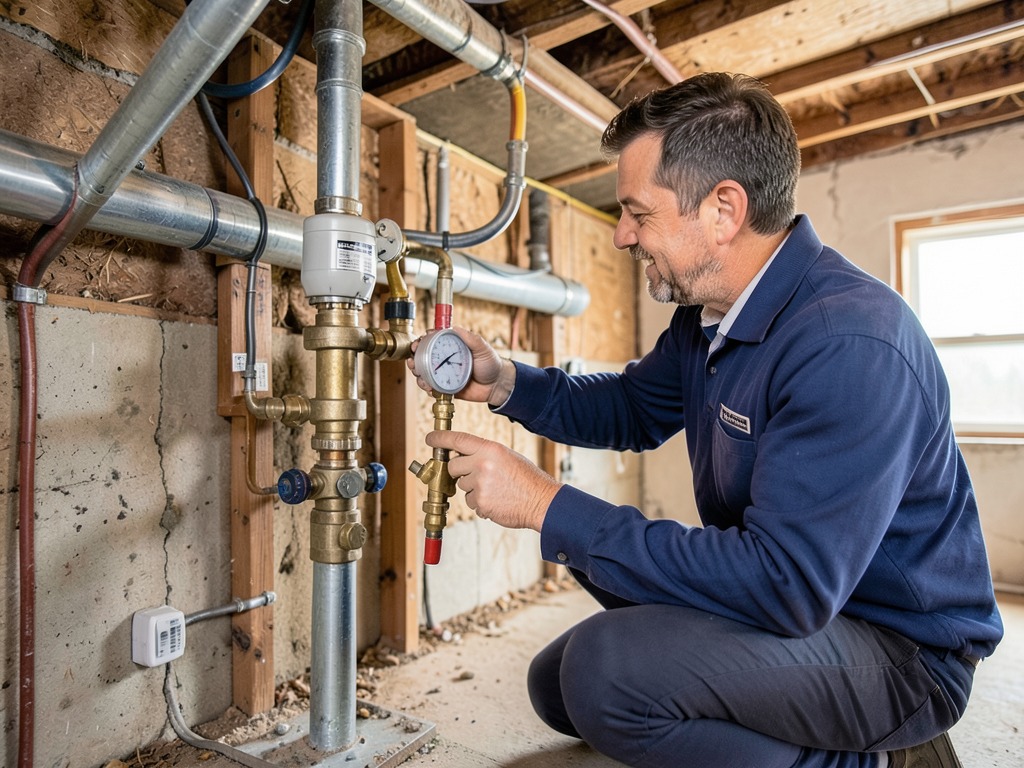
Our certified med gas plumbers install zone valves with proper identification and accessibility, ensuring staff can isolate sections during emergencies without shutting down the entire facility. We install master alarm panels that monitor pressure in each gas line, triggering visual and audible alerts when pressures drift outside acceptable ranges. These panels connect to your nurse stations and maintenance offices, providing real-time system status.

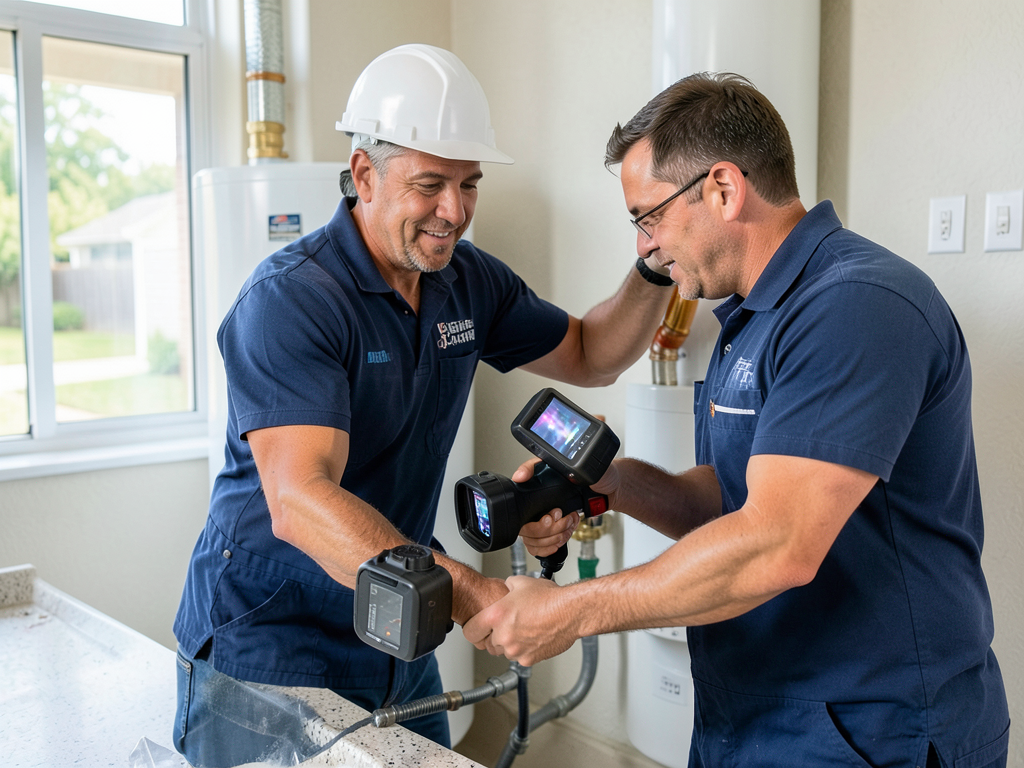
The testing phase separates compliant installations from dangerous ones. We perform standing pressure tests, holding each line at 150 psi for 24 hours to verify zero leakage. We conduct cross-connection testing using helium trace gas to confirm no mixing between oxygen and other gas lines. We purge each line with the service gas until outlet purity meets or exceeds 99.0 percent for oxygen systems. Every test result gets documented with calibrated instrument readings, material certifications, and brazier qualifications. This documentation becomes part of your facility's permanent compliance record.

All Pro Plumbing Austin holds the Texas Medical Gas Piping Installation Endorsement, which requires continuing education and practical examination. We do not subcontract this work. Your med gas installation services are performed by plumbers who understand the clinical consequences of system failure.

What Happens During Your Medical Gas System Installation

Medical & Dental Gas Plumbing in Austin | Code-Compliant Systems That Keep Your Facility Operational
01

Facility Assessment and Design

We walk your facility to identify gas outlet locations, determine routing paths that avoid electrical and data systems, and calculate pipe sizing based on simultaneous flow demands. You receive engineered drawings showing valve locations, alarm panel placement, and source equipment connections. We coordinate with your architect, general contractor, and infection control staff to schedule work that minimizes disruption to patient care areas and meets your occupancy timeline.
02

Installation and Brazing

Our certified med gas plumbers install piping using medical-grade copper, braze joints with BAg-7 silver alloy, and purge lines with nitrogen during brazing to prevent internal oxidation. We install color-coded outlet stations with gas-specific connection types to prevent misconnection. Zone valves get mounted at nurse stations with proper labeling. Master alarm panels are wired to monitor each gas type separately, providing individual pressure readings and reserve supply status for your bulk oxygen and nitrous systems.
03

Testing and Documentation

We perform NFPA 99 Level 1 verification testing including standing pressure tests, cross-connection tests, and purity analysis at each outlet. You receive a bound test package with instrument calibration certificates, brazier qualification cards, material certifications for all copper and fittings, and photographic documentation of each brazed joint. This package satisfies Joint Commission inspectors and provides your risk management team with proof of compliant installation. We coordinate final inspection with local authorities having jurisdiction before you connect source equipment.

Why Austin Medical Facilities Trust All Pro Plumbing for Med Gas Systems

Medical gas work sits at the intersection of plumbing code, medical device regulations, and life safety standards. Most plumbers do not carry the Texas Medical Gas Piping Installation Endorsement required to legally install these systems. All Pro Plumbing Austin maintains this credential through continuing education and recertification, ensuring our team stays current on NFPA 99 updates and CMS interpretive guidelines.

We understand Austin's building department requirements for medical gas permit applications. Travis County and City of Austin inspectors expect engineered drawings, hydraulic calculations, and material submittals before issuing permits. We handle this documentation, coordinate inspections, and maintain communication with your project stakeholders. Our familiarity with local inspection protocols prevents delays that can push back your facility opening date.

Austin's healthcare construction market presents unique challenges. Renovation projects in operating facilities require infection control risk assessments, temporary barriers, and negative pressure containment to prevent contamination of sterile areas. We coordinate with your infection preventionist to schedule work during low-census periods, stage materials outside patient care zones, and use HEPA-filtered vacuums during any cutting or grinding operations. Your patients and staff remain protected while we upgrade or expand your medical gas piping systems.

Our relationships with Austin-area medical equipment suppliers, compressed gas vendors, and testing laboratories streamline the installation process. We coordinate delivery of bulk oxygen tanks, schedule purity testing with accredited labs, and arrange for alarm panel integration with your building management system. You get a turnkey medical gas pipeline service that meets code, satisfies inspectors, and supports your clinical operations from day one.

What to Expect From Your Medical Gas System Project

Project Timeline and Scheduling

Medical gas installation timelines depend on system complexity and facility occupancy status. A single dental operatory addition takes three to five days including testing. A complete surgical center build-out requires four to six weeks for piping installation, pressure testing, and purity verification. We provide detailed schedules that coordinate with your general contractor's critical path and identify any long-lead items like custom alarm panels or specialized zone valves. Rush projects for facility expansions or emergency replacements receive priority scheduling with crews dedicated to your project until completion and final inspection approval.

Pre-Installation Planning and Coordination

Before any pipe gets installed, we conduct a coordination meeting with your facility manager, architect, and general contractor. We review architectural and mechanical drawings to identify conflicts with HVAC ductwork, electrical conduit, and structural elements. You receive submittal packages showing proposed equipment, piping routes, and valve locations for your review and approval. We identify any areas requiring temporary barriers or infection control measures. This planning phase prevents mid-project surprises that delay completion. Your approval of shop drawings triggers material procurement and crew scheduling, locking in your project start date.

System Performance and Reliability

Your completed medical gas piping system delivers consistent pressure and purity at every outlet. Oxygen outlets maintain 50 to 55 psi regardless of simultaneous demand from multiple patient rooms. Nitrous oxide systems for dental gas piping include scavenging connections that protect staff from chronic exposure. Vacuum systems pull 12 to 18 inches of mercury for effective suctioning during procedures. Master alarm panels provide continuous monitoring with battery backup, ensuring you receive immediate notification of any pressure deviation, reserve supply depletion, or system fault. Your system meets NFPA 99 Category 1 requirements for critical care applications.

Maintenance and Compliance Support

NFPA 99 requires annual testing of medical gas pipeline services including alarm function verification and outlet pressure checks. We provide maintenance agreements that schedule these inspections, document results, and maintain your compliance records for Joint Commission surveys. If your facility adds patient care areas or converts existing space to clinical use, we design and install gas system extensions that integrate with your existing infrastructure without disrupting active clinical areas. Emergency service for gas system failures receives immediate dispatch. We maintain stock of critical components like zone valves, outlet stations, and alarm panel modules to minimize downtime during repairs.

Frequently Asked Questions

You Have Questions,
We Have Answers

What is medical gas plumbing? +

Medical gas plumbing is the specialized installation and maintenance of piping systems that deliver life-sustaining gases in healthcare facilities. These systems transport oxygen, nitrous oxide, nitrogen, and medical air to patient care areas through dedicated copper or stainless steel pipelines. The work requires strict adherence to NFPA 99 standards and state-specific codes. In Austin, medical gas systems must comply with Texas Department of State Health Services regulations and undergo rigorous pressure testing and certification. Only licensed contractors with medical gas certifications can install or modify these systems. Proper installation prevents contamination, ensures reliable pressure, and protects patient safety in hospitals, clinics, and dental offices.

What are the 5 classes of medical gas piping? +

The five classes of medical gas piping are Category 1 through Category 4, plus support gas systems. Category 1 delivers life-support gases like oxygen and medical air directly to patient care areas. Category 2 handles nitrous oxide and carbon dioxide for surgical and diagnostic use. Category 3 includes vacuum systems for suctioning and waste anesthetic gas disposal. Category 4 covers instrument air for powering pneumatic surgical tools. Support gas systems provide nitrogen for equipment calibration and maintenance. Each category has distinct pressure requirements, testing protocols, and material specifications under NFPA 99. Austin healthcare facilities must maintain separate documentation for each category during inspections and commissioning.

What type of pipe is used for medical gas? +

Medical gas systems use Type K or Type L copper tubing with brazed connections. The copper must be cleaned, degreased, and capped during installation to prevent contamination. Stainless steel tubing is an alternative for specific applications. All materials must meet ASTM B819 standards for medical gas purity. Brazing requires silver-based alloys without flux that could introduce particles. In Austin, contractors must verify material certifications before installation and document lot numbers for traceability. Threaded connections are prohibited in medical gas lines due to contamination risk. The piping must withstand pressure testing at 150 percent of working pressure for 24 hours before commissioning.

What is gas plumbing called? +

Gas plumbing is called fuel gas piping or natural gas distribution when referring to combustible gases for heating and cooking. Medical gas plumbing refers specifically to therapeutic and diagnostic gases in healthcare. Process piping covers industrial gas systems in manufacturing facilities. The terms are not interchangeable because each discipline has different codes, materials, and safety requirements. Natural gas work follows the International Fuel Gas Code, while medical gas follows NFPA 99. In Austin, contractors need separate qualifications for each discipline. Medical gas plumbers require ASSE 6010 or equivalent certification. Fuel gas technicians need different training focused on combustion safety and leak detection.

What is the highest paid type of plumber? +

Medical gas plumbers typically earn the highest pay among plumbing specializations due to certification requirements, liability, and specialized knowledge. These contractors must complete ASSE 6010 medical gas installer training, maintain continuing education, and carry specialized insurance. The work demands precise brazing skills, understanding of complex healthcare codes, and ability to work in occupied medical facilities with minimal disruption. In Austin, medical gas contractors command premium rates because hospitals and surgical centers cannot operate without certified systems. The specialization limits competition, and facilities pay for expertise that ensures patient safety and regulatory compliance. Industrial process piping specialists also earn comparable rates.

What is an example of a medical gas? +

Oxygen is the most common medical gas, used for respiratory support in operating rooms, emergency departments, and patient rooms. Medical air provides breathing gas free from oil and particulates. Nitrous oxide serves as an anesthetic in dental offices and surgical suites. Nitrogen powers pneumatic surgical instruments and preserves tissue samples. Carbon dioxide is used in laparoscopic procedures. Each gas requires dedicated piping with color-coded valves and specific outlet connections to prevent cross-contamination. Austin healthcare facilities must maintain separate supply systems with backup sources for critical gases. All medical gases must meet USP purity standards and undergo regular testing for moisture, particulates, and contaminants.

What is a Category 4 medical gas? +

Category 4 medical gases are non-life-support gases used for instrument operation and laboratory functions. This category includes instrument air that powers surgical tools, nitrogen for equipment calibration, and carbon dioxide for specific procedures. Unlike Category 1 life-support systems, Category 4 failures do not immediately threaten patient survival but still require reliable operation. These systems use lower-grade materials and have less stringent testing requirements than oxygen or medical air. In Austin medical facilities, Category 4 systems still require proper documentation, pressure regulation, and isolation valves. The piping must be clearly labeled and separated from life-support gases to prevent confusion during maintenance or emergencies.

What are the 4 types of pipes? +

The four primary pipe materials in commercial plumbing are copper, PVC, CPVC, and PEX. Copper offers durability and heat resistance for water supply and medical gas. PVC handles drain, waste, and vent applications in non-pressurized systems. CPVC withstands higher temperatures for hot water distribution. PEX provides flexible water supply piping with fewer connections. In Austin commercial buildings, material selection depends on application, code requirements, and building type. Medical facilities require copper for gas systems. Office buildings may use PEX for water distribution. Cast iron and galvanized steel appear in older buildings but are less common in new construction due to cost and installation complexity.

Can schedule 40 PVC be used for gas? +

No, Schedule 40 PVC cannot be used for gas piping. PVC is prohibited for combustible gas distribution because it melts at low temperatures, lacks mechanical strength for gas pressure, and releases toxic fumes when burned. Natural gas and propane require metal piping like black steel, corrugated stainless steel tubing, or approved PE pipe for underground burial. Austin building codes strictly enforce this prohibition. Medical gas systems also prohibit PVC due to contamination risk and inability to meet NFPA 99 standards. PVC is limited to drain, waste, vent systems, and cold water distribution. Contractors face serious liability using PVC for gas applications.

Which type of pipe cannot be used for a gas? +

Galvanized steel pipe cannot be used for medical gas systems because the zinc coating flakes internally, contaminating therapeutic gases and creating particulates that reach patient airways. PVC, CPVC, and PEX are also prohibited due to permeability, contamination risk, and inability to withstand brazing temperatures. Threaded copper connections are forbidden because thread sealants introduce contaminants. In Austin medical facilities, only annealed Type K or Type L copper with brazed joints or welded stainless steel meets NFPA 99 requirements. Cast iron and galvanized pipe remain acceptable for drain systems but never for gas distribution. Material substitutions require engineering approval and documentation for Texas health inspectors.

Why Austin's Healthcare Growth Demands Specialized Med Gas Expertise

Austin's population growth drives healthcare facility expansion across the metro area. New hospitals in Cedar Park and Round Rock, surgical centers in the Domain, and specialty clinics throughout Central Austin all require certified medical gas piping systems. The City of Austin and Travis County enforce strict permit requirements for med gas installation services, requiring engineered drawings and third-party testing verification before issuing certificates of occupancy. Facilities converting office space to clinical use in areas like Mueller face additional scrutiny during plan review. Our knowledge of local permitting processes and relationships with building inspectors prevent delays that can cost your facility thousands in extended lease payments or lost revenue.

All Pro Plumbing Austin has installed medical gas pipeline services in facilities throughout the greater Austin metro. We understand the local healthcare market's expectations for quality and compliance. Our certification credentials satisfy credentialing requirements when your facility undergoes Joint Commission or CMS surveys. When inspectors request documentation, you have complete test records with calibrated instrument certifications and material traceability. Choosing certified med gas plumbers familiar with Austin's healthcare construction standards protects your facility from compliance failures that can result in survey deficiencies, delayed openings, or mandatory system replacements at your expense.
Plumbing Services in The Austin Area

While we proudly serve the entire Austin area, you can easily locate our central operations or explore our service coverage on the map below. We are committed to reaching you promptly, wherever you are within our service region, ensuring timely and efficient plumbing solutions for both residential and commercial clients. Feel free to zoom in and out to visualize our extensive service areas and discover how close professional plumbing assistance truly is.

Address:
All Pro Plumbing Austin, 3800 North Lamar Boulevard Lamar Central, Austin, TX, 78756

Additional Services We Offer

Our news updates

Latest Articles & News from The Blogs

Planning the Plumbing for a New Master Suite Addition in Govalle Adding a master suite to your Govalle home requires…

Planning the Plumbing for a New Master Suite Addition in Govalle

Planning the Plumbing for a New Master Suite Addition in Govalle Adding a master suite to your Govalle home requires…

How to Stop That Loud Thumping Noise in Your St Edwards Home (Water Hammer Explained)

How to Stop That Loud Thumping Noise in Your St Edwards Home (Water Hammer Explained) Does your plumbing sound like…

Why Your Copperfield Yard Smells Like Sewage and What to Do About It

Why Your Copperfield Yard Smells Like Sewage and What to Do About It Your Copperfield yard should smell like fresh…

Contact Us

Your facility's medical gas systems cannot wait. Contact All Pro Plumbing Austin at (737) 316-0588 for certified med gas installation services that meet NFPA 99 standards and keep your facility operational.