
Do You Need a Sump Pump or a French Drain to Stop Shady Hollow Yard Flooding?
Your Shady Hollow yard turns into a swamp every time it rains and you’re not sure what to do next. Standing water kills grass, attracts mosquitoes, and threatens your home’s foundation. You need a drainage solution that works with Austin’s heavy clay soil and unpredictable storms. Professional Drain Cleaning Services to Clear Stubborn Clogs in South Congress Apartments.
The choice between a sump pump and French drain depends on where water collects and how your property handles runoff. A French drain moves water passively through gravel and pipes. A sump pump actively pumps water out when levels get too high. Both stop flooding but work best in different situations. Water Heater Maintenance Tips.
Shady Hollow homes face unique challenges. The area sits in Flash Flood Alley where sudden storms dump inches of rain in hours. Austin’s Blackland Prairie clay soil absorbs water slowly, creating surface pooling that takes days to drain. Your solution needs to handle both the volume and the stubborn soil.
Understanding the Core Differences
Before choosing a system, you need to know how each one works and what problems they solve best.. Read more about What to Know Before Installing a Sewage Ejector Pump in Your Cat Mountain Basement.
| Feature | French Drain | Sump Pump |
|---|---|---|
| Power Required | None | Electricity |
| Water Movement | Gravity | Mechanical |
| Best For | Soggy lawns | Crawlspaces/basements |
| Maintenance | Occasional cleaning | Annual inspection |
| Initial Cost | $1,500-$4,000 | $1,200-$3,500 |
The French Drain: The Passive Solution for Soggy Lawns
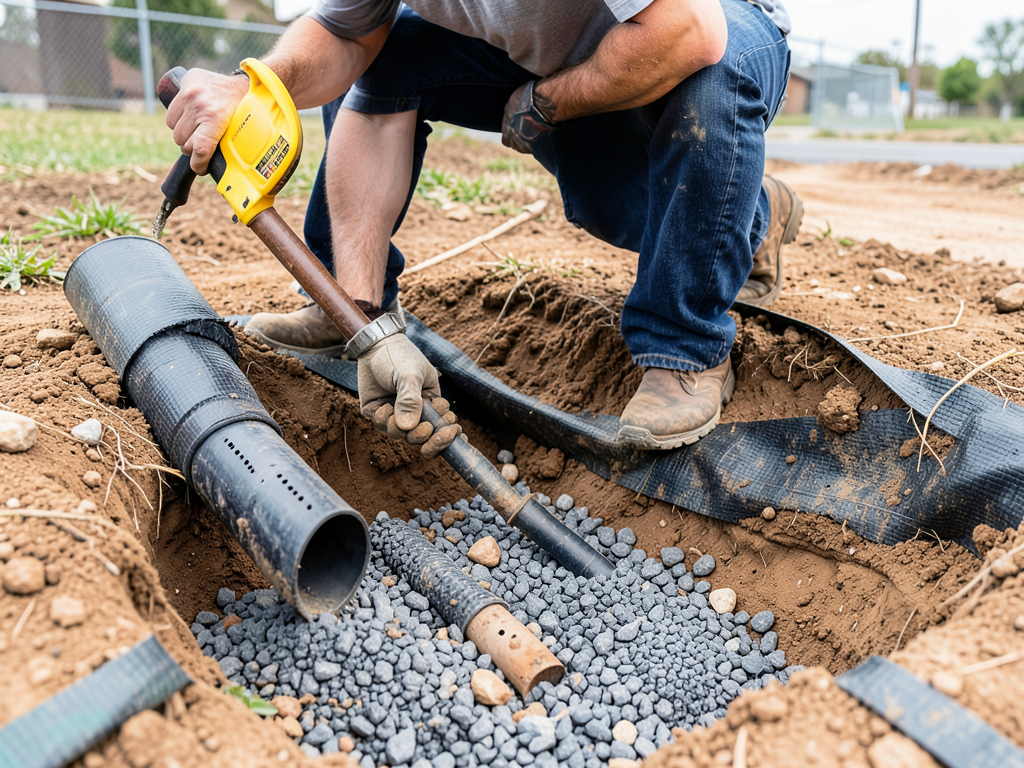
A French drain works like a hidden gutter system under your yard. Perforated pipes sit in gravel trenches that catch and redirect water away from problem areas. The system relies on gravity and proper grading to move water to a safe discharge point.
Installation starts with digging a trench 18-24 inches deep along the natural slope of your yard. You line the trench with geotextile fabric to prevent soil from clogging the system. Then you add 3-4 inches of washed gravel, lay the perforated pipe, and cover it with more gravel before replacing the soil and grass.
In Shady Hollow, French drains face specific challenges. Austin’s clay soil packs tightly around pipes, reducing drainage speed. The soil’s high plasticity means it expands when wet and shrinks when dry, creating gaps that let soil particles enter the pipe. You need to use filter fabric and clean gravel to protect the system. City of Austin Watershed Protection Department.
The discharge point matters in Austin. City code prohibits draining onto sidewalks or streets during heavy rain. Your French drain needs to empty into a dry well, rain garden, or approved drainage easement. Many Shady Hollow homes connect to the neighborhood’s storm drainage system, but you need a permit for that connection.
The Sump Pump: Active Protection for Texas Crawlspaces and Basements
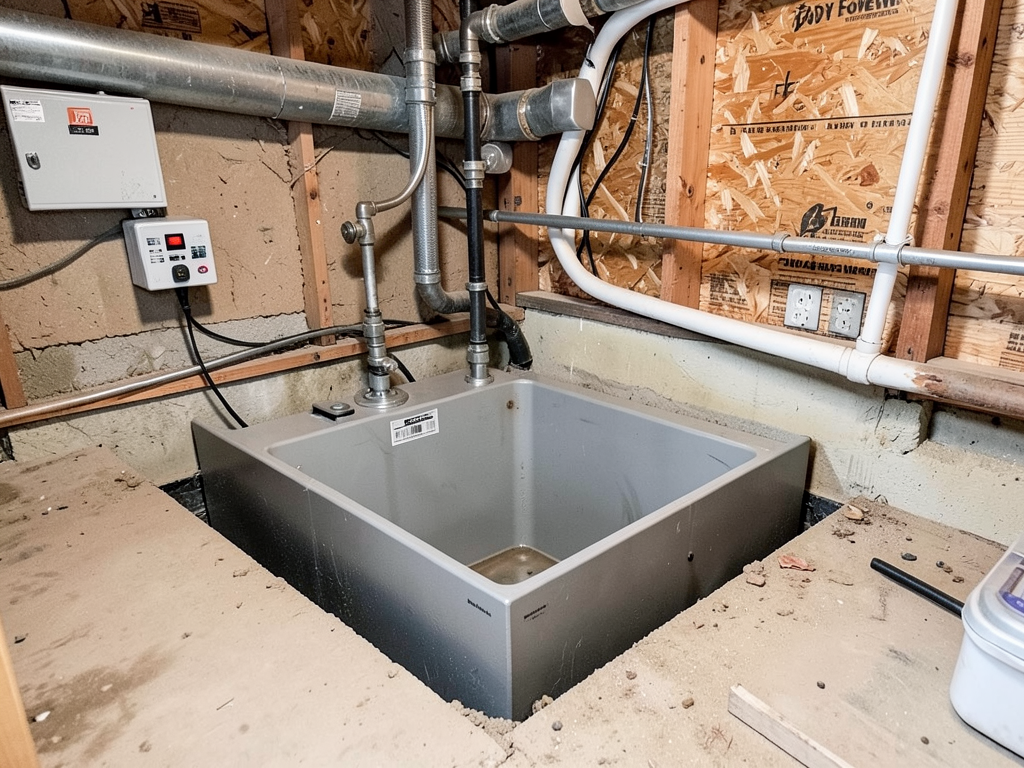
A sump pump sits in a pit or basin below your home’s lowest point. When groundwater rises, it fills the basin and activates the pump through a float switch. The pump pushes water through a discharge pipe to the yard or storm drain.
Installation requires cutting through your foundation to create the basin. The basin needs to be at least 18 inches deep and 24 inches wide to handle water volume during storms. You line it with gravel and place the pump on a solid base to prevent sediment intake.
Shady Hollow homes rarely have basements due to Austin’s expansive clay soil and high water table. Most sump pumps here protect crawlspaces from groundwater intrusion. The pumps prevent moisture damage to floor joists and insulation while stopping mold growth.
Power outages during storms make battery backups essential. Austin’s summer thunderstorms often knock out electricity for hours. A battery backup keeps your pump running until power returns. You should also install a water alarm that alerts you when the pump fails or the basin fills too quickly.
Austin Specific Considerations: Soil and Weather
Flash Flood Alley earns its name. Central Texas receives 34 inches of rain annually, but 40% falls in intense bursts during May and September. These storms overwhelm natural drainage and test any man-made system. Dealing with Central Texas Hard Water – The Best Water Softener Systems for Steiner Ranch Homes.
Austin’s Blackland Prairie clay creates unique drainage problems. The soil contains montmorillonite clay that expands up to 15% when saturated. This expansion seals surface pores, preventing water from soaking in. Instead, water sheets across the surface until it finds a low point.
The clay also affects French drain longevity. Fine clay particles migrate into gravel beds over 5-7 years, reducing drainage capacity by 50%. You need to flush your French drain annually and replace the top gravel layer every few years to maintain performance.
Foundation movement compounds drainage issues. Austin’s soil shrinks and swells with moisture changes, creating cracks that let water seep toward your home. A French drain along the foundation footer prevents this lateral water movement while protecting against soil expansion pressure.
Cost Comparison in Central Texas
French drain installation costs vary based on trench length and soil conditions. In Shady Hollow’s clay soil, digging takes longer than in sandy areas. Expect to pay $20-$30 per linear foot for basic installation. A 100-foot system around a typical home costs $2,000-$3,000.
Sump pump systems have different cost factors. The pump itself costs $150-$400 depending on horsepower and features. Professional installation adds $500-$1,500 for excavation, electrical work, and discharge piping. Battery backup systems add $300-$600 to the total.
Permit costs affect your budget. Austin requires drainage permits for systems connecting to public storm sewers. Fees range from $75-$300 based on project scope. French drains discharging to dry wells usually don’t need permits, but check with Travis County first.
Maintenance costs differ significantly. French drains need annual cleaning at $150-$300. Sump pumps require yearly inspection at $100-$200 plus occasional float switch or impeller replacement at $50-$150.
Can You Combine Both Systems?
Hybrid systems solve complex drainage problems. A French drain can collect surface water and direct it to a sump basin. The sump pump then handles the concentrated flow, preventing the French drain from backing up during heavy storms.
This combination works well for Shady Hollow homes with both yard flooding and crawlspace moisture. The French drain handles lawn drainage while the sump pump protects the home’s foundation. You get comprehensive protection without oversizing either system.
Installation sequence matters. Install the French drain first to establish drainage patterns. Then locate the sump basin where water naturally collects. Connect the systems with solid pipe that won’t clog like perforated pipe would.
Control systems add sophistication. Smart controllers monitor water levels and activate pumps only when needed. They send alerts to your phone if water rises too quickly or if the pump fails. These systems cost $200-$500 but prevent flood damage during overnight storms.
Choosing the Right System for Your Shady Hollow Home
Start with a drainage assessment. Walk your property during or right after rain. Note where water pools, how long it stays, and whether it flows toward your home. Check your crawlspace for moisture or standing water.
French drains solve these problems:
- Surface water pooling in your yard
- Water flowing toward your foundation
- Muddy areas that never dry
- Downhill water entering your property
Sump pumps solve these problems:
- Crawlspace moisture or standing water
- High water table affecting your foundation
- Water seeping through basement walls
- Seasonal flooding in low areas
Consider your property’s slope. French drains need at least a 1% grade (1 foot drop per 100 feet) to work. If your yard is flat, you’ll need a sump pump to lift water to a safe discharge point.
Think about maintenance commitment. French drains need occasional cleaning but no power. Sump pumps require electricity and annual service but work automatically. Your choice depends on whether you prefer passive reliability or active protection.
Installation Best Practices for Austin Conditions
Soil preparation prevents future failures. In Austin’s clay soil, dig French drain trenches 6 inches wider than the pipe. This extra space allows for gravel backfill that won’t compact as tightly as the surrounding clay. EPA Stormwater Management Resources.
Pipe selection matters in clay soil. Use rigid PVC with holes drilled facing downward. Flexible corrugated pipe collapses under clay pressure and clogs faster. The holes facing down prevent soil from falling directly into the pipe.
Discharge location requires planning. Austin code prohibits draining onto public property or neighboring land. Your discharge needs to be at least 10 feet from your foundation and directed away from your home. Many Shady Hollow homes use pop-up emitters that only open when water flows through them.
Freeze protection applies to sump pumps. Austin’s occasional freezes can burst discharge pipes. Install a check valve to prevent backflow and insulate exposed pipes. Slope discharge pipes to prevent standing water from freezing.
Maintenance Requirements for Austin’s Silt-Heavy Runoff
French drains clog from Austin’s silt-laden runoff. Spring storms wash fine particles into the system. Clean your French drain every 12-18 months by flushing it with a garden hose. Watch for reduced drainage speed as a clog warning sign.
Sump pumps need different maintenance. Test the float switch monthly by pouring water into the basin. Clean the inlet screen quarterly to prevent debris from entering the pump. Check the discharge pipe for clogs or leaks twice yearly.
Battery backup systems require attention. Test backup batteries every six months and replace them every 3-5 years. Keep spare batteries on hand for storm season. Clean battery terminals to prevent corrosion that could disable the backup during an outage.
Watch for warning signs. French drains that drain slowly or create soggy areas nearby need cleaning. Sump pumps that run continuously or make unusual noises need inspection. Address these issues before heavy rains hit.
City of Austin Discharge Regulations
Austin’s drainage code affects your installation choices. The City of Austin Watershed Protection Department requires permits for drainage systems affecting more than 1,000 square feet of impervious surface. French drains usually qualify for exemption, but sump pumps with street discharge need permits.
Discharge restrictions protect neighbors and public infrastructure. You cannot drain onto sidewalks, streets, or neighboring properties. Water must flow across your property to a natural drainage way or approved storm sewer connection. Violations can result in $500-$2,000 fines.
Environmental considerations apply. Discharging to rain gardens or dry wells reduces stormwater runoff and helps recharge groundwater. These systems qualify for Austin Water’s rainwater harvesting rebate program, which can offset 50% of installation costs up to $5,000.
Professional installation ensures compliance. Licensed plumbers know local codes and can obtain necessary permits. DIY installations risk code violations that could require costly corrections or prevent home sales.
Impact on Home Resale Value in the Austin Market
Proper drainage systems increase home value in Austin’s wet climate. Buyers pay premiums for homes without water problems. A French drain that prevents foundation damage can add $5,000-$15,000 to your home’s value.
Disclosure requirements affect sales. Texas law requires sellers to disclose known drainage problems. Homes with documented drainage solutions sell faster and at higher prices than those with water issues or unknown conditions.
Insurance considerations matter. Homes with proper drainage systems often qualify for lower flood insurance premiums. Some insurers offer discounts for sump pumps with battery backups, recognizing their flood prevention value.
Neighborhood drainage patterns influence system effectiveness. Shady Hollow’s older sections have established drainage patterns that newer systems must work with. Understanding these patterns helps you design a system that works with, not against, natural water flow.
Frequently Asked Questions
How do I know if I need a sump pump or French drain?
Watch where water collects on your property. Surface pooling in your yard indicates a French drain need. Water in your crawlspace or basement means you need a sump pump. Many homes need both systems for complete protection.
How long do French drains last in Austin clay soil?
French drains in Austin’s clay soil typically last 7-10 years before needing major maintenance. The clay particles migrate into the gravel over time, reducing drainage capacity. Annual cleaning and occasional gravel replacement extend system life.
Can I install a French drain myself?
You can install basic French drains yourself, but professional installation ensures proper slope, soil preparation, and code compliance. DIY installations often fail due to improper grading or using incorrect materials for Austin’s clay soil conditions.
What size sump pump do I need for my Shady Hollow home?
Most Shady Hollow homes need 1/3 to 1/2 horsepower sump pumps. Calculate based on your crawlspace size and local water table. Homes in low areas or near Williamson Creek may need 3/4 horsepower pumps for adequate protection.
How much does French drain installation cost in Shady Hollow?
French drain installation in Shady Hollow costs $20-$30 per linear foot, with most homeowners spending $2,000-$4,000 total. Costs vary based on soil conditions, trench length, and whether you need permits for storm sewer connections.
Do I need a permit for a sump pump in Austin?
You need an electrical permit for sump pump installation. If you discharge to the street or storm sewer, you also need a drainage permit from Austin’s Watershed Protection Department. French drains usually don’t require permits unless they connect to public systems.
How often should I maintain my drainage system?
French drains need annual cleaning and inspection. Sump pumps require quarterly testing and annual professional inspection. Battery backups need testing every six months and replacement every 3-5 years. Schedule maintenance before storm season each spring.
Can French drains freeze in Austin winters?
Austin’s occasional freezes can affect French drains, but proper installation prevents freezing. Use perforated pipes with holes facing down and maintain proper slope. Bury pipes below the frost line (typically 12 inches in Austin) to prevent freezing.
What’s the best discharge location for my drainage system?
Discharge at least 10 feet from your foundation and direct water away from your home. Use pop-up emitters or dry wells to prevent erosion. Never discharge onto sidewalks, streets, or neighboring properties without proper permits.
How do I know if my French drain is working properly?
During rain, check if water pools where it used to. Water should flow through the drain and exit at the discharge point within 24-48 hours after rain stops. Slow drainage or water backing up indicates clogs or slope problems.
Standing water in your Shady Hollow yard isn’t just annoying—it’s a threat to your home’s foundation and your family’s comfort. Whether you need a French drain for surface water or a sump pump for crawlspace moisture, the right solution stops flooding before it starts.
Don’t wait for the next storm to flood your yard or crawlspace. Call (737) 316-0588 today to schedule your drainage assessment. Our local experts understand Austin’s clay soil and Flash Flood Alley weather patterns. We’ll recommend the right system for your specific situation and install it properly the first time.
Pick up the phone and call (737) 316-0588 before the next storm hits. Your home deserves protection from Austin’s unpredictable weather, and we’re ready to deliver it.