
Dealing with Central Texas Hard Water – The Best Water Softener Systems for Steiner Ranch Homes
Steiner Ranch homeowners face some of the hardest water in the Austin metro area. With mineral levels often exceeding 15 grains per gallon from the Edwards Aquifer, untreated water leaves scale buildup that damages plumbing, appliances, and fixtures. This guide breaks down the best water softener systems specifically for Steiner Ranch homes and explains how to protect your investment. Water Quality Association.
Why Steiner Ranch Homes Need Water Softening
The Edwards Aquifer delivers mineral-rich water to Steiner Ranch through the LCRA distribution system. Calcium and magnesium concentrations create hardness levels that cause visible white scale on faucets, reduce soap effectiveness, and shorten appliance lifespans. Local plumbers report that 80% of service calls in Steiner Ranch involve hard water damage to water heaters, dishwashers, and washing machines.. Read more about Is Switching to a Tankless Water Heater Worth It for Your Cedar Park Home?.
Beyond appliance damage, hard water affects daily life. Soap doesn’t lather properly, leaving skin feeling dry and hair looking dull. Glassware develops spots even after dishwasher cycles. Over time, mineral scale narrows pipes, reducing water pressure and forcing your water heater to work harder, increasing energy bills.. Read more about Replacing the Old Copper Pipes in Your Crestview Home (A Guide to Whole-House Repiping).
Understanding Water Hardness in Steiner Ranch
Water hardness is measured in grains per gallon (GPG). Steiner Ranch typically experiences 15-20 GPG, classified as very hard. The Texas Commission on Environmental Quality requires municipalities to monitor and report these levels, and Austin Water regularly publishes water quality data showing Steiner Ranch’s elevated mineral content compared to other Austin suburbs. Texas Commission on Environmental Quality.
Hard water creates scale when heated. In your water heater, this mineral buildup acts as insulation between the heating element and water, forcing the unit to consume more energy. A typical water heater in Steiner Ranch accumulates 1-2 inches of scale within three years without treatment, reducing efficiency by up to 30%.. Read more about Why Your Allandale Home Has Low Water Pressure and How We Can Fix It.
Water Softener System Options for Steiner Ranch Homes
Choosing the right system depends on household size, water usage, and specific concerns about sodium intake or environmental impact. Here’s how the main options compare:
| System Type | Initial Cost | Operating Cost | Maintenance | Best For |
|---|---|---|---|---|
| Salt-Based Ion Exchange | $1,200-$2,500 | $5-$10/month | Monthly salt refill, annual cleaning | Largest homes, highest hardness |
| Salt-Free TAC Systems | $1,500-$3,000 | $2-$4/month | Annual filter replacement | Low-sodium households, environmental concerns |
| Reverse Osmosis (Point-of-Use) | $300-$600 | $5-$8/month | Semi-annual filter changes | Drinking water only, small households |
Salt-Based Ion Exchange Systems
These systems use resin beads to exchange calcium and magnesium ions for sodium or potassium ions. When the resin becomes saturated, the system regenerates using a brine solution. For Steiner Ranch’s hardness levels, a 48,000-grain capacity unit typically handles a family of four.
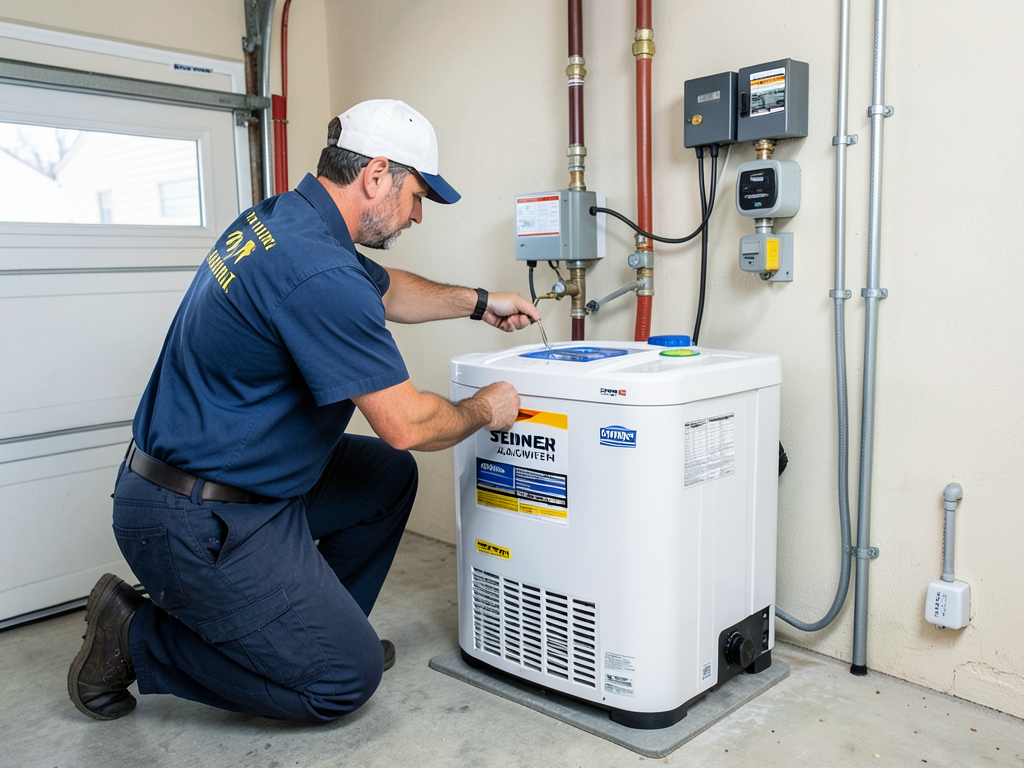
Installation requires space for the resin tank, brine tank, and control valve. Most Steiner Ranch homes install units in garages or utility rooms. The regeneration process uses approximately 25-50 gallons of water per cycle, which occurs every 3-7 days depending on usage.. Read more about Luxury Fixture Installation and Plumbing Upgrades for Tarrytown Home Renovations.
Salt-Free Template Assisted Crystallization (TAC) Systems
TAC systems don’t remove minerals but transform them into microscopic crystals that won’t adhere to surfaces. They require no salt, no electricity, and produce no wastewater. For Steiner Ranch’s hardness, TAC systems provide adequate scale prevention for most households while addressing environmental concerns about salt discharge.
These systems install similarly to salt-based units but have smaller footprints. The media typically lasts 3-5 years before replacement. While they don’t provide the slippery feel of softened water, they effectively prevent scale buildup in pipes and appliances.
Reverse Osmosis Systems
RO systems use semi-permeable membranes to remove 95-99% of dissolved solids. While excellent for drinking water, they’re impractical for whole-house treatment due to slow flow rates and high wastewater production. Most Steiner Ranch homeowners pair whole-house softening with under-sink RO for drinking water.. Read more about Better Tasting Drinking Water for Liberty Hill Families Using Reverse Osmosis Systems.
Installation Considerations for Steiner Ranch Homes
Steiner Ranch’s slab-on-grade construction means water softeners typically install in garages, utility rooms, or outdoor enclosures. Texas State Board of Plumbing Examiners regulations require licensed plumbers to handle all installations, ensuring compliance with local codes and manufacturer warranties.. Read more about Affordable Plumbers in Round Rock for Fast Water Heater Repairs and Replacements.
Water hardness testing determines system sizing. A professional test measures GPG and identifies iron content, which affects resin selection. Most Steiner Ranch homes need 32,000-64,000 grain capacity units depending on household size and water usage patterns.. Read more about Hard to Turn Shower Knobs? Get Professional Shower Valve Repair in Brushy Creek.
Installation involves shutting off the main water supply, cutting into the main line after the pressure regulator, and installing bypass valves. The system requires a nearby drain for regeneration cycles and a 120V outlet for control valves in salt-based systems.
Maintenance Requirements and Best Practices
Salt-based systems need monthly salt level checks and refills. Use only high-purity salt pellets to prevent bridging and mushing in the brine tank. Annual cleaning removes iron and sediment buildup from the resin bed.
TAC systems require less frequent attention. Replace the media every 3-5 years and change pre-filters annually. Monitor water pressure to ensure the system isn’t becoming restricted by accumulated sediment.
Both system types benefit from annual professional inspections. Technicians check valve operation, test water hardness, and verify proper regeneration cycles. They also inspect for leaks and ensure all connections remain secure.
Cost Considerations and ROI
Initial investment ranges from $1,200 for basic salt-free systems to $3,000+ for premium salt-based units with advanced features. Installation typically adds $300-$600 to the total cost.
Operating costs include salt or media replacement, water for regeneration, and electricity for control valves. Annual operating expenses range from $50-$150 depending on system type and household water usage.
ROI comes through extended appliance lifespans, reduced energy consumption, and lower cleaning product usage. A water heater protected by softening can last 10-12 years instead of 6-8 years. Dishwashers and washing machines similarly see extended service lives.
Environmental Impact and Water Conservation
Salt-based systems discharge brine during regeneration, which municipal wastewater treatment plants must process. Some Steiner Ranch homeowners choose TAC systems to eliminate salt discharge while still preventing scale buildup.
Modern systems include demand-initiated regeneration, which only regenerates based on actual water usage rather than timer-based cycles. This reduces water waste by 30-50% compared to older timer-based systems.
High-efficiency models use less than 25 gallons per regeneration cycle. Look for Water Quality Association certification when selecting systems to ensure optimal performance and minimal environmental impact.
Frequently Asked Questions
Is hard water dangerous to drink?
No. Hard water poses no health risks and actually provides beneficial minerals like calcium and magnesium. The primary concerns are aesthetic issues and damage to plumbing and appliances rather than health effects.
How long does installation take?
Professional installation typically requires 2-4 hours. The plumber shuts off water to your home, cuts into the main line, installs the softener and bypass valves, then tests the system. You’ll have minimal water service interruption during the process.
Will a water softener remove iron stains?
Standard softeners remove low levels of clear-water iron (up to 2 ppm). For higher iron concentrations common in some Steiner Ranch wells, specialized iron removal systems or mixed-bed resin may be necessary. Red-water iron requires separate treatment.
Can I install a water softener myself?
DIY installation voids most manufacturer warranties and may violate local plumbing codes. Texas law requires licensed plumbers for any work involving cutting into pressurized water lines. Professional installation ensures proper sizing, code compliance, and warranty protection.
How do I know what size system I need?
System sizing depends on water hardness, household size, and daily water usage. A professional test determines your GPG level. Multiply hardness by daily water usage (gallons per person times household members) to calculate required grain capacity. Most Steiner Ranch homes need 32,000-64,000 grain units.
Choosing the Right System for Your Steiner Ranch Home
Consider your household’s specific needs when selecting a system. Large families with high water usage benefit from salt-based systems’ effectiveness and low operating costs. Households concerned about sodium intake or environmental impact may prefer TAC systems despite higher upfront costs.
Budget-conscious homeowners should factor total cost of ownership rather than just initial price. A cheaper system with high operating costs may cost more over its lifetime than a premium unit with efficient operation.
Professional water testing provides the data needed for proper system selection. Test results show exact hardness levels, iron content, and other factors that influence system sizing and media selection.
Protecting Your Investment
Water softeners represent significant investments in your Steiner Ranch home’s infrastructure. Proper selection, professional installation, and regular maintenance ensure optimal performance and maximum return on investment.
Monitor your water quality after installation. If you notice scale returning or soap not lathering properly, your system may need adjustment or service. Most quality systems include water hardness monitors that alert you to performance issues.
Document your system’s specifications and maintenance history. This information helps future technicians service the unit and proves proper maintenance if you sell your home.
Next Steps for Steiner Ranch Homeowners
Start with a professional water test to determine your exact hardness levels and other water quality factors. This $50-$100 test provides the data needed for proper system selection.
Research local plumbers who specialize in water treatment. Look for Water Quality Association certification and Texas State Board of Plumbing Examiners licenses. Ask about warranties, maintenance plans, and emergency service availability.
Consider your household’s specific needs regarding sodium intake, environmental concerns, and budget constraints. The right system balances effectiveness with your priorities and constraints.
Don’t wait until hard water damage becomes expensive. Scale buildup in water heaters, dishwashers, and pipes is progressive and costly to repair. A properly sized water softener prevents these issues while improving water quality throughout your home.
Call (737) 316-0588 today to schedule your professional water test and consultation. Our Steiner Ranch specialists will evaluate your water quality, discuss your needs, and recommend the best system for your home. Stop hard water damage before it costs you thousands in repairs and replacements.
Pick up the phone and call (737) 316-0588 before the next appliance fails from mineral buildup. Your plumbing, appliances, and family deserve the protection of properly treated water. For more information, visit Austin Water Quality Reports.
You may also find this helpful. Stop Wasting Money on a Leaky Toilet – Fast Repair Services in Buda and Kyle.