
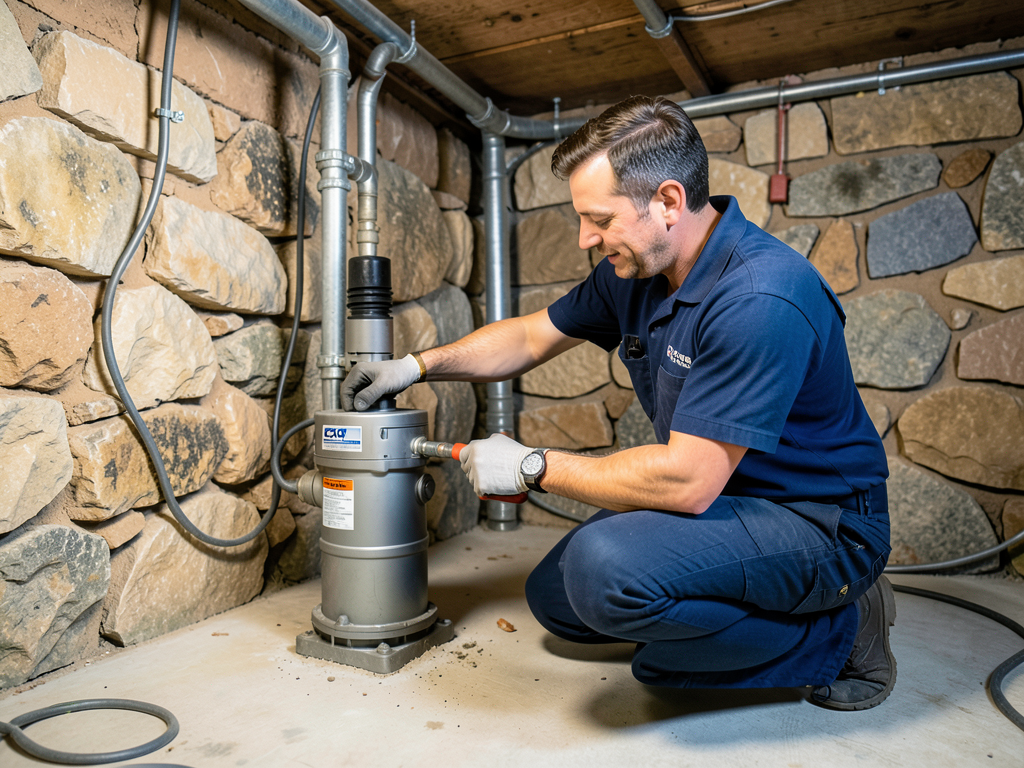
What to Know Before Installing a Sewage Ejector Pump in Your Cat Mountain Basement
If you’re planning to add a bathroom or laundry room in your Cat Mountain basement, you’ll need a sewage ejector pump to move waste uphill to your main sewer line. The steep limestone terrain and below-grade plumbing in this Austin neighborhood create unique challenges that generic pump installations don’t address. Understanding the specific requirements for Cat Mountain homes will save you from costly mistakes and code violations. Plumbing San Marcos.
Understanding Sewage Ejector Pumps vs. Sump Pumps
Sewage ejector pumps and sump pumps look similar but serve completely different purposes. A sump pump removes clean groundwater from your basement floor, while a sewage ejector pump handles raw sewage and toilet waste from below-grade plumbing fixtures. Water Heater Maintenance Tips.
Cat Mountain homes built into the hillside often have bathrooms or utility rooms partially or fully below the main sewer line elevation. When waste can’t flow downhill by gravity, an ejector pump becomes essential. These pumps grind solid waste and pump it vertically through a discharge pipe to connect with your main sewer stack.. Read more about The Logistics of Moving a Bathroom or Kitchen During a Highland Park West Remodel.
The key difference: sump pumps handle clean water with no solids, while ejector pumps must macerate waste and handle corrosive materials. Using the wrong pump type in your Cat Mountain basement will result in immediate failure and potential health hazards.
Cat Mountain’s Unique Plumbing Challenges
Cat Mountain sits on Edwards Plateau limestone, which creates specific installation considerations. The rock is dense and requires specialized drilling equipment to create proper discharge pathways. Many Cat Mountain homes also sit near the Balcones Fault zone, where soil movement can stress plumbing connections over time. Plumbing Pflugerville.
The neighborhood’s elevation changes mean your ejector pump might need to lift waste 15-25 feet vertically to reach the main sewer line. This requires careful calculation of pump horsepower and head pressure ratings. Standard residential pumps often lack the capacity for these steep lifts. City of Austin Plumbing Permits.
Additionally, Cat Mountain’s mature trees have extensive root systems that can infiltrate sewer lines near your property. Your ejector pump installation must include proper backflow prevention to protect your basement from sewage backup during heavy rains or municipal sewer issues.
Legal Requirements and Austin Plumbing Codes
Installing a sewage ejector pump in Austin requires compliance with the City of Austin Uniform Plumbing Code, which follows the International Plumbing Code with local amendments. Section 312 of the UPC mandates that all below-grade fixtures must have proper venting to prevent sewer gas accumulation.
You’ll need a plumbing permit from the City of Austin Development Services Department before installation. The permit process includes submitting detailed plans showing pump location, discharge routing, and venting configuration. Travis County health regulations require that all ejector pumps include a sealed basin with a gasketed lid to prevent odors and contamination. EPA Septic and Sewage Systems Guide.
The Austin Water Utility mandates that ejector pump discharge lines include a check valve and union connection for maintenance access. Without these features, your installation won’t pass inspection and could result in fines or required rework.
Choosing the Right Pump for Your Cat Mountain Home
Residential sewage ejector pumps typically range from 1/3 to 1 horsepower. For Cat Mountain basements with 15+ foot lifts, you’ll need at least 3/4 horsepower to handle the vertical distance and maintain proper flow rates.
Key specifications to consider:
- Head Pressure: Must exceed your vertical lift distance by 20-30% for reliable operation
- Flow Rate: Measured in GPM (gallons per minute), typically 30-50 GPM for residential use
- Solids Handling: Look for pumps that can pass 2-inch solids for toilet waste
- Material: Cast iron or stainless steel construction resists corrosion from sewage
Liberty Pumps and Zoeller are two brands commonly used in Austin installations. Liberty’s LE70-series and Zoeller’s 211-series both handle the head pressures typical in Cat Mountain homes.
Proper Basin Sizing and Installation
Your ejector pump basin must be sized for both current and future needs. A standard 30-gallon basin works for most residential applications, but homes with multiple fixtures or planned additions may need 40-50 gallons.
The basin must sit on a concrete pad and be surrounded by gravel for proper drainage. In Cat Mountain’s limestone terrain, you may need to drill through rock to create a stable base. The basin lid must be sealed with a rubber gasket to prevent odors and comply with Austin code.
Vent pipes require special attention in Cat Mountain homes. The vent must connect to your main soil stack and extend above your roofline. In limestone areas, vent routing can be complicated by rock layers, requiring creative solutions to meet code requirements.
Discharge Line Requirements
Your discharge line carries waste from the pump to the main sewer connection. In Cat Mountain homes, this often means drilling through foundation walls or creating new pathways through limestone.
Key discharge line components:
- Check Valve: Prevents backflow and protects the pump from damage
- Gate Valve: Allows for pump removal and maintenance without shutting down your entire plumbing system
- Cleanout: Provides access for snaking if blockages occur
- Insulation: Protects pipes from condensation in Austin’s humid climate
All discharge lines must slope upward from the pump to ensure proper waste removal. Flat or sagging pipes will cause frequent clogs and pump failures.
Installation Process and Timeline
A proper ejector pump installation in Cat Mountain typically takes 2-3 days:
- Day 1: Site preparation, basin excavation, and concrete work
- Day 2: Pump installation, discharge line routing, and venting
- Day 3: Testing, inspection preparation, and final connections
The process requires coordination with multiple trades. Electricians must install a dedicated 20-amp GFCI circuit for the pump. HVAC contractors may need to adjust ductwork if the pump location affects airflow. General contractors handle demolition and finish work around the installation area.
Common Installation Mistakes to Avoid
Homeowners often make these critical errors when installing ejector pumps:
- Undersized pumps: Choosing a 1/3 HP pump for a 20-foot lift guarantees failure
- Missing vents: Skipping the vent pipe violates code and creates dangerous gas buildup
- Poor discharge routing: Running pipes through unconditioned spaces causes condensation and freezing risks
- Inadequate basin sealing: Open basins allow odors to permeate your basement
- Missing alarms: High-water alarms prevent flooding but are often omitted to save costs
Each mistake can lead to system failure, code violations, or expensive repairs. Professional installation ensures all components meet Austin’s strict requirements.
Maintenance Requirements for Austin Homes
Central Texas’s hard water and sediment load create specific maintenance needs for ejector pumps. The Edwards Aquifer water contains high mineral content that can accumulate in pump components and reduce efficiency.
Recommended maintenance schedule:
- Monthly: Check the pump’s operation by running water through the system
- Quarterly: Inspect the check valve and clean any debris from the basin
- Annually: Professional inspection of pump components, bearings, and seals
- Every 5 years: Complete pump replacement to prevent catastrophic failure
Cat Mountain’s mature trees also mean roots can infiltrate discharge lines over time. Annual camera inspections of your discharge pathway can identify problems before they cause backups.
Cost Factors for Cat Mountain Installations
Installation costs vary based on several factors specific to Cat Mountain homes:
| Cost Factor | Typical Range | Notes |
|---|---|---|
| Pump and Basin | $800 – $1,500 | Higher horsepower for steep lifts increases cost |
| Permit Fees | $150 – $300 | City of Austin plumbing permit required |
| Labor | $1,200 – $2,500 | Complex limestone drilling increases labor time |
| Electrical Work | $300 – $600 | Dedicated circuit and GFCI protection required |
| Total Installation | $2,500 – $5,000 | Based on 2026 Austin market rates |
Additional costs may include concrete cutting, foundation drilling, or extensive vent routing through limestone. Homes with multiple below-grade fixtures will need larger pumps and basins, increasing both equipment and installation costs.
Emergency Backup Systems
Power outages in Austin make battery backup systems essential for ejector pumps. During storms or grid failures, your pump won’t operate without backup power, potentially causing basement flooding.
Battery backup options include:
- 12V DC pumps: Automatic switch to battery power during outages
- 120V AC with battery: Standard pump runs on AC, switches to battery if power fails
- Water-powered backups: Uses municipal water pressure to operate pump (requires sufficient water pressure)
High-water alarms are also mandatory in Austin. These alarms sound when the basin approaches capacity, giving you time to address pump failures before flooding occurs. Some systems include text or email alerts for remote monitoring.
Grinder Pumps vs. Ejector Pumps
Cat Mountain homeowners often confuse grinder pumps with ejector pumps. While both handle below-grade waste, they operate differently:
| Feature | Grinder Pump | Sewage Ejector Pump | Waste Processing | Grinds solids into slurry | Passes solids through impeller |
|---|---|---|
| Best For | Long horizontal runs | Vertical lifts to sewer |
| Maintenance | Higher (grinding mechanism) | Lower (fewer moving parts) |
| Cost | $1,500 – $3,000 | $800 – $1,500 |
For Cat Mountain basements connecting to the main sewer line, ejector pumps are typically the better choice. They handle toilet waste more effectively and cost less to maintain. Grinder pumps make sense only when you need to pump waste long distances horizontally through small-diameter pipes.
DIY vs. Professional Installation
Installing a sewage ejector pump requires plumbing, electrical, and concrete work skills. DIY installation might save $1,000-2,000 in labor costs, but the risks often outweigh the savings.
Professional installation benefits:
- Code Compliance: Ensures your installation passes Austin inspections
- Warranty Protection: Most manufacturers void warranties for non-professional installation
- Proper Sizing: Professionals calculate exact pump requirements for your specific lift
- Permit Handling: Contractors manage the permit process and inspections
- Insurance Coverage: Professional work is covered by liability insurance
DIY risks include improper venting, undersized pumps, code violations, and potential health hazards from sewage leaks. The cost of fixing these mistakes often exceeds professional installation fees.
Frequently Asked Questions
How long do sewage ejector pumps last in Austin?
Quality ejector pumps typically last 7-10 years in Austin’s hard water conditions. Regular maintenance can extend this to 12-15 years. The pump’s motor bearings and seals are most vulnerable to mineral buildup from Edwards Aquifer water.
Can I install an ejector pump in my existing basement?
Yes, but it requires cutting through concrete floors and potentially foundation walls. The process creates significant dust and noise. Professional contractors use dust containment systems and complete the work in phases to minimize disruption.
What happens if my ejector pump fails?
Without a functioning pump, waste from your basement fixtures has nowhere to go. Toilets won’t flush, and drains will back up. Most modern systems include high-water alarms that alert you before flooding occurs. Emergency repair services can typically respond within 2-4 hours in Austin. Finding an Emergency Plumber in Austin Who Actually Answers the Phone at 3 AM.
Do I need a permit for ejector pump installation?
Yes, the City of Austin requires a plumbing permit for all ejector pump installations. The permit ensures your system meets code requirements for venting, backflow prevention, and discharge routing. Installation without a permit can result in fines and required removal.
How much does it cost to replace an ejector pump?
Pump replacement typically costs $800-1,500 for the equipment plus $300-500 for labor. If your basin or discharge lines need replacement, total costs can reach $2,000-3,000. Regular maintenance prevents premature failure and extends pump life.
Ready to Install Your Ejector Pump?
Installing a sewage ejector pump in your Cat Mountain basement requires expertise in Austin’s specific plumbing codes, limestone terrain, and hard water conditions. Don’t risk code violations or system failures by attempting DIY installation or hiring inexperienced contractors.
Call (737) 316-0588 today to schedule your ejector pump consultation. Our Austin-licensed master plumbers will assess your specific needs, handle all permitting requirements, and ensure your system meets every code requirement. We’ve installed hundreds of ejector pumps throughout Cat Mountain and understand the unique challenges this neighborhood presents.
Don’t wait until your basement bathroom becomes unusable. Pick up the phone and call (737) 316-0588 before the next plumbing emergency strikes. Your Cat Mountain home deserves professional installation that will provide reliable service for years to come.
Learn more about our comprehensive plumbing services in West Lake Hills
Read about drain cleaning solutions for Austin homes
Discover water softener options for Central Texas homes
You may also find this helpful. Should You Consider a Septic to Sewer Conversion for Your Manchaca Property?.