
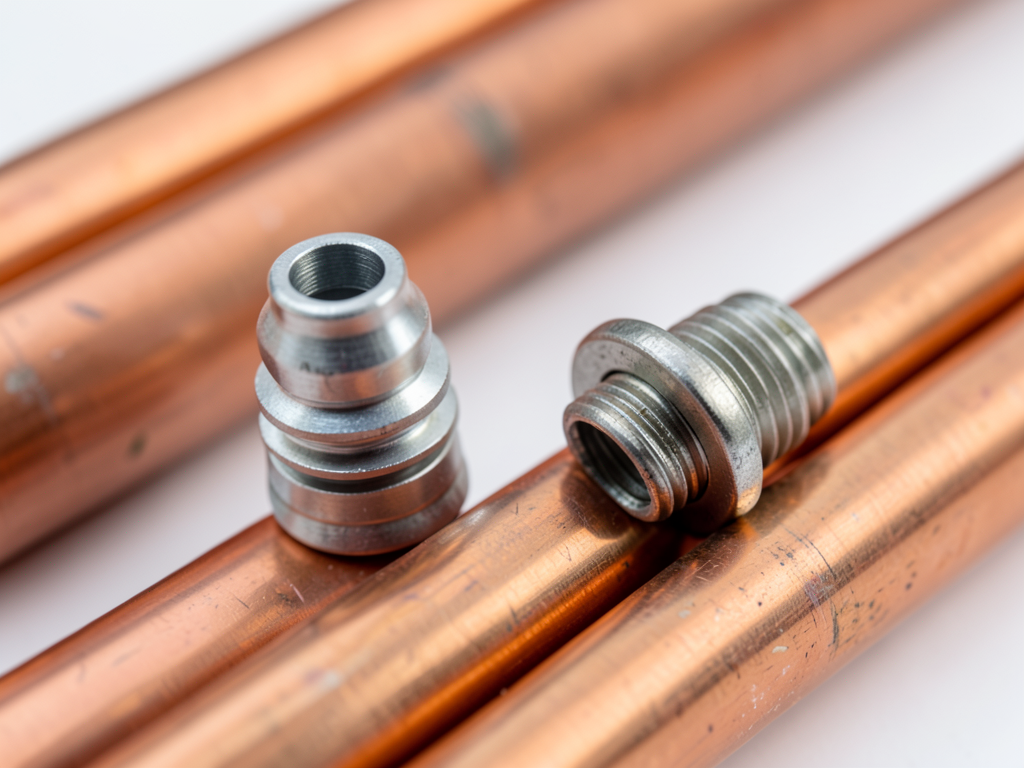
Choosing Between PEX A and PEX B for Your Next Austin Plumbing Project
When planning a repipe or new construction in Austin the choice between PEX A and PEX B can make a big difference in durability cost and long-term performance. Both are cross-linked polyethylene pipes that have replaced copper in many Austin homes but they are manufactured differently and perform differently under Central Texas conditions. This guide breaks down the technical differences so you can make the right choice for your project. Dealing with Central Texas Hard Water – The Best Water Softener Systems for Steiner Ranch Homes.
Understanding the Fundamentals of PEX Pipes
PEX stands for cross-linked polyethylene. The cross-linking process creates a flexible durable pipe that resists corrosion and scale buildup. In Austin the most common PEX types are PEX A made using the Engel method and PEX B made using the Silane method. The manufacturing process changes the pipe’s flexibility kink resistance and how it handles Austin’s hard water and occasional freeze events. Water Heater Maintenance Tips.
PEX A (Expansion PEX): The Premium Choice for Austin Homes
PEX A is produced using the Engel method which creates a uniform cross-linked structure throughout the pipe. This gives PEX A superior flexibility and a unique “shape memory” that allows it to return to its original shape after being kinked. For Austin homeowners this means fewer leaks at joints and better resistance to the ground shifts common in the area’s clay soils. PEX A also expands up to three times its size during freezing making it more resistant to burst damage during rare Texas winter storms.
PEX B (Crimp PEX): The Budget-Friendly Standard
PEX B uses the Silane method which cross-links the outer layer of the pipe. This makes it slightly stiffer than PEX A and more prone to kinking. PEX B requires copper crimp rings and a crimp tool for installation. While it costs less per foot the fittings can slightly reduce water flow due to the smaller inside diameter at connection points. PEX B still performs well in Austin’s climate but may not handle extreme freeze-thaw cycles as effectively as PEX A.
The ‘Austin Freeze’ Test: Burst Resistance Compared
During the 2021 winter storm many Austin homeowners discovered how different PEX types handle freezing. PEX A can expand up to three times its size before bursting while PEX B typically fails at lower expansion rates. This matters in Austin where temperatures occasionally drop below freezing. PEX A’s flexibility allows it to absorb the pressure from expanding ice without rupturing making it the safer choice for exposed pipes in attics or crawl spaces.. Read more about How to Identify and Replace Lead Pipes in Your Historic Pemberton Heights Home.
Side-by-Side Comparison Table
| Feature | PEX A | PEX B |
|---|---|---|
| Manufacturing Method | Engel (Peroxide) | Silane (Moisture-cured) |
| Flexibility | Superior | Good |
| Kink Recovery | Heat gun repairable | Often requires cutting |
| Expansion During Freeze | Up to 3x size | Limited expansion |
| Cost Per Foot | Higher | Lower |
| Flow Rate | Better | Slightly reduced at fittings |
| Warranty | Often 25+ years | Typically 20-25 years |
Our Professional Recommendation for Austin Projects
For most Austin homes we recommend PEX A especially in areas prone to freezing or where the pipe runs through unconditioned spaces. The extra cost is offset by fewer potential leaks and better freeze resistance. PEX A’s expansion fittings also create a more reliable seal than crimp fittings which can be critical in Austin’s shifting clay soils. For budget-conscious projects in protected areas PEX B remains a solid choice but be aware of its limitations during extreme weather.
Local Austin Factors That Affect Your Choice
Austin’s hard water from the Edwards Aquifer contains high mineral content that can affect pipe longevity. Both PEX types resist scale buildup better than copper but PEX A’s superior chlorine resistance gives it an edge in areas with treated municipal water. The city’s clay soils also expand and contract with moisture changes which can stress rigid pipes. PEX A’s flexibility helps it adapt to these movements reducing the risk of joint separation over time. EPA Ground Water Information.
Installation Considerations in Austin
Austin building codes require PEX installation to meet Uniform Plumbing Code standards. PEX A’s expansion fittings are approved under ASTM F1960 while PEX B’s crimp fittings meet ASTM F1807. Both are acceptable but PEX A installation requires an expansion tool which many Austin plumbers already own. The tools represent a significant upfront investment but make installation faster and more reliable once mastered. ASTM F1960 Standard Specification.
Cost Comparison for Austin Homeowners
In the Austin market PEX A typically costs 20-30 percent more per foot than PEX B. For a whole-home repipe on a 2,000 square foot home this translates to a difference of $500-$800 in material costs. Labor costs remain similar since both types install quickly compared to copper. When you factor in the reduced risk of freeze damage and longer warranty PEX A often provides better long-term value for Austin properties.
Frequently Asked Questions
Is PEX A worth the extra cost in Austin?
Yes for most Austin homes especially those with exposed pipes or in freeze-prone areas. The superior freeze resistance and flexibility justify the higher upfront cost.
Can I mix PEX A and PEX B in the same system?
Technically yes but it’s not recommended. Mixing types requires different tools and fittings which complicates future repairs and maintenance.
How long does PEX last in Austin’s hard water?
Both PEX A and PEX B typically last 40-50 years in Austin’s water conditions which exceeds the lifespan of copper pipes in the same environment.
Does PEX require special permits in Austin?
Yes any repipe or major plumbing work requires permits from the City of Austin building department. A licensed plumber must pull these permits and ensure code compliance. Plumbing San Marcos.
Which PEX type is better for radiant floor heating?
PEX A is generally preferred for radiant heating due to its superior flexibility and ability to make tight bends without kinking.
Ready to Choose the Right PEX for Your Project?
Making the right choice between PEX A and PEX B depends on your specific home location and budget. Our experienced Austin plumbers can assess your property and recommend the best option for your needs. Call (737) 316-0588 today to schedule your consultation and ensure your plumbing project uses the right materials for Austin’s unique conditions. Plumbing Pflugerville.
Don’t wait until a freeze or leak causes expensive damage. Pick up the phone and call (737) 316-0588 before the next storm hits. Our team serves Austin and surrounding communities with expert advice and quality installation that protects your home for decades to come.
You may also find this helpful. Why Your Steiner Ranch Garage Needs a Utility Sink (and How to Install One).
You may also find this helpful. Plumbing Requirements for Adding a Second Bathroom to Your Holly Neighborhood Home.
You may also find this helpful. Plumbing Tips for Building a Multi Unit Lot Under the New Austin Home Rules.