
Running a New Gas Line for Your West Lake Hills Pool Heater
Installing a gas line for your West Lake Hills pool heater requires careful planning to meet Austin’s strict safety codes and handle the area’s rocky limestone soil. Whether you’re upgrading an existing heater or installing a new one understanding the process helps you avoid costly mistakes and ensures your pool stays warm all season. Austin Development Services Department.
The first step involves calculating your heater’s BTU requirements. Most residential pool heaters range from 200000 to 400000 BTUs which directly impacts the pipe diameter and gas pressure needed. A 300000 BTU heater requires different sizing than a 400000 BTU unit and distance from your gas meter matters significantly for proper pressure delivery.
Understanding BTU Requirements and Pipe Sizing
BTU stands for British Thermal Units measuring the heat output your pool heater needs. The higher the BTU rating the more gas flow required through your new line. Distance from the meter creates pressure drop meaning longer runs need larger diameter pipes to maintain adequate gas flow.
For example a 300000 BTU heater located 50 feet from your meter might need a 1-inch diameter pipe while the same heater 100 feet away could require 1-1/4 inch piping. These calculations follow specific formulas based on gas type pressure and distance.
West Lake Hills homes often sit on limestone bedrock which affects trenching depth and pipe protection methods. The rocky soil means excavation takes longer and requires specialized equipment to prevent pipe damage during installation. How to Tell if Your West Lake Hills Home Has a Slab Leak (And Who to Call for Repairs).
Austin City Codes and Permitting Requirements
The City of Austin requires permits for all new gas line installations including pool heater connections. The Development Services Department enforces the International Fuel Gas Code with local amendments specific to Travis County conditions.
Trench depth requirements in Austin typically mandate 18 inches of cover for gas lines though limestone bedrock may require concrete encasement in certain areas. The code also specifies pressure testing protocols before final inspection approval.
Pressure testing involves isolating the new line and pressurizing it to 1.5 times the maximum operating pressure. Technicians use manometers to verify the system holds pressure for the required duration usually 15 minutes minimum without drop.
Permits generally take 3-5 business days for approval in Austin though complex installations involving meter upgrades may extend this timeline. The inspection process includes both rough-in and final checks to ensure compliance with all safety standards.
Installation Process Step by Step
The installation begins with utility locating through Texas 811 to mark existing underground lines. This critical safety step prevents damage to electrical water or communication lines during trenching. Texas 811 utility locating service.
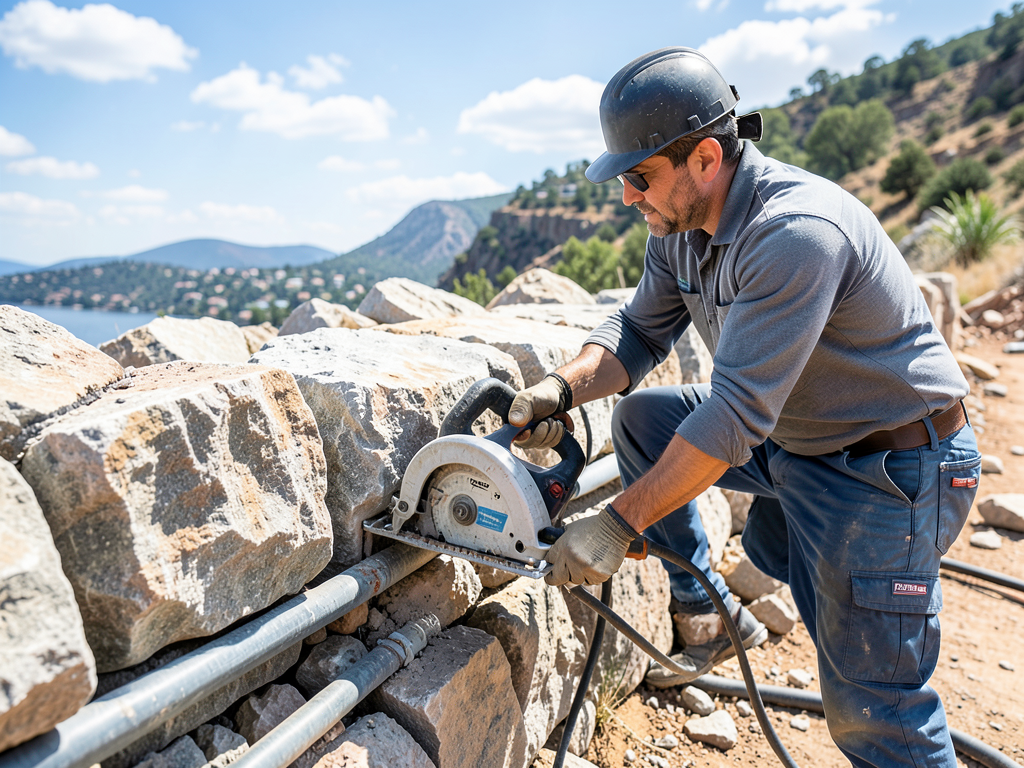
Next comes excavation which proves challenging in West Lake Hills due to limestone bedrock. Technicians often need rock saws or jackhammers to create proper trenches while maintaining required depth and grade.
Once trenching completes pipe installation follows specific material requirements. Corrugated stainless steel tubing (CSST) offers flexibility for tight spaces while polyethylene (PE) pipe provides excellent corrosion resistance for underground runs.
After laying pipe technicians install sediment traps shut-off valves and proper fittings at both ends. These components meet code requirements and provide emergency shutoff capability. Finding an Emergency Plumber in Austin Who Actually Answers the Phone at 3 AM.
Pressure testing comes next followed by backfilling with approved materials. The final step involves connecting to your pool heater and scheduling the municipal inspection.
Natural Gas vs. Propane Considerations
West Lake Hills homes typically use natural gas from Texas Gas Service but some properties rely on propane tanks. The fuel source affects pipe sizing because propane delivers more BTUs per cubic foot than natural gas. Texas Gas Service.
Natural gas installations often use black iron pipe or CSST while propane systems may require different regulator configurations. Propane also needs more frequent pressure testing due to its higher energy density.
Climate plays a role too. Central Texas summers create high demand for pool heating while winter freezes can affect gas line integrity. Proper burial depth and insulation protect against temperature extremes. Dealing with Central Texas Hard Water – The Best Water Softener Systems for Steiner Ranch Homes.
Cost Factors Specific to West Lake Hills
Several factors influence gas line installation costs in West Lake Hills. The primary cost driver is trenching through limestone which requires specialized equipment and more labor hours than typical soil conditions.
Distance from the gas meter significantly impacts pricing. A 30-foot run costs much less than a 150-foot installation requiring multiple fittings and pressure regulators.
Meter capacity presents another consideration. If your existing meter cannot handle the additional load Texas Gas Service may need to upgrade it adding $500-$1500 to your project cost.
Permit fees in Austin range from $75 to $200 depending on project complexity. Inspection fees add another $50 to $100 to your total investment.
Seasonal timing affects availability and pricing. Spring and early summer see highest demand as pool season approaches potentially increasing wait times and labor rates.
Safety Features and Code Compliance
Modern gas line installations include multiple safety features beyond basic code requirements. Earthquake brackets secure pipes in seismic zones while excess flow valves automatically shut off gas if a line breaks.
Proper venting prevents gas accumulation in enclosed spaces. All pool heater installations require adequate combustion air and proper exhaust routing to prevent carbon monoxide buildup.
Leak detection systems provide early warning of potential problems. Electronic gas detectors can alert homeowners to even minor leaks before they become dangerous.
Grounding requirements protect against electrical surges that could damage gas line components. Proper bonding prevents static electricity buildup in CSST installations.
Common Installation Challenges in West Lake Hills
Limestone bedrock creates the most frequent challenge for West Lake Hills gas line installations. Rock saws and hydraulic breakers become necessary tools increasing both time and cost.
Existing landscape features complicate routing decisions. Mature trees retaining walls and decorative stonework may limit trenching options requiring creative solutions to maintain code compliance.
Property line considerations affect trench depth and location. Some West Lake Hills properties sit near steep slopes or drainage areas requiring additional engineering to prevent erosion or settling. Professional Drain Cleaning Services to Clear Stubborn Clogs in South Congress Apartments.
Underground obstacles like old septic lines or irrigation systems can surprise installers. Thorough utility locating helps but doesn’t guarantee finding every buried object.
Maintenance and Longevity Considerations
Properly installed gas lines last 20-30 years or more with minimal maintenance. However West Lake Hills’ soil conditions and climate create specific longevity concerns.
Corrosion protection becomes crucial in areas with high soil moisture or chemical content. Anode bags and protective coatings extend pipe life in challenging conditions.
Regular inspection helps catch developing issues before they become emergencies. Annual checks of connections valves and visible piping components prevent small problems from escalating.
Tree root intrusion poses a risk for older installations. Roots can crack pipes or displace fittings over time especially in areas with aggressive root systems.
Climate impacts include freeze-thaw cycles that can shift soil and stress pipe connections. Proper installation techniques minimize these effects but extreme weather can still cause issues.
Choosing the Right Professional
Gas line installation requires licensed professionals with specific experience in pool heater applications. Look for Master Plumber licenses with gas fitting endorsements and proper insurance coverage.
Local experience matters significantly. West Lake Hills’ unique soil conditions and building patterns require knowledge that out-of-area contractors may lack.
Insurance verification protects you from liability if accidents occur during installation. General liability and workers’ compensation coverage should be current and adequate.
References from similar projects provide insight into a contractor’s capabilities. Ask specifically about pool heater installations and any challenges they encountered.
Written estimates should detail all work materials and permit costs. Avoid contractors who cannot provide clear pricing breakdowns or refuse to pull required permits.
Seasonal Timing and Planning
Pool season timing drives most gas line installation decisions. Spring installations ensure your heater operates when you need it most but this timing creates scheduling challenges.
Fall and winter offer better availability and potentially lower rates. However cold weather installation requires additional precautions to prevent freezing during the process.
Permit processing times vary by season. Summer months often see longer approval times due to increased construction activity across Austin.
Coordinating with other contractors helps streamline the process. If you’re doing pool renovations or landscaping timing the gas line installation with other work minimizes disruption.
Emergency situations require different planning. If your existing heater fails during peak season temporary solutions might be necessary while permanent installation completes.
Environmental and Property Considerations
Gas line installation affects your property beyond the immediate work area. Trenching can damage irrigation systems landscape lighting or decorative features that require repair.
Runoff management becomes important during installation. Proper trenching prevents water accumulation that could damage pipes or create safety hazards.
Noise considerations affect neighbors during rock excavation. West Lake Hills homes often sit on smaller lots where construction noise travels easily.
Property value impacts depend on installation quality. Professional work that meets all codes and maintains aesthetic appeal can enhance property value while sloppy installations may detract.
Future planning should consider potential additions. Installing slightly larger capacity than currently needed provides flexibility for future pool expansions or additional gas appliances.
Final Inspection and Testing
The final inspection ensures your installation meets all Austin codes and operates safely. City inspectors check trench depth pipe protection and connection quality before approving the work.
Combustion testing verifies your pool heater operates efficiently with the new gas supply. Technicians measure flame characteristics and gas pressure to ensure optimal performance.
Carbon monoxide testing provides additional safety verification. Proper venting prevents dangerous gas accumulation in enclosed pool equipment areas.
Documentation should include all permits inspection approvals and warranty information. Keep these records for future reference or property sales.
Final walkthrough with your installer covers operation procedures and emergency shutoff locations. Understanding these basics helps you respond quickly if problems arise.
Frequently Asked Questions
How long does gas line installation for a pool heater typically take?
Most installations complete in 1-3 days depending on trenching complexity and permit processing times. Rock excavation can extend this timeline significantly.
Can I use my existing gas line for a new pool heater?
Existing lines may work if they have adequate capacity and proper sizing. However most pool heaters require dedicated lines due to their high BTU demands.
What happens if my gas meter needs upgrading?
Texas Gas Service handles meter upgrades which typically take 1-2 weeks to schedule. This process requires their inspection and approval before your installation can complete.
Are there financing options for gas line installation?
Many contractors offer financing plans and some pool heater manufacturers provide promotional financing for complete system installations including gas lines.
How do I know if my property has natural gas available?
Contact Texas Gas Service for availability checks. They can verify service at your address and discuss meter capacity for your planned installation.
What permits are required for pool heater gas lines in Austin?
The City of Austin requires plumbing permits for all new gas line installations. Additional permits may be needed if trenching affects public right-of-way or drainage systems. Plumbing San Marcos.
Ready to Install Your Pool Heater Gas Line?
Don’t let another swimming season pass without a properly functioning pool heater. The rocky limestone soil and strict Austin codes make professional installation essential for West Lake Hills homes.
Call (737) 316-0588 today to schedule your consultation. Our licensed Master Plumbers understand West Lake Hills’ unique challenges and can provide accurate quotes for your specific situation. We handle everything from permit acquisition to final inspection ensuring your pool heater operates safely and efficiently all season long.
Pick up the phone and call (737) 316-0588 before the next heat wave hits. Your perfect pool temperature awaits with professional gas line installation from experienced local plumbers who know West Lake Hills inside and out.