
Protecting Your Expensive Espresso Machine from Tarrytown Hard Water
Your $3,000 La Marzocco espresso machine faces constant attack from Austin’s hard water. Calcium and magnesium minerals in Tarrytown’s water slowly destroy your investment. Every shot pulls microscopic scale inside your machine’s boiler and heating elements. This reduces efficiency and eventually causes catastrophic failure. Austin Water Quality Reports.
Tarrytown sits directly over the Edwards Aquifer. Water hardness here typically measures 8-12 grains per gallon. That’s nearly double the hardness of water in other parts of the country. When water heats to brewing temperature around 200°F calcium carbonate precipitates out. Stubborn scale forms and coats heating elements. Tiny water passages clog up. Water Heater Maintenance Tips.
Without protection your espresso machine loses 20-30% efficiency within 12-18 months. The boiler works harder. Energy bills climb. Eventually the machine fails completely. Replacement parts for high-end espresso machines cost $500-$1,200. Labor adds another $300-$500. Many manufacturers void warranties if hard water damage occurs.
Hard water damage shows up as white crusty deposits around water connections. Reduced steam pressure appears. Longer heat-up times happen. Inconsistent shot temperatures occur. You might notice your machine takes longer to reach brewing temperature. Steam production weakens. These are warning signs that scale builds up inside.
The solution isn’t just descaling with vinegar or citric acid. Those products remove existing scale but don’t prevent new buildup. You need to address water chemistry before it enters your machine. Professional filtration systems can reduce water hardness by 85-95%. This extends your machine’s life from 2-3 years to 8-10 years. Professional Drain Cleaning Services to Clear Stubborn Clogs in South Congress Apartments.
Call (737) 316-0588 today to schedule a water hardness test for your Tarrytown home. We’ll test your water chemistry and recommend the right protection system for your specific espresso machine model.
Why Austin Water is Tough on Espresso Boilers
Austin’s water comes from the Edwards Aquifer and Colorado River systems. Both contain naturally high levels of dissolved minerals. The Edwards Aquifer water which serves Tarrytown and central Austin contains elevated levels of calcium carbonate and magnesium. These minerals are perfectly safe to drink but devastating to precision heating equipment. Dealing with Central Texas Hard Water – The Best Water Softener Systems for Steiner Ranch Homes.
When water temperature reaches 140°F calcium begins to precipitate out of solution. Your espresso machine operates at 195-205°F well above this threshold. The hotter the water the faster scale forms. A typical espresso shot uses 2-3 ounces of water heated to 200°F. This creates perfect conditions for rapid scale accumulation.
The Edwards Aquifer Authority monitors water quality across different zones. Tarrytown typically sees hardness levels between 200-350 parts per million total dissolved solids. Calcium carbonate makes up 60-70% of that total. This translates to 8-12 grains per gallon the standard measurement for water hardness.
Scale buildup acts like insulation around heating elements. Your machine’s boiler must work harder to maintain temperature. This uses more electricity and generates more heat. This creates a vicious cycle where the overworked heating element fails faster. Expensive repairs or replacement become necessary. EPA WaterSense Program.
According to the City of Austin Water Quality Code Section 4.2.3 Tarrytown’s water hardness varies seasonally. Highest levels typically occur during summer months when aquifer recharge is lowest. This means your machine faces toughest conditions exactly when you’re making the most iced lattes and cold brew.
The Science of Scaling: How Calcium Carbonate Destroys Pumps
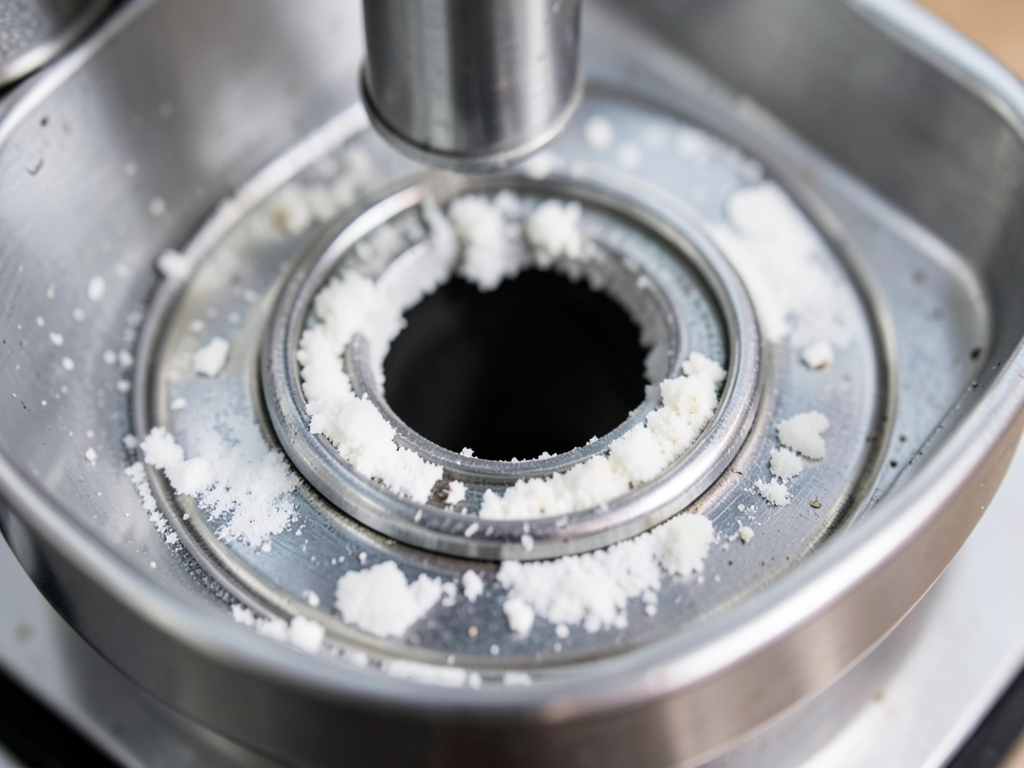
Calcium carbonate scale forms through a simple chemical process. When hard water is heated calcium ions (Ca²⁺) combine with carbonate ions (CO₃²⁻) to form solid calcium carbonate crystals. These crystals adhere to metal surfaces. Layer by layer they build up inside your espresso machine.
The scale doesn’t just coat heating elements. It also clogs the tiny orifices in your machine’s group head portafilter and steam wand. A standard espresso machine has water passages as small as 0.5mm. Even microscopic scale buildup can reduce water flow by 50% or more.
Pumps are particularly vulnerable. Most espresso machines use vibratory or rotary pumps that rely on precise water flow. Scale particles can jam pump impellers or wear down seals. Once a pump starts failing it often damages other components as it struggles to maintain pressure.
The temperature stability of your espresso also suffers. Scale acts as an insulator creating hot spots and cold spots within the boiler. This leads to temperature fluctuations of 5-10°F during brewing. Extraction quality and flavor consistency suffer.
Professional baristas measure water quality using Total Dissolved Solids meters. The ideal TDS range for espresso is 75-150 ppm. Tarrytown water at 200-350 ppm is already outside this optimal range before any heating occurs. This means your machine works with suboptimal water chemistry from the start.
Scale also harbors bacteria and mold. The rough porous surface of calcium carbonate provides perfect habitat for microorganisms. Over time this can affect both the taste of your coffee and potentially introduce health concerns.
Can You Buy a ‘Hard Water Proof’ Espresso Machine?
Some manufacturers advertise ‘hard water resistant’ or ‘descaling required less frequently’ features. But no espresso machine is truly immune to Austin’s water conditions. These claims usually mean the machine has slightly better internal coatings or larger heating elements that can handle more scale before failing.
Premium brands like La Marzocco Slayer and Synesso use high-quality materials and engineering. But they still rely on water chemistry. Even commercial machines in busy Austin coffee shops require regular descaling and water treatment to maintain performance.
The most common ‘resistant’ feature is a larger heating element that can maintain temperature despite scale buildup. However this just delays the inevitable. The element still accumulates scale just more slowly. When it finally fails the repair cost is the same as a standard machine.
Some machines include built-in water softeners or filtration systems. These help but typically only treat water for the machine itself not the entire home. They also require regular maintenance and eventual replacement of filter cartridges.
Commercial machines often have easier access to internal components for cleaning and descaling. This makes maintenance less expensive but doesn’t eliminate the need for it. A busy coffee shop might descale monthly while a home machine might go 6-12 months between treatments.
The real solution isn’t buying a different machine but treating the water before it enters any espresso equipment. This protects all your coffee gear from your $3,000 espresso machine to your $100 drip coffee maker.
Best Water Filtration Solutions for Austin Coffee Lovers
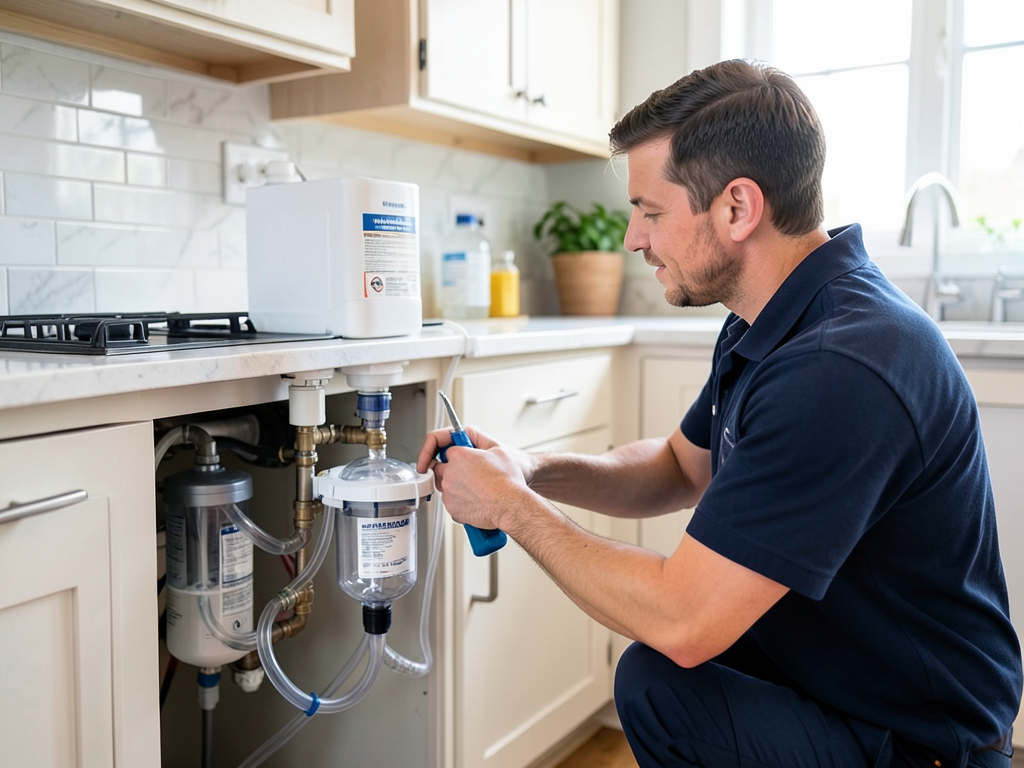
Professional water treatment falls into three categories: reverse osmosis ion exchange water softeners and scale inhibition systems. Each has different advantages for espresso machine protection.
Reverse osmosis systems remove 95-99% of dissolved minerals producing nearly pure water. However pure water is actually too aggressive for espresso. It can leach metals from your machine and produces flat-tasting coffee. RO systems for coffee applications include remineralization cartridges that add back optimal mineral levels.
RO systems typically cost $400-$800 installed plus $50-$100 annually for filter replacements. They produce waste water at a ratio of 3-4 gallons wasted per gallon purified. For a household making 2-3 espresso shots daily this waste is minimal.
Ion exchange water softeners replace calcium and magnesium ions with sodium or potassium ions. These systems are more affordable upfront typically $1,200-$2,500 installed for whole-house systems. They require periodic regeneration with salt or potassium pellets.
The sodium added by water softeners doesn’t significantly affect coffee taste at the levels produced. However some people prefer potassium salt for environmental reasons. Softened water protects all household appliances not just espresso machines.
Scale inhibition systems use polyphosphate or similar chemicals to keep minerals in suspension so they don’t precipitate as scale. These are often used in commercial settings and cost $300-$600 installed. They don’t remove minerals just prevent them from forming scale.
For Tarrytown homes we typically recommend RO systems with remineralization for espresso-dedicated lines or whole-house softeners if you have multiple coffee-related appliances. The right choice depends on your specific water chemistry and coffee habits.
Reverse Osmosis vs. Water Softeners: Which is Better for Coffee?
Feature | Reverse Osmosis with Remineralization | Ion Exchange Water Softener
———|————————————–|————————
Initial Cost | $400-$800 | $1,200-$2,500
Annual Maintenance | $50-$100 | $100-$200 (salt)
Water Waste | 3-4 gallons per gallon treated | None
Whole House Protection | No (point-of-use only) | Yes
Coffee Taste Impact | Optimal mineral balance | Slight sodium increase
Installation Complexity | Moderate | High
Filter Replacement Frequency | 6-12 months | N/A (regeneration)
Best For | Espresso enthusiasts, single machine | Multiple appliances, whole home
Reverse osmosis produces the highest quality water for coffee but requires more maintenance and produces waste water. The remineralization cartridge ensures your espresso has the right mineral content for proper extraction and flavor.
Water softeners are more convenient for whole-house protection and have lower operating costs over time. They’re ideal if you have hard water damage to other appliances like dishwashers water heaters and washing machines.
Scale inhibitors offer a middle ground providing protection at lower cost but without the water quality benefits of RO or the whole-house protection of softeners. They’re often used in commercial settings where water conservation is important.
Your choice should consider your budget environmental concerns and whether you want to protect just your espresso machine or your entire home’s plumbing system. Plumbing San Marcos.
Maintenance Tips to Extend the Life of Your Machine
Even with perfect water treatment your espresso machine needs regular maintenance. Daily cleaning prevents coffee oils and residue from building up alongside mineral scale.
Backflush your machine daily using espresso machine cleaner. This removes coffee oils from the group head and portafilter. For machines with a three-way solenoid valve backflushing is essential to prevent pressure buildup and valve failure.
Wipe down steam wands after each use to prevent milk residue from baking onto the metal. Milk proteins can interact with scale creating even more stubborn deposits that are harder to remove.
Empty and clean the drip tray daily. Standing water can develop bacteria and mineral deposits that affect machine performance and coffee taste.
Check water filters monthly if you have a point-of-use system. Replace cartridges according to manufacturer schedules typically every 6-12 months depending on usage and water quality.
Professional descaling should occur every 3-6 months even with good water treatment. This removes any scale that bypasses your filtration system. Use manufacturer-recommended descaling products not vinegar which can damage internal components.
Listen for changes in your machine’s sound. A failing pump often makes whining or grinding noises. Heating elements that are scaling up may make popping or clicking sounds as they struggle to maintain temperature.
Monitor shot times and temperatures. If your machine suddenly takes longer to heat up or shots pull more slowly scale buildup may be restricting water flow.
Keep your machine’s manual handy and follow the manufacturer’s maintenance schedule. Different machines have different needs based on their internal design and materials.
Professional Water Testing in Austin, TX
Water quality varies significantly across Austin neighborhoods due to different water sources and distribution systems. Tarrytown’s Edwards Aquifer water has different characteristics than water from Lake Travis or the Colorado River that serves other areas.
Professional water testing measures hardness in grains per gallon total dissolved solids in parts per million and specific mineral content. We also test for pH which affects how aggressively water interacts with metal components.
The testing process takes about 15 minutes. We collect samples from multiple points in your home’s plumbing to check for variations. Some homes have different water chemistry in different bathrooms or kitchens due to plumbing configurations.
We provide a detailed report showing your water’s exact mineral content hardness level and recommendations for treatment. This isn’t a generic test kit result but a professional analysis specific to your home’s water supply.
Based on the test results we recommend specific filtration systems matched to your espresso machine’s requirements and your household’s water usage patterns. We consider factors like available space installation location and your budget.
Installation typically takes 2-4 hours for point-of-use systems and 4-8 hours for whole-house installations. We handle all plumbing connections electrical work and testing to ensure your system works perfectly from day one.
Most filtration systems include a satisfaction guarantee and warranty on both equipment and installation. We also provide maintenance schedules and can handle ongoing filter replacements and system servicing.
Call (737) 316-0588 today to schedule your professional water test. Don’t wait until your expensive espresso machine fails. Prevention costs far less than emergency repairs or replacement. Finding an Emergency Plumber in Austin Who Actually Answers the Phone at 3 AM.
Frequently Asked Questions
How often should I descale my espresso machine if I have hard water?
Even with water treatment descale every 3-6 months using manufacturer-recommended products. Vinegar can damage internal components. If you notice reduced steam pressure or longer heat-up times descale immediately regardless of schedule.
Will a water softener make my coffee taste salty?
No. The sodium added by water softeners is minimal – typically less than 10-20 mg per 8-ounce cup. This is far less than the sodium in a slice of bread. Most people cannot taste the difference and many prefer the smoother taste of softened water coffee.
Can I install a water filtration system myself?
Point-of-use systems under sinks can be DIY for experienced homeowners but whole-house systems require professional plumbing. Incorrect installation can cause leaks void warranties and create code violations. Professional installation ensures proper connections and optimal performance.
How much does a whole-house water softener cost in Austin?
Installation typically costs $1,200-$2,500 depending on home size plumbing configuration and system capacity. This includes the softener unit installation labor and initial setup. Annual operating costs for salt or potassium are $100-$200.
Will water treatment affect my espresso machine’s warranty?
Using manufacturer-approved water treatment systems typically does not void warranties. However failure to use any water treatment with hard water often does void warranties when scale damage occurs. Check your machine’s manual for specific water quality requirements.