
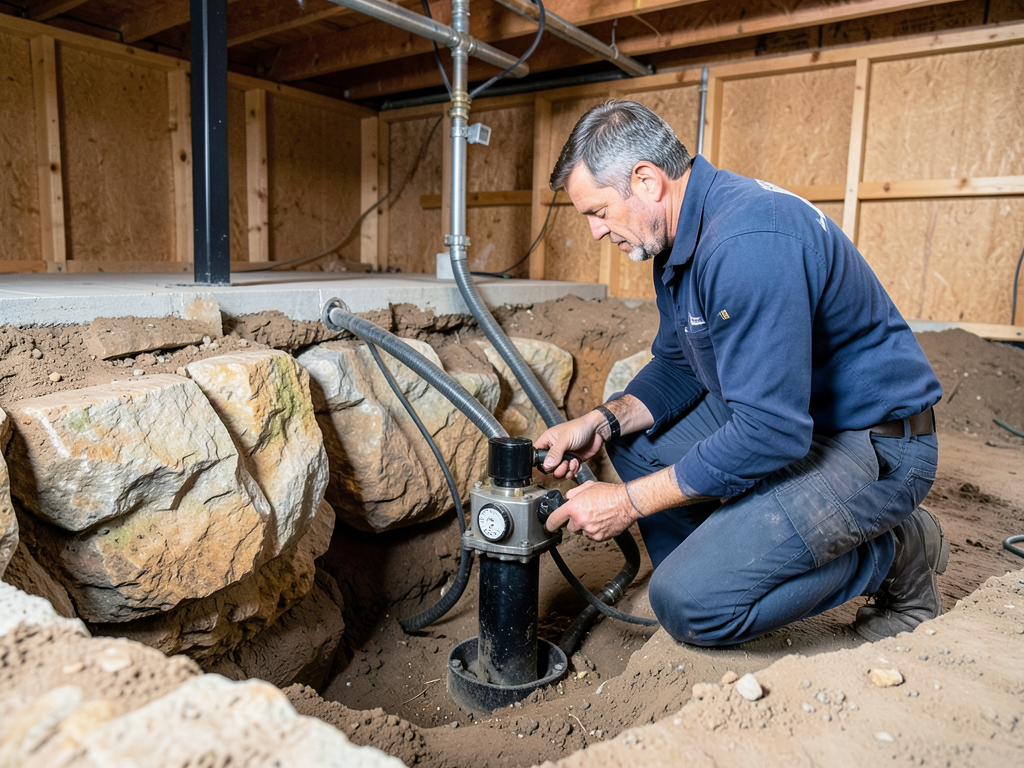
Preventing Floods in Your Barton Creek Home with a Professional Sump Pump Installation
Living in Barton Creek means enjoying beautiful Hill Country views and proximity to Barton Creek Greenbelt. It also means facing flash flood risks during Central Texas storms. Heavy rainfall can overwhelm natural drainage, sending water toward your home’s foundation. A professionally installed sump pump system protects your basement or crawl space from water damage by automatically removing excess water before it becomes a problem. Texas Commission on Environmental Quality.
Barton Creek homes sit on limestone-rich soil that absorbs water slowly. When storms hit, water pools quickly in low areas. Without proper drainage, hydrostatic pressure builds against foundation walls. This pressure forces water through cracks, joints, and porous concrete. A sump pump system gives water an escape route, preventing costly structural damage and mold growth. Professional Drain Cleaning Services to Clear Stubborn Clogs in South Congress Apartments.
Professional installation matters because Central Texas soil presents unique challenges. Limestone bedrock sits close to the surface in many Barton Creek neighborhoods. This makes excavation difficult and requires specialized equipment. A licensed plumber knows how to navigate these conditions while ensuring proper drainage away from your home’s foundation. Dealing with Central Texas Hard Water – The Best Water Softener Systems for Steiner Ranch Homes.
Why Barton Creek Homes Need Sump Pump Protection
Barton Creek sits in Flash Flood Alley, where intense rainfall events are common. The area receives about 34 inches of rain annually, with most falling during spring and fall storms. These concentrated downpours overwhelm natural drainage systems. Water follows gravity toward the lowest point, often your basement or crawl space. Water Heater Maintenance Tips.
The limestone-rich soil in Barton Creek creates additional drainage problems. Unlike sandy soils that drain quickly, limestone and clay mixtures hold water near the surface. During heavy rain, this creates temporary water tables that rise against foundation walls. Water seeks the path of least resistance, entering through foundation cracks or seeping through concrete.. Read more about Preventing Water Damage with a Smart Leak Detection System in Your Travis Heights Home.
Many Barton Creek homes were built before modern drainage requirements. Older construction methods didn’t account for today’s intense storm patterns. Homes near Barton Creek itself face additional risks from creek overflow during prolonged rainfall. A sump pump system provides insurance against these natural vulnerabilities.
Beyond flood protection, sump pumps prevent foundation damage. Water pressure against foundation walls causes cracks, shifting, and settling. Over time, this leads to expensive structural repairs. A properly installed system maintains consistent pressure around your foundation, extending the life of your home’s structure.
Types of Sump Pumps for Central Texas Homes
Submersible sump pumps install completely underwater in the sump pit. The motor and impeller operate submerged, making them quieter and more efficient than pedestal models. For Barton Creek homes, submersible pumps handle higher volumes of water and work better in deeper pits. They’re ideal for homes with finished basements where noise matters.
Pedestal sump pumps mount above the sump pit with only the intake pipe extending down. The motor stays dry and accessible for maintenance. These pumps cost less initially but handle smaller water volumes. They work well for shallow pits or homes with minimal flooding history. The exposed motor makes them easier to service but noisier during operation.
Battery backup systems provide protection during power outages. Central Texas storms often knock out electricity just when you need pumping most. A backup system automatically activates when main power fails. Most use deep-cycle marine batteries that last 4-6 hours of continuous operation. This gives you time to address the power issue or until the storm passes.
Combination units integrate primary and backup pumps in one package. The primary pump handles normal conditions while the backup activates for heavy loads or power loss. These systems offer the most comprehensive protection but cost more upfront. For Barton Creek’s flood-prone location, the investment often pays for itself in prevented damage.
The Installation Process for Barton Creek Soil Conditions
Professional installation begins with soil assessment. Barton Creek’s limestone bedrock requires specialized excavation techniques. A plumber uses ground-penetrating radar to locate bedrock depth before digging. This prevents equipment damage and ensures proper pit depth. The goal is creating a pit deep enough to collect water but not so deep that it hits solid rock.
Excavation typically reaches 24-36 inches deep, depending on soil conditions. Limestone chunks mixed with clay soil make digging challenging. Professional plumbers use jackhammers or rock saws to break through limestone layers. They also check for underground utilities before excavation begins. Texas law requires calling 811 to locate buried lines.
After excavation, plumbers install the sump basin and prepare the drainage system. The basin must sit level and stable in the pit. They add gravel around the basin for drainage and stability. The discharge pipe routing proves critical in Barton Creek’s hilly terrain. Water must flow away from the foundation by gravity or with proper slope.
Local building codes require specific installation standards. The City of Austin Plumbing Code (Section 312) mandates proper discharge pipe sizing and backflow prevention. Pipes must be Schedule 40 PVC or equivalent. Check valves prevent water from flowing back into the pit when the pump shuts off. This protects the motor from overheating and extends pump life. Plumbing San Marcos.
Cost Factors and Transparent Pricing
Sump pump installation costs vary based on several factors. Basic systems start around $1,200 for simple installations with existing drainage. Complex jobs involving limestone excavation or battery backup systems range from $2,500 to $4,500. The final price depends on pit depth, pump horsepower, and electrical requirements.
Pump horsepower affects both cost and performance. Standard residential pumps use 1/3 to 1/2 horsepower motors. Larger homes or areas with heavy water flow may need 3/4 horsepower units. Higher horsepower means faster water removal but increased energy consumption. A plumber calculates your needs based on pit size and expected water volume.
Basin size impacts installation complexity. Standard basins are 18-24 inches in diameter. Larger basins hold more water but require bigger pits. Some Barton Creek homes need custom-sized basins to fit existing crawl spaces or mechanical rooms. Custom fabrication adds $300-500 to the project cost.
Discharge line length affects both installation and ongoing costs. Longer runs require more pipe and fittings. They also need proper slope to ensure water flows away from the foundation. In Barton Creek’s hilly terrain, discharge lines may need to travel 50-100 feet to reach safe drainage areas. This adds $5-10 per linear foot to the project.
Maintenance and Repair Services for Long-Term Protection
Annual maintenance keeps your sump pump system reliable. A professional inspection includes checking the float switch operation, testing the pump under load, and cleaning the intake screen. They also verify the discharge pipe flows freely and check for leaks at all connections. These simple steps prevent failures during critical moments.
Battery backup systems need specific attention. Deep-cycle batteries last 3-5 years with proper care. Annual testing ensures they’ll work when needed. Maintenance includes checking water levels, cleaning terminals, and verifying charging systems function correctly. Replacing batteries before failure prevents protection gaps during storms.
Common repair issues include stuck float switches, burned-out motors, and clogged discharge lines. Float switches can jam if debris enters the pit. Motors overheat from continuous operation or power surges. Discharge lines clog with sediment or freeze during rare Central Texas cold snaps. Professional repairs address these issues quickly to restore protection.
Emergency repair services provide peace of mind. Most failures occur during heavy storms when you need protection most. Professional plumbers offer 24/7 emergency response for sump pump issues. They carry common replacement parts and can often repair systems the same day. This prevents water damage while permanent repairs are arranged. Finding an Emergency Plumber in Austin Who Actually Answers the Phone at 3 AM.
Building Code Compliance and Permit Requirements
City of Austin building codes govern sump pump installations. The Austin City Code (Chapter 25-12) requires permits for new installations. This ensures proper electrical connections and drainage compliance. Licensed plumbers handle permit applications and inspections as part of the installation process. This protects homeowners from code violations and potential fines.
Electrical requirements follow National Electrical Code standards. Sump pumps need dedicated GFCI-protected circuits. This prevents electrical shock hazards in wet environments. The code also mandates proper grounding and bonding of all metal components. These requirements protect both the equipment and anyone who might contact it during flooding.
Discharge requirements prevent environmental contamination. The Austin Code prohibits direct connections to sanitary sewer systems. This prevents overwhelming treatment plants during heavy rainfall. Instead, water must discharge to the yard, storm drains, or approved drainage systems. Professional plumbers ensure compliance with these requirements while protecting your property from erosion.
Backflow prevention protects your home’s water supply. Check valves prevent contaminated water from flowing back through the discharge pipe. This is especially important in Barton Creek where groundwater may contain minerals or bacteria. The Texas Commission on Environmental Quality mandates these protections to prevent cross-contamination of potable water systems.
Choosing the Right Professional for Your Installation
Experience with local soil conditions matters most. Barton Creek’s limestone bedrock requires specialized knowledge. Ask potential installers about their experience with Central Texas geology. They should understand excavation challenges and know how to work around limestone without causing damage to your property or underground utilities.
Proper licensing ensures code compliance. Texas requires Master Plumber licenses for sump pump installations. Verify license status through the Texas State Board of Plumbing Examiners website. Licensed plumbers carry insurance that protects you from liability if accidents occur during installation. This professional protection justifies the investment in qualified expertise.
References from local homeowners provide valuable insight. Ask for examples of Barton Creek installations they’ve completed. Local references prove they understand the area’s specific challenges. They should also provide warranty information and explain what’s covered. Quality installers stand behind their work with comprehensive warranties.
Emergency service availability matters for peace of mind. Sump pump failures often occur during storms when you need protection most. Choose a company that offers 24/7 emergency service. They should have quick response times and carry common replacement parts. This ensures you’re never left vulnerable during critical weather events.
Frequently Asked Questions
How long does sump pump installation take?
Most installations complete in one day. Simple replacements take 4-6 hours. Complex installations involving excavation or electrical work may require two days. Weather conditions and soil complications can extend timelines. Professional plumbers provide accurate estimates after evaluating your specific situation.
Can I install a sump pump myself?
DIY installation risks code violations, improper drainage, and equipment damage. Central Texas soil conditions make excavation difficult without proper equipment. Electrical connections require GFCI protection and proper grounding. Professional installation ensures compliance with Austin building codes and provides warranty protection for the equipment.
How often should I test my sump pump?
Test your system monthly during rainy seasons. Pour water into the pit to verify the float switch activates the pump. Listen for unusual noises that might indicate bearing wear. Check the discharge pipe for proper water flow. Annual professional maintenance catches issues before they cause failures.
What size sump pump do I need?
Pump size depends on pit volume, expected water flow, and discharge requirements. Most Barton Creek homes need 1/3 to 1/2 horsepower pumps. Homes with larger basements or higher water tables may require 3/4 horsepower units. A professional evaluation determines the right size for your specific needs.
Does homeowners insurance cover sump pump failures?
Standard policies often exclude groundwater flooding. You may need separate sump pump coverage or water backup riders. These cost $50-100 annually but provide valuable protection. Check your policy details and ask your insurance agent about coverage options for basement flooding.
Protect Your Barton Creek Home Today
Don’t wait for the next big storm to discover your home’s vulnerability to flooding. A professionally installed sump pump system provides reliable protection against Central Texas’s unpredictable weather patterns. The investment protects your foundation, prevents mold growth, and preserves your home’s value.
Professional installation ensures your system handles Barton Creek’s unique soil conditions and complies with all local building codes. From limestone excavation to proper discharge routing, experienced plumbers navigate the complexities that DIY attempts often miss. This expertise translates to reliable protection when storms hit.
Ready to protect your home from flood damage? Call (737) 316-0588 today to schedule your sump pump consultation. Our licensed plumbers will evaluate your property’s specific needs and recommend the right system for your home. Don’t let another storm season pass without proper protection.
Pick up the phone and call (737) 316-0588 before the next storm hits. Your home deserves professional protection against Central Texas flooding. Let our experienced team provide the peace of mind that comes with a properly installed sump pump system. For more information, visit Federal Emergency Management Agency.