
Plumbing Requirements for Adding a Second Bathroom to Your Holly Neighborhood Home
Adding a second bathroom to your Holly neighborhood home in 2026 requires understanding Austin’s specific plumbing codes, historic home challenges, and the permitting process through the City of Austin Development Services Department. The Holly area features many 1940s-1960s bungalows with pier and beam foundations that present unique plumbing routing challenges not found in newer suburban developments. City of Austin Development Services Department.
Before breaking ground, you need to know if your existing sewer line can handle the additional load, whether your water main needs upgrading, and what permits you’ll need from Travis County. This guide walks you through every technical requirement for a successful bathroom addition in Austin’s historic core. Water Heater Maintenance Tips.
Understanding Your Holly Home’s Foundation and Plumbing Infrastructure
Most homes in the Holly area were built between 1940 and 1970 on pier and beam foundations. This construction method creates a crawl space beneath the home where plumbing lines run exposed rather than through concrete slabs. While this makes future modifications easier in some ways, it also means your existing plumbing may be reaching the end of its service life. Plumbing San Marcos.
Many Holly neighborhood homes still have original galvanized steel water supply lines and cast iron sewer pipes. These materials corrode from the inside out and can fail without warning. The Austin Water Utility reports that homes built before 1970 have a 60% higher likelihood of experiencing water pressure issues and sewer line failures.. Read more about How to Get Paid by the City of Austin for Upgrading Your Old Toilets and Fixtures.
Before planning your bathroom addition, you need a professional plumbing inspection to assess your existing infrastructure. This includes checking water pressure at multiple fixtures, inspecting visible pipes for corrosion, and using a sewer camera to examine your main line. Homes within 500 feet of Waller Creek often have clay sewer lines that are particularly vulnerable to tree root intrusion. Professional Drain Cleaning Services to Clear Stubborn Clogs in South Congress Apartments.
City of Austin Permit Requirements for Bathroom Additions
The City of Austin Development Services Department requires permits for any new bathroom addition, regardless of size. You’ll need both a building permit and a plumbing permit. The process typically takes 2-4 weeks for review, and you cannot begin construction until permits are issued. Plumbing Pflugerville.
According to Austin Code Section 25-12-131, all new plumbing fixtures must connect to the existing sanitary sewer system. You cannot install a septic system within Austin city limits unless your property existed before the city’s sewer service area was established. Most Holly neighborhood homes are already connected to the municipal system.. Read more about Plumbing Tips for Building a Multi Unit Lot Under the New Austin Home Rules.
The permit application requires detailed plumbing plans showing fixture locations, pipe sizing calculations, and compliance with the International Plumbing Code as adopted by the City of Austin. You’ll need to demonstrate that your water heater has sufficient capacity for the additional fixtures and that your main water line can handle the increased demand.
Sewer Line Capacity and Tie-In Requirements
Adding a bathroom means connecting to your existing sewer line, which may be undersized for modern fixtures. The International Plumbing Code requires a minimum 4-inch main sewer line for homes with multiple bathrooms. Many older Austin homes have 3-inch lines that were adequate when the home was built but don’t meet current standards.
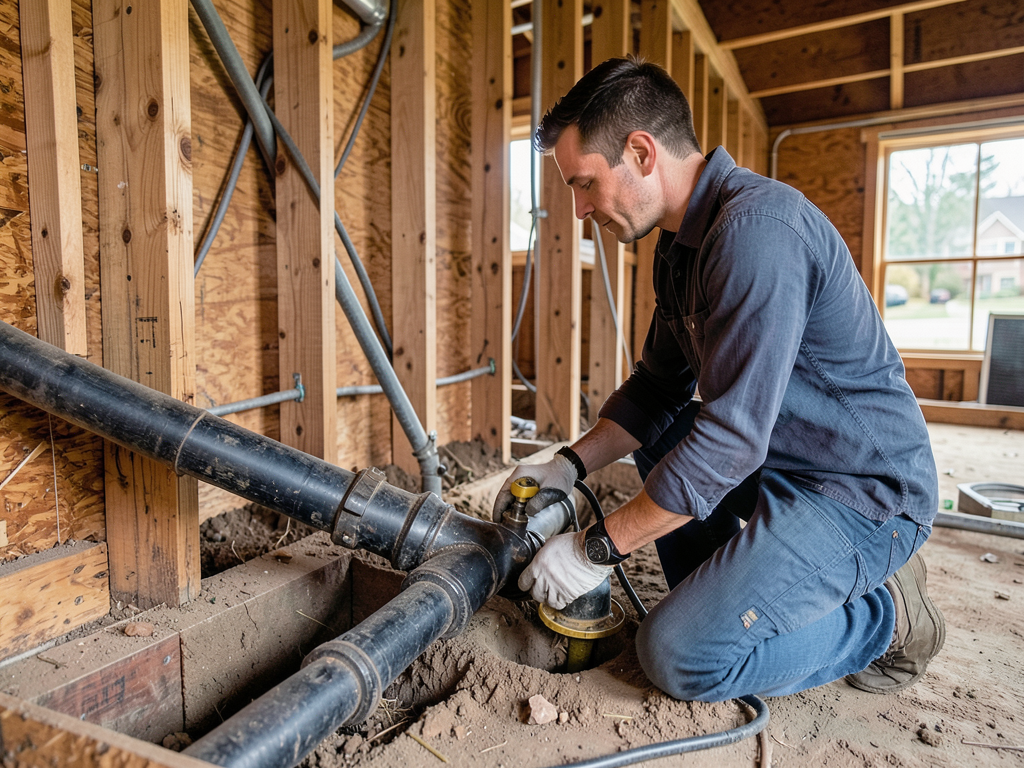
A sewer camera inspection will reveal whether your main line is the proper size and condition. If your line is deteriorated or undersized, you’ll need to replace it before adding new fixtures. This involves excavating from your home to the city sewer main, which typically runs under the street in front of your property.
The tie-in point must be located downstream from all existing fixtures to prevent backups. In pier and beam homes, this often means running new sewer lines through the crawl space and connecting them to the main stack. The connection must be made with approved couplings and tested for leaks before being covered.
Water Supply Upgrades for Additional Fixtures
Each new bathroom fixture adds demand to your home’s water supply system. A standard toilet requires 2.5 gallons per minute at 20-80 psi, while a shower can use 2.5 gallons per minute or more. If you’re adding a full bathroom with tub and shower, you may need to upgrade your main water line.
The City of Austin requires a minimum 3/4-inch main water line for homes with multiple bathrooms. Many older homes in the Holly area have 1/2-inch lines that were sufficient when the home was built but can’t support modern water usage patterns. Upgrading to a 1-inch line ensures adequate pressure for all fixtures.
You’ll also need to verify your water heater capacity. A standard 40-gallon tank may not provide enough hot water for simultaneous use of multiple fixtures. Tankless water heaters offer a space-saving solution, but they require proper venting and adequate gas supply lines if you’re using natural gas. Is Switching to a Tankless Water Heater Worth It for Your Cedar Park Home?.
Pier and Beam Plumbing Considerations
Working with pier and beam foundations offers both advantages and challenges for bathroom additions. The crawl space provides easy access to existing plumbing and allows for horizontal pipe runs without cutting through concrete. However, you must ensure proper insulation and protection from freezing temperatures.
All plumbing lines in crawl spaces must be properly insulated with foam pipe insulation rated for your climate zone. Austin’s occasional winter freezes can cause pipes to burst if they’re not protected. The 2021 winter storm showed that many older homes with exposed plumbing suffered significant damage.
You’ll need to create access points for future maintenance. This means installing cleanouts at strategic locations and ensuring shut-off valves are accessible. The Austin plumbing code requires a cleanout within 3 feet of the building sewer connection and at changes in direction greater than 45 degrees.
Venting Requirements for New Bathroom Fixtures
Proper venting is critical for any new bathroom addition. Each fixture must have a vent that connects to the home’s main vent stack, which extends through the roof. Without proper venting, you’ll experience slow drainage, gurgling sounds, and potentially dangerous sewer gas buildup.
The International Plumbing Code requires a vent pipe for each toilet, typically 2 inches in diameter. Showers and sinks can share vents in some configurations, but toilets must have dedicated vents. The total vent system must maintain a continuous path to the outdoors and cannot have traps or dips that could hold water.
In pier and beam homes, vents often run vertically through interior walls to the attic, then horizontally to the main stack. This requires careful planning to avoid conflicts with electrical wiring, HVAC ducts, and structural elements. The vent pipes must maintain proper slope and cannot be located where they might be damaged by future renovations.
Historic District Considerations in Holly
Parts of the Holly neighborhood fall within Austin’s historic districts, which means any exterior modifications require additional review. The Austin Historic Preservation Office must approve changes that affect the home’s facade, roofline, or site features. This includes vent stacks that extend through the roof.
Interior modifications generally don’t require historic review, but you should verify your property’s status before beginning work. The City of Austin provides an online map showing historic district boundaries. If your home is in a historic district, you may need to use specific materials or conceal plumbing modifications to maintain the home’s character.
Working with a plumber familiar with Austin’s historic districts can save you time and prevent costly mistakes. They’ll know which modifications require additional permits and how to design solutions that meet both modern plumbing requirements and historic preservation standards.
Cost Factors and Timeline for Bathroom Addition Plumbing
The total cost for plumbing a new bathroom in a Holly neighborhood home typically ranges from $8,000 to $15,000, depending on the complexity of the work. This includes permits, materials, labor, and inspections. Homes requiring main line replacement or water heater upgrades will be at the higher end of this range.
The timeline usually breaks down as follows: 2-4 weeks for permit review, 1-2 weeks for rough-in plumbing installation, 1 week for inspections, and 1 week for finish plumbing. Weather can impact the schedule, particularly if exterior excavation is required for sewer line work.
Many homeowners choose to combine bathroom addition plumbing with other renovations to maximize efficiency. For example, if you’re replacing galvanized water lines throughout the house, the plumber can install the new bathroom lines at the same time, potentially saving on labor costs.
Modern Solutions for Historic Home Plumbing
Today’s plumbing technology offers solutions that weren’t available when many Holly homes were built. PEX piping provides flexibility and freeze resistance that copper can’t match. It’s also easier to install in tight crawl spaces and can expand slightly if water freezes, reducing the risk of burst pipes.
Tankless water heaters mounted on exterior walls free up valuable interior space and provide endless hot water. Modern low-flow fixtures meet current water conservation standards while maintaining good performance. These fixtures can help offset the increased water usage from adding a new bathroom.
Smart plumbing technology allows you to monitor water usage and detect leaks before they cause major damage. Water sensors placed in crawl spaces can alert you to problems early, which is particularly valuable in older homes where plumbing issues might go unnoticed until significant damage occurs.
Choosing the Right Plumbing Contractor
Adding a bathroom to an older Austin home requires a plumber with specific experience in historic renovations and local code compliance. Look for a Texas State Board of Plumbing Examiners licensed master plumber with experience in the Holly area. They should be familiar with pier and beam construction, Austin’s permitting process, and the unique challenges of 1940s-1970s home plumbing. Texas State Board of Plumbing Examiners.
Ask potential contractors about their experience with similar projects in your area. A good plumber will inspect your existing system before providing a quote and will explain any necessary upgrades to meet current codes. They should also be able to coordinate with your general contractor and handle the permit process on your behalf.
Verify that the contractor carries proper insurance and can provide references from recent bathroom addition projects. The permitting process includes inspections at multiple stages, so you need a plumber who stands behind their work and ensures all inspections pass the first time.
Frequently Asked Questions
Do I need a permit to add a bathroom in Austin?
Yes. The City of Austin requires both building and plumbing permits for any new bathroom addition. The process includes plan review, inspections, and final approval before you can use the new fixtures.
How long does it take to get permits for a bathroom addition?
Permit review typically takes 2-4 weeks, depending on the complexity of your project and current workload at the Development Services Department. Simple additions may be approved faster, while projects requiring sewer line replacement take longer.
Can I keep my old cast iron sewer pipes when adding a bathroom?
It depends on their condition. If your cast iron pipes are in good condition and properly sized, you may be able to connect to them. However, most cast iron from the 1940s-1970s era is near the end of its service life and should be replaced during a major renovation.
Ready to Add Your Second Bathroom?
Adding a bathroom to your Holly neighborhood home is a significant investment that requires careful planning and expert execution. The unique characteristics of Austin’s historic homes, combined with modern plumbing requirements, make this a complex project that benefits from professional guidance.
Call (737) 316-0588 today to schedule a comprehensive plumbing inspection and consultation. Our experienced team understands the specific requirements for bathroom additions in Austin’s historic neighborhoods and can help you navigate the permitting process while ensuring your new bathroom meets all current codes and standards.
Don’t let plumbing challenges delay your renovation plans. With proper planning and expert installation, you can add valuable living space to your Holly home while protecting your investment for years to come.
You may also find this helpful. Comparing the Best Bidet Attachments and Toilets for Your East Austin Bathroom.