
If you own a home in Anderson Mill built between the late 1970s and mid-1990s, there’s a hidden danger lurking behind your walls that could cost you thousands in water damage. Gray polybutylene pipes, once hailed as the ‘pipe of the future,’ have proven to be a ticking time bomb in Central Texas homes. Texas Commission on Environmental Quality.
Polybutylene was installed in an estimated 6 to 10 million homes across the United States before being discontinued in 1996. In Austin’s hard water conditions, these pipes degrade faster than almost anywhere else in the country. The chlorine and chloramine in our municipal water supply attack the polymer structure, causing the pipes to become brittle and fail without warning. Austin Water Quality Report.
Most homeowners don’t discover they have polybutylene until water starts gushing through their ceiling or walls. By then, the damage is done. The good news is that replacement is straightforward when handled by experienced professionals who understand Austin’s specific plumbing challenges. Professional Drain Cleaning Services to Clear Stubborn Clogs in South Congress Apartments.
Call (737) 316-0588 today to schedule your inspection.
How to Identify Polybutylene Pipes in Your Anderson Mill Home

Polybutylene pipes are most commonly gray, but can also be blue, black, or silver depending on the manufacturer and installation date. The easiest way to identify them is to look in your attic, crawl space, or under sinks where the pipes are exposed.
Polybutylene has a distinctive dull finish and is much more flexible than copper or PVC. When you bend it slightly, it will flex without kinking. The pipes are typically 1/2 inch to 1 inch in diameter for residential use.
Look for the marking ‘PB2110’ stamped on the pipe surface. This is the ASTM designation for polybutylene tubing. If you see this marking, you have polybutylene pipes that need replacement.
Another telltale sign is the type of fittings used. Polybutylene systems often used acetal (plastic) fittings that connect sections of pipe. These fittings are particularly vulnerable to chlorine degradation and are often the first point of failure.
If you’re unsure, a professional plumber can perform a quick inspection using a moisture meter to check for hidden leaks behind walls where polybutylene is commonly run.
Why Austin’s Water Makes Polybutylene Pipes Fail Faster
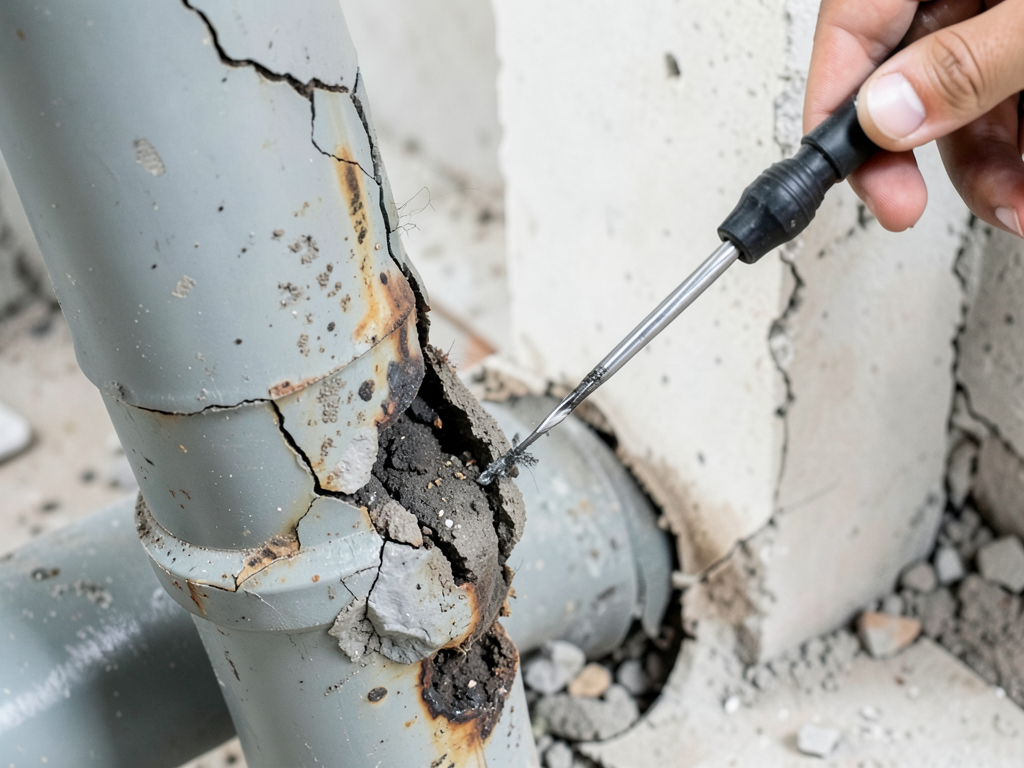
Austin’s municipal water treatment process creates the perfect storm for polybutylene degradation. The City of Austin Water Utility uses both chlorine and chloramine for disinfection, with chlorine levels typically ranging from 1.0 to 3.0 parts per million. Water Heater Maintenance Tips.
According to the Austin Water Quality Report, our water’s pH ranges from 7.8 to 8.5, which is slightly alkaline. This pH level, combined with the chlorine content, accelerates the oxidation process in polybutylene pipes.
The chemical reaction works like this: chlorine molecules penetrate the polybutylene polymer structure and cause chain scission, where the long polymer chains break down into shorter segments. This makes the material brittle and prone to cracking.
Central Texas’s hard water, with calcium hardness levels between 140-220 mg/L, compounds the problem. Mineral deposits form inside the pipes, creating stress points where cracks can develop more easily. Dealing with Central Texas Hard Water – The Best Water Softener Systems for Steiner Ranch Homes.
The Texas Commission on Environmental Quality (TCEQ) mandates specific chlorine levels for water safety, but these same levels that keep our water safe also destroy polybutylene from the inside out. There’s no way to treat the water to make polybutylene safe – replacement is the only solution.
Anderson Mill Neighborhoods Most at Risk
Anderson Mill, located in ZIP codes 78726 and 78750, saw significant development during the polybutylene era. The area’s rapid growth in the 1980s and early 1990s means thousands of homes still contain these problematic pipes.
Neighborhoods like Anderson Mill West, Cypress Mill, and areas near the Anderson Mill Road corridor were built primarily between 1980 and 1995. These homes are now 30 to 45 years old, well past the expected service life of polybutylene pipes.
The Parmer Lane corridor, which experienced a building boom in the early 1990s, also contains many polybutylene installations. Homes in these areas often have the pipes running through attics, making them particularly vulnerable to freeze damage during rare cold snaps.
Anderson Mill’s location in the Texas Hill Country means the soil composition includes clay with high shrink-swell potential. As the ground shifts seasonally, it puts additional stress on already compromised polybutylene pipes, accelerating their failure rate.
The area’s proximity to major infrastructure projects, including the ongoing MoPac improvement project, has also increased vibration levels in some neighborhoods. This vibration can cause hairline fractures in weakened polybutylene pipes to expand rapidly.
The Replacement Process: What to Expect
Replacing polybutylene pipes is a significant undertaking, but when done properly, it protects your home for decades. The process typically takes 3 to 5 days for an average-sized home, depending on the complexity of the plumbing system. Plumbing San Marcos.
First, we perform a comprehensive inspection using acoustic listening devices and thermal imaging to map the existing pipe locations. This helps us plan the most efficient replacement route while minimizing wall cuts.
We then create a detailed work plan that shows where new pipes will run and how we’ll maintain water service during the project. Most homeowners can expect to have water service restored each evening, though you may need to use bottled water for drinking and cooking during the day.
The actual replacement involves removing the old polybutylene and installing new PEX-a or copper piping. PEX-a is often preferred in Austin because it handles our hard water better and is more resistant to freeze damage than copper.
We use manifold systems for most replacements, which means each fixture gets its own dedicated line from a central distribution point. This improves water pressure and makes future maintenance easier.
After installation, we pressure test the entire system for 24 hours to ensure there are no leaks. We also flush the system thoroughly to remove any debris from the installation process.
Finally, we patch any wall cuts and repaint affected areas. The end result is a plumbing system that will last the life of your home without the worry of sudden catastrophic failure.
Cost Factors and Insurance Considerations
The cost to replace polybutylene pipes in an Anderson Mill home typically ranges from $4,000 to $15,000, depending on the home’s size and the complexity of the plumbing layout. Homes with multiple bathrooms, swimming pools, or extensive irrigation systems will be on the higher end of that range.
Several factors affect the final cost. Homes with accessible attics where pipes run above ceilings are less expensive to repipe than homes where pipes are embedded in concrete slabs or behind finished walls.
The choice between PEX and copper also impacts cost. PEX installation is typically 30-40% less expensive than copper and performs better in Austin’s conditions, making it the preferred choice for most homeowners.
Many homeowners insurance policies in Texas now specifically exclude coverage for polybutylene-related damage. Some insurers have even canceled policies or significantly raised premiums for homes known to have these pipes.
However, if you can show documentation of professional polybutylene replacement, many insurance companies will not only reinstate coverage but may offer premium discounts for the upgraded plumbing system.
Some homeowners have successfully filed claims for the cost of replacement under their insurance’s ‘water damage’ provisions, particularly if they can demonstrate that the pipes were at imminent risk of failure. This varies by policy and insurer, so it’s worth checking with your insurance agent.
The City of Austin requires permits for whole-house repiping projects, and the work must pass inspection by a licensed plumbing inspector. This ensures the work meets current building codes and provides documentation that may be required by future buyers or insurance companies.
Frequently Asked Questions
How long does polybutylene pipe replacement take?
Most whole-house replacements take 3 to 5 days, though complex homes may require up to a week. We work to minimize disruption and typically restore water service each evening.
Can I just replace the visible polybutylene pipes and leave the hidden ones?
No. Partial replacement leaves your home vulnerable to the same risks. The hidden pipes will still fail, and you’ll face the same problems plus the cost of additional repairs later.
Will replacing polybutylene pipes increase my home’s value?
Yes. Home inspectors flag polybutylene as a major defect, and buyers often demand price reductions or require replacement before closing. New plumbing is a selling point that can help your home sell faster and for a better price.
Do I need a permit to replace polybutylene pipes in Austin?
Yes. The City of Austin requires permits for whole-house repiping. The work must be performed by a licensed plumber and pass inspection to ensure it meets current plumbing codes.
What’s the difference between PEX-a and PEX-b for replacement?
PEX-a is more flexible, resists freeze damage better, and handles Austin’s hard water more effectively than PEX-b. While slightly more expensive, PEX-a typically provides better long-term performance in Central Texas conditions.
Don’t Wait for Disaster to Strike
Polybutylene pipes don’t give warning before they fail. One day they’re working fine, and the next you’re dealing with thousands of dollars in water damage, ruined belongings, and the stress of emergency repairs. Finding an Emergency Plumber in Austin Who Actually Answers the Phone at 3 AM.
Anderson Mill homes built before 1996 are living on borrowed time. The pipes installed 30+ years ago have already exceeded their expected service life, and Central Texas conditions are accelerating their deterioration.
Replacing polybutylene is not just about preventing leaks – it’s about protecting your home’s value, ensuring your insurance coverage remains valid, and giving you peace of mind. Once replaced with modern PEX or copper piping, you won’t have to think about your plumbing again for decades.
Call (737) 316-0588 today to schedule your inspection. Our experienced team can identify polybutylene in your home and provide a detailed replacement plan with transparent pricing. Don’t wait for water to start pouring through your ceiling – take action now to protect your Anderson Mill home.
Pick up the phone and call (737) 316-0588 before the next storm hits. We’re ready to help you eliminate this hidden danger and upgrade your home’s plumbing to modern standards that will last for generations.
You may also find this helpful. How Watering Your Foundation Can Actually Prevent Broken Pipes in Round Rock.