
How to Spot a Sewer Line Belly Before It Causes a Massive Backup in Great Hills
A sewer line belly in your Great Hills home can turn from a minor inconvenience into a catastrophic backup that floods your yard and damages your foundation. The key is catching it early. This guide shows you exactly what to look for based on 15 years of experience with Austin’s unique soil conditions. How to Tell if Your West Lake Hills Home Has a Slab Leak (And Who to Call for Repairs).
What is a Sewer Line Belly and Why Does it Happen in Great Hills
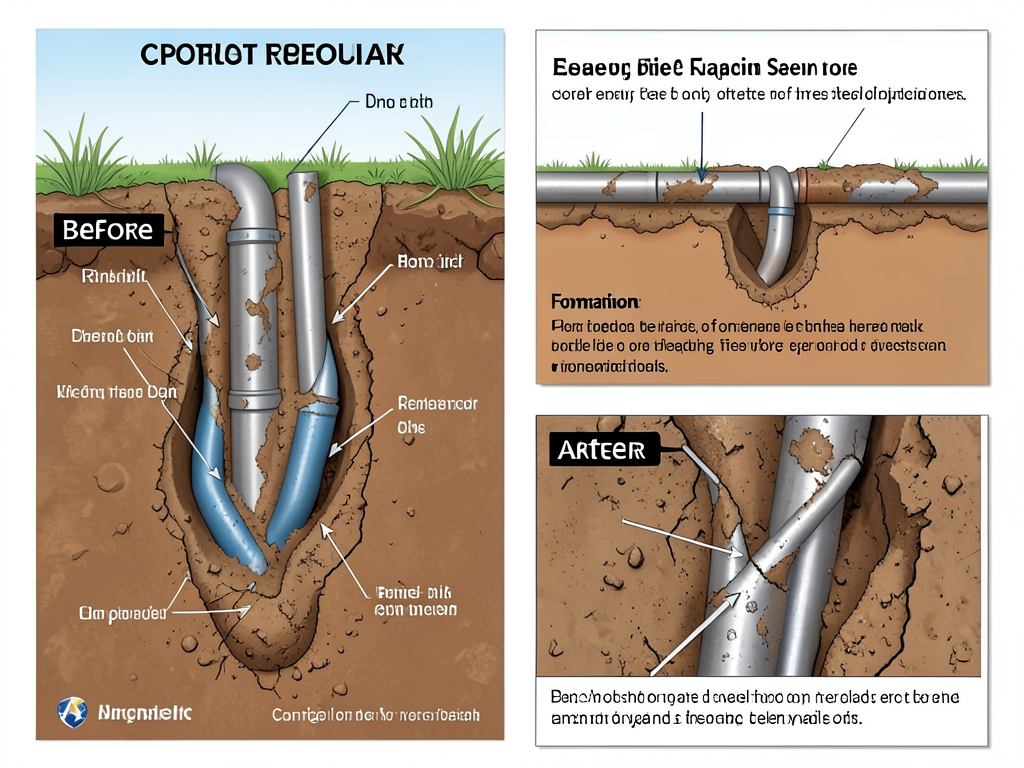
A sewer line belly forms when a section of pipe sags below the proper slope, creating a low spot where waste and water collect. In Great Hills, this happens because of the area’s expansive clay soil that expands when wet and contracts when dry, putting constant pressure on underground pipes. Water Heater Maintenance Tips.
Great Hills sits on the Austin Blackland Prairie, where the clay content can reach 50% in some areas. This soil type has a high shrink-swell capacity, meaning it moves significantly with moisture changes. When combined with the limestone bedrock common in northwest Austin, pipes often settle unevenly, creating the perfect conditions for bellies to form.
Most Great Hills homes were built between the 1980s and 2000s when PVC became the standard pipe material. While PVC resists corrosion better than older materials, it’s still vulnerable to soil movement. The combination of age, soil conditions, and sometimes improper initial installation creates the ideal environment for sewer bellies to develop.
Signs Your Great Hills Home Has a Sagging Sewer Pipe
Early detection can save you thousands in repair costs. Here are the warning signs that indicate you might have a sewer belly forming beneath your property.
Frequent Clogs That Keep Coming Back When waste gets trapped in a belly, it creates recurring clogs. If you’re plunging the same drain every few weeks or noticing multiple fixtures backing up at once, that’s a red flag. The clogs return because the belly fills up again after each clearing.
Gurgling Sounds From Drains and Toilets When water and waste move through a sagging pipe, they create air pockets and turbulence. You’ll hear gurgling sounds when flushing toilets or draining sinks, especially if the belly is partially blocked. This is the sound of waste struggling to move past an obstruction.
Slow Draining Throughout the House A belly affects the entire sewer line’s flow capacity. If all your drains are slow simultaneously, including toilets, sinks, and tubs, the problem is likely in the main sewer line rather than individual fixtures. This widespread slow drainage indicates a systemic issue.
Foul Odors Coming From Drains or Yard Waste sitting in a belly decomposes and releases gases. You might notice sewage smells from floor drains, cleanouts, or even your yard above the belly location. In Great Hills’ warm climate, these odors intensify quickly and can become overwhelming.
Wet Spots or Lush Grass Patches in Your Yard When a belly develops cracks or joints separate, sewage can leak into the surrounding soil. This creates wet areas that never dry out, or patches of grass that grow much greener and faster than surrounding areas due to the fertilizer effect of the sewage.
Foundation Cracks or Settlement Severe bellies can cause enough soil erosion to affect your home’s foundation. Look for new cracks in your foundation, uneven floors, or doors that suddenly stick. These structural issues often appear alongside sewer problems in Great Hills homes.
Professional Diagnosis: Sewer Camera Inspections
Visual symptoms can suggest a belly, but only a professional camera inspection can confirm its location, size, and severity. Here’s what the diagnostic process involves. Professional Drain Cleaning Services to Clear Stubborn Clogs in South Congress Apartments.
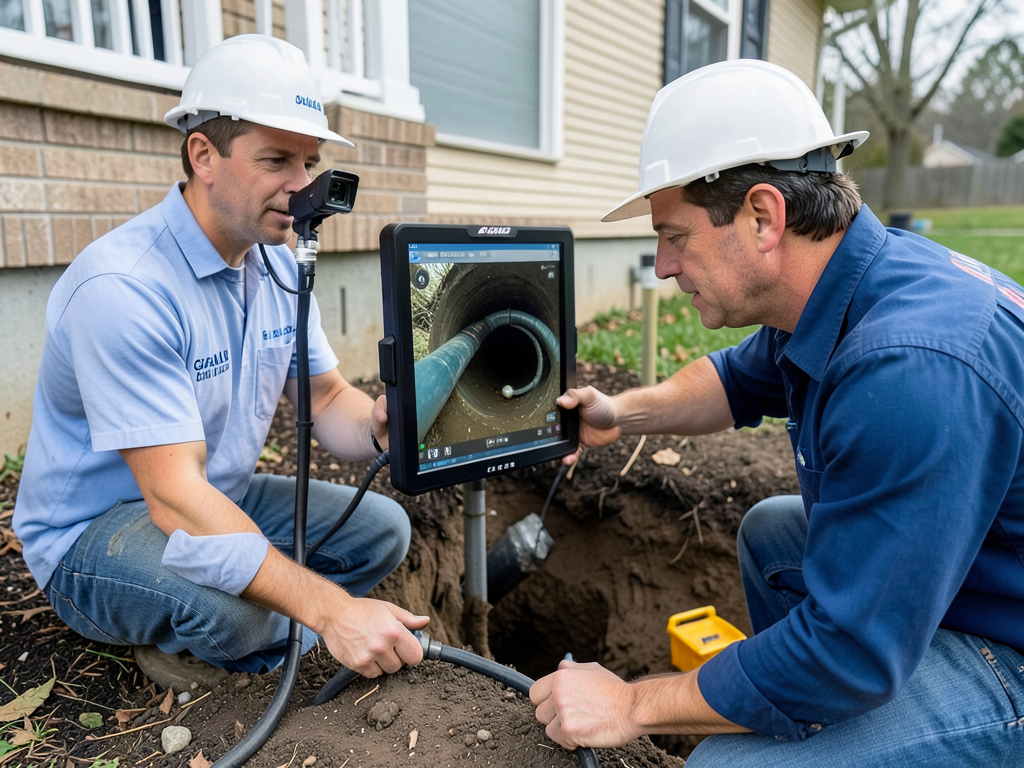
The Camera Inspection Process A licensed plumber runs a waterproof camera through your sewer line on a flexible cable. The camera sends real-time video to a monitor, showing the pipe’s interior condition. In Great Hills homes, technicians look specifically for low spots where waste pools, which appear as U-shaped sections where the pipe bottom is visible.
What Technicians Look For During inspection, professionals check for pipe diameter changes, joint separations, cracks, and root intrusions. They measure the slope using the camera’s built-in locator to determine if it meets the 1/4 inch per foot minimum required by the City of Austin Plumbing Code. Bellies typically show as horizontal sections where waste moves slowly or pools completely.
Locating the Problem Area Modern cameras include transmitters that help locate the exact depth and position of issues underground. This precision eliminates unnecessary excavation. For Great Hills properties, where many homes have mature trees and landscaping, knowing exactly where to dig saves significant restoration costs.
Documenting the Findings Professional inspections include video documentation and detailed reports with recommendations. The report shows the belly’s location, length, and severity, plus any contributing factors like root intrusion or pipe deterioration. This documentation is crucial for insurance claims and permit applications required by the City of Austin.
Repair Options: Trenchless vs. Traditional Excavation
Once a belly is confirmed, you need to choose a repair method. The right approach depends on the belly’s severity, location, and your property’s specific conditions.
Trenchless Pipe Lining This method involves inserting a flexible liner coated with epoxy resin into the existing pipe. The liner is inflated and cured in place, creating a new pipe within the old one. For minor bellies under 24 inches deep, this can be effective, but it doesn’t fix the underlying slope problem.
Pipe Bursting Technology This trenchless method pulls a new pipe through the old one while simultaneously breaking the damaged pipe outward. It’s ideal for replacing entire lines with bellies along their length. The new pipe is installed at the correct slope, eliminating the belly completely. This method works well in Great Hills where many properties have limited access for heavy equipment.
Traditional Excavation For severe bellies or when trenchless methods aren’t feasible, traditional digging may be necessary. This involves excavating to the damaged section, removing the sagging pipe, and installing new pipe at the proper slope. While more invasive, it’s sometimes the only option for bellies under driveways, foundations, or near large trees.
Spot Repair vs. Full Line Replacement Small bellies in accessible locations might only need spot repairs, where just the damaged section is replaced. However, if your line has multiple bellies or is near the end of its lifespan, full replacement often makes more economic sense. The decision depends on factors like pipe age, material, and overall condition.
Cost Considerations in Great Hills Trenchless repairs typically cost 30-50% more upfront than traditional methods but save on restoration costs. Traditional excavation might cost less for the pipe work but requires additional expenses for landscaping, concrete removal, and other restoration. Most Great Hills homeowners find trenchless methods more cost-effective when considering total project costs.
Why Great Hills Homeowners Trust Local Experts for Main Line Repairs
Sewer line repairs require specific expertise, especially in Great Hills where soil conditions and local regulations create unique challenges.
Local Soil Knowledge Great Hills plumbers understand how the area’s clay soil behaves differently than other Austin neighborhoods. They know which repair methods work best for the specific soil composition in your ZIP code, whether you’re in 78759, 78731, or 78726. This local expertise prevents repeat failures that often occur when out-of-area contractors don’t account for soil movement.
City of Austin Permit Expertise Sewer repairs in Austin require specific permits from the City of Austin Development Services Department. Local plumbers know exactly which forms to submit, when inspections are required, and how to coordinate with Austin Water utility. They also understand the backflow prevention requirements that apply to your specific property.
Insurance and Warranty Protection Professional sewer repair companies carry the proper insurance for this type of work, including pollution liability coverage. They also provide warranties on both materials and workmanship. In Great Hills, where property values are high, this protection is essential for your investment.
Emergency Response Capability When a sewer belly causes a backup, you need immediate help. Local Great Hills plumbers offer 24/7 emergency service because they know that sewer problems don’t wait for business hours. They arrive with the right equipment and can often diagnose and begin repairs the same day.
Long-term Prevention Strategies Beyond just fixing the immediate problem, experienced Great Hills plumbers provide advice on preventing future issues. This might include recommendations for proper drainage around your foundation, tree root management, or periodic maintenance schedules based on your specific property conditions.
Preventing Future Sewer Line Problems in Great Hills
After repairing a belly, take steps to prevent future issues. Here are maintenance strategies that work specifically for Great Hills properties.
Regular Camera Inspections Schedule professional camera inspections every 2-3 years, even if you’re not experiencing problems. This proactive approach catches developing issues before they become emergencies. For Great Hills homes, this is especially important given the soil movement that occurs seasonally.
Proper Drainage Management Ensure your property’s surface drainage directs water away from your sewer line path. In Great Hills, where some properties have significant slope changes, improper drainage can accelerate soil movement around pipes. Consider French drains or regrading if water tends to pool near your sewer line.
Tree Root Management Many Great Hills properties have mature trees whose roots can infiltrate sewer lines. If you have trees within 20 feet of your sewer line, consider root barriers or regular root treatments. Some tree species common in Great Hills, like oaks and pecans, have particularly aggressive root systems.
Water Usage Patterns Avoid putting excessive strain on your sewer line during wet seasons when soil is already saturated. Spread out laundry loads, dishwasher use, and other high-volume water activities. This reduces hydraulic pressure on the pipes when soil movement is most likely to occur.
Foundation Monitoring Keep an eye on your home’s foundation for signs of movement. In Great Hills, where soil expansion and contraction are common, foundation issues often correlate with sewer line problems. Early detection of either problem can prevent compounding damage.
Frequently Asked Questions
How much does it cost to repair a sewer belly in Austin?
Repair costs vary widely based on the method chosen and the belly’s location. Trenchless repairs typically start around $3,000-$5,000, while traditional excavation can range from $2,000-$10,000 depending on depth and restoration needs. Most Great Hills repairs fall in the $4,000-$7,000 range.
Can I prevent sewer bellies from forming?
While you can’t completely prevent bellies in Great Hills’ expansive clay soil, you can minimize risk. Proper initial installation with correct bedding material, avoiding heavy equipment over sewer lines, and maintaining consistent soil moisture around your foundation all help reduce belly formation.. Read more about How Austin’s Expansive Clay Soil Could Be Quietly Moving the Pipes Under Your Easton Park Home.
How long does sewer belly repair take?
Simple spot repairs can be completed in 4-6 hours. Trenchless line replacements typically take 1-2 days. Traditional excavation projects usually require 2-3 days plus additional time for restoration. Most Great Hills homeowners can expect their water service restored within 24 hours.
Will my homeowner’s insurance cover sewer belly repairs?
Standard policies usually don’t cover sewer line repairs, considering them maintenance issues. However, if the belly causes damage to your home or other structures, that damage might be covered. Some insurance companies offer optional sewer line coverage riders for an additional premium.
What’s the difference between a belly and a sag?
A belly is a more severe sag where waste actually pools and creates blockages. A sag might just mean the pipe isn’t at the ideal slope but still drains adequately. Both require attention, but bellies typically need more immediate repair to prevent backups.
- Watch for Warning Signs
Monitor for recurring clogs, gurgling sounds, slow drains, foul odors, and wet spots in your yard. These symptoms often appear 6-12 months before a major backup occurs.. Read more about What to Know Before Installing a Sewage Ejector Pump in Your Cat Mountain Basement.
- Schedule Professional Inspection
Call a licensed plumber to perform a camera inspection. This diagnostic test shows exactly where bellies form and their severity. Most inspections cost $200-$400 but save thousands in unnecessary repairs.
- Choose the Right Repair Method
Based on the inspection results, select between trenchless lining, pipe bursting, or traditional excavation. Consider factors like repair cost, property restoration needs, and long-term reliability.
- Take Preventive Action
After repairs, implement maintenance strategies like regular inspections, proper drainage management, and tree root control to prevent future problems in your Great Hills home.
Don’t Wait Until You Have a Flood in Your Great Hills Home
A sewer line belly won’t fix itself. What starts as a minor sag can quickly become a major backup that floods your home and yard with raw sewage. The clay soil in Great Hills makes this problem particularly common and potentially severe.
If you’re noticing any of the warning signs we’ve discussed, don’t wait for a disaster. A simple camera inspection can confirm whether you have a belly and show you exactly what needs to be done. Most inspections take less than an hour and provide the peace of mind that comes with knowing your home’s plumbing is functioning properly. Plumbing San Marcos.
Pick up the phone and call (737) 316-0588 today to schedule your inspection. Our experienced Great Hills plumbers have the local knowledge and equipment to diagnose and repair sewer line bellies quickly and correctly the first time. Don’t let a minor sag turn into a major emergency that costs you thousands in repairs and restoration. Finding an Emergency Plumber in Austin Who Actually Answers the Phone at 3 AM.
Remember, in Great Hills’ expansive clay soil, what seems like a small plumbing issue today can become a catastrophic failure tomorrow. Be proactive about your home’s plumbing health. Call (737) 316-0588 now and let us help you protect your biggest investment.
Great Hills homeowners trust us because we understand the unique challenges of Austin’s soil conditions and building practices. We’re not just plumbers; we’re your neighbors who know how to keep your home’s plumbing working properly in Central Texas conditions. Texas Commission on Environmental Quality plumbing standards. For more information, visit American Society of Sanitary Engineering.