
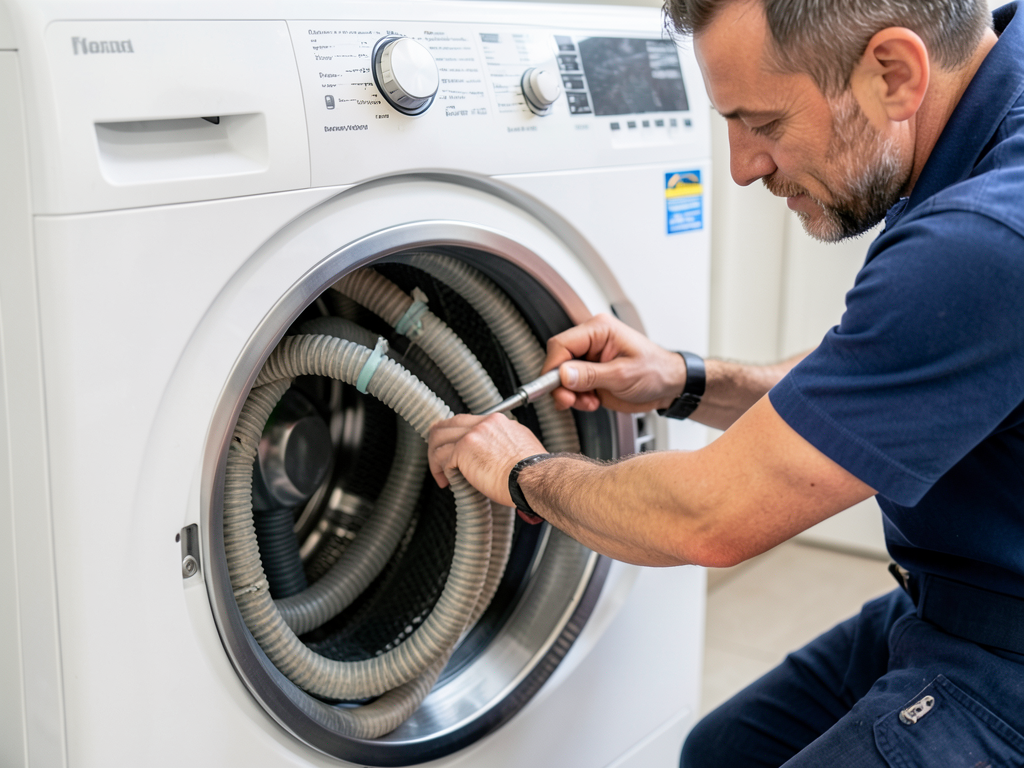
Hidden Signs Your Oak Hill Washing Machine Hoses Are About to Burst
Your washing machine hoses work silently behind the scenes, but when they fail, the damage can be catastrophic. In Oak Hill homes, where many properties have aging plumbing infrastructure, a burst washing machine hose can release up to 650 gallons of water per hour, causing thousands of dollars in damage before you even notice. Plumbing San Marcos.
Most homeowners don’t think about their washing machine hoses until disaster strikes. The rubber hoses installed with your washer typically last only 3-5 years, and the hard water common in Oak Hill accelerates their deterioration. By recognizing the warning signs early, you can prevent a flood that could destroy flooring, walls, and personal belongings. Water Heater Maintenance Tips.
This guide covers the hidden signs that your washing machine hoses are failing, why Oak Hill’s specific conditions make them vulnerable, and what to do before you need emergency water damage restoration. Finding an Emergency Plumber in Austin Who Actually Answers the Phone at 3 AM.
Why Oak Hill Homes Are Especially Vulnerable to Washing Machine Hose Failures
Oak Hill sits in a unique geographic area where several factors combine to create perfect conditions for washing machine hose degradation. The region’s hard water, with mineral content ranging from 8-10 grains per gallon, deposits calcium and magnesium inside rubber hoses. Over time, these mineral deposits create weak spots that eventually lead to bursts.. Read more about High Water Pressure and Why Your PRV Matters in Great Hills.
Additionally, many Oak Hill homes were built between the 1970s and 1990s, meaning they still have original plumbing components that have been exposed to decades of mineral-rich water. The area’s clay soil also contributes to foundation movement, which can stress the connections where washing machine hoses attach to wall valves. Plumbing Pflugerville.
According to the City of Austin Water Utility, the Edwards Aquifer water that serves Oak Hill contains higher mineral concentrations than other parts of the city, making hose replacement and maintenance particularly important for local homeowners. City of Austin Water Utility.
The Hidden Signs Your Washing Machine Hoses Are Failing
Most washing machine hose failures don’t happen suddenly. They give warning signs for weeks or months before catastrophic failure. Learning to spot these subtle indicators can save you from a major flood.
Visual Warning Signs
Start by pulling your washing machine away from the wall and examining the hoses. Look for these visual indicators:
- Bulging sections – When rubber hoses begin to fail, they develop weak spots that swell outward like a balloon. These bulges indicate the internal structure is breaking down.
- White, chalky deposits – Hard water leaves mineral buildup that appears as white, powdery residue on the hose surface or around connection points.
- Cracks or splits – Small surface cracks that look like dry skin indicate the rubber is aging and losing flexibility.
- Corrosion on fittings – Green or white corrosion around metal connections suggests water is seeping through microscopic openings.
Physical Warning Signs
Some signs require touching or manipulating the hoses to detect:
- Soft or spongy sections – Press along the hose length. If any section feels softer than others, that area is weakening.
- Uneven flexibility – Healthy hoses should bend uniformly. If one section is stiffer or more brittle, it’s deteriorating.
- Leaking connections – Even tiny drips at connection points indicate failing seals or cracked fittings.
Performance Warning Signs
Your washing machine’s operation can reveal hose problems:
- Longer fill times – If your washer takes longer to fill than it used to, mineral buildup may be restricting water flow through aging hoses.
- Unusual noises – Hissing or whistling sounds during fill cycles can indicate water forcing through restricted passages.
- Water pressure fluctuations – Inconsistent water pressure during washing cycles suggests partial blockages or hose weakness.
Step-by-Step Guide to Inspecting Your Washing Machine Hoses
Regular inspection can catch problems before they cause flooding. Here’s how to properly examine your washing machine hoses:
- Safety First
Unplug the washing machine and turn off both hot and cold water supply valves. This prevents electrical shock and water flow during inspection.
- Pull the Machine Forward
Gently slide the washing machine away from the wall, being careful not to kink or damage the hoses. You need about 2-3 feet of clearance to work comfortably.
- Visual Examination
Inspect the entire length of both hoses for bulges, cracks, discoloration, or mineral deposits. Pay special attention to areas near connection points.
- Physical Testing
Gently squeeze the hoses along their length. They should feel uniformly firm. Any soft spots indicate internal degradation.
- Connection Check
Examine where hoses connect to both the washing machine and wall valves. Look for corrosion, moisture, or loose fittings.
- Age Verification
If you can see manufacturing dates on the hoses, note them. Hoses older than 5 years should be replaced preventatively, regardless of visible condition.
Comparing Hose Materials: Which Option Protects Your Oak Hill Home Best?
Not all washing machine hoses offer the same level of protection. Understanding the differences can help you make the right choice for your home.
| Hose Type | Lifespan | Burst Pressure | Best For | Cost Range |
|---|---|---|---|---|
| Standard Rubber | 3-5 years | 150-200 PSI | Budget-conscious replacement | $10-15 per hose |
| Reinforced Rubber | 5-7 years | 200-250 PSI | Moderate protection needs | $15-25 per hose |
| Braided Stainless Steel | 7-10 years | 1500+ PSI | Maximum protection, hard water areas | $25-40 per hose |
Braided stainless steel hoses offer the best protection for Oak Hill homes due to their superior burst resistance and resistance to mineral buildup. The stainless steel braid prevents the rubber interior from bulging and bursting, while the smooth surface resists calcium deposits.
DIY Replacement vs. Professional Installation: What’s Right for Your Situation?
Replacing washing machine hoses seems straightforward, but several factors determine whether DIY or professional installation is safer for your home. Professional Drain Cleaning Services to Clear Stubborn Clogs in South Congress Apartments.
When DIY Replacement Makes Sense
You can handle replacement yourself if:
- Your shut-off valves turn easily without leaking
- You have basic plumbing tools (adjustable wrench, pliers)
- Your laundry connections are easily accessible
- You’re comfortable with simple mechanical tasks
When to Call a Professional Plumber
Professional installation is recommended when:
- Your shut-off valves are stuck or corroded
- You notice water damage around existing connections
- Your laundry area has limited access or unusual configurations
- You want peace of mind with proper installation
Professional plumbers can also inspect your entire laundry area for potential problems you might miss, such as slow leaks behind walls or inadequate drainage that could compound water damage if a hose does burst.
Emergency Shut-Off Procedures Every Oak Hill Homeowner Should Know
Even with the best prevention, hose failures can still occur. Knowing how to respond quickly can minimize damage significantly.
Locating Your Main Water Shut-Off Valve
In most Oak Hill homes, the main water shut-off valve is located:
- Near the water meter, typically in a ground-level box near the street
- Inside the garage, often near the water heater
- In a utility closet or basement
Practice locating and operating this valve when you’re not in an emergency. Turn it off and on to ensure it moves freely. A stuck valve during a flood emergency could cost you precious minutes.
Quick Response Steps During a Hose Burst
If you hear water gushing or see a hose spraying:
- Immediately turn off the washing machine if it’s running
- Locate and turn off the hot and cold shut-off valves behind the washer
- If those valves don’t work or you can’t reach them, run to the main shut-off valve
- Once water is stopped, begin removing standing water with towels or a wet vacuum
- Document damage with photos for insurance purposes
Local Building Code Requirements for Washing Machine Installations
The City of Austin Plumbing Code (Chapter 28-10) includes specific requirements for washing machine installations that many homeowners overlook. These codes exist to prevent exactly the kind of flooding that burst hoses cause.
According to the International Plumbing Code adopted by Austin with local amendments, washing machine installations must include: International Plumbing Code Chapter 28.
- Accessible shut-off valves for both hot and cold water supplies
- Properly secured drain connections that prevent backflow
- Adequate space for maintenance and emergency access
- Water hammer arrestors in homes with quick-closing valves
Older Oak Hill homes may not meet current code requirements, making professional inspection valuable even if you’re not experiencing problems. A licensed plumber can identify code violations that increase your flood risk.
Cost Comparison: Prevention vs. Emergency Response
Understanding the financial impact helps justify preventative maintenance. Here’s what different scenarios typically cost Oak Hill homeowners:
| Scenario | Typical Cost Range | Prevention Cost |
|---|---|---|
| Hose Replacement (DIY) | $30-50 | $30-50 |
| Professional Hose Replacement | $150-250 | $150-250 |
| Minor Water Damage Cleanup | $1,000-3,000 | $150-250 |
| Major Flood Restoration | $5,000-15,000 | $150-250 |
| Mold Remediation (if untreated) | $2,000-10,000 | $150-250 |
The math is clear: spending $150-250 on professional hose replacement and inspection costs far less than even minor water damage cleanup. For Oak Hill homes with older plumbing, this investment becomes even more critical.
Frequently Asked Questions
How often should I replace my washing machine hoses?
Replace standard rubber hoses every 3-5 years, regardless of visible condition. If you have hard water or your hoses are over 5 years old, replacement is overdue. Stainless steel braided hoses last 7-10 years but should still be inspected annually.
Can I use any type of hose for my washing machine?
No. Always use hoses specifically rated for washing machine use. These are designed to handle the water pressure and temperature fluctuations that occur during washing cycles. Using incorrect hoses can lead to premature failure.
What’s the best way to remember to check my washing machine hoses?
Link hose inspection to another regular maintenance task. Check them when you change your HVAC filter, test your smoke detectors, or at the start of daylight saving time changes. Setting a phone reminder for every six months works well too.
Does homeowners insurance cover water damage from burst washing machine hoses?
Most standard policies cover sudden, accidental water damage, which includes burst hoses. However, they typically don’t cover damage from slow leaks or lack of maintenance. Check your specific policy, as some require separate water backup coverage for comprehensive protection.
Should I replace both hot and cold water hoses at the same time?
Yes. Even if one hose looks fine, replace both simultaneously. They experience the same conditions and age at the same rate. Replacing only one hose means you’ll need another service call in a few months when the other fails.
Don’t Wait Until It’s Too Late
A burst washing machine hose can flood your Oak Hill home with hundreds of gallons of water in minutes, destroying floors, walls, and personal belongings. The warning signs are there if you know what to look for, but many homeowners miss them until it’s too late.
If you’re unsure about the condition of your washing machine hoses or want professional peace of mind, call (737) 316-0588 today to schedule a comprehensive plumbing inspection. Our experienced technicians will examine your entire laundry area, identify potential problems, and recommend the best solutions to protect your home from water damage.
Don’t let a $30 hose failure cost you thousands in repairs. Pick up the phone and call (737) 316-0588 before the next load of laundry becomes a flood emergency. Your home deserves professional protection.