
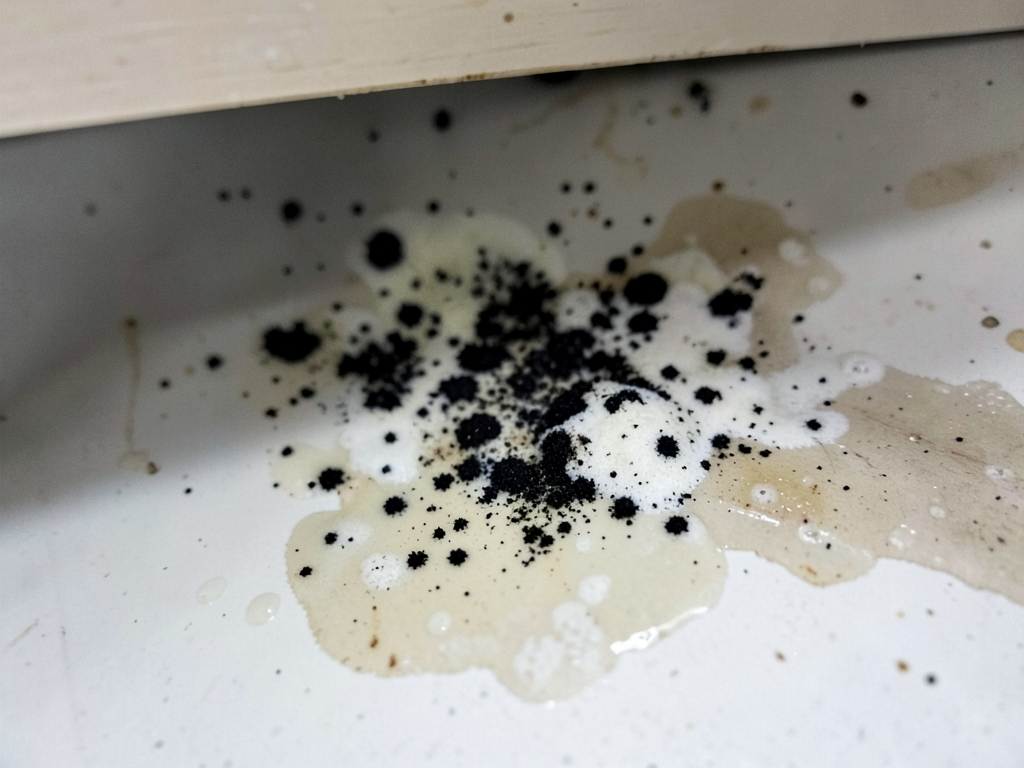
Dealing with Mold and Condensation Under Your Kitchen Sink During Austin Summers
During Austin’s brutal summer months when humidity levels routinely climb above 70 percent, homeowners often discover a troubling sight under their kitchen sink: black spots, fuzzy patches, or a musty smell that signals mold growth. This isn’t just an aesthetic problem. Mold under your sink indicates excess moisture that could be coming from a slow plumbing leak, condensation on cold pipes, or poor ventilation. Left untreated, it can damage cabinetry, compromise indoor air quality, and even pose health risks to your family. Plumbing San Marcos.
The good news is that most under-sink mold problems have straightforward solutions once you identify the source. Whether it’s a worn P-trap washer, a cracked supply line, or simply Austin’s notorious humidity causing pipes to sweat, understanding what’s happening behind that cabinet door is the first step to solving the problem permanently. This guide walks you through how to diagnose the cause, safely remove existing mold, and implement fixes that prevent it from returning.
Common Sources of Moisture Under Your Kitchen Sink
Before treating mold, you need to stop the moisture that feeds it. Under-sink areas are particularly vulnerable because they’re dark, enclosed, and often contain multiple potential leak points. The most frequent culprits include P-trap connections that have loosened over time, supply line fittings that have corroded or cracked, and garbage disposal mounts that have failed. Even something as simple as a loose dishwasher drain connection can send small amounts of water into the cabinet base where it never fully dries. Professional Drain Cleaning Services to Clear Stubborn Clogs in South Congress Apartments.
Another major factor specific to Austin is the extreme temperature differential between your cold water supply lines and the surrounding air during summer. When cold water flows through copper pipes, the surface temperature of the pipe often drops below the dew point of the humid air. This causes condensation to form on the outside of the pipe, creating a constant source of moisture that drips onto cabinet surfaces. Over weeks and months, this creates the perfect environment for mold spores to take hold and multiply. Water Heater Maintenance Tips.
Hard water in Central Texas also contributes to the problem. The high mineral content in Austin’s water supply leads to scale buildup inside pipes and on fittings. This scale can cause micro-fractures in supply lines or create uneven surfaces where mold can more easily establish itself. If you notice white crusty deposits around your fittings along with the mold, hard water is likely accelerating the deterioration of your plumbing components. Dealing with Central Texas Hard Water – The Best Water Softener Systems for Steiner Ranch Homes.
Health Risks: When Mold Becomes Dangerous
Not all mold under your sink is created equal. Surface mildew that appears as white or gray patches is primarily a cosmetic issue that cleaning can resolve. However, if you’re seeing black or dark green growth with a slimy texture, you may be dealing with more concerning species like Stachybotrys chartarum, commonly known as black mold. This type of mold produces mycotoxins that can cause respiratory problems, especially in children, elderly individuals, or those with asthma or allergies.
The EPA recommends professional remediation when mold covers more than 10 square feet or when it’s growing on porous materials like wood cabinet bases. Even smaller areas can be hazardous if the mold is disturbed during cleaning, releasing spores into the air. You’ll know you need to be cautious if the mold has a strong musty odor, if it’s spreading rapidly, or if anyone in your household is experiencing unexplained respiratory symptoms like coughing, sneezing, or throat irritation.
Beyond the immediate health concerns, persistent moisture under your sink can lead to structural damage. Particleboard cabinet bases absorb water like a sponge, swelling and losing their structural integrity. This creates soft spots that can collapse under the weight of cleaning supplies or cause cabinet doors to misalign. In severe cases, the moisture can spread to adjacent walls or flooring, leading to much more expensive repairs than simply fixing a plumbing leak. Plumbing Pflugerville.
Safe DIY Mold Removal for Small Areas
If the mold covers less than 10 square feet and you’ve identified and fixed the moisture source, you can often handle removal yourself with proper safety precautions. Never attempt mold removal without wearing an N95 respirator mask, nitrile gloves, and eye protection. Mold spores are microscopic and can cause serious respiratory issues if inhaled. Also, avoid using bleach on porous surfaces like wood, as it doesn’t penetrate deeply enough to kill mold roots and can actually promote further mold growth by adding moisture.
For small areas, a solution of one part white vinegar to one part water in a spray bottle works effectively to kill most common household molds. Spray the affected area thoroughly, let it sit for at least 60 minutes, then scrub with a stiff brush. Follow up with a second application and allow the area to air dry completely. For added protection, you can then spray with undiluted vinegar and let it dry without rinsing, as vinegar creates an acidic environment that inhibits future mold growth.
After cleaning, use a moisture meter to verify that cabinet materials have dried to below 16 percent moisture content before replacing any items. This is crucial because even slightly damp surfaces will allow mold to return within days. Consider placing a small fan in the cabinet for 24-48 hours after cleaning to ensure complete drying. If you notice the mold returning within a week or two, this indicates you haven’t fully addressed the moisture source and need to investigate further.
The Austin Factor: How Local Climate Impacts Under-Sink Moisture
Austin’s climate creates unique challenges for preventing under-sink mold. Our hot, humid summers mean that even well-sealed cabinets experience temperature fluctuations that promote condensation. The city’s location in the Texas Hill Country also means we deal with occasional cold snaps in winter that can cause pipes to sweat when warmer air returns. This year-round moisture cycling makes under-sink areas particularly vulnerable compared to homes in drier climates.
Central Texas’s hard water, which contains high levels of calcium and magnesium, accelerates the deterioration of plumbing fittings. These minerals precipitate out of the water and form scale deposits that can cause compression fittings to loosen or supply line connections to fail. When combined with the thermal expansion and contraction that occurs with our extreme temperature swings, this creates a perfect storm for slow leaks that go unnoticed until mold appears.
Many Austin homes, particularly those built before 2000, have cabinetry that wasn’t designed with modern moisture barriers. The particleboard used in these cabinets is especially susceptible to water damage and mold growth. If you live in an older neighborhood like Hyde Park or Bouldin Creek, your under-sink area may lack the water-resistant materials and proper sealing that newer construction includes. Upgrading to marine-grade plywood or installing a water alarm can provide additional protection against future moisture problems.
Professional Solutions: Leak Detection and Pipe Replacement
When DIY efforts fail or when you’re dealing with extensive mold growth, it’s time to call a professional plumber. A licensed plumber can use moisture meters, acoustic leak detectors, and thermal imaging cameras to pinpoint the exact source of the problem without tearing apart your entire cabinet. This diagnostic approach saves time and money by identifying whether you need a simple fitting replacement or a complete supply line upgrade.
Professional leak detection often reveals issues homeowners miss, such as slow drips from garbage disposal mounting rings, cracked faucet supply lines that only leak under pressure, or failed dishwasher air gap connections. These problems can release tiny amounts of water continuously, creating the perfect environment for mold while staying hidden from view. A thorough inspection also includes checking the condition of shut-off valves, which can deteriorate internally while appearing normal externally.
For Austin homes with persistent condensation issues, plumbers can install pipe insulation sleeves or apply anti-sweat coatings to cold water lines. These solutions are particularly effective in homes where the plumbing runs through unconditioned spaces or in cabinets with poor air circulation. In some cases, installing a small ventilation fan in the cabinet or improving under-sink airflow can reduce moisture levels enough to prevent future mold growth without any plumbing repairs at all.
Preventing Future Mold Growth Under Your Sink
Once you’ve addressed the immediate mold problem, prevention becomes your best defense. Start by checking under your sink monthly for signs of moisture, including water stains, mineral deposits, or musty odors. Early detection of small leaks can prevent major mold outbreaks and expensive repairs. Consider placing a water alarm in the cabinet that will sound when it detects moisture, giving you advance warning before significant damage occurs.
Improving ventilation is crucial in Austin’s humid climate. If possible, leave cabinet doors slightly ajar when humidity is high or when you’re away from home for extended periods. This allows air circulation that helps prevent condensation buildup. For homes with severe humidity problems, a small, thermostatically controlled cabinet fan can automatically activate when moisture levels rise above safe thresholds.
Consider upgrading your plumbing components to materials that resist corrosion and scale buildup. PEX supply lines, for example, are less susceptible to the mineral deposits that plague copper pipes in hard water areas. Stainless steel braided supply lines offer superior durability compared to traditional copper or chrome lines. While these upgrades require an initial investment, they can save thousands in potential water damage repairs and mold remediation costs over the life of your home.
When to Call a Professional Plumber
Certain situations require professional expertise to resolve safely and effectively. If you discover mold covering more than 10 square feet, if the mold keeps returning after cleaning, or if you notice signs of structural damage to your cabinets or flooring, it’s time to call a licensed plumber. Additionally, if you’re unsure about the source of the moisture or if you lack the tools to properly diagnose the problem, professional help can prevent costly mistakes.
Professional plumbers bring specialized equipment that can detect leaks behind walls or under flooring without destructive testing. They can also identify code violations or outdated plumbing materials that may be contributing to your moisture problems. In Austin, where many homes have unique plumbing configurations due to the city’s rapid growth and varied construction eras, local expertise is invaluable for diagnosing and solving these issues efficiently.
Don’t wait until a small mold problem becomes a major health hazard or structural issue. If you’re seeing signs of moisture under your sink, call (737) 316-0588 today to schedule a comprehensive inspection. Our experienced technicians will identify the root cause, provide a clear action plan, and ensure your home stays mold-free through Austin’s toughest weather conditions.
Frequently Asked Questions
Why does mold keep coming back under my kitchen sink?
Recurring mold indicates an ongoing moisture source that hasn’t been fully addressed. This could be a slow leak, persistent condensation, or poor ventilation. Even after cleaning, mold spores remain dormant until moisture returns. You need to identify and fix the moisture source completely, not just treat the visible mold.
Can I use bleach to kill mold under my sink?
Bleach is not recommended for porous surfaces like wood cabinets because it doesn’t penetrate deeply enough to kill mold roots and can add moisture that promotes further growth. For non-porous surfaces, a diluted bleach solution can work, but vinegar or commercial mold removers are often more effective and safer for indoor use.
How much does professional mold remediation cost in Austin?
Costs vary widely depending on the extent of the problem. Small areas under 10 square feet might cost $200-$500 to clean and repair, while extensive mold damage requiring cabinet replacement can range from $1,000 to $3,000 or more. Professional leak detection typically adds $150-$350 to the total cost.
Will my homeowner’s insurance cover mold under the sink?
Most standard policies cover mold if it results from a sudden, accidental plumbing failure, but they typically exclude mold caused by ongoing maintenance issues or humidity problems. Check your specific policy details, as coverage can vary significantly between insurance providers and policy types.
How can I prevent condensation on pipes during Austin summers?
Insulating cold water pipes with foam sleeves is the most effective prevention method. You can also improve cabinet ventilation, use a dehumidifier in the kitchen, or install anti-sweat valve mixing valves that add a small amount of hot water to cold supply lines to raise their temperature above the dew point.
Additional Resources
For more information about indoor air quality and mold prevention, visit the EPA’s mold guide. You can also learn about Austin’s water quality and hard water issues from the City of Austin’s Water Utility website. If you’re concerned about potential health effects from mold exposure, the CDC provides comprehensive information about mold and health risks.
Don’t let mold under your kitchen sink become a bigger problem. Call (737) 316-0588 today to schedule your inspection and protect your home from moisture damage. Our team serves all of Austin and surrounding communities with fast, reliable service that gets to the root of your plumbing problems.