
Choosing Between a Traditional Sump Pump and a Battery Backup for Your Far West Basement
Living in Far West Austin means dealing with sudden storms and flash flooding that can overwhelm your basement’s drainage system. When heavy rain hits and the power goes out, a standard sump pump becomes useless just when you need it most. A battery backup system provides critical protection during Austin’s frequent thunderstorms and winter power outages, keeping your home dry when traditional pumps fail. Professional Drain Cleaning Services to Clear Stubborn Clogs in South Congress Apartments.
Far West neighborhoods like Rob Roy and Jester Estates sit on sloped terrain where water naturally flows toward foundations during heavy rain. The combination of Austin’s clay soil and intense storm bursts creates perfect conditions for basement flooding. A properly sized battery backup system automatically activates when the primary pump loses power or can’t keep up with incoming water volume. Water Heater Maintenance Tips.
Understanding Far West Austin’s Flooding Risks
Far West Austin experiences unique drainage challenges due to its location west of MoPac and north of Lake Austin. The area’s hilly topography and proximity to the Colorado River watershed create flash flood potential during summer thunderstorms. When storms drop several inches of rain in an hour, Far West basements can fill quickly without adequate pumping capacity.
Central Texas clay soil expands when saturated, creating hydrostatic pressure against basement walls. This pressure forces water through tiny cracks and joints. During Austin’s 2021 winter storm, many Far West homes lost power for days while facing freezing temperatures and melting snow. Traditional sump pumps without backup systems failed, causing extensive water damage. Dealing with Central Texas Hard Water – The Best Water Softener Systems for Steiner Ranch Homes.
Far West homes in zip codes 78735 and 78746 often have deeper basements due to the area’s rolling hills. Deeper basements require more powerful pumps and larger battery capacity to handle the increased water volume. The average Far West basement needs a pump rated for at least 2,400 gallons per hour during peak storm conditions. How to Tell if Your West Lake Hills Home Has a Slab Leak (And Who to Call for Repairs).
Traditional Sump Pump Systems
A standard sump pump consists of a submersible or pedestal pump installed in a basin below your basement floor. The pump activates when water reaches a specific level, pushing water through discharge pipes away from your foundation. Far West homes typically need 1/3 to 1/2 horsepower pumps depending on basement depth and soil conditions.
Traditional pumps connect directly to your home’s electrical system and operate whenever the power is on. During normal conditions, they handle routine groundwater seepage and moderate rainfall. However, when Austin’s severe thunderstorms knock out power, these pumps stop working immediately. EPA WaterSense sump pump efficiency guidelines.
Far West clay soil retains moisture longer than sandy soils, meaning pumps run more frequently during wet seasons. This constant cycling can wear out traditional pumps faster, especially older models without thermal protection. Most standard pumps last 5-7 years in Austin’s climate before needing replacement.
Battery Backup Sump Pump Systems
Battery backup systems provide independent power during outages using deep-cycle marine batteries. These systems activate automatically when the primary pump fails or when water levels rise too quickly. Far West homes benefit from backup systems that can run for 24-72 hours depending on battery capacity and pumping frequency.
Modern battery backups include smart monitoring that alerts homeowners via smartphone when the system activates or when battery levels drop. This technology proves valuable during Austin’s unpredictable storm patterns, where power can be restored in hours or remain out for days.
AGM (Absorbent Glass Mat) batteries perform better than traditional lead-acid batteries in Texas heat. AGM batteries resist vibration, require no maintenance, and operate safely in confined sump pump basins. They typically last 3-5 years in Austin’s high-temperature environment before needing replacement.

Diagram showing battery backup sump pump installation with primary and secondary pump connections, battery placement, and alarm system integration
Comparing Pump Performance in Central Texas Conditions
| Pump Type | Peak Capacity (GPH) | Battery Runtime | Heat Tolerance | Maintenance Needs |
|---|---|---|---|---|
| Standard 1/2 HP | 3,600 | N/A | Good | Annual cleaning |
| Battery Backup 1/2 HP | 2,400 | 24-72 hours | Excellent | Battery every 3-5 years |
| Combination System | 3,600 | 24-48 hours | Excellent | Annual + battery |
Far West basements typically need combination systems that provide both high-capacity pumping and backup power. During Austin’s heaviest storms, water can enter basements at rates exceeding 2,000 gallons per hour. A single pump system often cannot keep pace with this volume while also handling power outages.
Water-powered backup systems offer an alternative for homes with municipal water supply. These systems use water pressure to operate a secondary pump during power outages. However, they require consistent water pressure and can increase water bills during extended use.
Installation Considerations for Far West Homes
Far West basements often require custom installation due to varying depths and access challenges. Homes in Rob Roy and similar neighborhoods may need additional drainage channels or French drains to direct water to the sump basin effectively. The installation process typically takes 4-6 hours for a standard replacement.
Local building codes in Austin require proper discharge of sump pump water at least 10 feet from foundations. Far West homes must also comply with City of Austin plumbing code requirements for backwater valves and proper venting. Licensed plumbers must pull permits for new installations or major replacements. Plumbing San Marcos.
The sump basin size matters in Far West conditions. Larger basins hold more water before pumps activate, reducing cycling frequency and extending pump life. A 20-30 gallon basin works well for most Far West basements, providing adequate storage during power transitions.
Technician installing battery backup sump pump system in Far West Austin basement, showing pump connections and battery mounting
Cost Factors and Investment Protection
Battery backup systems cost 40-60% more than standard pumps but provide essential protection against water damage. Far West homeowners typically invest $1,200-$2,500 for a complete system including installation. This investment prevents potential $10,000+ in water damage repairs from a single flooding event.
Insurance companies often offer premium discounts for homes with battery backup systems. The reduced risk of water damage claims makes these systems attractive to insurers serving the Austin market. Some policies even require backup systems for homes in flood-prone areas.
Energy costs in Austin average 12-15 cents per kilowatt-hour. Battery backup systems draw minimal power during standby but can consume significant energy during extended operation. AGM batteries provide better efficiency than older lead-acid types, reducing long-term operating costs.
Maintenance Requirements for Austin’s Climate
Austin’s heat and humidity create specific maintenance needs for sump pump systems. Annual maintenance should include cleaning the basin, testing the backup system, and checking battery water levels if using traditional batteries. Far West homes benefit from bi-annual inspections before rainy seasons.
Testing procedures involve pouring water into the basin to verify both primary and backup pumps activate correctly. The alarm system should sound when backup activates, confirming proper operation. Many Far West homeowners schedule maintenance in late summer before fall’s heaviest rains arrive.
Battery terminals require cleaning to prevent corrosion in Austin’s humid environment. Applying dielectric grease helps maintain connections and extends battery life. Temperature monitoring becomes important as batteries lose capacity in extreme heat.
Smart Technology Integration
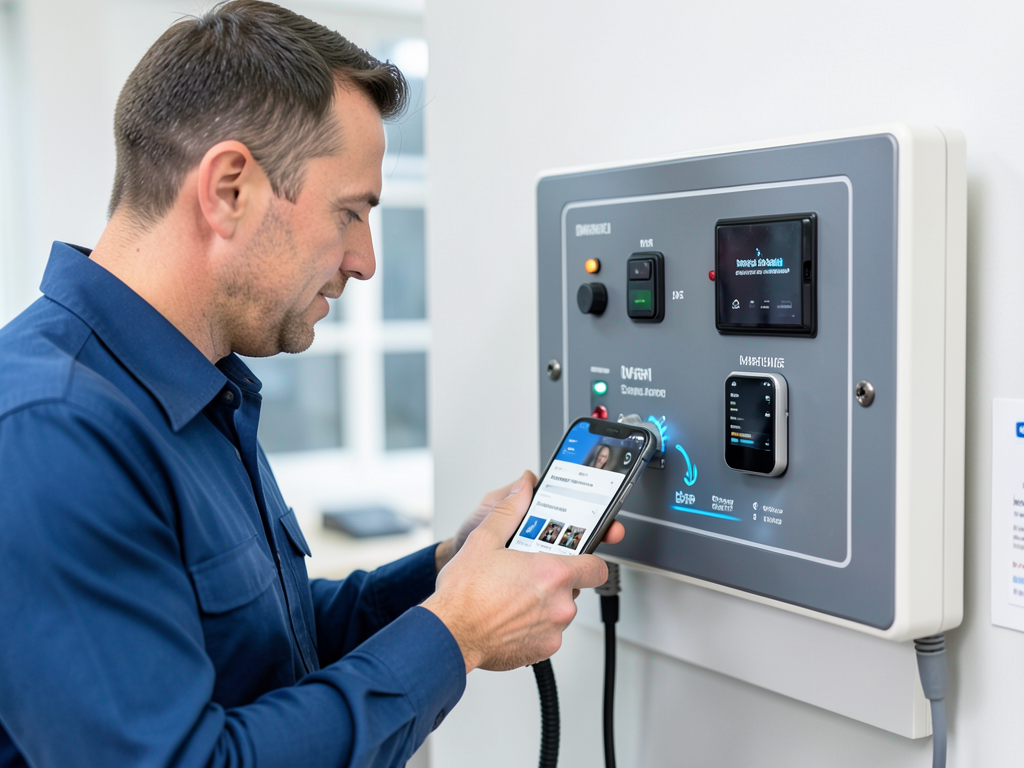
Modern battery backup systems offer WiFi connectivity and smartphone alerts. These features notify homeowners when pumps activate, batteries need replacement, or system failures occur. Far West residents appreciate remote monitoring while traveling during storm seasons.
Smart systems can integrate with home automation platforms, allowing control through voice assistants or mobile apps. Some systems provide historical data on pump usage patterns, helping identify potential drainage issues before they cause problems.
Water sensors placed throughout basements provide early leak detection beyond the sump basin. These sensors work with smart systems to alert homeowners to plumbing leaks, water heater failures, or other sources of water intrusion.
Smart battery backup sump pump control panel showing WiFi connectivity, battery status, and alarm notifications on smartphone app
Making the Right Choice for Your Home
Far West homeowners should consider several factors when choosing between traditional and battery backup systems. Homes with finished basements, valuable possessions, or previous water damage history benefit most from backup protection. The investment becomes more critical for homes in low-lying areas or near drainage channels.
Age and condition of your home’s foundation influence system requirements. Older Far West homes may have foundation cracks or poor drainage that increase pumping needs. Newer constructions with proper waterproofing may need less capacity but still benefit from backup power.
Budget considerations matter, but comparing the cost of prevention versus potential damage reveals backup systems as cost-effective insurance. The peace of mind during Austin’s storm season justifies the additional investment for most Far West residents.
Frequently Asked Questions
How long do battery backup sump pumps last during a power outage?
Most battery backup systems provide 24-72 hours of continuous operation depending on battery capacity and pumping frequency. AGM batteries typically last 3-5 years in Austin’s climate before needing replacement.
Do I need a permit to install a battery backup sump pump in Austin?
Yes, Austin plumbing code requires permits for new sump pump installations or major replacements. Licensed plumbers must pull permits and ensure compliance with local discharge and backwater valve requirements.
Can I install a battery backup system myself?
While DIY installation is possible, professional installation ensures proper sizing, code compliance, and warranty protection. Professional installation also includes testing and education on system operation specific to your Far West home’s needs.
What happens if both the primary pump and battery backup fail?
Combination systems with dual pumps provide redundancy. If both fail, water will continue rising until manually removed or power is restored. This scenario emphasizes the importance of regular maintenance and testing.
How much does a battery backup sump pump system cost in Far West Austin?
Complete systems including installation typically range from $1,200 to $2,500 depending on pump capacity, battery type, and installation complexity. High-end systems with smart technology can cost more.
- Assess Your Basement Needs
Evaluate basement depth, finished space, and previous water issues to determine required pump capacity and backup necessity.
- Calculate Storm Capacity Requirements
Determine gallons per hour needed during peak Austin storms, typically 2,000-3,000 GPH for Far West homes.
- Choose Battery Type
Select AGM batteries for better heat tolerance and maintenance-free operation in Austin’s climate.
- Verify Code Compliance
Ensure system meets Austin plumbing codes for discharge distance and backwater valve requirements.
- Plan Professional Installation
Schedule licensed plumber installation with permit pulling and system testing included.
Protect Your Far West Home Today
Don’t wait for the next big storm to discover your basement’s vulnerability. Far West Austin’s unique topography and weather patterns make battery backup sump pumps essential protection for your home and belongings. A properly installed system provides years of worry-free protection against water damage.
Call (737) 316-0588 today to schedule your free sump pump assessment. Our licensed plumbers will evaluate your basement’s specific needs and recommend the right protection system for your Far West home. We serve Rob Roy, Jester Estates, and all Far West neighborhoods with fast, professional service.
Pick up the phone and call (737) 316-0588 before the next storm hits. Your home deserves the best protection available, and we’re here to provide it with no-obligation consultations and transparent pricing. Don’t let water damage ruin your basement – call now for peace of mind tomorrow. For more information, visit FEMA flood protection recommendations.