
Getting Rid of That Sour Smell Coming from Your Crestview Kitchen Sink
That sour smell coming from your Crestview kitchen sink isn’t just unpleasant—it’s telling you something’s wrong. Whether you’re near Anderson Lane or off Justin Lane, that funky odor usually means food particles, grease, or bacteria have built up somewhere in your plumbing system. The good news is that most disposal odors have simple fixes you can handle yourself before calling a plumber. Plumbing San Marcos.
Before we dive into solutions, it helps to understand what’s causing that smell. In Austin’s hard water conditions, mineral deposits from the Edwards Aquifer can trap food debris in your disposal’s grinding chamber. When combined with the warm, humid climate we experience in Central Texas, this creates the perfect environment for anaerobic bacteria to thrive. These bacteria produce that characteristic sour, rotten smell that makes your kitchen unpleasant. Dealing with Central Texas Hard Water – The Best Water Softener Systems for Steiner Ranch Homes.
Why Does Your Garbage Disposal Smell? Understanding the Root Causes
Most sour disposal smells come from one of three sources: trapped food particles, bacterial growth, or drainage issues. Let’s break down each cause and what it means for your Crestview home. Professional Drain Cleaning Services to Clear Stubborn Clogs in South Congress Apartments.
Trapped Food Debris is the most common culprit. When you grind food in your disposal, small particles can get stuck under the impellers or in the splash guard’s crevices. Over time, these particles decompose and create that sour smell. Austin’s hard water makes this worse because mineral deposits from the city’s water supply can coat the inside of your disposal, creating rough surfaces where food particles stick.
Bacterial Growth happens when organic matter sits in your disposal or pipes. The warm, moist environment under your sink is perfect for bacteria to multiply. These microorganisms break down food particles and release sulfur compounds that smell like rotten eggs or sour milk. This is especially common in older Crestview homes where plumbing might not have proper ventilation.
Drainage Issues can also cause odors. If your P-trap (the curved pipe under your sink) is dry or blocked, sewer gases can rise up through your drain. This creates a much more serious problem than just food smells. According to the City of Austin Plumbing Code Section 305.4, every fixture must have a properly functioning trap to prevent sewer gas entry into living spaces.
5 DIY Steps to Neutralize Disposal Odors in Your Crestview Home
Before calling a plumber, try these five proven methods to eliminate disposal odors. These steps work for most Crestview homes and can save you time and money.
- The Ice and Salt Scrub
Start with this mechanical cleaning method. Pour one cup of ice cubes and half a cup of coarse salt (like kosher salt) into your disposal. Turn on cold water and run the disposal for 30-60 seconds. The ice scrapes away debris while the salt acts as an abrasive. This method is particularly effective for Austin homes because it helps break through mineral deposits that hard water leaves behind. Water Heater Maintenance Tips.
- Citrus Peel Refresh
After the ice treatment, add citrus peels from lemons, limes, or oranges. Run cold water and the disposal for another 30 seconds. The citric acid helps break down grease while leaving a fresh scent. This natural method is safe for your pipes and environmentally friendly.
- Baking Soda and Vinegar Flush
Pour half a cup of baking soda down the drain, followed by one cup of white vinegar. Let this mixture fizz and work for 15 minutes. The chemical reaction helps break down organic matter and neutralize odors. Flush with hot water afterward. This combination is safe for all plumbing systems and meets EPA guidelines for household cleaning products. EPA guidelines for household cleaning products.
- Cleaning the Underside of the Baffle
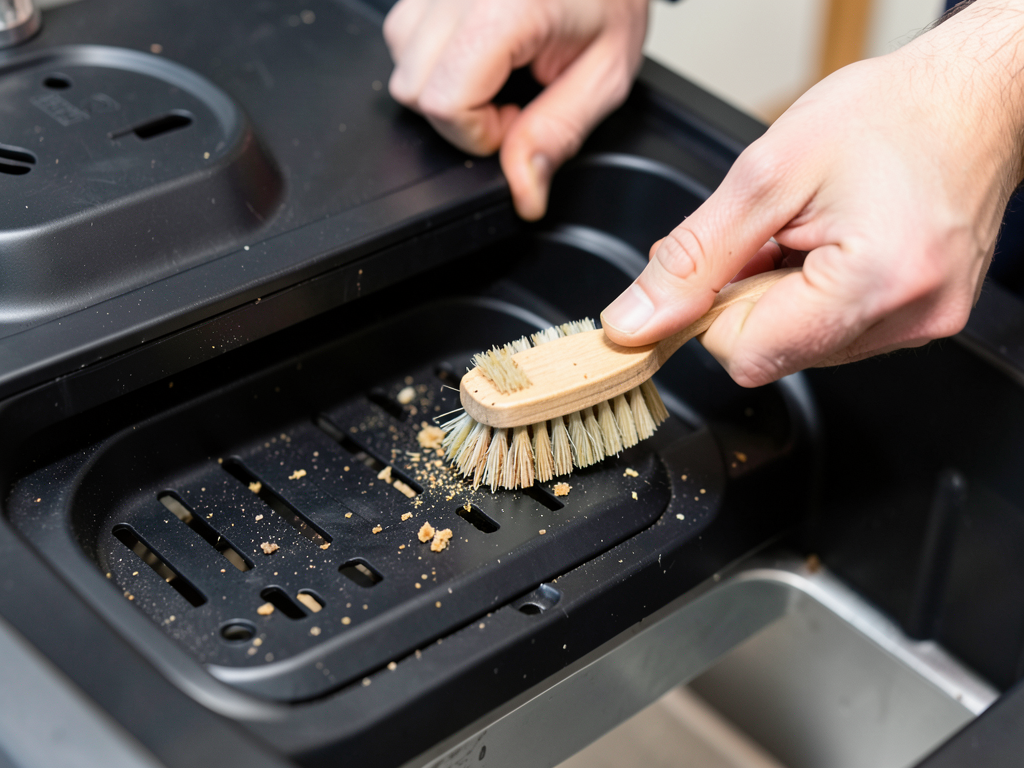
This is often the hidden source of smells that many people miss. The black rubber splash guard (baffle) on your disposal can harbor bacteria and food particles on its underside. Use an old toothbrush and dish soap to scrub underneath this component thoroughly. Pay special attention to the folds and crevices where debris collects.. Read more about Why Your Copperfield Yard Smells Like Sewage and What to Do About It.
- Deep Cleaning with a Long-handled Brush
For stubborn odors, use a disposal cleaning brush to scrub the grinding chamber walls. These brushes are designed to reach deep into the disposal where food particles hide. This step is crucial for Crestview homes where hard water deposits might be trapping debris against the chamber walls.
When the Smell Won’t Go Away: Professional Solutions for Crestview Homes
If you’ve tried all five DIY steps and that sour smell persists, it’s time to consider professional help. Some odors indicate problems that go beyond simple cleaning.
Rotting P-trap is a serious issue that requires immediate attention. If the curved pipe under your sink has dried out or cracked, sewer gases can enter your home. This isn’t just unpleasant—it’s a health hazard. A licensed plumber can inspect your P-trap and replace it if necessary, ensuring your plumbing meets current Austin building codes.
Cracked Disposal Housing can allow food particles to get trapped inside the unit where they can’t be cleaned. If you notice water leaking from the bottom of your disposal or if the smell seems to come from the disposal itself rather than the drain, you might need a replacement. Modern disposals are more efficient and often come with better warranties than older models.
Electrical Issues can cause overheating, which produces a distinct burning smell different from food odors. If you notice a burning smell or if your disposal makes unusual noises, turn off the power immediately and call a professional. According to NEC Article 422.16, garbage disposals must be properly grounded and protected by GFCI circuits.
Venting Problems can cause sewer gases to back up into your sink. Your plumbing system needs proper ventilation to allow air to escape. If vents are blocked by debris or animal nests, gases can’t escape through the roof and instead come up through your drains. This requires professional diagnosis and repair.
Preventing Future Odors in Central Texas Homes
Once you’ve eliminated the current odor, take these steps to prevent it from returning. These maintenance tips are especially important for Crestview homes dealing with Austin’s unique water conditions.
Regular Maintenance Schedule is key to preventing disposal odors. Run your disposal with ice and salt once a month, and do a deep cleaning every three months. This prevents buildup before it becomes a problem. Set calendar reminders so you don’t forget this important maintenance task.
Proper Usage Habits can significantly reduce odor-causing buildup. Always run cold water before, during, and after using your disposal. Cold water keeps fats solid so they can be chopped up and flushed away rather than coating your pipes. Never put fibrous foods like celery, potato peels, or coffee grounds down your disposal—these materials tangle and trap other debris.
FOG Management (Fats, Oils, and Grease) is crucial in Austin homes. Even small amounts of cooking oil can solidify in your pipes and trap food particles. Instead of pouring oil down the drain, collect it in a container and dispose of it in your trash. The City of Austin recommends this practice to prevent both odors and costly plumbing repairs.
Water Quality Considerations are important for Crestview residents. Austin’s hard water from the Edwards Aquifer contains high levels of calcium and magnesium. These minerals can build up in your disposal and pipes, creating rough surfaces where debris sticks. Consider having your water tested and installing a water softener if mineral buildup becomes a recurring problem.
Comparison of DIY vs Professional Disposal Cleaning Methods
| Method | Cost | Effectiveness | Time Required | Best For |
|---|---|---|---|---|
| Ice and Salt Scrub | $0-2 | Moderate | 5-10 minutes | Surface debris |
| Citrus Peel Refresh | $1-3 | Low-Moderate | 5 minutes | Freshening scent |
| Baking Soda & Vinegar | $2-4 | Moderate | 20 minutes | Bacterial growth |
| Professional Cleaning | $75-150 | High | 30-60 minutes | Stubborn odors |
| Disposal Replacement | $300-500 | Complete | 1-2 hours | Mechanical failure |
Common Mistakes That Make Disposal Odors Worse
Many homeowners accidentally make their disposal problems worse by using the wrong cleaning methods or ignoring warning signs. Here are the most common mistakes to avoid in your Crestview home.
Using Bleach might seem like a good idea for killing bacteria, but it can actually damage your disposal’s rubber components and create dangerous fumes when mixed with other cleaning products. The EPA recommends against using harsh chemicals in household plumbing systems.
Ignoring the Splash Guard is a major mistake. The rubber baffle is often the primary source of odors, yet many people never clean it. Food particles and bacteria accumulate on the underside where you can’t see them. Make cleaning this component part of your regular maintenance routine.
Using Hot Water During Grinding causes fats to liquefy and coat your pipes, creating a sticky surface that traps debris. Always use cold water when grinding food waste. Hot water is only recommended for the final flush after grinding is complete.
Overloading the Disposal can cause jams and prevent proper grinding. Feed waste gradually rather than dumping large amounts at once. This ensures everything gets properly chopped and flushed away.
Understanding Your Home’s Plumbing System
Knowing how your kitchen plumbing works can help you identify and prevent odor problems. Your disposal connects to several key components that all play a role in preventing smells.
The Grinding Chamber is where food waste gets chopped up. In older Crestview homes, this chamber might have rough surfaces from mineral deposits that trap debris. Modern disposals have smoother chambers that resist buildup.
The Impellers are the spinning blades that chop food waste. When these become dull or damaged, food isn’t chopped finely enough and can get stuck in pipes. This is a common issue in homes over 15 years old.
The P-trap creates a water seal that prevents sewer gases from entering your home. If this trap dries out—which can happen in guest bathrooms or rarely used sinks—odors can rise through the drain. Running water through all your fixtures weekly prevents this problem.
The Vent Stack allows air to escape your plumbing system. Without proper venting, water can siphon out of traps, breaking the seal that keeps odors out. Vent blockages are more common in homes near large trees where leaves and debris can fall into roof vents.
Special Considerations for Crestview Homes
Crestview’s unique characteristics affect how disposal odors develop and persist. Understanding these local factors can help you address problems more effectively.
Soil Composition in Crestview includes clay-rich Blackland Prairie soil, which can affect underground plumbing. Soil movement can cause pipes to shift or crack, creating spaces where debris collects and odors develop. Homes built before 2000 are particularly susceptible to this issue.
Age of Homes in Crestview varies widely, with many built in the 1950s and 1960s. Older plumbing systems often have narrower pipes and less efficient traps, making them more prone to odor problems. If your home is over 40 years old, consider having a professional inspection of your under-sink plumbing.
Water Pressure in different parts of Crestview can affect how well your disposal flushes waste. Areas near Anderson Lane might have different pressure than those near Justin Lane. Low water pressure can prevent proper flushing, allowing debris to accumulate in pipes.
Climate Impact is significant in Central Texas. Our hot, humid summers create ideal conditions for bacterial growth in plumbing systems. During summer months, you might notice odors more frequently and need to clean your disposal more often.
Frequently Asked Questions
Is it safe to put bleach in my garbage disposal?
No, bleach is not recommended for garbage disposals. It can damage rubber components, create dangerous fumes when mixed with other cleaners, and harm your septic system if you have one. Instead, use baking soda and vinegar or enzymatic cleaners designed for plumbing systems.
How often should I clean my garbage disposal?
For most Crestview homes, clean your disposal monthly with ice and salt, and do a deep cleaning with baking soda and vinegar every three months. If you notice odors between cleanings or if you cook frequently, you might need to clean more often.
Can a smelly disposal indicate a bigger plumbing problem?
Yes, persistent odors can indicate issues like a dry P-trap, blocked vent stack, or cracked pipes. If DIY cleaning doesn’t eliminate the smell within 24-48 hours, it’s worth having a professional inspection to rule out more serious problems.
What foods should never go down my garbage disposal?
Avoid fibrous foods (celery, corn husks), starchy foods (potato peels, pasta), coffee grounds, eggshells, and fats/oils. These materials can tangle, expand, or coat pipes, leading to clogs and odors. When in doubt, throw it in the trash instead.
How long should a garbage disposal last?
With proper maintenance, a quality garbage disposal should last 10-12 years. However, in Crestview’s hard water conditions, you might need to replace it closer to the 8-10 year mark if mineral buildup becomes excessive. Signs of needed replacement include frequent jams, unusual noises, or persistent odors despite cleaning.

Take Action Against That Sour Smell Today
Don’t let that unpleasant odor linger in your Crestview kitchen any longer. Start with the DIY steps we’ve outlined—they solve most disposal odor problems quickly and inexpensively. If you’ve tried everything and that sour smell won’t go away, it’s time to call in the professionals.
At All Pro Plumbing Austin, we understand the unique plumbing challenges that Crestview homeowners face. Our licensed plumbers have the tools and expertise to diagnose and fix disposal problems quickly, whether it’s a simple cleaning or a more complex repair. We’re familiar with Austin’s building codes and water conditions, so you can trust that we’ll provide solutions that last.
Pick up the phone and call (737) 316-0588 today to schedule your inspection. Don’t wait until that small odor becomes a major plumbing emergency. Our team is ready to help you eliminate that sour smell and keep your kitchen smelling fresh and clean. Finding an Emergency Plumber in Austin Who Actually Answers the Phone at 3 AM.
Remember, a clean, odor-free disposal isn’t just about comfort—it’s about maintaining a healthy home environment for you and your family. Take action now and breathe easier tomorrow. For more information, visit City of Austin Plumbing Code Section 305.4.
You may also find this helpful. Comparing InSinkErator and Waste King Disposals for Your Legend Oaks Kitchen.
You may also find this helpful. How to Get Rid of Those Tiny Black Flies Living in Your North Loop Drains.