
Is a Rainwater Collection System Right for Your Dripping Springs Property?
Central Texas homeowners face unique water challenges. With drought cycles, high water demand, and increasingly expensive municipal supply, collecting rainwater offers a practical solution. For Dripping Springs properties, where well water quality varies and large lots make irrigation costly, a properly designed system can provide reliable water for both outdoor and indoor use. Texas Commission on Environmental Quality rainwater standards.
Before investing in equipment, you need to understand local rainfall patterns, system types, and whether your property can support a collection system that meets your needs. This guide breaks down everything Dripping Springs homeowners need to know about making rainwater harvesting work. Water Heater Maintenance Tips.
Understanding Central Texas Rainfall and Collection Potential
Dripping Springs receives approximately 34 inches of rain annually, concentrated in spring and fall. A 2,000-square-foot roof can collect about 25,000 gallons per year under these conditions. However, Central Texas weather creates collection challenges that coastal areas don’t face. Dealing with Central Texas Hard Water – The Best Water Softener Systems for Steiner Ranch Homes.
Summer heat causes significant evaporation from open cisterns. The intense UV exposure degrades plastic components faster than manufacturers estimate. Oak pollen season creates heavy debris loads that can overwhelm standard first-flush systems. These factors mean you need larger storage capacity and more robust filtration than basic systems provide.
The Texas Commission on Environmental Quality (TCEQ) requires specific design standards for potable rainwater systems under 30 TAC Chapter 290. These include minimum storage-to-catchment ratios and mandatory disinfection methods. Understanding these requirements prevents costly redesigns later.
Potable vs. Non-Potable Systems: What Makes Sense for Your Property
Non-potable systems collect water for irrigation, toilet flushing, and outdoor use only. These require basic filtration to remove debris but skip the expensive disinfection equipment needed for drinking water. For most Dripping Springs properties, a non-potable system provides the best return on investment.
Potable systems must meet TCEQ standards for drinking water. This means UV sterilization or chlorination, carbon filtration, and regular water testing. The equipment costs two to three times more than non-potable setups. However, if you want complete water independence or have poor well quality, the investment may be worthwhile.
Property size determines system type. Homes under one acre typically use non-potable systems for landscape irrigation and pool filling. Properties over five acres often justify potable systems since the collection surface area and storage needs scale up significantly.
Local Rebates and Financial Incentives
The City of Dripping Springs participates in regional water conservation programs that can offset installation costs. The Hays County Water Conservation District offers rebates up to $1,000 for qualifying rainwater harvesting systems. These rebates require documentation of system capacity and intended use. Hays County Water Conservation District rebates.
Texas Tax Code Section 151.355 exempts rainwater harvesting equipment from state sales tax. This can save 6.25% on your total system cost. You’ll need to provide a Tax Exemption Certificate to your supplier when purchasing components.
Federal tax credits for water conservation equipment expired in 2017, but some utility providers offer additional incentives. Austin Water’s rebate program extends to Dripping Springs customers who use their water for backup supply. The program pays $0.50 per gallon of storage capacity, up to $5,000.
Insurance companies increasingly recognize rainwater systems as risk reduction measures. Some providers offer premium discounts for properties with backup water supply systems, though coverage varies by carrier.
System Components and Installation Requirements
A complete rainwater harvesting system includes collection surface, conveyance, storage, filtration, and distribution components. Each element must be sized and selected for Central Texas conditions.
Collection surfaces typically use existing roof areas. Metal roofs provide the cleanest water but require grounding to prevent lightning strikes. Asphalt shingles work but shed granules that can clog filters. The collection area must be calculated based on your water needs and local rainfall.
Conveyance systems use gutters and downspouts to direct water to storage. In Dripping Springs, standard residential gutters often can’t handle intense rainfall events. Oversized components prevent overflow during storms and reduce maintenance needs.
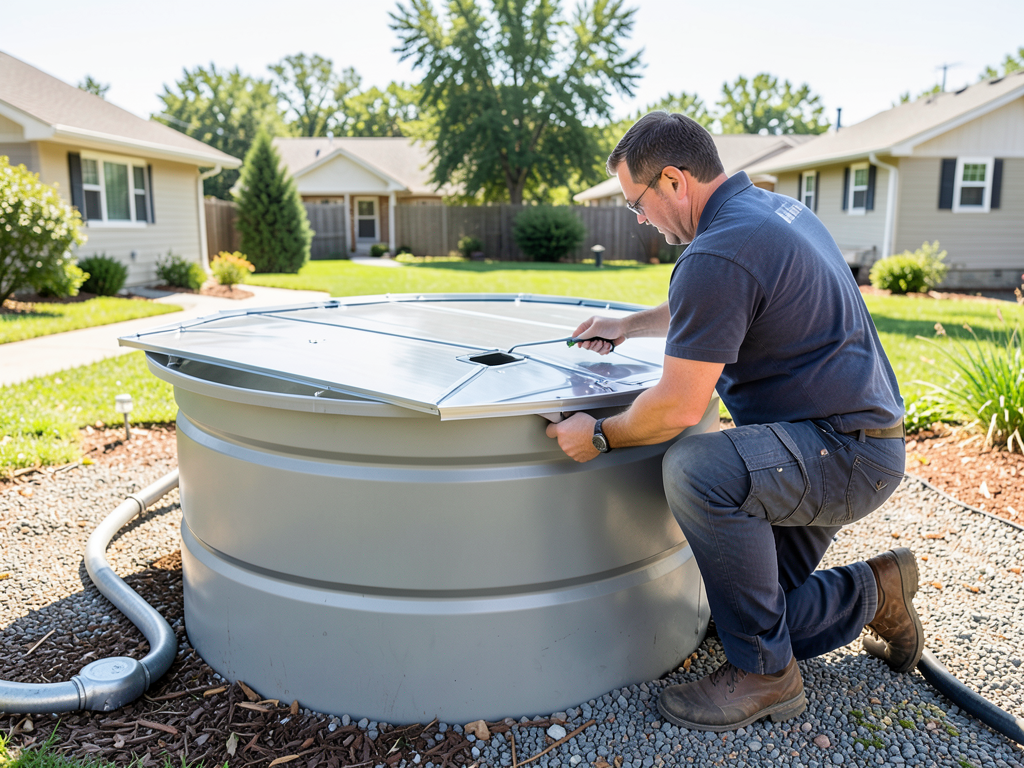
Storage tanks range from 500-gallon above-ground units to 30,000-gallon underground cisterns. Above-ground tanks cost less but require UV protection and freeze prevention measures. Underground systems cost more but provide better water quality and don’t affect property aesthetics.
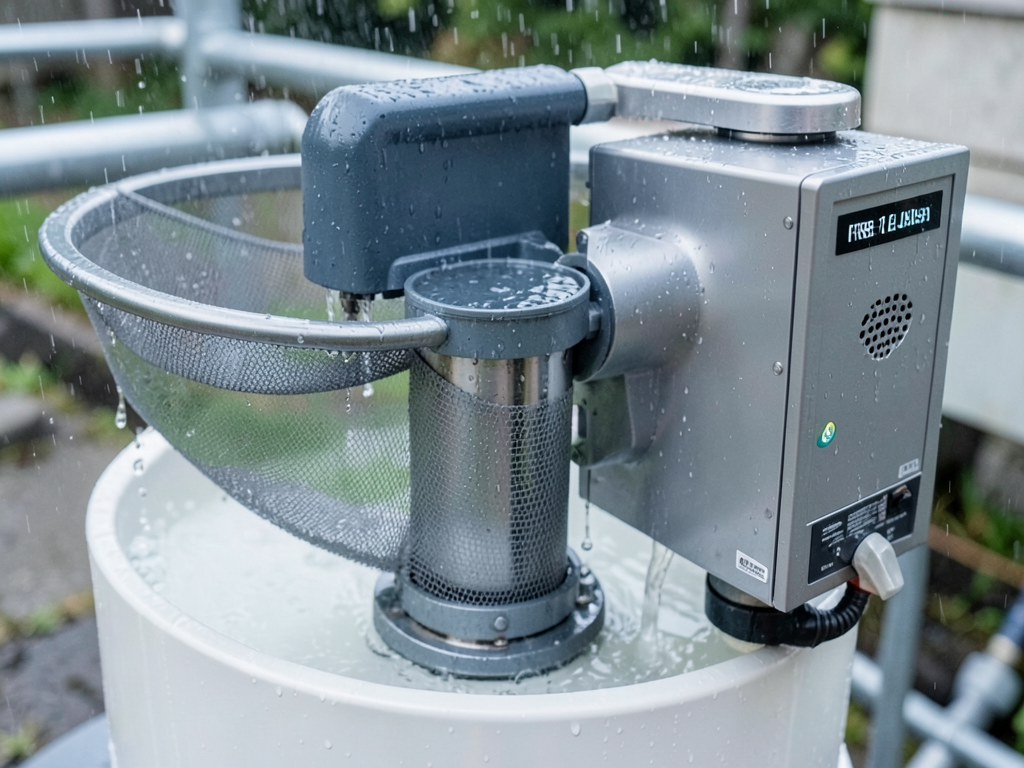
Filtration removes debris, pollen, and organic matter. First-flush diverters discard the initial roof runoff that contains the most contaminants. Fine mesh screens prevent mosquito breeding. For potable systems, additional treatment removes dissolved minerals and pathogens.
Distribution systems include pumps, pressure tanks, and backflow prevention devices. TCEQ requires air gaps or reduced pressure principle assemblies when connecting rainwater to municipal supply lines. These prevent contamination of public water systems.
Permitting and Code Compliance in Dripping Springs
Hays County requires permits for rainwater systems connected to indoor plumbing. The permitting process reviews system design, backflow prevention, and electrical components. Unpermitted installations can result in fines and mandatory removal. Plumbing San Marcos.
Building codes address structural requirements for elevated tanks and underground cisterns. Tanks over 5,000 gallons require engineered foundations. Underground systems need geotechnical analysis to prevent floating during wet conditions. The clay soils common in Dripping Springs expand when wet, creating uplift forces that can damage improperly installed cisterns.
Plumbing codes require licensed professionals for potable water connections. The Texas State Board of Plumbing Examiners mandates that only Master Plumbers install systems that integrate with household plumbing. This ensures proper cross-connection control and system reliability. Professional Drain Cleaning Services to Clear Stubborn Clogs in South Congress Apartments.
Zoning regulations in Dripping Springs limit tank placement near property lines and structures. Setback requirements vary by tank size and location. Underground systems have fewer placement restrictions but require utility locates before excavation.
Maintenance Requirements and Operating Costs
Central Texas climate creates unique maintenance challenges. Oak pollen coats collection surfaces each spring, requiring more frequent cleaning than systems in other regions. Summer heat promotes algae growth in tanks exposed to sunlight. Winter freezes can damage exposed pipes and pumps.
Monthly maintenance includes cleaning gutters, checking screens, and inspecting for leaks. Quarterly tasks involve testing water quality, cleaning filters, and checking pump operation. Annual maintenance requires professional inspection of all components and water testing for potable systems.
Operating costs include electricity for pumps, replacement filters, and occasional repairs. A typical residential system uses $15-30 monthly in electricity. Filter replacement costs $100-300 annually. Professional maintenance visits run $200-500 per year.
Water quality testing is essential for potable systems. Annual testing for bacteria, nitrates, and pH costs $150-300. More frequent testing may be needed after heavy rainfall or if water appearance changes.
Cost Analysis and Return on Investment
System costs vary based on size, complexity, and whether you install it yourself or hire professionals. A basic non-potable system for landscape irrigation costs $3,000-7,000. A complete potable system for whole-house use ranges from $15,000-30,000.
Installation costs depend on property characteristics. Sloped lots require additional pumping equipment. Rocky soil increases excavation costs. Limited access may require specialized equipment. Professional installation typically adds 40-60% to component costs but ensures code compliance.
ROI calculations depend on your water usage and local rates. At current Austin Water rates of $0.005 per gallon, a system saving 20,000 gallons annually saves $100. However, if you pay for water delivery or have high irrigation needs, savings increase significantly.. Read more about Saving Money on Sewage Fees with a Dedicated Irrigation Meter in Pflugerville.
System lifespan ranges from 15-25 years for most components. Storage tanks last 25-50 years with proper maintenance. Pumps typically need replacement every 8-12 years. Factoring in replacement costs provides a more accurate ROI picture.
Property value impact varies by buyer preferences. Some view rainwater systems as valuable amenities that reduce utility costs. Others see them as maintenance burdens. In Dripping Springs, where water independence appeals to many buyers, systems often increase marketability.
Making the Decision: Is Rainwater Harvesting Right for You?
Several factors determine whether a rainwater system makes sense for your Dripping Springs property. Start by calculating your water needs. Irrigation requirements often drive system sizing since landscape water use exceeds household consumption in many Central Texas homes.
Consider your water source alternatives. If you rely on expensive well water with high mineral content, rainwater provides a cost-effective supplement. If you have access to cheap municipal water, the financial case becomes harder to justify.
Evaluate your property characteristics. Large roof areas provide more collection potential. Sloped sites may require additional pumping equipment. Soil conditions affect installation costs. Local regulations may limit system size or placement.
Assess your maintenance commitment. Systems require regular attention to function properly. If you travel frequently or prefer minimal home maintenance, a complex system may create more problems than it solves.
Factor in environmental benefits beyond cost savings. Rainwater harvesting reduces demand on municipal supplies and aquifers. It provides water during drought restrictions. It eliminates the energy used to pump and treat municipal water.
Frequently Asked Questions
How much rainwater can I collect from my roof?
One inch of rain on one square foot of collection surface yields 0.623 gallons. A 2,000-square-foot roof in Dripping Springs can collect approximately 25,000 gallons annually. Actual collection depends on rainfall patterns, roof material, and system efficiency.
Do I need a permit for a rainwater harvesting system?
Hays County requires permits for systems connected to indoor plumbing. Above-ground tanks under 5,000 gallons typically don’t need building permits. Check local regulations before installation, as requirements vary by system size and use. Plumbing Pflugerville.
Can rainwater be used for drinking?
Yes, but it requires proper treatment to meet TCEQ standards. This includes filtration, disinfection, and regular water testing. Only licensed professionals should install potable systems to ensure code compliance and water safety.
How long do rainwater harvesting systems last?
Storage tanks last 25-50 years. Pumps typically need replacement every 8-12 years. Filters require annual replacement. With proper maintenance, most systems provide 15-25 years of reliable service before major component replacement becomes necessary.
What maintenance do these systems require?
Monthly tasks include cleaning gutters and checking screens. Quarterly maintenance involves filter cleaning and water quality testing. Annual professional inspection ensures all components function properly. Central Texas climate requires more frequent cleaning than other regions due to pollen and debris.
Next Steps for Dripping Springs Homeowners
Ready to explore rainwater harvesting for your property? The first step is a professional site assessment. This evaluates your collection potential, identifies installation challenges, and determines which system type best meets your needs.
Professional assessment includes roof area measurement, soil analysis, and evaluation of existing plumbing infrastructure. It also reviews local regulations and identifies potential rebate opportunities. This information forms the basis for system design and cost estimates.
Don’t wait until drought restrictions limit your outdoor water use. A properly designed rainwater system provides water security and can reduce your utility costs for years to come. The initial investment pays off through reduced water bills, increased property value, and environmental benefits.
Call (737) 316-0588 today to schedule your rainwater harvesting consultation. Our licensed professionals will assess your property and provide a detailed proposal for a system that meets your needs and complies with all local requirements.
Pick up the phone and call (737) 316-0588 before the next storm hits. Every inch of rain is free water you could be collecting instead of watching it run off your property.
You may also find this helpful. Removing the Strong Chlorine Smell and Taste from Your Central Austin Tap Water.