
Gas Smell or Sewer Gas? How to Tell the Difference in Your Montopolis Bathroom
Smelling something foul in your bathroom can stop you in your tracks. Is it a natural gas leak that requires immediate evacuation? Or is it sewer gas that needs fixing but isn’t immediately life-threatening? In Montopolis homes built on Central Texas clay soil, this question comes up more often than you’d think. Here’s how to tell the difference and what to do next. Dealing with Central Texas Hard Water – The Best Water Softener Systems for Steiner Ranch Homes.
Immediate Safety Warning: When to Get Out Now
If you smell rotten eggs and suspect natural gas, leave immediately. Natural gas companies add mercaptan to give gas that distinctive sulfur smell. Sewer gas can smell similar but typically comes with other indicators like bubbling drains or gurgling toilets. Professional Drain Cleaning Services to Clear Stubborn Clogs in South Congress Apartments.
Natural gas symptoms hit fast: dizziness, headache, nausea, or feeling lightheaded. If these appear, evacuate everyone including pets and call 911 from outside. Do not flip any switches or use your phone inside the house.
Sewer gas symptoms develop more slowly: eye irritation, coughing, or a persistent sore throat after spending time in the bathroom. While not immediately explosive like natural gas, sewer gas contains hydrogen sulfide which can be dangerous in high concentrations.. Read more about How to Spot a Sewer Line Belly Before It Causes a Massive Backup in Great Hills.
5 Common Causes of Bathroom Sewer Odors in Montopolis Homes
Montopolis homes, many built in the 1970s and 1980s, face specific plumbing challenges due to Austin’s expansive clay soil. Here are the five most common sources of sewer smells: Plumbing San Marcos.
1. Dried Out P-Traps
P-traps are the U-shaped pipes under sinks and showers that hold water to block sewer gases. In guest bathrooms or floor drains that don’t get regular use, the water in these traps evaporates within weeks. Water Heater Maintenance Tips.
Run water in all fixtures for 30 seconds. If the smell disappears, you’ve found your culprit. Montopolis homes with vacation rentals often face this issue between guest stays.
2. Damaged Wax Ring Seals
The wax ring under your toilet creates an airtight seal between the toilet and the floor drain. Over time, these rings dry out and crack, especially in homes with shifting foundations common in Central Texas.. Read more about Preparing Your Pflugerville Home for the Next Central Texas Ice Storm (Beyond Just Wrapping Faucets).
Check for water damage around the toilet base or slight rocking when you push on the toilet. A compromised wax ring lets sewer gases escape directly into your bathroom air.
3. Clogged Vent Stacks
Plumbing vent stacks run through your roof to equalize pressure in drain lines. When these get blocked by leaves, bird nests, or ice during rare freezes, sewer gases back up into your home.
Listen for gurgling sounds when you flush toilets or run water. This indicates negative pressure in your drain system pulling gases the wrong direction.
4. Cracked Sewer Lines
Montopolis sits on Austin’s Blackland Prairie clay, which expands and contracts dramatically with moisture changes. This soil movement causes sewer pipes to shift, crack, and separate at joints. EPA information on sewer gas health risks.
Clay soil movement is responsible for approximately 60% of sewer line failures in Central Texas, according to Austin Water Utility data. Homes near Boggy Creek often experience accelerated soil movement due to proximity to the water table.
5. Bacteria in Overflow Drains
Sink overflow holes collect soap scum and bacteria over time. When water sits in these passages, it creates a perfect environment for odor-causing bacteria.
Clean overflow holes with a bottle brush and enzyme cleaner. This often solves mysterious bathroom smells that seem to come from nowhere.
The Austin Factor: Soil and Slab Leaks Contributing to Sewer Smells
Montopolis homes built on slab foundations face unique challenges. The combination of clay soil and slab construction means plumbing runs through the concrete itself, making leaks harder to detect.
According to the City of Austin Building Inspection Department, homes in the 78741 zip code (which includes Montopolis) experience slab leaks at a rate 23% higher than the Austin average. The soil here contains more expansive clay minerals that swell when wet and shrink when dry.
Look for these slab leak indicators that often accompany sewer smells:
- Hot spots on the floor (indicating hot water line leaks)
- Unexpected increases in water bills
- Cracks in tile or concrete floors
- Mildew smell that persists even after cleaning
DIY Troubleshooting Steps Before Calling a Plumber
Before spending money on professional help, try these diagnostic steps:
- Check All P-Traps
Run water in every sink, shower, and floor drain for 30 seconds. This refills evaporated traps and may solve the problem immediately.
- Inspect Toilet Stability
Gently rock each toilet. Any movement indicates a failed wax ring seal that needs replacement.
- Check Vent Stack Access
Locate your main plumbing vent on the roof. If accessible and safe, check for visible blockages like leaves or debris.
- Monitor Water Usage
Check your water meter when no water is being used. If the meter moves, you likely have a hidden leak contributing to the smell.
If these steps don’t resolve the issue within 24 hours, the problem likely requires professional diagnosis. Montopolis homes with persistent sewer smells often need camera inspection of drain lines to identify cracks or separations.
When to Call a Professional Plumber in Montopolis
Certain indicators mean it’s time to call in the experts:
Multiple fixture involvement: If the smell comes from several drains or affects multiple bathrooms, you’re dealing with a main line issue rather than a single fixture problem.
Persistent symptoms: Headaches, eye irritation, or respiratory issues that continue after basic troubleshooting indicate a serious gas infiltration problem.
Visible water damage: Stains on ceilings below bathrooms or water around toilet bases suggest active leaks requiring immediate attention.
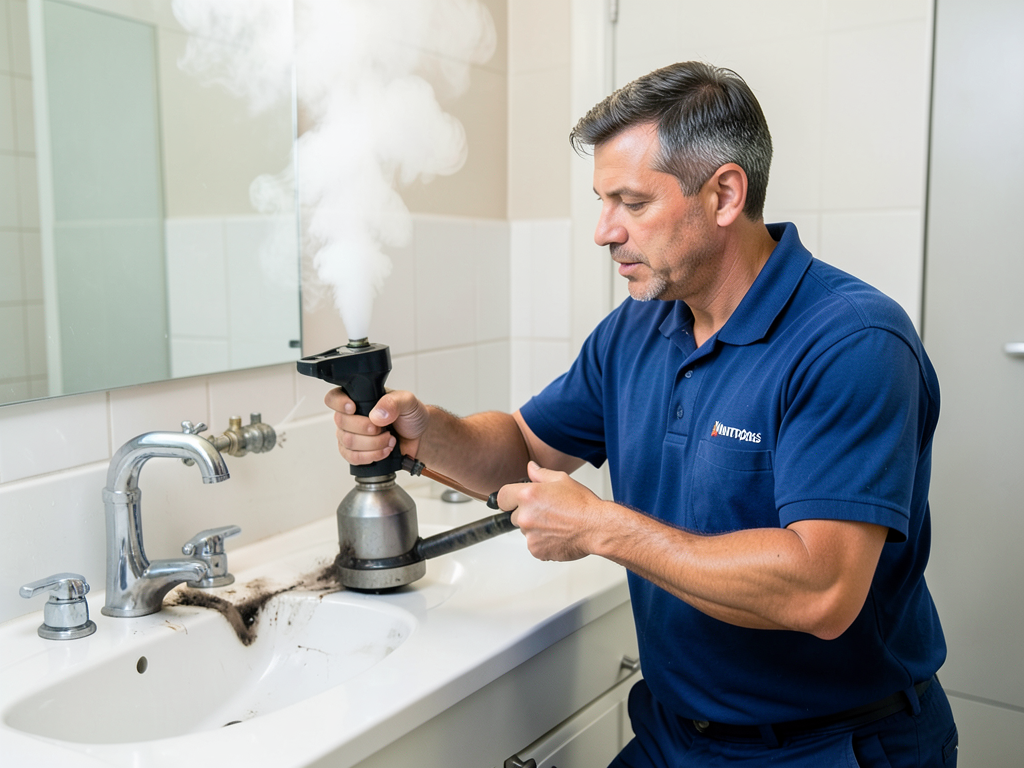
Professional plumbers use smoke testing to identify exactly where gases escape. This involves pumping non-toxic smoke into your drain system and watching where it emerges. It’s particularly effective for finding cracked pipes hidden in walls or under slabs. Finding an Emergency Plumber in Austin Who Actually Answers the Phone at 3 AM.
Camera inspection provides visual confirmation of pipe conditions. Modern drain cameras can travel 200+ feet through pipes, identifying cracks, root intrusions, and separations that cause sewer gas leaks.
Montopolis-Specific Plumbing Considerations
Montopolis residents should know these local factors affect plumbing systems:
Soil movement: The clay soil here can expand up to 15% when saturated. This puts tremendous pressure on underground pipes, causing them to crack or separate at joints.
Water table proximity: Areas near Boggy Creek experience higher water tables, increasing hydrostatic pressure on sewer lines and accelerating deterioration.
Older infrastructure: Many Montopolis homes still have original cast iron or clay sewer pipes from the 1970s. These materials typically last 40-50 years before failing.
According to Austin Code of Ordinances Chapter 25-12, all sewer line repairs in the city must use PVC or ABS pipe meeting ASTM D2665 standards. This ensures durability against local soil conditions. ASTM D2665 PVC pipe standards.
Permitting requirements: Any work affecting the main sewer line requires a permit from the City of Austin. This protects homeowners by ensuring work meets current code standards.
Health Risks of Prolonged Sewer Gas Exposure
Hydrogen sulfide, the primary component of sewer gas, becomes dangerous at concentrations as low as 10 parts per million. At this level, it causes eye and respiratory irritation.
Higher concentrations (100+ ppm) can cause loss of consciousness within minutes. The gas deadens your sense of smell at high levels, making it impossible to detect dangerous concentrations.
Methane, another sewer gas component, creates explosion risks at concentrations above 5% in enclosed spaces. While bathrooms typically have enough ventilation to prevent dangerous methane buildup, persistent smells indicate ventilation problems.
Long-term low-level exposure to sewer gases can cause chronic respiratory issues, particularly problematic for children, elderly residents, or those with asthma.
Prevention Strategies for Montopolis Homeowners
Regular maintenance prevents most sewer gas problems:
Monthly fixture flushing: Run water in all sinks and showers for 30 seconds monthly, especially in guest bathrooms or floor drains.
Annual wax ring inspection: Check toilet stability annually and replace wax rings every 5-7 years as preventative maintenance.
Professional drain cleaning: Schedule professional drain cleaning every 2-3 years to remove buildup that causes odors and prevents proper drainage.
Foundation monitoring: Watch for new cracks in walls or floors, which indicate soil movement that may affect plumbing.
Montopolis residents should also consider installing backwater valves if their homes sit in low-lying areas prone to flooding. These prevent sewage from backing up into homes during heavy rains.
Cost Considerations for Sewer Gas Repairs
Repair costs vary significantly based on the source of the problem:
| Repair Type | Typical Cost Range | Time Required |
|---|---|---|
| Wax ring replacement | $150-$300 | 1-2 hours |
| P-trap replacement | $200-$400 | 2-3 hours |
| Vent stack clearing | $250-$500 | 2-4 hours |
| Sewer line camera inspection | $350-$600 | 2-3 hours |
| Sewer line repair (exposed) | $2,000-$5,000 | 1-2 days |
| Slab leak repair | $2,500-$7,000 | 2-4 days |
These are 2026 market rates in the Austin area. Montopolis homes may see slightly higher costs due to the need for specialized equipment to handle clay soil excavation.
Frequently Asked Questions
Can sewer gas make you sick?
Yes. Hydrogen sulfide in sewer gas causes eye irritation, respiratory problems, and headaches. High concentrations can cause loss of consciousness or death. Methane creates explosion risks in enclosed spaces.
How long does it take for P-traps to dry out?
In unused bathrooms, P-traps can dry out in 2-4 weeks depending on temperature and humidity. Floor drains in utility rooms may dry out even faster.
Should I be worried about a slight sewer smell?
Any persistent sewer smell warrants investigation. Small amounts of hydrogen sulfide can cause health issues, and the smell indicates a breach in your plumbing system that will likely worsen over time.
Can I fix a wax ring myself?
DIY wax ring replacement is possible but requires removing the toilet, which involves breaking the seal and potentially damaging the toilet or floor. Professional installation ensures proper sealing and prevents future leaks.. Read more about Removing the Strong Chlorine Smell and Taste from Your Central Austin Tap Water.
Conclusion: Don’t Ignore That Smell
Whether you’re dealing with a minor P-trap issue or a serious sewer line crack, that smell in your Montopolis bathroom isn’t going away on its own. Montopolis homes face unique challenges from clay soil movement and aging infrastructure that require prompt attention.
Start with the simple fixes: run water in all fixtures, check toilet stability, and monitor for improvement. If the smell persists beyond 24 hours or you notice any symptoms like headaches or eye irritation, it’s time to call in the professionals.
Montopolis residents can count on local plumbers who understand the specific soil and infrastructure challenges in your neighborhood. Don’t wait until a small problem becomes a major repair.
Call (737) 316-0588 today to schedule your inspection. Our licensed plumbers will diagnose the source of your sewer gas smell and provide upfront pricing for the repair. We serve all of Montopolis and understand the unique plumbing challenges your home faces.
Don’t let that smell linger. Pick up the phone and call (737) 316-0588 before the next storm hits and soil movement makes the problem worse.