
Replacing Corroded Cast Iron Pipes in Historic Hyde Park Homes
Hyde Park’s charming historic homes built before 1975 face a hidden threat beneath their foundations. The cast iron sewer pipes installed decades ago are reaching the end of their 50-70 year lifespan, and Austin’s expansive Blackland Prairie clay soil is accelerating their failure. If you own a home in this Central Austin neighborhood, you need to understand what’s happening underground before a catastrophic sewer backup floods your basement or yard. Dealing with Central Texas Hard Water – The Best Water Softener Systems for Steiner Ranch Homes.
Cast iron pipes corrode from the inside out due to hydrogen sulfide gas produced by waste decomposition. In Austin’s high-humidity environment, this process speeds up significantly. The clay soil surrounding these pipes expands and contracts with moisture changes, creating pressure that causes hairline cracks. Once water seeps in, the corrosion cycle intensifies, leading to complete pipe failure. Water Heater Maintenance Tips.
5 Warning Signs Your Hyde Park Home Needs Pipe Replacement
Before calling for replacement, you need to recognize the symptoms of failing cast iron pipes. Here’s what to watch for in your historic Central Austin home:
- Slow Draining Fixtures
Toilets that flush slowly, sinks that back up, and showers that don’t drain properly indicate internal pipe corrosion. The rough interior surface created by rust buildup restricts water flow, especially in pipes under 4 inches in diameter. Professional Drain Cleaning Services to Clear Stubborn Clogs in South Congress Apartments.
- Sewer Gas Odors
Hydrogen sulfide gas escaping through cracks smells like rotten eggs. If you notice this odor in your basement, crawl space, or yard, your pipes have likely developed breaches. This gas isn’t just unpleasant—it’s toxic and explosive in high concentrations.
- Foundation Cracks or Settling
Leaking sewer water erodes soil beneath your foundation. You might notice stair-step cracks in brick exteriors, doors that stick, or uneven floors. In Hyde Park’s older homes, this can lead to expensive structural repairs if left unaddressed.
- Sudden Pest Problems
Rodents and insects are attracted to sewer leaks. If you suddenly notice increased rodent activity or drain flies in your home, you might have an underground leak providing them water and food sources.
- Green Patches in Your Yard
Sewer water acts as fertilizer. If you notice unusually lush, green grass or vegetation over your sewer line, especially during dry periods, you likely have a leak feeding those plants.
Trenchless vs. Traditional Excavation for Austin Homes
When it comes to replacing cast iron pipes in Hyde Park, you have two main options. Each has distinct advantages depending on your property layout and budget constraints.
| Method | Process | Recovery Time | Best For |
|---|---|---|---|
| Trenchless Pipe Bursting | Hydraulic machine pulls new pipe through old pipe, breaking apart cast iron | 1-2 days | Minimal landscape disruption |
| Cured-In-Place Pipe (CIPP) | Resin-coated liner inserted and cured inside existing pipe | 1 day | Interior pipe restoration |
| Traditional Excavation | Digging trenches to remove old pipe and install new PVC | 3-5 days | Severely damaged pipes |
Trenchless methods have become the preferred choice for Hyde Park homes because they preserve mature trees, historic landscaping, and hardscaping. The Texas Commission on Environmental Quality mandates that trenchless work must maintain existing grade levels and prevent soil contamination during the replacement process.
The Replacement Process: What to Expect in Austin
Replacing cast iron pipes in historic homes requires navigating Austin’s specific permitting process and understanding the local soil conditions. Here’s the complete process we follow for Hyde Park properties:
- Initial Camera Inspection
We insert a waterproof camera through cleanout access points to assess pipe condition. The camera reveals cracks, corrosion, root intrusion, and blockages. This diagnostic step determines whether repair or full replacement is necessary.
- Austin Water Utility Permit
Before any work begins, we pull permits through the City of Austin’s Permit Office. For properties in historic districts like Hyde Park, additional review may be required to ensure compliance with preservation guidelines.
- Soil Assessment
Austin’s Blackland Prairie clay expands up to 30% when wet. We test soil moisture content and expansion potential to determine proper bedding material for new pipes. This prevents future shifting and cracking.
- Replacement Execution
Depending on your chosen method, we either burst through the old pipe or create a new pathway. All work follows Texas State Board of Plumbing Examiners standards for sewer line installation.
- Final Inspection and Testing
After installation, we perform hydrostatic pressure testing to ensure no leaks exist. Austin Water requires this testing before restoring service. We also provide camera documentation showing the new pipe’s condition.
Cost Factors & What Drives Pricing in Hyde Park
Replacing cast iron pipes in historic Hyde Park homes involves several cost variables unique to Central Austin properties. Understanding these factors helps you budget appropriately for this major home improvement project.
| Cost Factor | Impact on Price | Hyde Park Specifics |
|---|---|---|
| Pipe Length | $50-150 per linear foot | Historic homes often have longer runs to street |
| Depth | $200-500 per foot below 4 feet | Older homes may have deeper lines under mature trees |
| Foundation Access | $1,000-3,000 for tunneling under slab | Hyde Park homes often require slab tunneling |
| Landscape Restoration | $500-2,000 for mature plantings | Historic district trees require arborist consultation |
| Permitting | $300-800 for city permits | Historic district review adds $200-400 |
The average cast iron pipe replacement in Hyde Park ranges from $8,000 to $25,000 depending on these factors. Homes built before 1950 typically have the most complex replacement scenarios due to deeper pipes and mature landscaping.
Why Hyde Park’s Soil Makes Pipe Replacement Critical
Central Texas’s Blackland Prairie clay soil creates unique challenges for cast iron pipes. This soil type expands dramatically when wet and contracts when dry, creating a constant push-pull effect on buried pipes. In Hyde Park, where many homes sit on lots with poor drainage, this cycle accelerates pipe failure.
The Texas Commission on Environmental Quality has documented that clay soil movement is the leading cause of sewer line failures in Austin’s older neighborhoods. The seasonal expansion can create pressure exceeding 5,000 pounds per square foot against pipes, causing them to crack or separate at joints.
Additionally, Hyde Park’s proximity to Waller Creek means many properties sit in areas with higher water tables. This constant moisture exposure speeds up the electrochemical corrosion process that destroys cast iron from the inside out.
Insurance Considerations for Cast Iron Replacement
Most standard homeowners insurance policies in Texas don’t cover cast iron pipe replacement due to age-related deterioration. However, if your pipe failure causes sudden damage to your home or property, you might have coverage for the resulting damage.
Insurance companies typically consider cast iron pipe replacement a maintenance issue rather than a sudden accident. This means you’ll likely need to pay out-of-pocket for the replacement itself. Some homeowners in Hyde Park have found success with supplemental water line coverage riders that can help offset replacement costs.
Documenting the condition of your pipes through professional camera inspections can help if you need to file a claim for sudden damage. Always check with your insurance provider about specific coverage limitations for your property.
Preventing Future Pipe Problems in Your Historic Home
After replacing your cast iron pipes, you’ll want to prevent future issues. Here are strategies specific to Hyde Park’s conditions:
- Install root barriers around trees near new pipes to prevent root intrusion
- Grade your yard to direct water away from your foundation and sewer lines
- Install cleanout access points at strategic locations for future maintenance
- Schedule annual camera inspections to catch small issues before they become major problems
- Consider installing a backflow preventer to protect against city sewer backups
These preventative measures can extend the life of your new pipes and protect your investment in your historic Hyde Park home.
Why Timing Matters for Your Cast Iron Replacement
Delaying cast iron pipe replacement in your Hyde Park home can lead to much more expensive problems. A small leak that costs $5,000 to repair today could cause $30,000 in foundation damage if left unaddressed for another year.
Spring and fall are ideal times for pipe replacement in Austin. Summer heat makes clay soil harder to work with, while winter freezes can cause pipes to become brittle. Planning your replacement during moderate temperatures ensures the best installation conditions and often results in faster scheduling availability.
Don’t wait for a complete failure that could flood your basement or yard. The peace of mind that comes with knowing your plumbing system is reliable is worth the investment. Plumbing San Marcos.
Frequently Asked Questions
How long does cast iron pipe replacement take in Hyde Park?
Most residential replacements take 2-4 days depending on the method chosen and property complexity. Trenchless methods typically complete in 1-2 days, while traditional excavation may require 3-5 days plus landscape restoration time.
Will I need to leave my home during the replacement?
In most cases, you can remain in your home during the work. We isolate the affected section and provide temporary water service. The only time you’ll need to vacate is if we’re working directly under your living space or if there are safety concerns with gas lines or electrical service.
What type of pipe should replace my cast iron?
We recommend high-density polyethylene (HDPE) or schedule 40 PVC for most Hyde Park homes. These materials resist corrosion, handle soil movement better than cast iron, and come with 50+ year warranties when properly installed.
Can I just repair sections instead of full replacement?
While spot repairs are possible, they’re often not cost-effective for cast iron pipes over 50 years old. The surrounding pipe is likely in similar condition, so you’ll face repeated repairs. Full replacement, though more expensive upfront, provides a permanent solution.
Do I need permits for cast iron pipe replacement?
Yes, Austin Water requires permits for all sewer line work. We handle the permitting process as part of our service, including any additional historic district reviews required for Hyde Park properties.
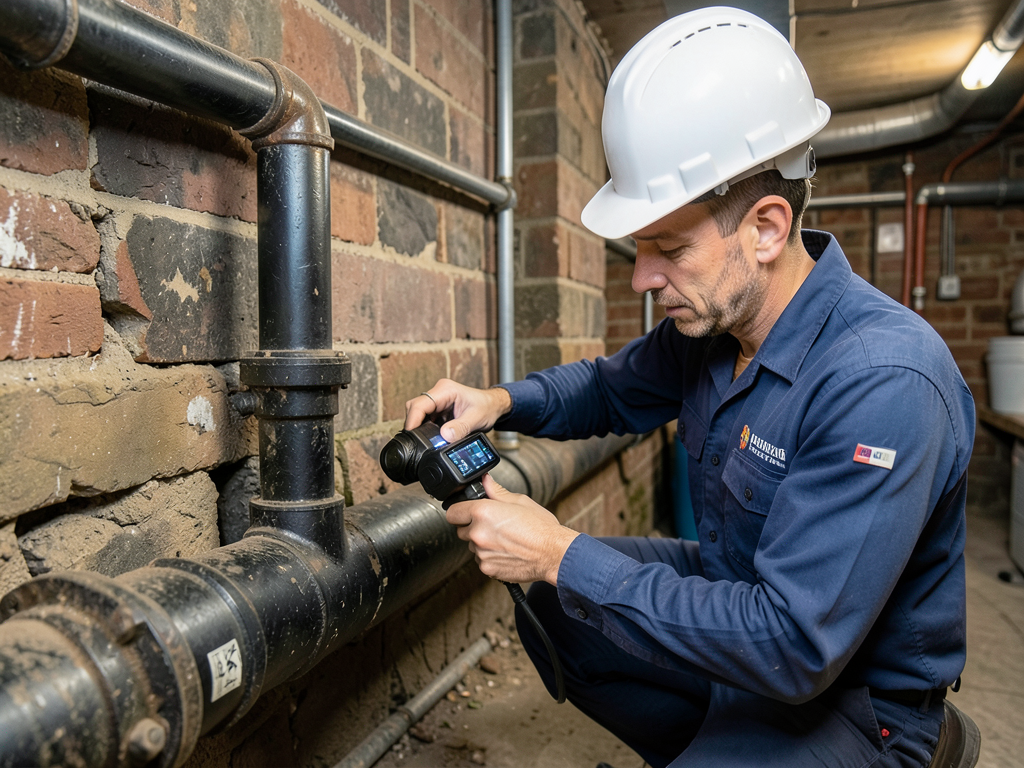
Technician using camera inspection equipment to examine cast iron sewer pipe condition in a historic Hyde Park basement.
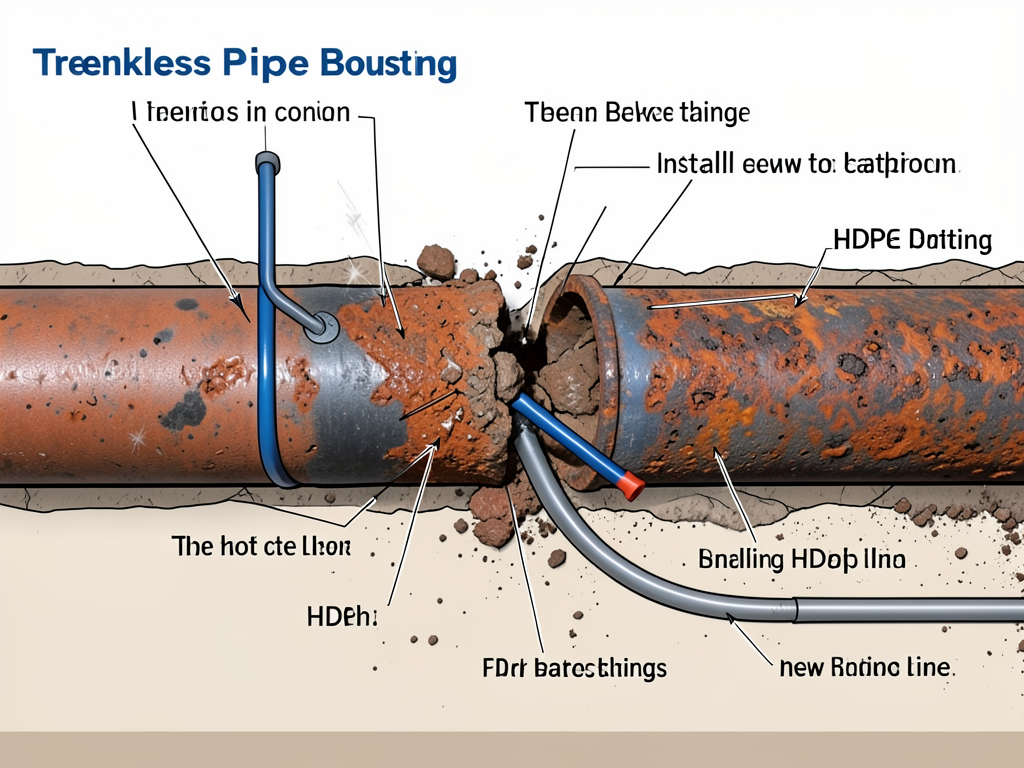
Cross-section diagram showing trenchless pipe bursting process breaking through corroded cast iron pipe while installing new PVC line.
Excavated trench showing failed cast iron pipe sections versus new PVC installation in Central Austin clay soil.
Protect Your Hyde Park Home Before It’s Too Late
Cast iron pipe failure in historic homes is not a matter of if, but when. The combination of age, Austin’s aggressive soil conditions, and the high cost of emergency repairs makes proactive replacement the smartest choice for Hyde Park homeowners. Finding an Emergency Plumber in Austin Who Actually Answers the Phone at 3 AM.
Don’t wait for a flooded basement or sewage backup to force your hand. Early detection and replacement can save you thousands of dollars and prevent the stress of emergency plumbing situations.
Call (737) 316-0588 today to schedule your professional camera inspection. We’ll assess your pipes’ condition and provide a clear plan for replacement if needed. Our team understands the unique challenges of working in Hyde Park’s historic district and will ensure your project meets all local requirements.
Pick up the phone and call (737) 316-0588 before the next storm hits. Your historic home deserves modern, reliable plumbing that will protect your investment for decades to come.