
Better Tasting Drinking Water for Liberty Hill Families Using Reverse Osmosis Systems
Liberty Hill families know the struggle of hard municipal water and well water that leaves a bitter taste and chalky residue. The limestone-rich Edwards Aquifer that supplies much of Central Texas creates water with high total dissolved solids that affects everything from coffee flavor to ice clarity. A properly installed reverse osmosis system can transform your drinking water by removing up to 99% of dissolved minerals, chlorine, and other contaminants that make local tap water unpleasant. Water Quality Association RO Systems.
Reverse osmosis works by forcing water through a semi-permeable membrane that blocks particles larger than water molecules. This process removes dissolved solids that cause the characteristic “hard water” taste many Liberty Hill residents notice. The result is water that tastes crisp and clean, perfect for drinking, cooking, and making beverages that actually taste like they should. Water Heater Maintenance Tips.
Understanding Liberty Hill’s Water Quality Challenges
Liberty Hill draws water from multiple sources including the Edwards Aquifer and surface water reservoirs. These sources naturally contain high levels of calcium, magnesium, and other minerals that create hard water conditions. The local water quality report shows TDS levels often exceeding 400 parts per million, well above the EPA recommended level of under 300 ppm for optimal taste. EPA National Primary Drinking Water Regulations.
Beyond minerals, Liberty Hill water typically contains chlorine used for disinfection, which creates that distinctive chemical smell many residents notice when they first turn on the tap. Some areas also deal with iron, sulfur compounds, or other naturally occurring elements that affect taste and odor. These contaminants aren’t necessarily harmful but they make water unpleasant to drink and can affect the flavor of food and beverages.
The geology of Williamson County contributes to these water quality issues. The limestone bedrock that underlies much of the area naturally leaches minerals into groundwater. This same limestone creates the beautiful Hill Country landscape but also means residents deal with mineral-rich water that requires treatment for optimal taste and use.
How Reverse Osmosis Systems Work
A reverse osmosis system uses multiple filtration stages to produce clean, great-tasting water. The process starts with a sediment pre-filter that removes larger particles like sand and rust. Next, a carbon pre-filter removes chlorine and other chemicals that could damage the RO membrane. The heart of the system is the semi-permeable membrane that removes dissolved solids, heavy metals, and other contaminants.
After passing through the membrane, water goes to a storage tank until needed. When you turn on the dedicated faucet, water passes through a final carbon post-filter that polishes the taste before it reaches your glass. The rejected contaminants go down the drain, leaving you with only clean, filtered water. Professional Drain Cleaning Services to Clear Stubborn Clogs in South Congress Apartments.
Most Liberty Hill homes benefit from a 5-stage RO system that includes all these filtration steps. The system typically installs under the kitchen sink, connecting to a dedicated drinking water faucet mounted on the countertop. Some homeowners opt for whole-house systems, but under-sink units provide the most cost-effective solution for drinking and cooking water.
Installation Process for Liberty Hill Homes
Professional installation ensures your RO system works correctly and complies with local plumbing codes. The process starts with assessing your water pressure and quality to determine the right system size. Most Liberty Hill homes have adequate pressure for RO systems, but some well water setups may need a booster pump. Plumbing San Marcos.
The installation typically takes 2-3 hours for a standard under-sink setup. The technician mounts the filter assembly in the cabinet, installs the dedicated faucet, and connects the system to your cold water line. They’ll also run a drain line for wastewater and connect the storage tank. Proper installation prevents leaks and ensures optimal water production.
According to the International Plumbing Code, RO systems must have an air gap faucet to prevent backflow contamination. This is a critical safety feature that licensed plumbers in Liberty Hill always include. The system also needs proper drainage to handle the wastewater produced during filtration.
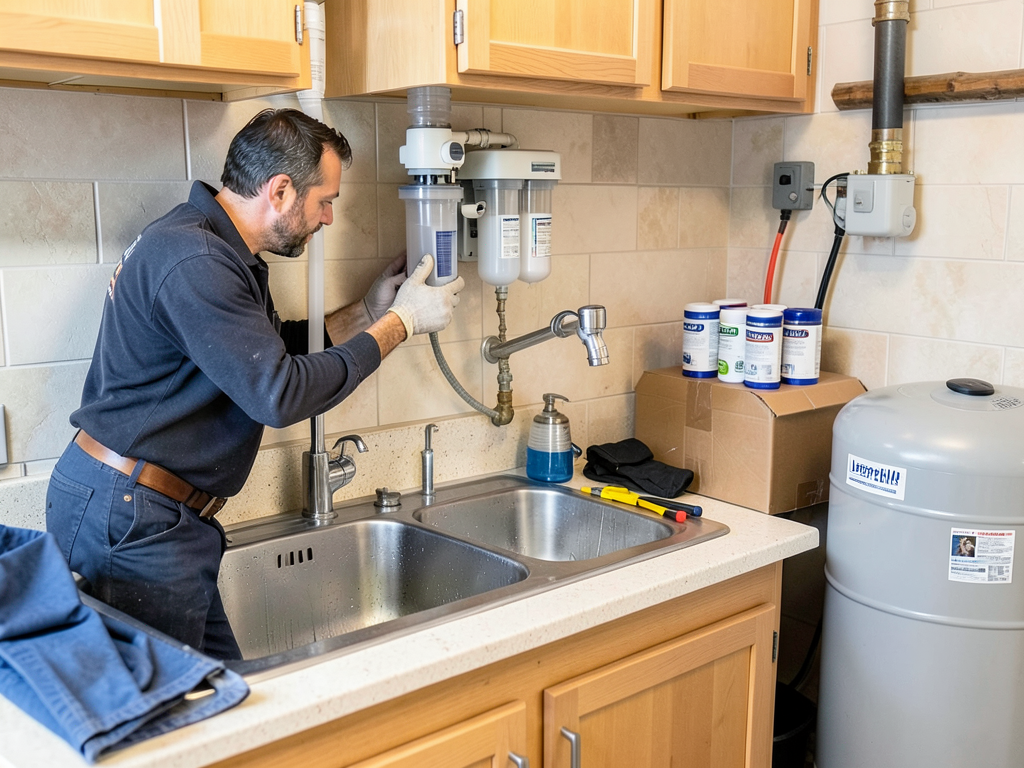
Diagram showing the 5-stage reverse osmosis filtration process with water flow direction and contaminant removal percentages.
RO Systems vs. Standard Filtration
Many Liberty Hill families wonder whether they need reverse osmosis or if a simpler filter will suffice. Standard carbon filters improve taste by removing chlorine but cannot remove dissolved minerals or salts. They’re good for basic taste improvement but won’t address the hard water issues common in Liberty Hill.
RO systems provide much more comprehensive filtration. Here’s how they compare to other common filtration methods:
| Contaminant | Carbon Filter | RO System | Water Softener |
|---|---|---|---|
| Chlorine | Excellent | Excellent | Good |
| Lead | Fair | Excellent | Poor |
| Calcium/Magnesium | Poor | Excellent | Excellent |
| Arsenic | Poor | Excellent | Poor |
| Bacteria/Viruses | Poor | Excellent | Poor |
Water softeners address hard water scaling but don’t remove the dissolved solids that affect taste. Many Liberty Hill homeowners use both a water softener for whole-house protection and an RO system for drinking water to get comprehensive water treatment.
Maintenance Requirements for Central Texas Water
Liberty Hill’s hard water means RO systems need more frequent maintenance than in areas with softer water. The pre-filters should be replaced every 6-12 months, depending on your water quality and usage. The RO membrane typically lasts 2-3 years but may need replacement sooner if your water has high TDS levels.
The post-filter usually needs annual replacement to maintain optimal taste. Some systems include a TDS meter that lets you test water quality and determine when filters need changing. When TDS levels rise above 10% of your incoming water, it’s time for filter replacement.
Regular maintenance prevents system issues and ensures you always have great-tasting water. A neglected RO system can develop biofilm, clog filters, or produce water with poor taste. Professional maintenance services can handle filter changes, system sanitization, and performance testing to keep your system running at peak efficiency.
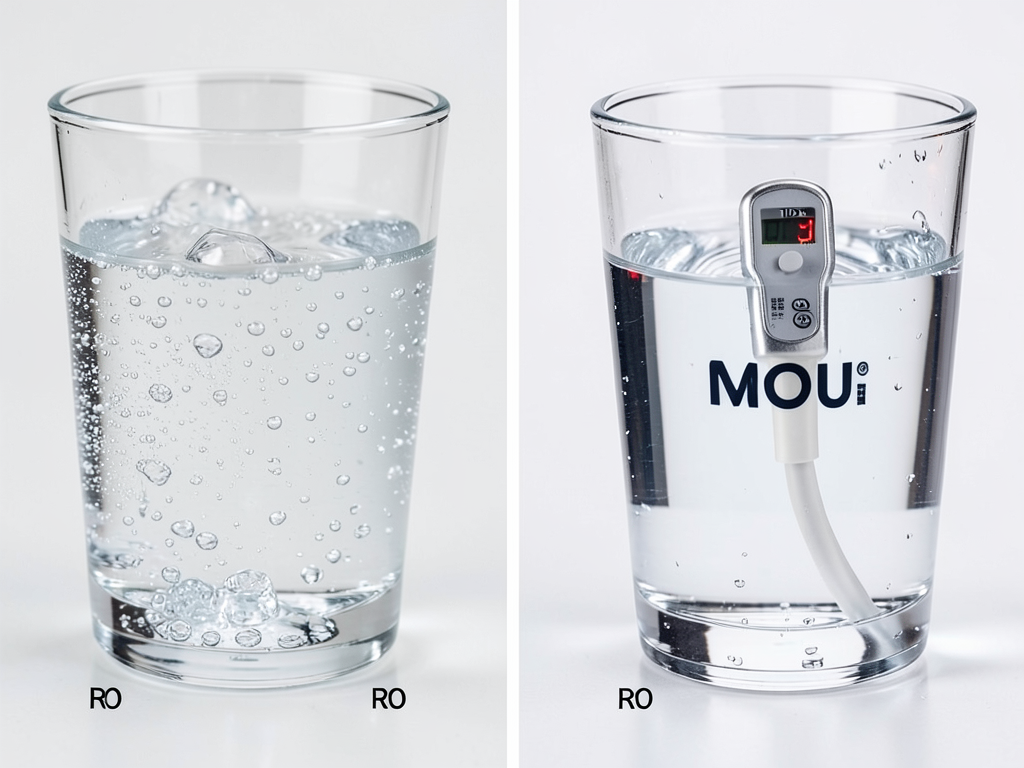
Photo of a technician replacing RO filters under a kitchen sink, showing the filter housing wrench and new filter cartridges.
Cost Considerations for Liberty Hill Families
RO system costs vary based on system quality and features. A basic under-sink system typically ranges from $300 to $600 for the equipment, with professional installation adding $150 to $300. Premium systems with additional features like remineralization filters or permeate pumps can cost $800 to $1,200.
Annual maintenance costs average $100 to $200 for replacement filters and any needed service calls. Over a 5-year period, the total cost of ownership for a quality RO system ranges from $1,000 to $2,500, depending on the system and maintenance schedule.
Compare this to the ongoing cost of bottled water, which can easily run $300 to $500 per year for a family of four. An RO system typically pays for itself within 2-3 years while providing unlimited clean water and eliminating plastic waste from bottled water.
Benefits Beyond Better Taste
While improved taste is the primary reason families install RO systems, the benefits extend far beyond flavor. RO water is excellent for cooking because it doesn’t introduce minerals that can affect food taste or texture. Coffee and tea brewed with RO water taste cleaner and more vibrant because there are no competing mineral flavors.
RO systems also provide peace of mind regarding water safety. While Liberty Hill’s municipal water meets safety standards, the multiple filtration stages remove potential contaminants that regulations allow in small amounts. This includes lead from old pipes, pesticides, pharmaceuticals, and other trace contaminants that may be present in source water.
Many families also appreciate the environmental benefits. Eliminating bottled water reduces plastic waste and the carbon footprint associated with producing and transporting bottled water. An average family can prevent hundreds of plastic bottles from entering landfills each year by switching to RO water. Is Switching to a Tankless Water Heater Worth It for Your Cedar Park Home?.
Choosing the Right System for Your Home
Several factors determine the best RO system for your Liberty Hill home. Water usage is the first consideration. A family of four typically needs a system that produces 50 gallons per day, while larger families may need 75-100 gallon systems. Your water pressure also affects system performance, with most systems requiring at least 40 psi to function properly.
Water quality testing helps determine if you need additional features. Liberty Hill’s high TDS levels often benefit from systems with larger storage tanks to ensure adequate water supply during peak usage times. Some systems include remineralization filters that add back beneficial minerals for improved taste and health benefits.
Space constraints matter too. Standard under-sink systems require about 3 cubic feet of cabinet space. If you have limited space or want filtered water at multiple locations, you might consider a tankless RO system or a whole-house setup. Professional assessment can help you choose the right configuration for your needs.
Before and after comparison showing cloudy tap water versus crystal-clear RO water in identical glasses, demonstrating the visual difference in water quality.
Common Questions About RO Systems
Many Liberty Hill residents have questions about RO systems before deciding to install one. Understanding how these systems work and what to expect helps you make an informed decision about improving your home’s water quality.
RO systems do produce wastewater during filtration, typically at a ratio of 3-4 gallons wasted for every gallon of purified water. This wastewater is essential for flushing contaminants from the membrane and maintaining system performance. Modern systems are much more efficient than older models, and the wastewater is often used for other purposes like watering plants.
The water production rate of RO systems is another common concern. Most systems produce water slowly, which is why they include a storage tank. The tank typically holds 2-3 gallons and refills automatically when you use water. For most families, this provides plenty of filtered water for daily needs without waiting.
Liberty Hill Service Areas
We proudly serve Liberty Hill and surrounding communities throughout Williamson County. Our service area includes the growing neighborhoods along Highway 29, the historic downtown district, and the new developments in the northeast part of town. We also serve nearby communities like Leander, Cedar Park, and the Georgetown area.
Liberty Hill’s rapid growth means more families are dealing with water quality issues as the municipal system expands to serve new neighborhoods. Whether you’re in an established area near Old Town or a new development off Ronald Reagan Boulevard, we can help you achieve better tasting water with the right RO system. Dealing with Central Texas Hard Water – The Best Water Softener Systems for Steiner Ranch Homes.
Frequently Asked Questions
How long does reverse osmosis installation take?
Most under-sink RO installations in Liberty Hill homes take 2-3 hours when performed by an experienced plumber. The process includes mounting the system, installing the dedicated faucet, connecting to your water supply, and testing for proper operation.
What maintenance does an RO system require?
RO systems need pre-filter changes every 6-12 months, membrane replacement every 2-3 years, and post-filter changes annually. Some systems include indicators that signal when maintenance is needed based on water quality or usage.
Will an RO system remove all minerals from my water?
RO systems remove most dissolved minerals, including those that cause hard water. Some systems include remineralization filters that add back beneficial minerals for improved taste and health benefits while maintaining the purified water quality.
Take the First Step Toward Better Water
Better tasting drinking water is just a phone call away. Our Liberty Hill water quality experts can test your water, recommend the right RO system for your home, and provide professional installation that complies with all local plumbing codes. We’ve helped hundreds of Williamson County families enjoy clean, great-tasting water straight from their tap.
Don’t settle for water that tastes like minerals and chemicals. Call (737) 316-0588 today to schedule your water quality assessment and take the first step toward better drinking water for your family. Our team understands Liberty Hill’s unique water challenges and can provide solutions that deliver results you can taste.
Pick up the phone and call (737) 316-0588 before the next glass of water you drink. Better tasting water isn’t just a luxury—it’s an investment in your family’s health and enjoyment of your home. We’re ready to help you make the switch to clean, great-tasting water that makes everything from coffee to cooking better.