
How to Tell if Your West Lake Hills Home Has a Slab Leak (And Who to Call for Repairs)
Slab leaks happen when water pipes under your concrete foundation crack or corrode. In West Lake Hills the problem often starts with the region’s limestone bedrock and clay soil that shifts during Central Texas droughts and floods. You might notice warm spots on your floor hear water running when all fixtures are off or see your water bill jump without explanation. These are red flags that require immediate attention from a licensed plumber who understands local soil conditions.. Read more about Choosing a Reliable Plumber in Bee Cave for Emergency Pipe Burst Repairs.
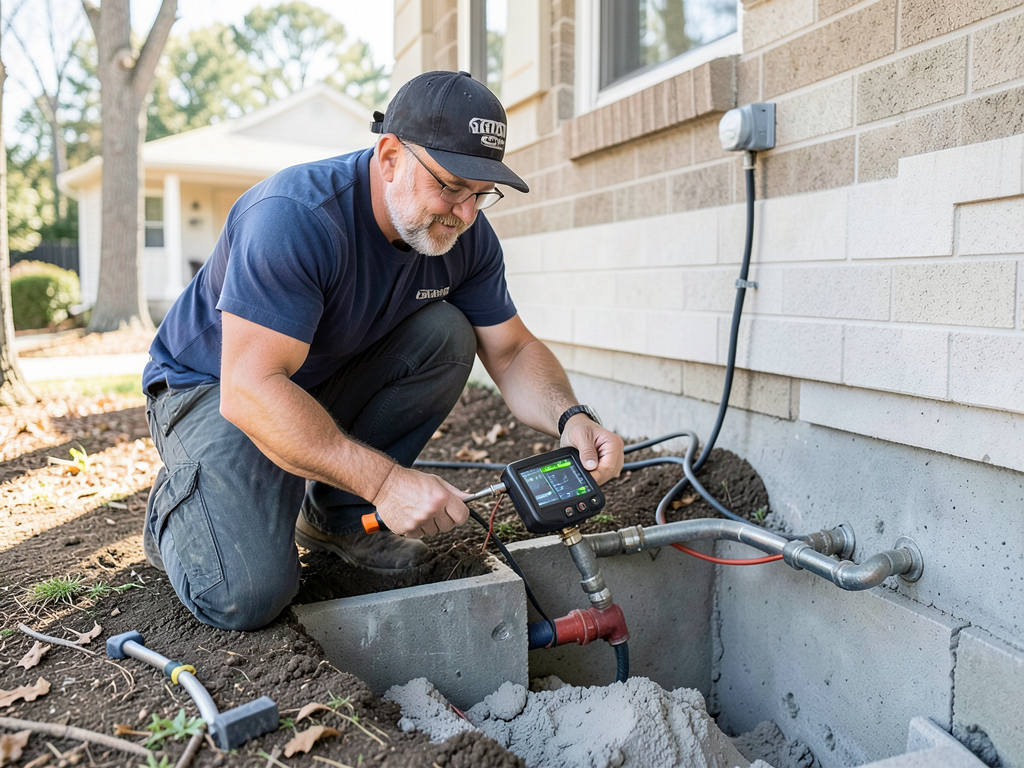
The first step is confirming you have a leak. A licensed technician will perform a hydrostatic pressure test to check if your pipes hold pressure or drop. If pressure drops they will use electronic amplification equipment to listen for the sound of water escaping under concrete. Thermal imaging cameras can then pinpoint the exact location without tearing up your floors. This non-invasive approach saves time and prevents unnecessary damage.. Read more about Replacing the Old Copper Pipes in Your Crestview Home (A Guide to Whole-House Repiping).
West Lake Hills homes sit on the Edwards Plateau where limestone bedrock and expansive clay create constant ground movement. During dry summers the clay contracts pulling on pipes. When heavy rains return the soil swells pressing against the same lines. Over years this cycle causes microscopic cracks that grow into full breaks. Homes near West Lake Hills Mountain Bike Park or along Bee Cave Road often experience more movement due to nearby excavation and traffic vibration.
Detection methods vary by leak size and location. Acoustic equipment amplifies the sound of water escaping at pressures as low as 10 psi. Thermal cameras detect temperature differences as small as 2 degrees caused by hot water lines. For larger commercial properties smoke testing can reveal drain leaks that produce similar symptoms. A combination of these tools gives the most accurate results.. Read more about Why Your Allandale Home Has Low Water Pressure and How We Can Fix It.
Repair options depend on pipe condition and location. Spot repair involves breaking through the slab at the leak point jack hammering a small area and replacing the damaged section. This works for single breaks in accessible spots. Re-piping reroutes new PEX or copper lines around the problem area often through walls or the attic. This eliminates future breaks in that line. Pipe lining inserts an epoxy coating inside the existing pipe sealing small cracks without excavation. Tunneling under the slab is another option when multiple leaks exist or when preserving expensive flooring is a priority.
The repair process starts with a detailed inspection. The plumber will map your home’s plumbing layout using blueprints or electronic line tracing. Next they isolate the leak using the hydrostatic test. Once located they discuss repair options with you including cost time and impact on your home. After approval they protect the work area with plastic sheeting and dust barriers. For spot repairs they cut the slab with a concrete saw. For re-piping they may need to open walls or ceilings. After the fix they pressure test again and patch the concrete or repair drywall. The final step is cleaning and restoring the area to its original condition.
Costs vary based on repair type and accessibility. Spot repairs for a single leak typically range from $1 500 to $3 000. Re-piping a whole house can cost $5 000 to $15 000 depending on size and pipe material. Insurance may cover sudden breaks but often excludes corrosion or wear. Always document damage with photos and keep repair invoices for claims.
Prevention starts with annual plumbing inspections. A technician can check for early signs of corrosion test water pressure and inspect visible pipes. Installing a water softener reduces mineral buildup that accelerates pipe wear in hard Austin water. Monitoring your water meter for unexplained usage can catch leaks early. If you live in a home built before 2000 consider a whole-house repipe before a major break occurs.
Warning signs you should never ignore:
- Hot or warm spots on the floor especially in hallways or near bathrooms
- Sound of running water when all taps are off
- Sudden increase in water bills without added usage
- Cracks in walls or floors that appear suddenly
- Musty odors from trapped moisture under the slab
Ignoring these signs can lead to foundation damage mold growth and costly structural repairs. Water under a slab can erode soil creating voids that cause the foundation to settle unevenly. Over time this leads to sticking doors sloping floors and cracked tile.
If you suspect a leak shut off your main water valve immediately. The valve is usually near the water meter box by the street or in a utility closet. This stops further damage until a professional arrives. Do not attempt to jack hammer the floor yourself. Without proper location tools you risk damaging other pipes electrical lines or the foundation.
Choosing the right plumber matters. Look for a Texas State Board of Plumbing Examiners licensed contractor with experience in slab leak detection. Ask if they use electronic amplification and thermal imaging. Confirm they carry liability insurance and offer a warranty on repairs. A reputable company will provide a written estimate and explain all options before starting work.
Local building codes require permits for most slab repairs. The City of Austin mandates inspections to ensure repairs meet the International Plumbing Code. A qualified plumber will pull permits handle inspections and ensure your repair passes code. This protects your home value and avoids issues when selling.
Common questions about slab leaks:
How long does detection take? Most leaks are found within 1 to 2 hours using modern equipment.
Will my insurance cover this? Sudden breaks from external causes are often covered. Wear corrosion and poor installation usually are not. Check your policy and ask your agent.
Can I stay in my home during repairs? Yes for most spot repairs. For whole-house re-piping you may need temporary water shutoff for a day or two.
What if I have multiple leaks? Multiple leaks often mean your pipes are nearing end of life. Re-piping may be more cost effective than repeated spot repairs.
How can I prevent future leaks? Annual inspections water softening and pressure regulation help. Avoid planting trees with invasive roots near water lines.
Slab leaks are stressful but manageable with the right help. Early detection limits damage and repair costs. If you notice any warning signs do not wait. Call a licensed professional who understands West Lake Hills soil and plumbing systems.
Need help now? Call (737) 316-0588 for 24/7 emergency slab leak detection and repair in West Lake Hills. Our licensed technicians arrive fast with the tools to find and fix the problem right the first time.
Frequently Asked Questions
How do I know if I have a slab leak?
Look for warm spots on floors hear running water when fixtures are off or see unexplained water bill increases. These are the most common signs.
How long does slab leak repair take?
Detection takes 1 to 2 hours. Spot repairs usually finish in one day. Re-piping may take several days depending on home size.
Will my homeowners insurance pay for slab leak repair?
Sudden breaks from external causes are often covered. Corrosion wear and poor installation are typically excluded. Check your policy details.
Can I stay in my home during repair?
Yes for most spot repairs. For whole-house re-piping you may have temporary water shutoff for a day or two.
How much does slab leak repair cost?
Spot repairs range from $1 500 to $3 000. Re-piping costs $5 000 to $15 000 depending on home size and pipe material.
What causes slab leaks in West Lake Hills?
Shifting limestone bedrock and expansive clay soil during Central Texas droughts and floods create pressure on underground pipes leading to cracks and breaks.. Read more about Preventing Floods in Your Barton Creek Home with a Professional Sump Pump Installation.
Should I repipe my entire house if I have one leak?
If your home is over 20 years old and has galvanized or polybutylene pipes repiping may prevent future costly repairs.
You may also find this helpful. Find the Source of Your Slow Drains with a Circle C Ranch Sewer Camera Inspection.