
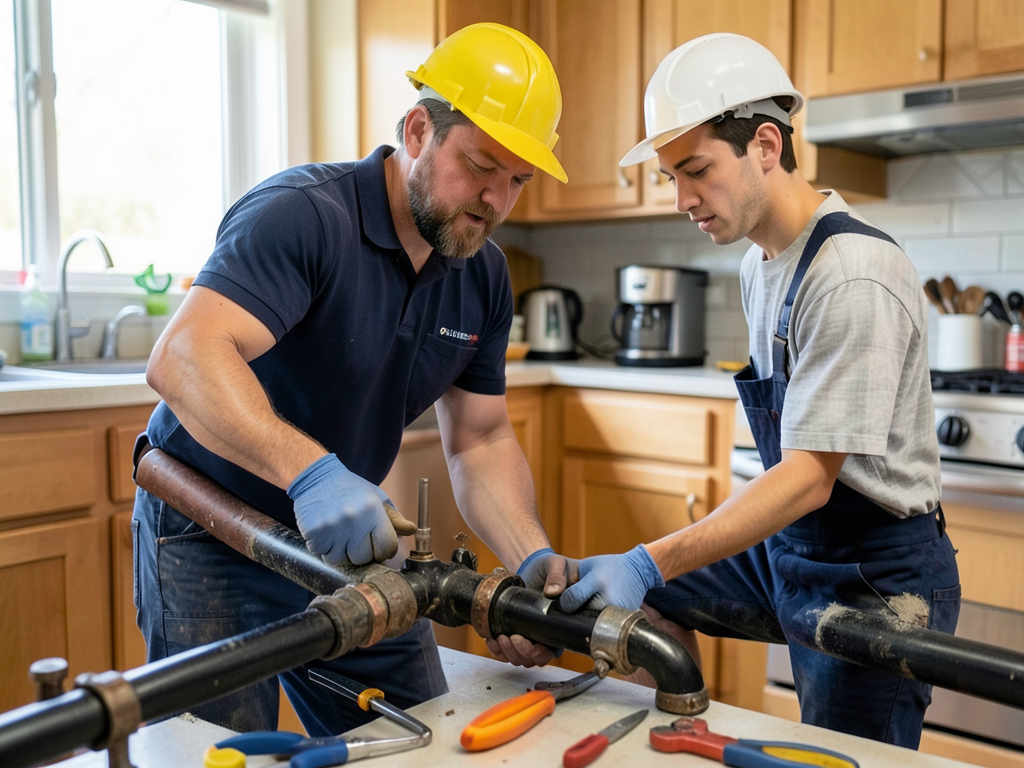
Switching from a Gas to an Induction Cooktop in Harris Branch (Plumbing and Gas Line Capping)
Switching from a gas cooktop to an induction model in Harris Branch requires more than just buying a new appliance. The process involves safely capping your existing gas line, meeting Austin building code requirements, and ensuring your kitchen remodel passes inspection. Many homeowners in Harris Branch face this exact situation when upgrading kitchens or responding to Austin’s growing push toward electric appliances. Is Switching to a Tankless Water Heater Worth It for Your Cedar Park Home?.
The first 100 words answer your main question: Converting from gas to induction in Harris Branch means hiring a licensed Texas plumber to properly cap the gas line, obtain necessary City of Austin permits, and pressure test the capped line to ensure zero leaks. This protects your home and family while keeping your remodel compliant with local regulations. Texas State Board of Plumbing Examiners.
Why Harris Branch Homeowners Switch to Induction
Harris Branch residents often choose induction cooktops for several practical reasons. The neighborhood’s mix of mid-century and newer homes frequently has aging gas infrastructure that homeowners want to eliminate. Induction cooking offers faster heating, precise temperature control, and easier cleanup compared to gas burners.
Local utility trends also influence decisions. Texas Gas Service has been upgrading infrastructure across North Austin, and some Harris Branch properties sit near planned work zones where temporary gas service interruptions have occurred. These disruptions push homeowners to consider permanent electric solutions.
The environmental angle matters too. Austin’s Climate Protection Plan encourages electric appliance adoption, and induction cooktops produce zero indoor air pollutants compared to gas units that release nitrogen dioxide and carbon monoxide during operation.
Understanding Gas Line Capping Requirements in Austin
Gas line capping in Austin follows strict protocols under the International Fuel Gas Code (IFGC) adopted by the City of Austin Development Services Department. Texas law requires any gas line modification to be performed by a licensed Master Plumber or licensed gas fitter. DIY gas work is illegal and extremely dangerous. City of Austin Development Services.
The capping process involves several critical steps that protect your home. First, the plumber locates the main gas shut-off valve and verifies it completely stops gas flow. Next, they bleed the line to remove residual gas, then cut and cap the pipe using appropriate fittings for the pipe material.
Pressure testing follows capping. The plumber installs a pressure gauge and pressurizes the capped line to 10-15 PSI for at least 15 minutes. Any pressure drop indicates a leak that must be found and fixed before the system passes inspection.
Permit Requirements for Harris Branch Gas Line Work
City of Austin permits are mandatory for gas line capping when the work involves modifying the main gas supply or creating a new capped branch. The permit process includes submitting detailed plumbing plans showing the existing gas configuration and proposed capping locations. Plumbing San Marcos.
Permit costs in Harris Branch typically range from $75 to $150 depending on the scope of work. The City requires inspections at two stages: after capping but before walls are closed, and a final inspection after all work completes.
Processing times vary by season. Summer months see longer wait times due to high permit volume, while winter months typically process faster. Your licensed plumber handles permit applications and schedules inspections as part of their service.
Gas Line Materials Common in Harris Branch Homes
Harris Branch homes built before 2000 often have black iron pipe gas lines, while newer constructions may use CSST (Corrugated Stainless Steel Tubing). Each material requires different capping techniques and fittings.
Black iron pipes use threaded fittings and require pipe dope or Teflon tape for sealing. The capping process involves cutting the pipe square, cleaning the threads, applying sealant, and installing a threaded cap or plug rated for gas service.
CSST systems use compression fittings that require specific tools to disconnect and cap properly. Improper CSST capping can damage the tubing’s protective coating, creating corrosion risks that may not show up for years.
Older homes might have galvanized steel gas lines, which present unique challenges. Galvanized pipe can accumulate internal corrosion that weakens the pipe wall, making proper cutting and capping critical to prevent future leaks.
Step-by-Step Gas Line Capping Process
- Safety Verification
Plumber confirms gas main shut-off, verifies no gas flow, and ventilates the work area. This prevents accidental ignition during the capping process.
- Line Isolation
Using proper tools, the plumber isolates the section to be capped, ensuring no other appliances or fixtures remain connected to that branch.
- Cutting and Preparation
The pipe is cut cleanly using appropriate tools for the material. All burrs are removed, and the cut surface is cleaned to ensure proper fitting.
- Cap Installation
The correct cap or plug is installed using pipe dope or compression fittings as appropriate. Threaded connections are tightened to manufacturer specifications.
- Pressure Testing
A pressure gauge is installed, the line is pressurized, and held for the required test duration. Any pressure drop triggers leak detection procedures.
- Inspection Preparation
All work areas are cleaned, tools removed, and documentation prepared for the City of Austin inspection.
Common Induction Cooktop Installation Considerations
Switching to induction requires electrical upgrades in most Harris Branch kitchens. Induction cooktops need dedicated 240-volt circuits with amperage ranging from 30 to 50 amps depending on the model.. Read more about Moving Your Kitchen Sink to an Island in Your Galindo Remodel (What to Expect).
Older Harris Branch homes built in the 1970s and 1980s often have outdated electrical panels that cannot support the additional load. A panel upgrade may be necessary before installing the new cooktop.
Countertop modifications also factor in. Induction units require specific cutout dimensions, and existing gas cooktop cutouts may need adjustment. Some homeowners use this opportunity to upgrade countertops entirely.
Ventilation requirements change too. While gas cooktops need overhead ventilation to remove combustion byproducts, induction units still require ventilation for steam and cooking odors, but the systems can be smaller and quieter.
Cost Factors for Gas to Induction Conversion in Harris Branch
Several variables affect the total cost of switching from gas to induction in Harris Branch. Gas line capping typically costs between $250 and $500 depending on accessibility and pipe material.
Electrical work adds another layer of expense. Dedicated circuit installation ranges from $300 to $800, while panel upgrades can cost $1,500 to $3,000 if needed.
Appliance costs vary widely. Basic induction cooktops start around $800, while high-end models with advanced features can exceed $3,000.
Permit fees, inspection costs, and potential countertop modifications add to the total. Most Harris Branch homeowners spend between $2,000 and $5,000 for a complete gas-to-induction conversion including all necessary plumbing, electrical, and finish work. Plumbing Pflugerville.
Safety Considerations After Gas Line Capping
Even properly capped gas lines require monitoring. The pressure test proves the line holds pressure initially, but soil movement in Harris Branch’s clay-rich soil can stress buried pipes over time.
Look for signs of gas leaks even after capping. A sulfur-like rotten egg smell indicates a leak. Hissing sounds near capped lines, dead vegetation in specific patterns, or unexplained headaches when in the kitchen all warrant immediate investigation.
Carbon monoxide detectors become even more important after gas line modifications. Install detectors on every level of your Harris Branch home, particularly near sleeping areas.
Keep documentation of all gas line work. Your plumber should provide permits, inspection records, and warranty information. This documentation proves compliance if you sell your home and helps future owners understand the gas system configuration.
Choosing the Right Plumber for Your Harris Branch Project
Not all plumbers handle gas line work. Look for Texas State Board of Plumbing Examiners (TSBPE) licensed professionals with specific gas fitting experience. Ask to see their Master Plumber license number and verify it through the TSBPE website. Professional Drain Cleaning Services to Clear Stubborn Clogs in South Congress Apartments.
Experience with Austin-specific codes matters. A plumber familiar with Harris Branch’s typical home construction and the City of Austin’s permitting process will navigate the project more smoothly than someone unfamiliar with local requirements.
Insurance coverage is critical. Gas line work carries inherent risks, and your plumber should carry liability insurance that specifically covers gas-related incidents.
References from other Harris Branch homeowners provide valuable insight. Ask potential plumbers for examples of similar gas-to-electric conversions they’ve completed in your area.
Environmental and Efficiency Benefits
Induction cooking uses energy more efficiently than gas. While gas burners convert only about 40% of their energy to cooking heat, induction units achieve 80-90% efficiency by directly heating the cookware through electromagnetic fields.
The efficiency translates to lower utility bills over time. Harris Branch residents often see their electric bills increase slightly while their gas bills drop to zero, resulting in net savings depending on local utility rates.
Indoor air quality improves dramatically. Gas cooking releases pollutants that can trigger asthma and other respiratory issues. Induction cooking eliminates these emissions, creating a healthier home environment.
The environmental impact extends beyond your home. As Austin’s electric grid incorporates more renewable energy, your induction cooking becomes cleaner over time compared to gas, which always produces carbon emissions when burned.
Frequently Asked Questions
Can I cap my own gas line in Harris Branch?
No. Texas law requires licensed plumbers to perform any gas line modifications. DIY gas work is illegal and extremely dangerous, potentially causing explosions, fires, or carbon monoxide poisoning.
How long does gas line capping take in Harris Branch?
Most gas line capping jobs take 2-4 hours for the actual work, plus additional time for permitting and inspections. The complete process from start to finish typically requires 3-7 days depending on permit processing times.
Will I need to modify my kitchen cabinets for induction installation?
Often yes. Gas cooktops and induction units have different dimensions and cutout requirements. Some cabinets need modification to accommodate the new cooktop, though many modern installations fit standard cutouts.
What happens if the pressure test fails?
If the pressure test reveals a leak, the plumber must locate and repair the leak before the system can pass inspection. This might involve replacing fittings, repairing damaged pipe, or in rare cases, replacing sections of the gas line.
Do I need a permit to cap a gas line in Harris Branch?
Yes, City of Austin permits are required for gas line capping when modifying the main gas supply or creating new capped branches. The permit ensures the work meets safety codes and can be inspected by city officials.
Ready to Make the Switch?
Converting from gas to induction in Harris Branch is a significant home improvement that requires professional expertise. The process involves careful planning, proper permitting, and skilled execution to ensure your kitchen remodel meets all safety and code requirements.
Don’t risk your family’s safety with DIY gas work or unlicensed contractors. Professional plumbers understand the nuances of Austin’s building codes, have the proper tools for pressure testing, and carry insurance that protects you during the entire process.
Call (737) 316-0588 today to schedule your gas line capping consultation. Our licensed Texas plumbers serve Harris Branch and all of Austin with emergency availability when you need it most. We’ll handle everything from permit applications to final inspections, giving you peace of mind throughout your kitchen transformation. Finding an Emergency Plumber in Austin Who Actually Answers the Phone at 3 AM.
Pick up the phone and call (737) 316-0588 before the next storm hits. Harris Branch’s clay soil expands and contracts with moisture changes, potentially stressing buried gas lines. Don’t wait for a problem to develop when professional capping can protect your home now.
You may also find this helpful. Running a New Gas Line for Your West Lake Hills Pool Heater.