
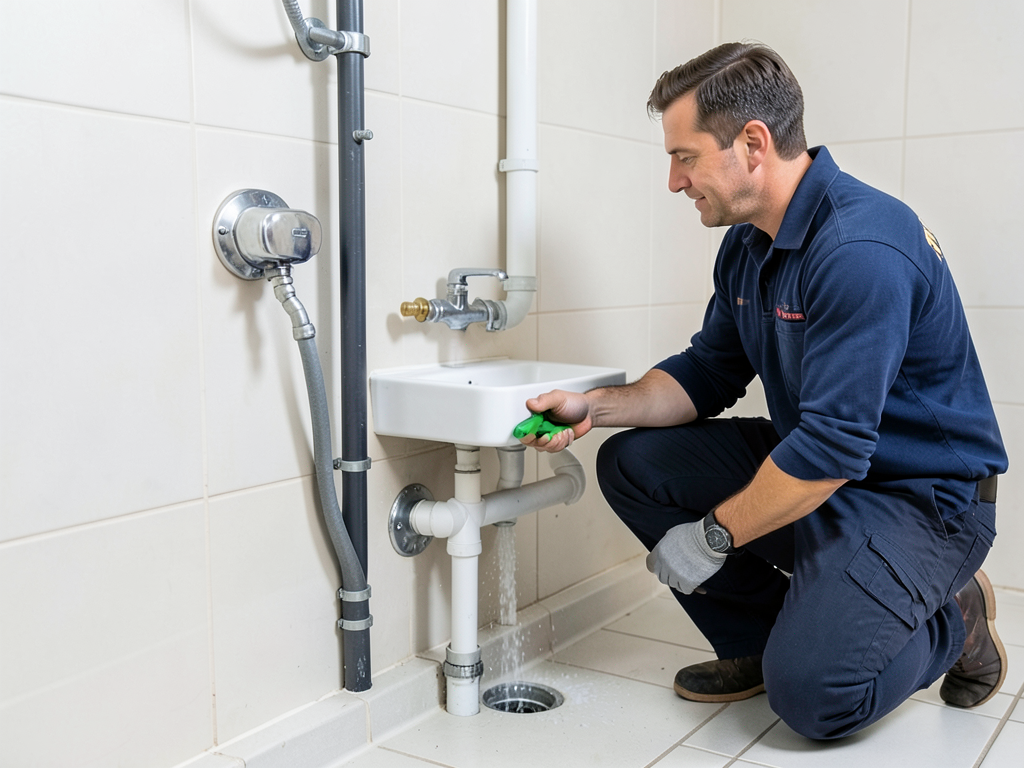
Planning a Mudroom Dog Wash for Your New Home in The Grove
A mudroom dog wash station provides a practical solution for Austin pet owners who want to keep their homes clean and their pets happy. The Grove’s pet-friendly community and active lifestyle make this feature more than a luxury. This guide covers plumbing requirements, local codes, and design options to help you plan with confidence. Austin Water Utility regulations.
Why a Mudroom Dog Wash Makes Sense in The Grove
The Grove’s community design encourages outdoor activities with nearby parks and trails. After a muddy hike at Brushy Creek or a swim at Lake Travis you will want a convenient way to clean your dog without tracking dirt through your home. A dedicated mudroom dog wash station provides a designated space for pet bathing that protects your floors and plumbing from pet hair and grime. Plumbing San Marcos.
A properly installed dog wash can increase your home’s value in The Grove’s competitive real estate market. Homebuyers appreciate pet-friendly features and a professional installation ensures your system meets Austin’s plumbing codes and building standards. Professional Drain Cleaning Services to Clear Stubborn Clogs in South Congress Apartments.
Essential Plumbing Requirements for Your Dog Wash Station
Planning the plumbing for your mudroom dog wash requires understanding specific technical requirements. The drainage system is critical. Pet wash stations need proper slope and venting to prevent clogs and odors. A 2-inch drain line is the minimum standard for handling pet hair and debris compared to the 1.5-inch lines used in standard bathroom fixtures. Plumbing Pflugerville.
Water temperature control is another crucial factor. Dogs are sensitive to temperature extremes so installing a thermostatic mixing valve ensures safe consistent water temperature. This device prevents scalding by automatically adjusting the hot and cold water mix. DIY installations often overlook this feature. Water Heater Maintenance Tips.
Backflow prevention is mandatory under Austin Water Utility regulations. A properly installed backflow preventer stops contaminated water from flowing back into your clean water supply. This requirement applies to all residential pet washing stations and must be inspected by a licensed plumber.
Choosing Between Custom and Pre-fabricated Dog Wash Stations
Your design choices affect both installation complexity and long-term maintenance. Custom-tiled walk-in showers offer flexibility for large dogs and can match your mudroom’s aesthetic. These installations require professional waterproofing using systems like Schluter-Kerdi to prevent water damage to surrounding walls and floors.
Pre-fabricated stainless steel grooming tubs provide a more budget-friendly option with quicker installation. These raised stations are easier on your back during bath time and include built-in drainage systems. However they may not accommodate very large dogs comfortably.
Consider your dog’s size and your mudroom’s dimensions when making this decision. The Grove’s newer homes typically feature spacious mudrooms that can accommodate custom installations while older properties might benefit from the compact footprint of pre-fabricated units.
Austin Plumbing Codes and Permit Requirements
Installing a dog wash station in The Grove requires compliance with Austin’s plumbing codes. The City of Austin Development Services Department requires permits for any new plumbing fixture that connects to the city’s sewer system. This includes pet washing stations even if they are in a private residence. City of Austin Development Services Department.
Section 2902 of the Austin Plumbing Code specifically addresses drainage for non-standard fixtures. Your installation must include a properly sized P-trap and vent system to prevent sewer gases from entering your home. The code also mandates that all drainage connections be accessible for future maintenance.
Local inspectors will verify that your installation meets these requirements before approving the final permit. Working with a licensed Austin plumber ensures your dog wash station passes inspection on the first attempt saving you time and potential rework costs.
Water Supply and Drainage Considerations
Your dog wash station needs dedicated hot and cold water lines with shut-off valves for maintenance. Flexible supply lines rated for both hot and cold water provide durability and make future repairs easier. The water pressure in The Grove typically ranges from 40-60 PSI which is adequate for most pet washing needs.
Drainage requires careful planning to prevent clogs. Installing a hair interceptor or sediment trap catches pet hair before it enters your main drain line. These devices need regular cleaning but prevent costly blockages that could affect your entire home’s plumbing system.
The floor around your dog wash station must have proper slope toward the drain. A quarter-inch drop per foot ensures water flows efficiently without puddling. This slope should extend at least 3 feet from the drain in all directions to handle splashing during bath time.
Cost Factors for Installation in The Grove
Several factors influence the cost of installing a mudroom dog wash in The Grove. The type of foundation in your home affects installation complexity. Slab-on-grade foundations common in newer Austin homes require cutting through concrete to access plumbing lines while pier-and-beam foundations offer easier access to existing plumbing.
Material choices significantly impact your budget. Basic pre-fabricated units with standard plumbing connections might cost $1500-$2500 while custom-tiled installations with premium fixtures can range from $3500-$6000 or more. These estimates include materials and professional installation but exclude permit fees.
Additional costs may include electrical work for lighting or exhaust fans waterproofing materials and specialized fixtures like handheld sprayers with adjustable flow rates. Some homeowners also invest in water filtration systems to address Austin’s hard water which can affect fixture longevity.
Maintenance and Longevity Considerations
A properly installed dog wash station should last 15-20 years with regular maintenance. The hard water in Austin can cause mineral buildup on fixtures so installing a water softener or using filtered water extends the life of your system. Check your local water quality reports to determine if treatment is necessary.
Regular cleaning of hair interceptors and sediment traps prevents major clogs. Monthly inspection of supply lines for leaks or corrosion helps catch problems early. The flexible supply lines commonly used in pet wash installations should be replaced every 5-7 years as a preventive measure.
Consider the impact of your dog’s coat type on maintenance needs. Long-haired breeds shed more and may require more frequent cleaning of drainage components. Some homeowners install additional filtration systems specifically for pet washing to reduce strain on their home’s main plumbing.
Design Integration with Your Mudroom
Your dog wash station should complement your mudroom’s existing design while meeting practical needs. Consider storage solutions for pet supplies grooming tools and towels. Built-in shelving or cabinets above or beside the wash area keep everything organized and within reach.
Non-slip flooring is essential for both pet safety and human comfort. Textured ceramic tile or rubber flooring provides traction when wet. The walls surrounding your dog wash area need moisture-resistant materials like ceramic tile or waterproof wall panels to prevent water damage.
Lighting design matters for both function and aesthetics. Bright shadow-free lighting helps you see what you are doing during bath time while task lighting under cabinets can highlight storage areas. Some homeowners add a small utility sink nearby for rinsing grooming tools or cleaning muddy boots.
Professional Installation vs. DIY Considerations
While DIY dog wash installations might seem cost-effective professional plumbing ensures code compliance and long-term reliability. Licensed plumbers understand Austin’s specific requirements for backflow prevention drainage sizing and permit processes. They also carry insurance that protects you if installation problems arise.
Professional installation typically includes warranty coverage for both labor and materials. This protection is valuable for a fixture that will see frequent use and exposure to water. DIY installations void most manufacturer warranties and may not meet local code requirements.
The complexity of tying into existing plumbing systems often surprises DIYers. Professional plumbers have the tools and expertise to handle unexpected issues like corroded pipes or inadequate water pressure. They can also recommend solutions you might not have considered such as recirculating water systems for water conservation.
Environmental Considerations and Water Conservation
Austin’s ongoing drought concerns make water conservation an important factor in your dog wash planning. Low-flow spray heads can reduce water usage by 30% without sacrificing cleaning power. Some advanced systems include water recirculation that filters and reuses water during the bathing process.
Consider the environmental impact of pet shampoos and cleaning products. Biodegradable phosphate-free products protect local waterways and are often required by Austin’s environmental regulations. Some homeowners install separate drainage lines for pet washing to prevent potential contamination of the main sewer system.
Rainwater harvesting systems can provide an alternative water source for your dog wash. While this requires additional plumbing and storage tanks it reduces your municipal water usage and can lower utility bills. Check with Austin Water Utility about regulations for using harvested rainwater for pet washing.
Frequently Asked Questions
Do I need a permit to install a dog wash station in The Grove?
Yes Austin requires permits for any new plumbing fixture that connects to the city’s sewer system. This includes pet washing stations in residential homes. A licensed plumber can handle the permit process and ensure your installation meets all local codes.
How much does a professional dog wash installation cost in Austin?
Costs vary based on design complexity and materials. Basic pre-fabricated units typically range from $1500-$2500 while custom installations with premium fixtures can cost $3500-$6000 or more. These estimates include professional installation and materials but exclude permit fees.
Can I install a dog wash station myself to save money?
While DIY installation is possible professional plumbing ensures code compliance and long-term reliability. Licensed plumbers understand Austin’s specific requirements and carry insurance for protection. DIY installations may void warranties and could fail inspection leading to costly rework.
What size drain line do I need for a dog wash station?
A 2-inch drain line is the minimum standard for pet wash stations. This size handles pet hair and debris better than the 1.5-inch lines used in standard bathroom fixtures. Proper drainage slope and venting are also essential for preventing clogs and odors.
How do I prevent my dog wash station from clogging?
Install a hair interceptor or sediment trap to catch pet hair before it enters your main drain line. These devices need regular cleaning but prevent costly blockages. Using a drain cover during bath time also helps catch hair and debris before they go down the drain.
Is hard water in Austin a problem for dog wash fixtures?
Austin’s hard water can cause mineral buildup on fixtures reducing their lifespan. Installing a water softener or using filtered water extends the life of your system. Some homeowners also choose fixtures with special finishes that resist mineral deposits in hard water areas.
How long does a dog wash station installation take?
Professional installation typically takes 1-3 days depending on complexity. Pre-fabricated units with simple plumbing connections install faster than custom-tiled installations that require waterproofing and tile work. Your plumber can provide a more accurate timeline after assessing your specific situation.
What flooring is best around a dog wash station?
Non-slip flooring is essential for safety. Textured ceramic tile or rubber flooring provides traction when wet. The material should also be waterproof and easy to clean. Some homeowners extend the non-slip flooring at least 3 feet beyond the wash area to handle splashing.
Ready to Install Your Mudroom Dog Wash?
Planning a mudroom dog wash for your new home in The Grove is an investment in convenience and home value. Professional installation ensures your system meets Austin’s plumbing codes and provides years of reliable service. Don’t risk DIY mistakes that could lead to water damage or code violations.
Call (737) 316-0588 today to schedule a consultation with Austin’s trusted plumbing professionals. We will assess your mudroom space discuss design options and provide a detailed quote for your dog wash installation. Our licensed plumbers handle all permits and ensure your installation passes inspection on the first try.
Pick up the phone and call (737) 316-0588 before the next muddy adventure leaves your floors covered in dirt. Your dogs deserve a dedicated washing station and your home deserves professional installation that protects your investment.
Technical Comparison Table
| Feature | Custom Tiled | Pre-fabricated | Installation Time |
|---|---|---|---|
| Average Cost | $3500-$6000 | $1500-$2500 | 1-3 days |
| Waterproofing Required | Yes (Schluter-Kerdi) | No | 2-3 days |
| Large Dog Capacity | Excellent | Limited | 1-2 days |
| Maintenance Access | Good | Excellent | 1 day |
Installation Process Steps
- Initial consultation and space assessment
- Permit application and approval
- Plumbing rough-in and drainage installation
- Fixture mounting and connection
- Waterproofing and tile work (if custom)
- Final inspection and testing
- Clean-up and orientation